Dog Obedience Training at Home: Skip the Pro Fees and Still Get Results
Your puppy just chewed through another shoe and ignored you three times before finally sitting. Before you panic-Google “dog obedience training near me prices” and book the priciest package you find, know this: most dogs learn the basics just fine at home, for the cost of a bag of treats and some patience. This guide breaks down what actually works, what to skip, and when paying a pro is worth it.
Key Takeaways
- Most foundational obedience skills (sit, stay, come, loose-leash walking) can be taught at home with consistent 5-10 minute training sessions.
- Puppy behavior training classes typically run in the range of $30 to $75 per group class session, though local prices vary.
- Private in-home trainers usually charge more per hour than group classes but work faster on specific problem behaviors.
- Consistency and timing matter more than fancy equipment: a $3 clicker beats an expensive course if you skip practice.
- Call in a professional for aggression, severe fear, or resource guarding instead of trying to DIY those issues.
Can You Really Train a Dog at Home Without a Pro?
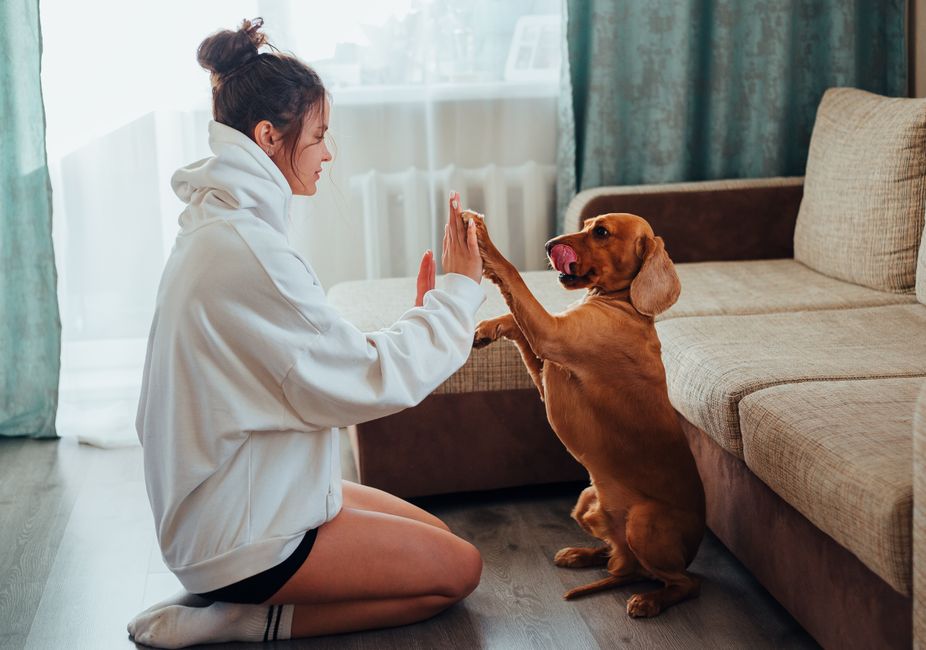
Yes. Sit, down, stay, come, and basic leash manners all respond well to home repetition, and your living room teaches a dog just as well as a studio with a logo on the wall. Dogs don’t need a fancy setting. They need a pattern they can count on.
Dogs learn through consistency, not geography. A sit taught in your kitchen transfers to the sidewalk, the vet’s waiting room, and your in-laws’ living room, as long as you’ve practiced it enough places that the dog isn’t just memorizing the kitchen floor. 94% of households already do at least some training at home, which tells you something: this isn’t some fringe DIY move. It’s the default.
The catch isn’t the method. It’s you.
Owners quit after a rough week, or they get inconsistent with cues (saying “down” one day and “lay down” the next), and that’s what actually stalls progress. Home training demands daily short sessions, not a weekend cram binge where you try to teach five commands in one exhausting afternoon.
The Core Commands Every Dog Needs First
Start with sit and name recognition before anything else. These two build the attention span that every other command depends on, and skipping them to chase something flashier just slows you down.
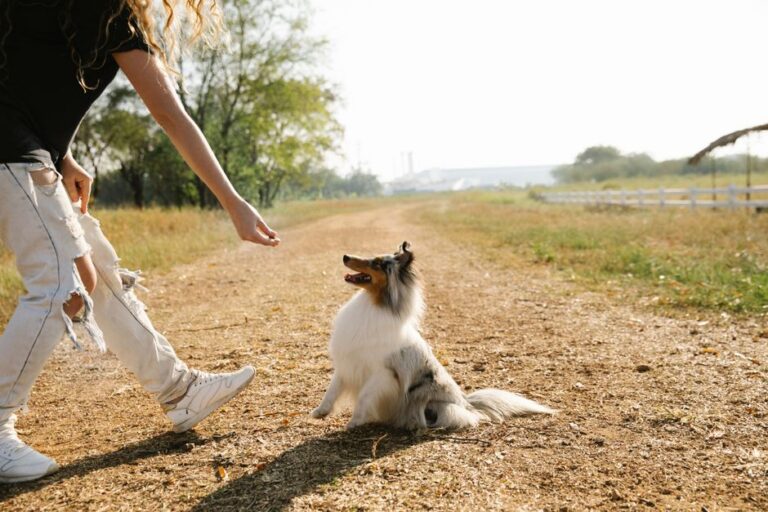
Once your dog reliably looks at you and sits on cue, move to “come.” Teach it in a low-distraction space first (your hallway, a quiet room), then add distractions gradually: another room, a leashed walk, your backyard with the neighbor’s cat strutting by. Rushing this step is the single most common reason recall falls apart later.
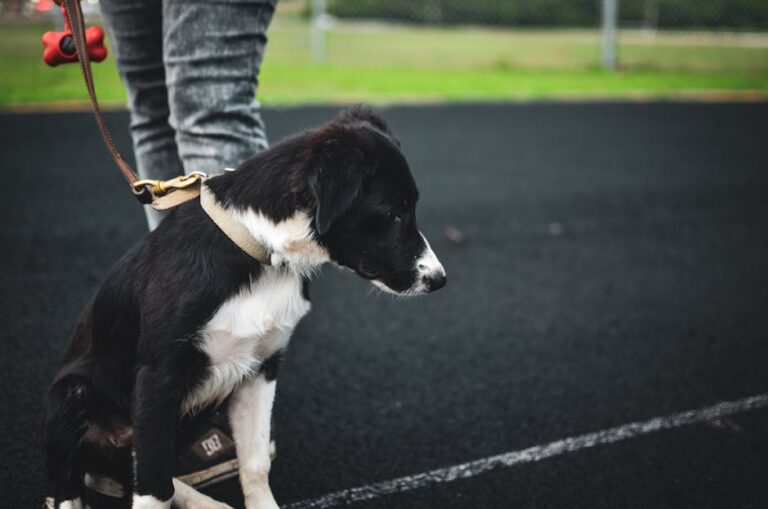
Loose-leash walking takes longer than almost every owner expects. Budget several weeks of short daily walks, not one heroic Saturday session where you try to fix pulling in twenty minutes. It won’t happen, and you’ll both end up frustrated.
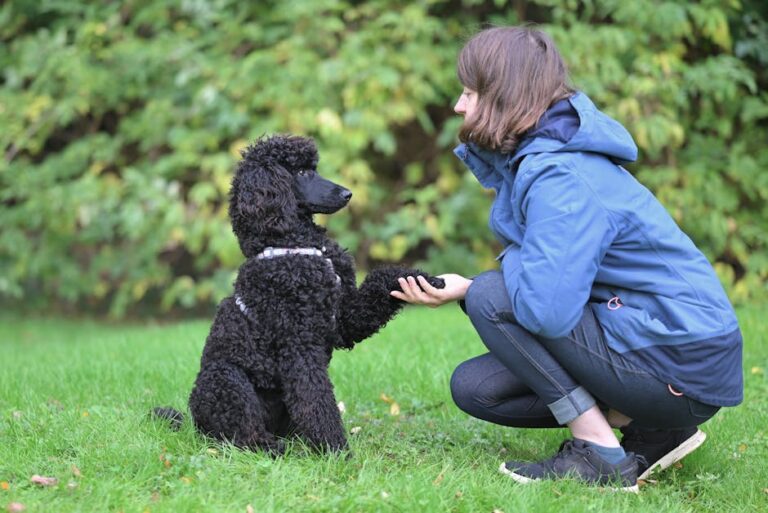
Use positive reinforcement, treats, praise, and play, instead of corrections. It gets faster, more reliable results than corrections do, and it’s the method behind the Canine Good Citizen program, a 10-skill good-manners test that plenty of owners practice at home before ever setting foot in a class.
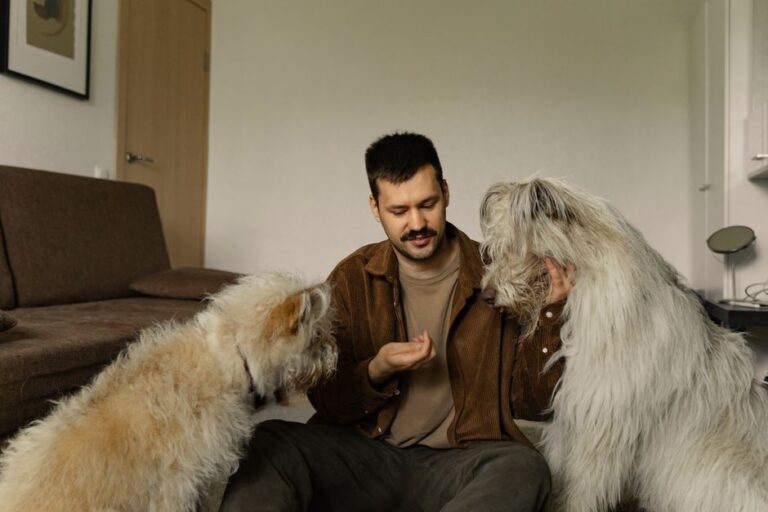
A quick hypothetical: picture a 10-week-old puppy learning “sit” through three short sessions a day, luring with a treat before each meal. Within a week, that puppy usually offers the sit without being asked, because food motivation plus repetition plus timing is a genuinely simple formula.
Building a Daily Training Routine That Actually Sticks
Two or three 5-10 minute sessions a day beat one 45-minute marathon, because dogs lose focus fast and a tired, bored dog stops learning and starts just enduring you. Short and frequent wins every time.
Train before meals, when your dog is food-motivated and sharp. Training right after a big walk, when your dog is worn out and half-asleep, wastes your time and theirs.
Build the routine around a few rules:
- End every session on a win, even if that means asking for something easy the dog already knows.
- Keep a mental (or written) log of which commands are improving and which are stuck.
- If a command hasn’t improved in two to three weeks, change your approach. Don’t just repeat the same failing method harder.
- Practice in new locations once a command is solid at home, or it won’t generalize.
A stalled command for weeks on end isn’t a sign your dog is “dumb.” It’s a sign something in your method needs to change, whether that’s timing, reward value, or session length.
When Home Training Isn’t Enough
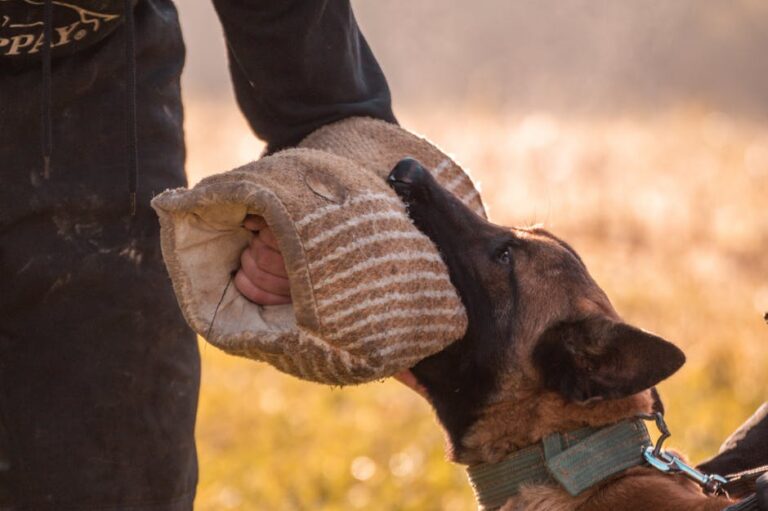
Severe reactivity, resource guarding, or aggression toward people or other dogs need professional evaluation, full stop. These aren’t DIY projects, and a YouTube tutorial is not a substitute for someone who can read your specific dog in real time.
That said, most owners’ day-to-day struggles are not aggression. They’re jumping, pulling, and ignoring recall, which is exactly what home training and group classes are built for.
Puppy behavior training classes near you offer something solo home training genuinely can’t: socialization with other dogs and puppies in a controlled setting. Reward-based methods are used in 89% of dogs attending puppy training classes, so the format lines up with what you’d want to be doing at home anyway. A trainer in that room can also spot handler mistakes (bad timing, mixed signals, an accidental reward for the wrong behavior) that are invisible to you because you’re too close to your own dog.
Another hypothetical worth noting: an adult rescue dog with leash reactivity usually improves faster with a private trainer than in a group class, simply because the one-on-one focus lets the trainer address that dog’s specific triggers without six other puppies adding chaos.
And plenty of owners sign up for group puppy class mainly for the socialization time, not the commands. That’s a perfectly good reason. Only 39 percent of surveyed dog owners had attended or were attending training classes despite most believing classes matter, which suggests a lot of dogs are missing out on structured puppy socialization windows that don’t come back around twice.
What Does Dog Obedience Training Actually Cost?
Puppy behavior training cost varies a lot by region, format, and the trainer’s experience, so there’s no single honest number to give you. What you can do is compare the shapes of each option and figure out which fits your dog’s actual problem, not just your budget.
Group puppy classes tend to be the most budget-friendly option, and they double as socialization time you can’t easily replicate alone. Private in-home sessions cost more per hour but target specific problems (jumping, door-dashing, leash reactivity) faster, because the trainer’s full attention is on your dog instead of split six ways. Board-and-train programs cost the most and remove you from the process entirely, which can backfire hard if the program doesn’t also teach you the handoff commands your dog just learned.
| Option | Typical Cost Range | Best For |
|---|---|---|
| DIY home training | Treats and basic supplies only, roughly $20 to $50 total | Basic obedience, leash manners, house rules, motivated owners |
| Group puppy classes | Often $30 to $75 per class, sold in 4-8 week packages | Socialization, basic commands with distractions, budget-conscious owners |
| Private in-home trainer | Generally higher per session than group classes, often $75 to $200+ per visit | Targeted problem behaviors, busy schedules, one-on-one coaching |
| Board-and-train program | Typically the most expensive option, often running into four figures for a multi-week stay | Owners who need intensive help but must still learn handoff commands afterward |
Before you book anything, call a few local trainers and compare quotes. Prices shift by region and demand, much like the variation you’d see in a guide to dog obedience training in Singapore, and the number you see on a national blog post (including this one) is a starting point, not a guarantee.
The Bottom Line
Home training handles the vast majority of what a dog needs: manners, commands, and a calmer household, all for the price of treats and your attention span. Save the professional fees for real problems like aggression or fear, and don’t let a slick ad talk you into a board-and-train package you could’ve handled yourself with two weeks of consistency.
Frequently Asked Questions
How much does puppy behavior training actually cost near me?
It depends heavily on your area and format. Group classes are usually the cheapest option, private trainers cost more per session, and board-and-train runs the highest. Check a few local trainers’ current rates since prices shift by region and demand.
What’s the best age to start obedience training at home?
Start as soon as your puppy comes home, often around 8 weeks old, in line with the puppy training schedule that fits your dog’s actual age. Keep early sessions short and playful since puppies have tiny attention spans, and short training windows work best.
How long until I see results from home training?
Simple commands like sit often click within days. Reliable behavior around distractions (loose-leash walking, solid recall) usually takes several weeks of consistent daily practice.
Are online dog training courses worth the money compared to in-person classes?
Online courses can teach you the mechanics of commands for less money than in-person classes, but they can’t correct your timing or body language in real time the way a live trainer or class can.
Do I need special equipment to train at home?
No. A regular leash, small soft treats, and a clicker (optional) cover almost everything. Skip expensive gear until you know your dog actually needs it.