Train Your Puppy at Home: The Complete Guide to Success Without Classes
Training your puppy at home doesn’t require expensive classes or complicated equipment—just consistency, patience, and the right approach. Whether you’re dealing with a 8-week-old Golden Retriever who hasn’t mastered potty training or a 6-month-old Border Collie mix with boundless energy, establishing clear routines and boundaries in your own space sets the foundation for lifelong good behavior. The beauty of home-based puppy training lies in its flexibility: you can work around your schedule, focus on the specific challenges your pup faces in their actual living environment, and build training into everyday activities. In this comprehensive guide, you’ll discover proven techniques that transform common puppy problems into training opportunities, creating a well-behaved companion without ever leaving your house.
Setting Up Your Home Training Environment for Success
Your home already contains everything you need for effective puppy behavior training at home—you just need to organize it strategically. Start by identifying three distinct zones: a quiet training area, a play space, and a rest zone. The training area should be somewhere with minimal foot traffic, like a corner of your living room or a section of your kitchen. Remove breakable items and ensure you have enough space for your puppy to move around comfortably.
Puppy-proofing extends beyond safety—it’s about creating an environment where success is inevitable. Secure loose cables, remove shoes from floor level, and install baby gates to control access to different areas. This controlled environment allows you to focus on teaching rather than constantly redirecting unwanted behavior.
Essential supplies are probably already in your home. High-value treats can be small pieces of cooked chicken, cheese cubes, or even their regular kibble if they’re food-motivated. A standard 6-foot leash works for indoor recall practice, and you can use masking tape to mark specific spots for “place” training. A comfortable mat or towel serves as a designated training surface, helping your puppy understand when it’s time to focus.
Consistency in daily schedules reinforces learning faster than any specific technique. Feed your puppy at the same times each day, incorporating brief training sessions before meals when they’re naturally motivated. Take them outside at regular intervals, practice commands during these transitions, and establish quiet time in their designated rest area. This routine creates predictable patterns that accelerate house training and general obedience.
Managing distractions means starting small and building gradually. Begin training sessions when household activity is minimal—early morning or after dinner often works well. Turn off televisions, ask family members to avoid walking through the training area, and keep other pets in separate rooms initially. As your puppy masters basic commands, you can gradually introduce controlled distractions to proof their training.
Core Obedience Commands Every Puppy Should Learn First
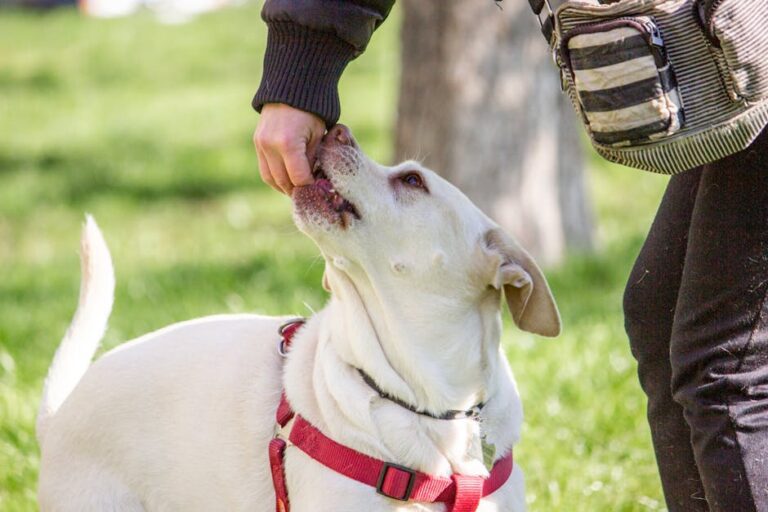
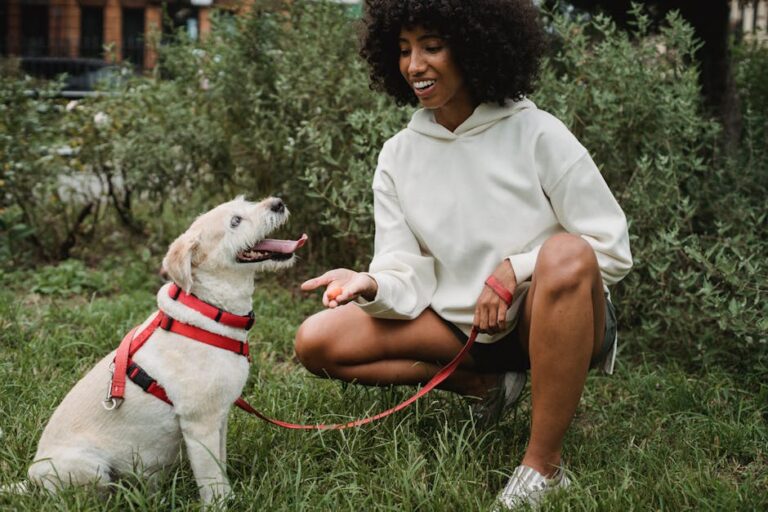
“Sit” forms the foundation of your dog training basic obedience lesson plan because it’s naturally easy for puppies to perform and creates a calm, focused state for other learning. Hold a treat close to your puppy’s nose, then slowly lift it over their head toward their back. Most puppies will naturally sit as they follow the treat upward. The moment their bottom touches the ground, say “sit,” give the treat, and offer enthusiastic praise. Practice this 5-10 times daily during natural moments like before meals or when they want attention.
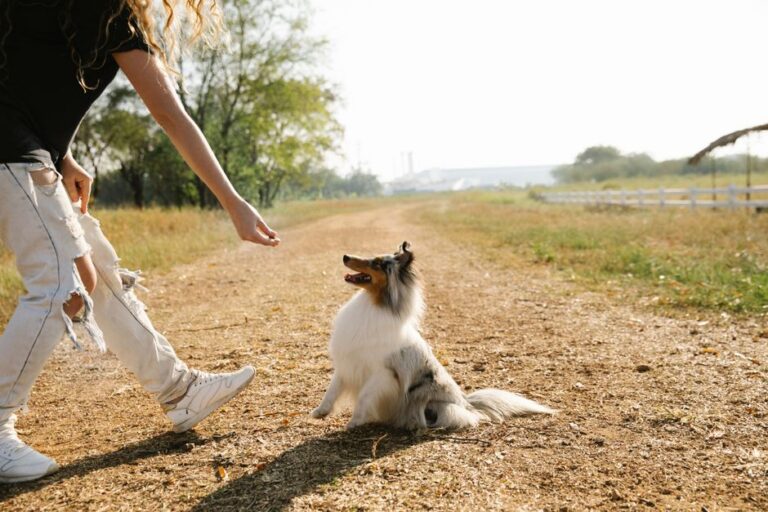
Building “stay” requires patience but pays enormous dividends. Start with your puppy in a sit position, hold your palm out in a “stop” gesture, and take one small step backward. If they remain sitting for even two seconds, immediately return, praise, and treat. Gradually increase the duration and distance over several weeks. Many owners rush this command, but solid stays prevent door-dashing, counter-surfing, and dozens of other problem behaviors.
Teaching reliable recall indoors creates the foundation for outdoor success later. Start in a hallway or small room where your puppy can’t wander far. Get down to their level, use an enthusiastic voice, and call “come” while gently patting your legs. When they approach, lavish them with praise and treats—never call your puppy to end something fun or for corrections. Practice recall during different activities: when they’re playing with toys, resting in their bed, or exploring a new room.
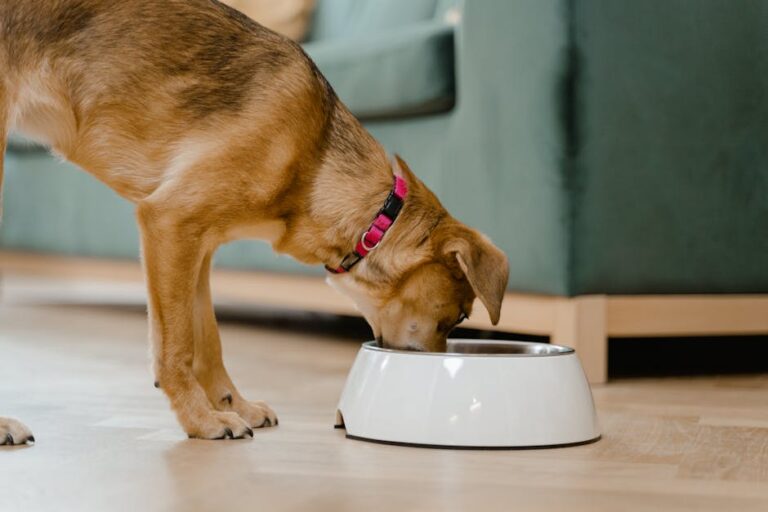
“Wait” and “leave it” build crucial impulse control. For “wait,” hold your puppy’s food bowl above their head and only lower it when they stop jumping or pawing at it. The moment they pause, say “wait,” count to three, then release with “okay” and place the bowl down. “Leave it” starts with a closed fist containing treats. Let your puppy sniff and paw at your hand, but only open it and reward when they back away or stop trying to get the treats.
Common mistakes slow progress significantly. Avoid repeating commands multiple times—if your puppy doesn’t respond to “sit” the first time, don’t say it again. Instead, help them into position and reward. Don’t train when you’re frustrated or in a hurry; puppies pick up on stress and learn more slowly. Skip training sessions if your puppy seems overly tired, as they need adequate rest for memory consolidation.
Addressing Common Puppy Behavior Challenges at Home
Destructive chewing stems from natural puppy needs—teething relief, mental stimulation, and exploration. Instead of simply saying “no” when they chew furniture, immediately redirect to an appropriate item. Keep rope toys, frozen Kong toys, and chew bones easily accessible. When you catch them chewing something inappropriate, calmly say “leave it,” guide them to a proper chew toy, and praise enthusiastically when they engage with it.
Take the case of a 4-month-old Labrador puppy who was constantly counter-surfing in the kitchen. The owner solved this by using structured kitchen-based training exercises. Every time they entered the kitchen, they had the puppy sit and stay before opening the refrigerator or preparing food. They practiced “leave it” with food intentionally placed at puppy height, gradually building impulse control. Within three weeks, the puppy learned to automatically sit when entering the kitchen rather than jumping at counters.
Managing excessive barking and whining during training requires identifying the root cause. If your puppy barks when you’re holding treats, they’re likely over-excited. Take a break, wait for quiet, then resume. If they whine in their crate during training breaks, ensure they’ve had adequate exercise and bathroom opportunities beforehand. Reward moments of quiet rather than accidentally reinforcing vocal demands for attention.
Jumping on people and furniture responds well to consistent management from all household members. When your puppy jumps, immediately turn away, cross your arms, and ignore them completely. Only give attention—eye contact, petting, or talking—when all four paws are on the ground. Practice having family members enter rooms and greet the puppy only when they’re sitting calmly.
Mouthing and playful nipping require structured responses that teach bite inhibition. When your puppy puts teeth on skin, immediately say “ouch” in a high-pitched voice and stop all interaction for 30 seconds. Leave the room if necessary. Then return and redirect their energy to appropriate toys. This mimics how littermates and mother dogs teach appropriate mouth pressure.
Creating Effective Training Sessions That Fit Your Schedule
Optimal session length varies dramatically by puppy age, as detailed in structured 8-week training programs. Eight-week-old puppies can focus for about 3-5 minutes at a time, while 6-month-old puppies can handle 10-15 minute sessions. Rather than one long session, aim for multiple brief interactions throughout the day. Five 3-minute sessions spread across the day accomplish more than one 15-minute marathon.
Incorporating training into daily activities maximizes efficiency for busy schedules. Practice “sit” before placing food bowls down, work on “stay” while you put on shoes, and reinforce “come” when transitioning between rooms. A working parent developed a 15-minute morning routine that completely solved their puppy’s door-darting habit: sit-stay practice while putting on work clothes, leash walking to the front door, wait command before opening, and recall practice in the fenced backyard.
Using household members as training partners ensures consistency. Create a simple chart listing the commands your puppy knows, the hand signals you use, and the reward system. Everyone should use identical words and gestures—if one person says “down” while another says “lie down,” you’re essentially teaching two different commands. Hold brief family meetings to discuss progress and challenges, ensuring everyone responds to unwanted behaviors in the same way.
Tracking progress helps you adjust techniques based on your puppy’s learning style. Some puppies are highly food-motivated and learn quickly with treats, while others respond better to praise, toys, or play. Keep a simple log noting which commands your puppy performs reliably, which need work, and what motivates them most. After two weeks, patterns become clear, allowing you to tailor your approach.
Visual learners often benefit from clear hand signals paired with verbal commands. Kinesthetic learners need more physical guidance, like gently positioning them into sits or downs. Auditory learners respond well to varied vocal tones and may learn faster with consistent verbal praise patterns.
Maintaining Long-term Success and Building Advanced Skills
Gradually increasing difficulty prevents training plateaus and prepares your puppy for real-world challenges. Once they reliably sit in your quiet training area, practice in the kitchen while cooking dinner. When they master “stay” for 30 seconds with no distractions, try it while someone walks past. This systematic approach builds confidence and reliability.
Preventing regression requires ongoing reinforcement even after commands seem solid. Many owners stop practicing basic commands once their puppy “knows” them, leading to gradual deterioration. Instead, integrate brief practice sessions into daily routines indefinitely. Ask for a sit before meals, practice recall during play sessions, and reinforce “wait” at doorways.
Consider the success story of a rescue puppy who learned to settle calmly in a living room crate during family movie time. The process started with very brief crate sessions during quiet periods, gradually building to longer durations with more household activity. The key was making the crate consistently positive—never using it for punishment—and providing appropriate mental stimulation through puzzle toys and chews during longer settling periods.
Introducing fun tricks strengthens your training bond while building your puppy’s confidence and problem-solving abilities. “Shake,” “roll over,” and “play dead” use the same learning principles as basic obedience but feel like games. These sessions are particularly valuable for high-energy breeds that need mental stimulation beyond basic commands.
A food-motivated Beagle mix learned multiple commands in one month through strategic mealtime training. Instead of free-feeding, the owner used the puppy’s daily kibble ration as training treats. Each meal became multiple mini-training sessions: sit before the bowl was prepared, down while food was being portioned, wait while the bowl was lowered, and gentle taking of treats during command practice. This approach required no additional time but transformed meals into powerful learning opportunities.
Recognizing when home training might need professional supplement is crucial for long-term success. If your puppy shows signs of fear-based aggression, resource guarding, or extreme anxiety that doesn’t improve with consistent home training, seek professional guidance. Similarly, if you’re not seeing progress after 4-6 weeks of consistent work on basic commands, a trainer can help identify gaps in your technique.
Most puppies thrive with dedicated home training, developing strong bonds with their families while learning essential life skills through comprehensive training systems. The key lies in understanding that training isn’t a destination but an ongoing conversation between you and your puppy. Every interaction teaches something—make sure it’s teaching what you want them to learn.