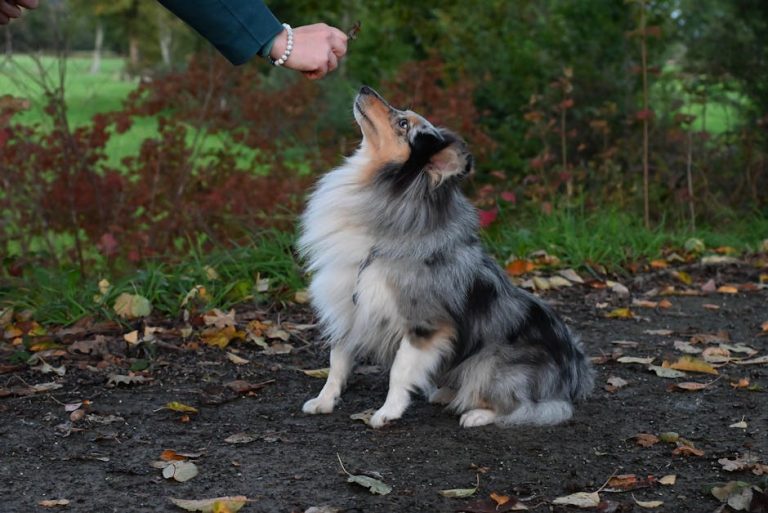
How to Stop Your Dog’s Nuisance Barking: 5 Proven Methods That Work
That familiar sound of your dog’s relentless barking—whether it’s triggered by the doorbell, passing joggers, or seemingly nothing at all—can quickly transform your peaceful home into a stress zone. If you’re wondering “how can I stop my dog’s nuisance barking?” you’re definitely not alone. The good news? Most barking problems are completely solvable with the right understanding and consistent approach. In this comprehensive guide, we’ll break down the root causes behind excessive barking and give you proven, step-by-step strategies to restore peace to your household while strengthening your bond with your four-legged friend.
Understanding Why Dogs Bark Excessively
Before you can effectively address your dog’s barking problem, you need to become a detective. Barking dog sounds aren’t random noise—they’re your dog’s primary way of communicating with the world. Understanding what your dog is trying to tell you through their barking is the foundation of any successful training approach.
Different Types of Barking and What They Mean
Alert barking typically consists of sharp, rapid bursts when your dog notices something unusual. This is your dog’s way of saying “Hey, did you see that?” It’s often accompanied by an upright, attentive posture and forward-facing ears.
Territorial barking tends to be deeper and more sustained, triggered when your dog perceives someone or something as invading their space. This type of barking often escalates as the “threat” gets closer and diminishes as it moves away.
Attention-seeking barking usually happens when your dog wants something from you—food, play, or simply your focus. These barks are often accompanied by other attention-getting behaviors like pawing or bringing toys.
Anxiety-based barking can be high-pitched and frantic, sometimes accompanied by pacing, destructive behavior, or other stress signals. This is particularly common in dogs with separation anxiety or those dealing with specific phobias.
Common Triggers That Set Off Nuisance Barking Patterns
Most excessive barking follows predictable patterns once you know what to look for. The doorbell and knocking rank as the top triggers, followed closely by people walking past windows, delivery trucks, other dogs, and sudden loud noises.
Environmental factors play a huge role too. Dogs in busy urban areas often develop reactive barking patterns to constant stimuli, while rural dogs might bark more at unfamiliar sounds that break their usual quiet environment.
Identifying Your Dog’s Specific Barking Motivations
Spend a few days tracking your dog’s barking episodes. Note the time, trigger, duration, and your dog’s body language. You’ll likely start seeing patterns that reveal whether your dog is primarily motivated by alerting you, protecting territory, seeking attention, or managing anxiety.
Essential Training Techniques to Stop Nuisance Barking
The most effective approach to reducing excessive barking combines teaching your dog what you want them to do with removing the rewards they currently get from barking—you can learn quick techniques that work in seconds for immediate results.
The ‘Quiet’ Command: Step-by-Step Training Method
Start training the “quiet” command during calm moments, not in the middle of a barking episode. Here’s the proven method:
- Wait for natural quiet moments throughout the day
- Say “quiet” in a calm, clear voice and immediately reward with treats and praise
- Practice this association 10-15 times daily for the first week
- Gradually introduce the command during mild barking episodes
- Only reward when your dog actually stops barking, even if just for a few seconds
Timing is everything. The moment your dog stops barking, mark it with “yes!” or a click, then immediately deliver the reward. This helps your dog understand exactly which behavior earned the reward.
Positive Reinforcement Strategies That Actually Work Long-Term
Successful dog obedience training focuses on making good choices more rewarding than problematic ones, using science-backed positive reinforcement methods. When your dog chooses to remain quiet in situations that would normally trigger barking, acknowledge it with calm praise or small treats.
Create “setup” scenarios where you can practice. Have a friend ring the doorbell while you’re ready with treats. The moment your dog looks at you instead of barking, reward heavily. This teaches your dog that good things happen when they check in with you rather than react to triggers.
Avoiding Common Mistakes That Accidentally Reinforce Barking
Never yell “quiet!” or “stop!” while your dog is barking. From your dog’s perspective, you’re just joining in the barking chorus. Similarly, giving attention (even negative attention) during barking episodes often reinforces the behavior.
Avoid using the quiet command repeatedly during intense barking. If your dog isn’t responding, they’re likely too aroused to learn. Instead, remove them from the situation and try again when they’re calmer.
Stopping Specific Barking Triggers
Different triggers require tailored approaches for maximum effectiveness.
How to Stop Your Dog Barking at the Door
To stop dog barking at door triggers, you’ll need to change your dog’s emotional response to visitors using proven door-specific training techniques. Start by practicing with the doorbell when no one is actually visiting.
Ring the bell, say “quiet,” and immediately toss treats away from the door. This creates a new association: doorbell = treats appear elsewhere. Practice this 5-10 times daily until your dog automatically looks for treats when hearing the doorbell.
For actual visitors, teach your dog a specific “place” behavior. When someone arrives, direct your dog to their designated spot (a bed or mat) and reward them for staying there quietly. This gives them a job to do instead of barking.
Case Study: Sarah’s Golden Retriever, Max, barked frantically at every delivery truck. Using the quiet command training and environmental management, Sarah practiced the doorbell exercise twice daily. She also moved Max’s food bowl away from the front window and created a cozy spot in the back room with special toys. Within three weeks, Max learned to go to his quiet spot when delivery trucks arrived, earning praise and treats for calm behavior.
Managing Window Barking at Passersby
Window barking often becomes self-reinforcing because the “threat” always goes away (from your dog’s perspective). Block visual access with frosted window film or strategically placed furniture during training phases.
Teach an alternative behavior like “watch me” or “go to your spot” when your dog notices something outside. Practice during low-trigger times first, then gradually work up to busier periods.
Addressing Separation Anxiety Barking
Real scenario example: Maria’s rescue dog, Luna, barked continuously for the first hour after being left alone. Maria started with very short departures (literally stepping outside for 30 seconds) and gradually increased the time as Luna remained quiet. She also provided puzzle toys filled with high-value treats that only appeared when she left, helping Luna associate her departures with good things happening.
Separation anxiety barking requires gradual desensitization. Never punishment-based approaches, which typically worsen anxiety-based behaviors.
Creating an Anti-Barking Environment
Your environment either supports or undermines your training efforts.
Environmental Modifications to Reduce Barking Triggers
Strategic placement of your dog’s favorite resting spots can make a huge difference. Move beds and crates away from high-activity windows. Use baby gates to restrict access to trigger-heavy areas during training phases.
Sound management helps too. White noise machines or calming music can mask outside noises that trigger alert barking. Many dogs respond well to classical music or specially designed canine relaxation soundtracks.
The Role of Mental Stimulation and Physical Exercise
A tired dog is generally a quieter dog, but mental exhaustion is often more effective than physical tiredness alone. Puzzle feeders, training sessions, and interactive toys help burn mental energy that might otherwise fuel reactive behaviors.
Example: In a busy neighborhood, terrier owner Mike reduced his dog’s window barking by 80% using three key environmental changes: frosted window film on lower window sections, a white noise machine near the front windows, and relocating his dog’s favorite napping spot to a quieter back room with a view of the garden instead of the street.
When to Seek Professional Help and Advanced Solutions
Some barking problems require professional expertise, especially when they’re rooted in deep anxiety, aggression, or medical issues.
Red Flags That Indicate Professional Help Is Needed
Seek professional help if your dog’s barking is accompanied by destructive behavior, aggression, or signs of severe distress. Similarly, if you’ve consistently applied these techniques for 6-8 weeks without noticeable improvement, a certified dog behaviorist can identify issues you might be missing.
Sudden increases in barking, especially in older dogs, warrant veterinary evaluation to rule out medical causes like cognitive decline, hearing loss, or pain conditions.
Building Realistic Expectations and Celebrating Progress
Most dogs show initial improvement within 2-3 weeks of consistent training, with significant progress typically visible by 6-8 weeks. However, dogs with deeply ingrained barking habits may need several months of patient, consistent work.
Celebrate small wins: A dog who barks for 30 seconds instead of 5 minutes has made real progress. A dog who looks at you when the doorbell rings, even if they still bark, is learning. These incremental improvements build toward your ultimate goal of a calm, responsive companion.
Remember that some barking is normal and healthy. Your goal isn’t a completely silent dog, but rather a dog who barks appropriately and stops when asked. With patience, consistency, and the right techniques, you can absolutely achieve a peaceful home while maintaining your dog’s natural ability to communicate with you.