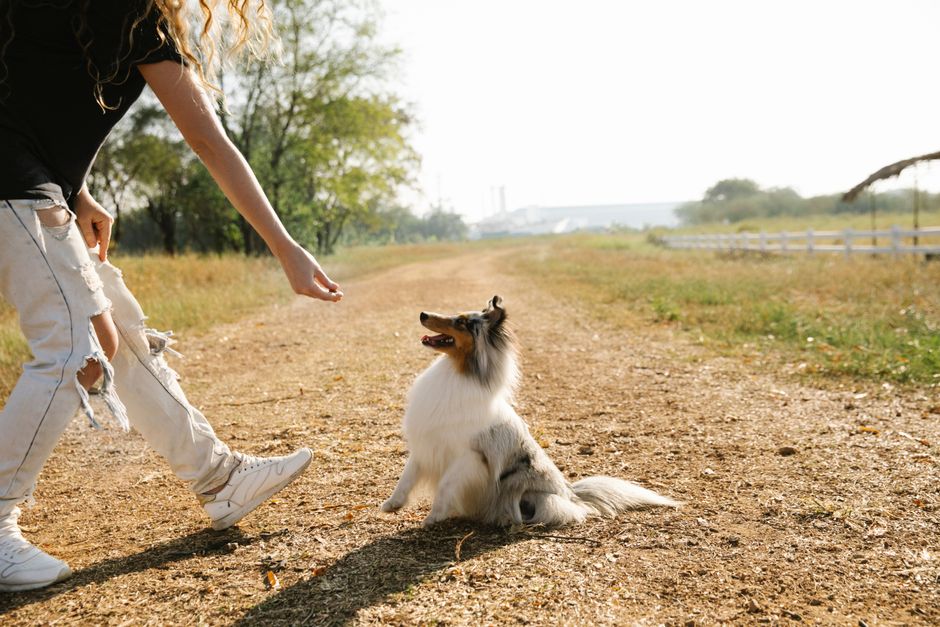
Dog Training Tips for Beginners: Build Trust and Good Habits That Last
Bringing home a new dog, or trying to reset habits with an older one, can feel overwhelming the second you open a training forum. Everyone’s got an opinion. Half of them contradict each other. Here’s the truth: successful dog training isn’t about becoming an expert trainer overnight. It’s about understanding a handful of core principles and actually sticking to them. Whether you’ve got a wiggly 8-week-old puppy or a stubborn ten-year-old who’s set in his ways, these dog training tips for beginners will help you build trust, communication, and good habits that last, starting today.
Key Takeaways
- Positive reinforcement beats punishment, full stop. Reward the behavior you want and skip the corrections that just breed fear and confusion.
- Short sessions win. Five to ten minutes of focused training beats a frustrated 30-minute slog every time.
- Timing is everything. Reward within a second or two of the behavior, or your dog won’t connect the dots.
- Seven days can build a real foundation, but it won’t finish the job. Set realistic goals and keep going after the first week.
- Old dogs absolutely can learn new tricks. They just need patience, high-value rewards, and a plan adjusted to their bodies.
The 5 Foundational Dog Training Tips Every Beginner Needs
The fastest way to train any dog, puppy or senior, is to reward what you like and ignore or redirect what you don’t. Keep sessions short, stay consistent with your words and signals, and nail your timing. Get those four things right and you’re already ahead of most owners who wing it.
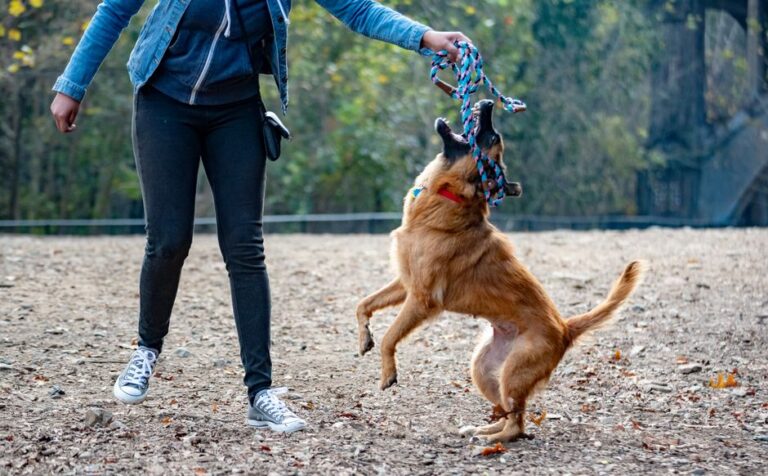
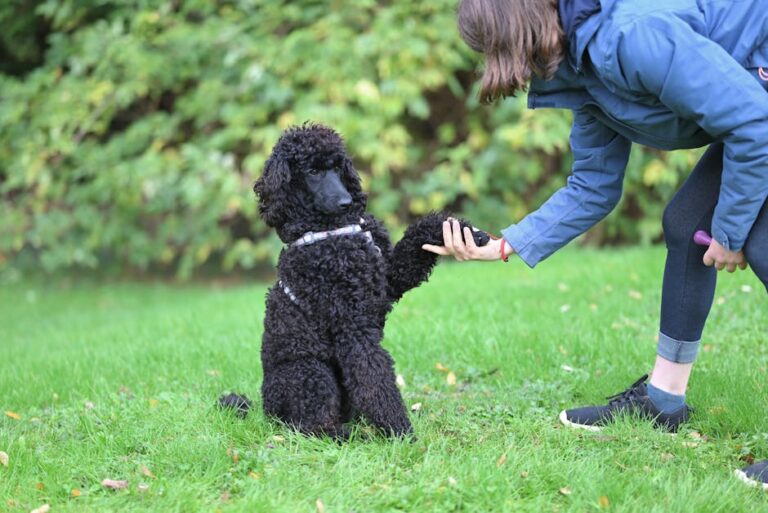
Lead with rewards, not corrections. Positive reinforcement (treats, praise, a quick play session) is the technique that actually holds up. Aversive methods might suppress a behavior temporarily, but they tend to create new problems like fear and anxiety instead of solving the original one. If you take one thing from this article, take that.
Keep it short. Dogs have the attention span of, well, a dog. Training little and often works better than marathon sessions. Five to ten minutes, once or twice a day, is plenty. Always end while your dog is still succeeding, not after he’s already checked out mentally.
Pick your words and stick with them. “Down” means one thing. “Off” means another. If your household mixes them up, your dog isn’t confused because he’s dumb. He’s confused because you’re being inconsistent. Same goes for hand signals: pick one gesture per command and don’t improvise.
Master your timing. Reward within one to two seconds of the behavior you want, every single time in the beginning. Wait five seconds and your dog might think he’s being rewarded for something totally different, like sniffing the floor. This single detail separates owners who see fast progress from those who feel stuck for months.
How Do You Correct a Puppy’s Behavior Without Damaging Trust?
You correct a puppy by redirecting the unwanted behavior toward something acceptable, marking the moment with a calm interruption word, and never resorting to yelling or physical punishment. Correction isn’t about punishment. It’s about showing your puppy what to do instead, consistently enough that the better option becomes the obvious one.
Redirect, don’t just say no. A puppy biting your hand during play isn’t being “bad.” He’s a baby animal exploring the world with his mouth, and it’s completely normal. The fix isn’t scolding him into submission. It’s swapping your hand for a chew toy the instant the teeth come out, every time, until he learns hands are off-limits and toys are fair game.
Use an interruption word, then follow through. A sharp, neutral “ah-ah” the moment your puppy jumps on the counter or grabs the wrong shoe works as a marker, not a punishment. The magic isn’t in the sound. It’s in what happens immediately after: you redirect him toward the right behavior so he actually learns something instead of just getting startled.
Skip the yelling and skip the physical corrections. It’s tempting when your puppy has just destroyed your favorite sneakers. Resist it anyway. Fear-based corrections don’t teach a puppy what to do. They just teach him to distrust you or hide the behavior when you’re not looking, which is worse. A dog that’s scared of you isn’t a trained dog. He’s a suppressed one, and that comes with its own set of problems down the line.
Puppy-proof before problems start. The easiest correction is the one you never have to make. Crate training, closed doors, and clearing counters of temptation aren’t cheating. They’re management, and management prevents bad habits from ever taking root in the first place.
Can You Really Train a Puppy in 7 Days?
Yes, if you keep expectations realistic. Seven days is enough time to build name recognition, a basic sit, the start of a potty routine, and comfort with a crate. It is not enough time to finish training a puppy, and anyone who tells you otherwise is selling something.
Here’s a rough seven-day framework to work from, adjusted to your own dog’s pace:
- Days 1 to 2: Focus purely on bonding and name recognition. Say your puppy’s name, reward instant eye contact, repeat constantly.
- Days 3 to 4: Introduce “sit” and start basic recall (“come”) in short, low-distraction sessions.
- Days 5 to 6: Tighten up the potty routine. Same schedule, same spot, same reward every single time your puppy goes outside.
- Day 7: Review everything. No new material. Just repetition to cement what’s already there.
A week like this builds a strong start, not a finished dog. Think of it as pouring the foundation, not building the house. Keep a simple training log, even just notes on your phone, so you can see what’s actually sticking versus what needs more repetition. That log will save you from the frustrating feeling that nothing’s working when really, you just haven’t given it enough reps yet.
Dog Training Tips for Older Dogs: It’s Never Too Late
Older dogs can absolutely learn new behaviors and unlearn old ones. The “old dogs can’t learn new tricks” line is an excuse, not a fact. What changes with age isn’t the capacity to learn. It’s the approach: slower pace, higher-value rewards, and a training plan that respects joint pain or hearing loss instead of ignoring it.
Throw out the myth. An older rescue dog, for example, can absolutely learn hand signal cues for “sit” or “stay” even if he can’t hear well anymore. Dogs read body language constantly anyway, often more than they read our words. Hearing loss just means you lean into the channel that was already doing a lot of the work.
Adjust for the body he’s living in. A senior dog with sore hips isn’t going to hold a “sit” as long or as often as a young dog can, and pushing him to isn’t kindness. It’s just uncomfortable. Shorten your sessions, lower your physical expectations, and reward effort, not perfection.
Go bigger on rewards. An ingrained habit that’s been reinforced for eight years doesn’t unwind with a stale kibble bit. Break out the real reward: chicken, cheese, whatever gets tail wags. Finding the right reward matters at every age, but it matters more when you’re competing against years of muscle memory.
Train for the bond, not just the behavior. Training an older dog isn’t only about fixing problems. It’s mental stimulation, and it’s time spent together that a lot of senior dogs, especially ones who’ve been rehomed, genuinely need. A short training session can do as much for a senior dog’s mood as a walk does.
Common Beginner Mistakes That Sabotage Dog Training
Most training failures aren’t about the dog. They’re about inconsistency, poor generalization, skipped socialization, and giving up before the habit has time to set. Fix these four and you’ll fix the majority of “my dog just won’t listen” complaints before they even start.
| Mistake | Why It Backfires | The Fix |
|---|---|---|
| Mixed commands between family members | Dog hears two different words for one behavior and can’t generalize | Agree on one word, one signal, write it down if you have to |
| Training in one room only | Dog learns the room, not the behavior | Practice in the yard, on walks, at the park, gradually |
| Skipping early socialization | Puppy grows up fearful or reactive to normal situations | Expose puppies to new people, dogs, sounds, and surfaces early and often |
| Quitting after a few sessions | Behavior never gets reinforced long enough to stick | Commit to daily short sessions for weeks, not days |
Consistency isn’t optional, it’s the whole game. Consistency is key shows up on every legitimate training list for a reason. If one person in the house says “down” for lying flat and another says it for getting off the couch, your dog isn’t failing to learn. Your household is failing to teach clearly.
Train everywhere, not just the living room. A dog that sits perfectly in your kitchen and completely ignores you at the park hasn’t actually learned “sit.” He’s learned “sit, but only in the kitchen.” Generalization takes deliberate practice in new places.
Don’t skip the socialization window. The early weeks and months of a puppy’s life shape how he handles the world for years. Skip it and you’re often stuck managing fear or reactivity later instead of preventing it early.
Give it more than a week of patience. Training takes repetition, and repetition takes time. If you give up after three sessions because your puppy still jumps on guests, you’ve quit right before the behavior would have started clicking.
The Bottom Line
You don’t need to be a professional trainer to raise a well-behaved dog. You need consistency, patience, and a willingness to reward the good instead of just punishing the bad. That applies whether you’re working with an 8-week-old puppy on day one or a ten-year-old rescue learning his first hand signal. Start small, stay consistent, and give it time. The dog on the other end of the leash is worth it.
Frequently Asked Questions
How do you correct a puppy’s behavior without damaging trust?
Redirect the unwanted behavior toward something acceptable, use a calm interruption word like “ah-ah,” and follow through immediately with the right alternative. Never use yelling or physical punishment. It doesn’t teach your puppy what to do. It just teaches him to fear you or hide the behavior instead.
How do you train a puppy in 7 days?
Focus on a few achievable goals: name recognition and bonding on days one and two, basic sit and recall on days three and four, a tighter potty routine on days five and six, and a review on day seven. Seven days builds a strong start, not a finished, fully trained dog.
What are the best dog training tips for older dogs?
Lean on hand signals if hearing is fading, keep sessions shorter to respect joint pain, and use higher-value rewards to compete with years of ingrained habits. Age doesn’t stop a dog from learning. It just changes how you should teach him.
What are the most common beginner training mistakes?
Inconsistent commands between family members, training in only one location, skipping early socialization, and giving up before a habit has time to stick. All four are fixable with a little planning and a lot more patience than most beginners expect to need.