How to Correct a Puppy’s Behavior Without Breaking Your Bond
Your puppy just ate a shoe, ignored “come” for the fifth time today, and is currently doing zoomies through the living room with your sock in her mouth. Welcome to puppyhood. Before you panic that you’ve got a “bad dog” on your hands, know this: almost none of what puppies do is actually misbehavior. It’s undeveloped self control, and the fix isn’t punishment, it’s a plan you can actually follow.
Key Takeaways (the short version)
- Puppy “bad behavior” is usually normal development, not defiance, so correction means redirection, not punishment.
- Consistency and management beat scolding every time, especially with a puppy under 12 weeks old.
- An 8 week old puppy needs gentle habit building, not formal obedience drills, since their brain and bladder are still catching up.
- Adolescence, roughly 5 to 8 months old, is the hardest stretch to train because impulse control genuinely regresses.
- Fixing behavior at home means controlling the environment first, then rewarding the choices you actually want to see.
Why Is My Puppy Acting Like This?
Your puppy isn’t stubborn, spiteful, or trying to dominate your living room. She’s a baby animal with zero impulse control, exploring the only way she knows how: with her mouth, her nose, and total disregard for your favorite sneakers.
Biting, jumping, chewing, and blowing off commands aren’t signs you’ve got a problem dog. They’re standard puppy operating procedure, so common it barely counts as an outlier. The research is blunt about it: more than 99% of U.S. dogs have a behavior problem, according to Texas A&M. That’s not a typo. That’s every dog you’ve ever met, basically.
So no, you didn’t get a defective puppy. You got a normal one.
Puppies test boundaries the exact same way toddlers do: by pushing on them repeatedly to see what happens. The dog that mouths your hand isn’t disrespecting you. She’s figuring out how the world works, one nip at a time.
Here’s why this science-backed reframe matters. The second you stop seeing “misbehavior” and start seeing “undeveloped puppy,” your whole approach shifts. You stop reacting with frustration and start responding with strategy. That shift alone solves half your problems before you’ve even changed a single thing you’re doing.
How Do You Correct a Puppy’s Behavior Without Wrecking Your Bond?
You interrupt the unwanted behavior calmly, redirect to something acceptable, and reward the better choice within seconds, the essence of how to correct a puppy’s behavior without damaging your bond. Skip the yelling and physical corrections entirely. Timing and consistency do the actual work here, not intensity, and not fear.
Let’s break that down because it’s the whole game.
Interrupt, don’t explode. A calm “ah-ah” or a neutral clap works fine. You’re not trying to scare your puppy straight. You’re just breaking her focus off the shoe, the ankle, or the couch cushion.
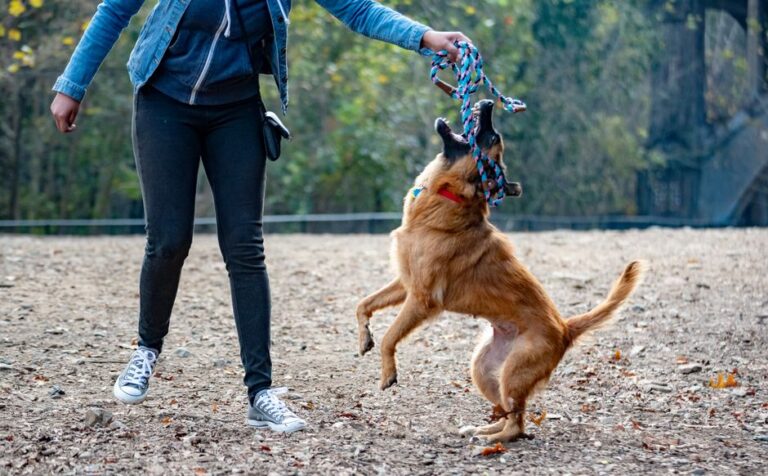
Redirect immediately. The second you’ve interrupted, hand her the acceptable option. Puppy nipping at your hand? Rope toy, right now, no delay. This only works if the redirect happens fast enough for her to connect the dots.
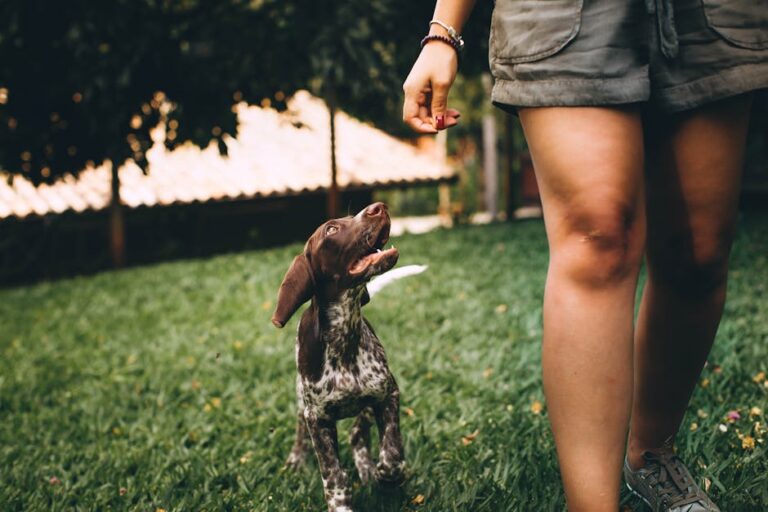
Reward the good choice. The instant she takes the toy instead of your hand, praise her or toss a treat. This is the step most owners skip, and it’s the one that actually teaches anything. Correction without reward is just noise.
Skip the drama entirely. Yelling, alpha rolls, physical punishment: none of it teaches your puppy what to do instead. It just teaches her that you’re unpredictable and possibly a little scary. That’s a real cost to your bond, and it doesn’t buy you faster results.
Here’s the part people get backwards. A calm, immediate redirect beats a big, delayed reaction every single time. Your puppy doesn’t need a lecture. She needs a fast, clear signal delivered in the moment, not five minutes later when you’ve finally noticed the couch cushion is gutted.
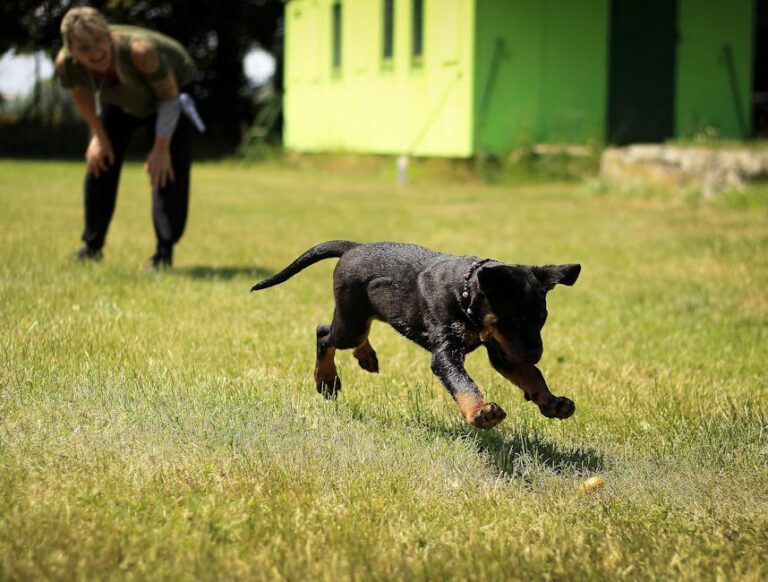
Take a hypothetical 9 week old puppy who nips at ankles during evening zoomies. Redirect her to a rope toy every single time, no exceptions, and that nipping habit fades, proof that consistent redirection can stop bad behavior fast. Not because you scared her out of it, but because you gave her a better option often enough that it became the default.
Puppy Behavior Training at Home: Set Up for Success
The fastest way to fix behavior at home is to prevent it from happening in the first place. Puppy proof your space, build a predictable daily routine, and use tools like crates and gates as management, not punishment. Less opportunity to misbehave means less correcting overall.
Puppy proof before you do anything else. Cords up. Shoes away. Trash secured behind a door she can’t nose open. Every object left within reach is a decision you’re making for her, whether you realize it or not.
Build a routine and stick to it, since consistency is core to building trust and good habits that last. Feeding, potty breaks, naps, and play at roughly the same times each day give your puppy’s body and brain something predictable to work with. Predictability is where good habits form almost on their own.
Use the crate and gates without guilt. A crate isn’t a cage you’re locking her in as punishment. It’s a management tool that prevents bad habits from ever getting the chance to start, like an unsupervised puppy deciding your rug looks chewable.
Keep training sessions short, one of the simplest free training tips for beginners that actually works. Five minutes here, five minutes there. Puppy attention spans are genuinely tiny, and dragging out a session past that point just teaches frustration, not obedience.
A hypothetical 4 month old puppy who counter surfs is a perfect example of management winning over correction. Keep food off the counter entirely, and the behavior stops cold. No amount of scolding beats simply removing the temptation.
8 Week Old Puppy Behavior Training: What’s Actually Realistic
At 8 weeks old, your job is name recognition, gentle handling, potty training, and positive associations, not formal commands, the backbone of any solid 8-week dog training plan. This is a baby animal with a tiny bladder and a brain that’s just getting started. Supervision and management matter far more than correction at this stage.
Here’s what that actually looks like day to day.
House training is a supervision job, not a discipline job. Take her out constantly, praise the second she goes in the right spot, and accept that accidents are part of the process, not a failure on your part. Nobody trains an 8 week old puppy out of accidents through scolding. You train them out through frequent, well-timed potty breaks.
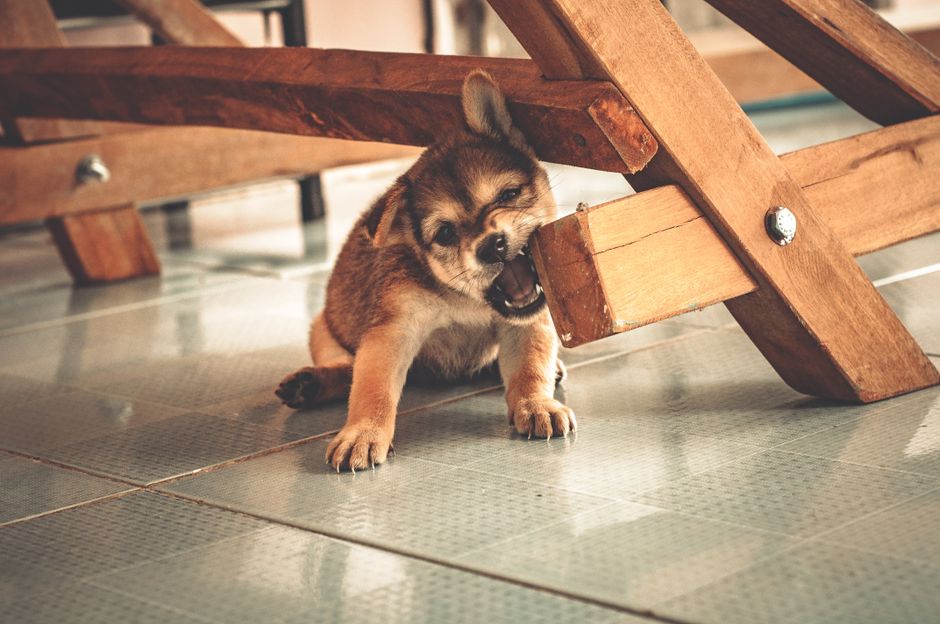
Nipping and mouthing are normal, full stop. Redirect to a chew toy every time, and skip any correction harsher than a calm interrupt. She’s exploring and teething, not being aggressive.
Socialization matters more than obedience right now. New sights, sounds, textures, and safe experiences at this age shape how confident and adaptable she’ll be for the rest of her life. That matters more than whether she can sit on cue.
A hypothetical 10 week old puppy having nightly accidents is a good illustration of how much management alone can fix. Switch to a strict two hour potty break schedule, and the accidents typically drop off within a week. Not because the puppy suddenly “got it,” but because you stopped giving her the chance to fail.
What Age Is a Puppy Hardest to Train?
Most owners hit the wall somewhere between 5 and 8 months old, often called the “teenage” phase. It’s not backsliding. It’s biology. Hormonal changes and a genuine dip in impulse control mean a puppy who used to listen perfectly suddenly seems to have forgotten every cue she ever knew.
This is the stretch that breaks people’s confidence the fastest, and it’s also the one where quitting on consistency does the most damage.
Selective hearing is real, and it’s temporary. A dog who sat reliably at 4 months might blow you off entirely at 6 months in the backyard. That’s not a training failure. That’s adolescence doing what adolescence does.
Consistency now, reinforced by a few essential training tips, prevents permanent problems later. Sticking with the same rules and management through this window keeps sloppy habits from hardening into adult ones. Let things slide here, and you’re often fixing bigger problems at 18 months.
It passes. Owners who stay boring and consistent through the teenage phase usually come out the other side with a genuinely well mannered adult dog. The ones who give up mid-adolescence are the ones still fighting the same battles a year later.
Here’s the full picture of what to expect at each stage, so you know whether what you’re seeing is normal or a red flag:
| Age Range | What’s Happening | Training Priority |
|---|---|---|
| 8 to 10 weeks | Settling into a new home, exploring with mouth, tiny bladder | Potty routine, gentle handling, name recognition, safe socialization |
| 3 to 4 months | Growing confidence, teething ramps up | Chew redirection, basic cues like sit and come, continued socialization |
| 5 to 8 months (adolescence) | Hormonal changes, testing boundaries, selective listening | Consistency, patience, reinforcing known cues rather than teaching new ones |
| 9 to 18 months | Impulse control gradually improves | Reinforcing manners in real world settings, off leash reliability practice |
The Bottom Line
Correcting a puppy’s behavior isn’t about winning a battle of wills. It’s about managing the environment, redirecting bad choices fast, and rewarding the good ones until they become habit. Stay consistent through the awkward teenage months and you’ll end up with the well behaved dog you were picturing when you brought that puppy home.
Frequently Asked Questions
Is it too late to correct a puppy’s behavior if I’ve already been scolding it?
No, dogs live in the moment. Switch to redirecting and rewarding starting today and you’ll see the shift within days, not months.
How long does it take to correct a specific behavior like jumping or nipping?
With consistent redirection and rewards, most puppies show real improvement in a couple of weeks, though full reliability takes longer through adolescence.
Should I use a firm “no” when correcting my puppy?
A calm, neutral interrupt word is fine, but the magic happens in what you do right after: redirect and reward the better choice.
My 8 week old puppy won’t stop biting. Is something wrong with her?
Nothing’s wrong. Mouthing at that age is completely normal exploration and teething behavior, not aggression.
Why did my puppy suddenly get harder to train around 6 months old?
That’s the adolescent phase kicking in. It’s a temporary regression in impulse control, not a sign your training failed.