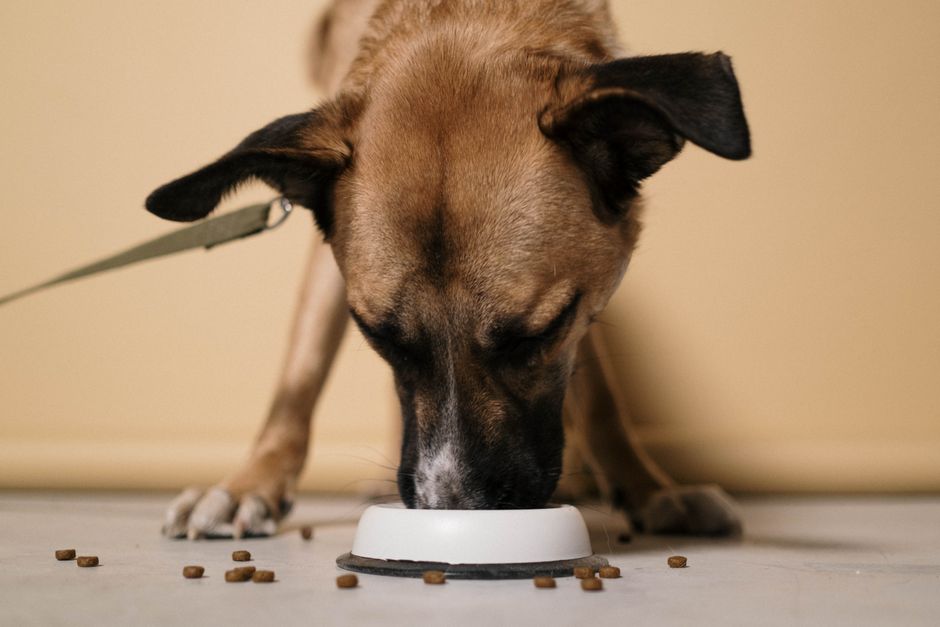
Nutrition for Dogs with Arthritis: What Actually Helps Them Move Better
Watching a dog with arthritis struggle to get up off the floor is rough. What most owners don’t realize is that the food bowl can be part of the fix, not just the joint supplements or the vet visits. Good nutrition won’t cure arthritis, but the wrong diet can absolutely make it worse.
Key Takeaways
- Extra body weight puts direct mechanical stress on already inflamed, arthritic joints.
- Omega-3 fatty acids from fish oil are one of the few diet tweaks with real research behind them.
- Weight management matters more than any single supplement you can add to the bowl.
- Dogs with colitis flare-ups need a gentler, more digestible diet, not just an arthritis-focused one.
- Liquid or blended diets can help dogs who struggle to stand or chew comfortably at the bowl.
- Always loop your vet in before switching foods or adding supplements for a dog with joint pain.
Why does nutrition even matter for arthritic dogs?
Nutrition matters because arthritis is a whole-body inflammation problem, not just a bad hip, and understanding the science-backed guide to dog nutrition helps explain why. What your dog eats can turn that inflammation up or down, and every extra pound on the scale adds direct, physical strain to joints that are already struggling. Fix the diet, and you’re pulling two levers at once.
Osteoarthritis isn’t rare or freak-accident stuff. It shows up in approximately 20% of dogs across all ages, which means a lot of owners are dealing with this without realizing food is even part of the conversation. And weight isn’t a minor detail here. There is no aspect of OA management more important than weight management, full stop. That’s not our opinion; that’s the field talking.
Here’s the part that should get your attention: dogs don’t need to become greyhounds to feel better. A long-term study found that dogs fed 25% less quantity experienced longer delay to development of chronic disease. Small, sustained changes beat dramatic ones nobody sticks with.
And the payoff is real, not theoretical. Obese osteoarthritic dogs that lost only 6.1% (on average) of their body weight showed decreased lameness. That’s a small number for a big result. This isn’t about a miracle food. It’s about removing load and dialing down inflammation wherever you actually can.
What should actually be in the bowl?
The short answer: the healthiest things to feed your dog are omega-3 fatty acids with real research behind them, lean protein to protect muscle, and a hard pass on filler carbs that pack on weight without doing your dog any favors. Everything else is secondary.
Fish oil earns its hype. Dogs with osteoarthritis fed a diet enriched with 3.5% fish oil had significant improvements in how they moved. That’s not a supplement company’s marketing copy; that’s a published finding. Get the dose right for your dog’s weight and you’re doing something backed by evidence, not a hunch.
Glucosamine and chondroitin are trickier. They’re in nearly every joint formula on the shelf, and some research on multi-ingredient supplements combining glucosamine sulphate, krill oil, and chondroitine sulphate shows promise for improving comfort. But a broader review of research from 2004 to 2014 found that supplement studies for osteoarthritis management turned up mixed, inconsistent results. Some dogs respond well. Others, not so much. Don’t assume the label guarantees the outcome.
Protein still matters, a lot. A high protein to calorie ratio supports lean muscle mass, and muscle is what’s holding compromised joints together while they do their job. Skimping on quality protein to cut calories is the wrong trade.
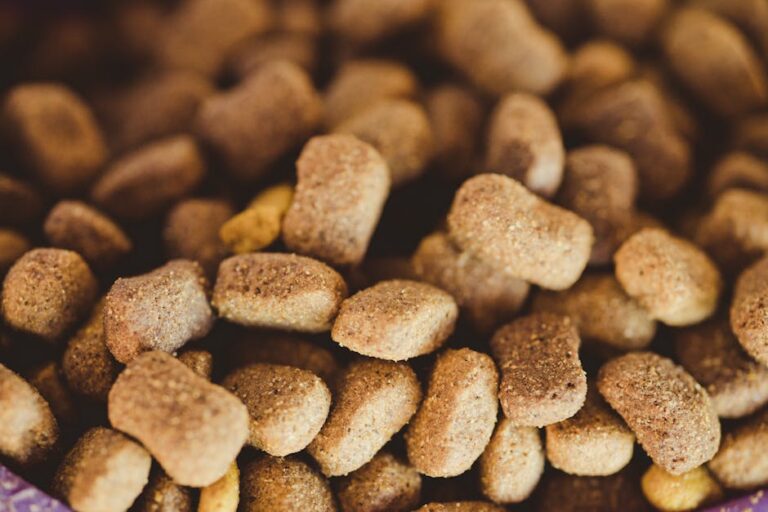
Skip the fillers. Cheap carbs pad out a bag of food, add calories, and do nothing for joint health. If a diet is mostly grain and by-products, it’s working against you, not with you he elite nature elite nutrition hat’s why moving beyond kibble toward elite nutrition is often worth it for joint health.
When eating itself becomes a struggle
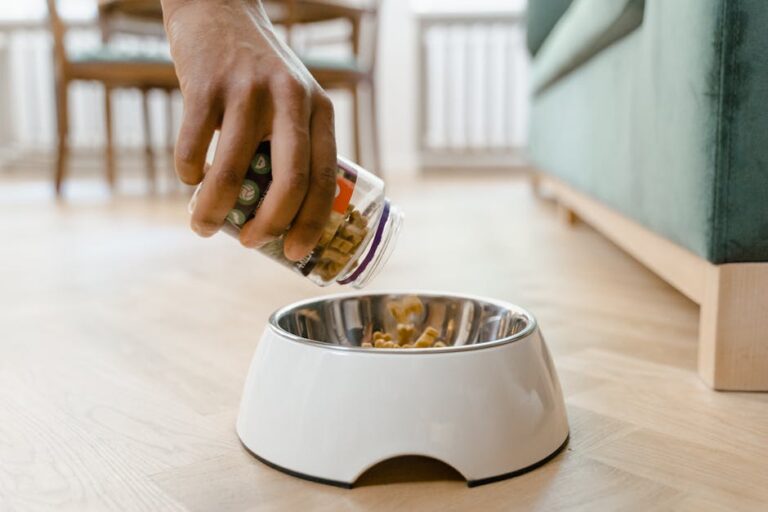
Sometimes the problem isn’t what’s in the bowl, it’s getting to the bowl at all. Dogs with severe neck or spine arthritis can find a normal floor-level dish genuinely painful to reach, and that discomfort can quietly tank their appetite.
An elevated feeding stand is a cheap, obvious fix that a lot of owners overlook. Raising the bowl to chest height takes the strain off the neck and shoulders during every single meal, which adds up over weeks and months.
For dogs dealing with both mobility issues and trouble chewing, whether from dental pain, weakness, or recovery from surgery, liquid nutrition can bridge the gap. It’s not a downgrade. It’s a practical answer for a dog who physically can’t manage kibble right now.
One caveat, and it’s a real one: a liquid or blended diet still needs to be nutritionally complete. Blending kibble with water and calling it done isn’t the same as a properly formulated liquid diet built to cover your dog’s actual nutritional needs. Check with your vet before you improvise here.
What if your dog has arthritis and colitis at the same time?
Feed the gut first. Nutrition for dogs with colitis calls for low-fat, highly digestible food, and that priority has to come before any joint-focused additions, because a flaring gut won’t tolerate much else anyway.
This is where fish oil gets complicated. It’s genuinely good for joints, but fat that shows up too fast or in too high a dose can trigger a colitis flare in a sensitive dog. You’re not choosing between joint health and gut health forever, but you may need to sequence them.
A gradual, vet-guided transition matters more here than it does for a healthy dog. Rushing a new food or supplement into a gut that’s already inflamed is asking for a setback. Slow and boring wins this one.
Bland, single-protein recipes are usually the safest starting point when both conditions are active at once. Get the gut calm, then layer in joint support once things have stabilized.
Common Joint-Support Additions and What They Actually Do
| Ingredient/Additive | Primary Role | Watch For |
|---|---|---|
| Fish oil (EPA/DHA) | Reduces inflammation, supports joint comfort | Can loosen stool or worsen colitis if dosed too high |
| Glucosamine/chondroitin | May support cartilage health | Evidence is mixed, results vary dog to dog |
| Lean protein sources | Maintains muscle to support weak joints | Too much protein without activity can contribute to weight gain |
| Low-fat, single-protein diets | Eases digestive stress in dogs with colitis | May need separate joint supplement since fat carries some nutrients |
Building a realistic feeding plan
A workable plan starts with an honest weight check and body condition score, not a new bag of premium food. From there you introduce changes slowly, track what actually happens, and adjust instead of guessing.
Start by asking your vet for a real body condition score, not a visual guess from across the room. That number is your baseline, and it’s the thing you’ll measure progress against.
Introduce any new food or supplement over one to two weeks, not overnight. Watch stool quality and energy levels closely during that window, especially if colitis is part of the picture.
Keep a simple log. A notebook or a phone note works fine, no app subscription required. Note how your dog moves in the morning, how they handle stairs, how long they take to settle after a walk. Trends matter more than any single good or bad day.
Revisit the plan every few months. Arthritis progresses, digestive sensitivity shifts, and a diet that worked in the spring might need tweaking by fall. Treat this as a living plan, not a one-time decision.
The Bottom Line
Food is not a replacement for a vet-diagnosed arthritis treatment plan, but it’s a lever you control every single day. Get the weight down, get the inflammation down, and meet your dog where they are, whether that means an elevated bowl or a liquid diet, and you’ll see the difference in how they move.
Frequently Asked Questions
Can changing my dog’s food actually reduce arthritis pain?
It won’t erase arthritis, but the right diet can lower inflammation and take weight off painful joints, which often means real improvement in how your dog moves.
Is liquid nutrition only for dogs who can’t chew?
Mostly, yes. It’s most useful for dogs with severe mobility issues, dental pain, or recovery periods where standard kibble or even softened food is still too much effort.
Should I give my arthritic dog fish oil every day?
Many vets recommend daily fish oil at a specific dose based on body weight, but you should get that dose confirmed by your vet rather than guessing from a bottle label.
My dog has both arthritis and colitis, what do I feed first?
Stabilize the gut first. A flaring colitis case needs a bland, low-fat diet before you layer in joint-focused fats and supplements.
How do I know if my dog’s food is actually helping their joints?
Watch for easier mornings, less hesitation on stairs, and a steadier gait over several weeks. Weight loss trends and vet-measured mobility scores are the clearest evidence.