Dog Care Basics for Beginners: Master Essential Routines in 2026
Bringing home your first dog is one of life’s most exciting experiences—but it can also feel overwhelming when you realize just how much goes into keeping your new companion healthy, happy, and well-behaved. From establishing feeding routines to understanding basic training principles, dog care basics for beginners might seem complex at first glance. The good news? You don’t need to become an expert overnight. With the right foundation in place, caring for your dog becomes second nature, and you’ll quickly build the confidence to handle everything from daily grooming to recognizing when something needs veterinary attention. Let’s break down the essential dog care basics every new owner needs to know in 2026.
Essential Daily Care Routines Every New Dog Owner Should Master
Creating consistent daily routines forms the backbone of successful dog ownership. Your new companion thrives on predictability, and establishing these habits early sets both of you up for long-term success.
Establishing Consistent Feeding Schedules and Proper Portion Control
Most adult dogs do best with two meals per day, spaced 8-12 hours apart. Puppies under six months typically need three to four smaller meals daily. Set specific feeding times—such as 7 AM and 6 PM—and stick to them religiously. This predictability helps with house training, prevents food guarding behaviors, and makes it easier to monitor your dog’s appetite for health changes.
Portion control matters more than many new owners realize. Follow the feeding guidelines on your dog food package as a starting point, but adjust based on your dog’s body condition. You should be able to feel (but not see) your dog’s ribs when applying gentle pressure along their sides. If you’re unsure about portions, your veterinarian can provide specific recommendations based on your dog’s weight, age, and activity level.
Basic Grooming Tasks: Brushing, Nail Trimming, and Dental Care
Regular grooming isn’t just about appearance—it’s essential for health and helps you bond with your dog. Brush your dog at least twice weekly, daily for longer-haired breeds. Start slowly with short sessions, rewarding calm behavior with treats and praise.
Nail trimming intimidates many new owners, but it’s crucial for your dog’s comfort and your furniture’s survival. Most dogs need nail trims every 3-4 weeks. If you hear clicking on hard floors, it’s time for a trim. Start by handling your dog’s paws regularly, then graduate to using nail clippers designed specifically for dogs.
Dental care prevents serious health issues down the line. Brush your dog’s teeth 2-3 times weekly using dog-specific toothpaste (never human toothpaste, which contains toxic xylitol). Begin by letting your dog lick the toothpaste, then gradually introduce the brush.
Exercise Requirements Based on Breed, Age, and Energy Level
Exercise needs vary dramatically between breeds and individual dogs. A Border Collie requires significantly more physical and mental stimulation than a Bulldog. Research your specific breed’s needs, but most adult dogs benefit from at least 30 minutes to 2 hours of daily exercise.
Puppies have different requirements—too much forced exercise can damage developing joints. A good rule of thumb is five minutes of exercise per month of age, twice daily. So a three-month-old puppy should get about 15 minutes of structured exercise twice daily, plus free play time.
Creating a Safe and Comfortable Living Environment
Dog-proof your home before bringing your new companion home. Secure loose wires, remove toxic plants, and store medications and cleaning supplies out of reach. Provide a designated sleeping area—whether a crate, dog bed, or specific room—where your dog can retreat when tired or overwhelmed.
Nutrition Fundamentals: Feeding Your Dog for Optimal Health
Understanding canine nutrition doesn’t require a degree in animal science, but knowing the basics helps you make informed decisions about your dog’s diet.
Choosing the Right Food for Your Dog’s Life Stage and Size
Puppies, adult dogs, and seniors have different nutritional needs. Puppy food contains higher protein and fat levels to support rapid growth, while senior formulas often include joint-supporting ingredients. Large breed puppies need specially formulated food to prevent developmental orthopedic diseases.
Look for foods that meet AAFCO (Association of American Feed Control Officials) nutritional standards. The label should state the food is “complete and balanced” for your dog’s life stage. While premium foods often cost more upfront, they typically provide better nutrition per serving and may actually be more economical long-term.
Understanding Ingredient Labels and Avoiding Harmful Foods
Ingredient lists appear in descending order by weight. Quality protein sources—like chicken, beef, salmon, or lamb—should appear among the first few ingredients. Avoid foods with excessive fillers, by-products, or artificial preservatives.
Certain human foods are toxic to dogs and should never be offered: chocolate, grapes, raisins, onions, garlic, xylitol-containing products, and macadamia nuts top the dangerous list. When in doubt, stick to dog-specific treats and foods.
Proper Feeding Schedules and Portion Sizes
Free-feeding (leaving food out all day) works for some dogs but can lead to overeating, food guarding, and difficulty monitoring appetite. Scheduled meals give you better control over your dog’s intake and help establish routine.
Measure portions using a standard measuring cup, not just eyeballing amounts. Many dog obesity cases stem from gradually increasing portion sizes over time without realizing it.
Transitioning Between Different Foods Safely
When changing your dog’s food—whether switching from puppy to adult formula or trying a new brand—do it gradually over 7-10 days. Here’s a proven transition schedule:
- Days 1-2: 75% old food, 25% new food
- Days 3-4: 50% old food, 50% new food
- Days 5-6: 25% old food, 75% new food
- Days 7+: 100% new food
For example, when transitioning a rescue dog from shelter food to premium kibble, this gradual approach prevents digestive upset while allowing their system to adjust to new ingredients and nutrient profiles, following daily routines that actually work.
Basic Training and Behavior Management for Beginners
Training isn’t optional—it’s essential for your dog’s safety and your sanity. Start with these fundamental skills that every dog should master.
House Training Essentials and Common Mistakes to Avoid
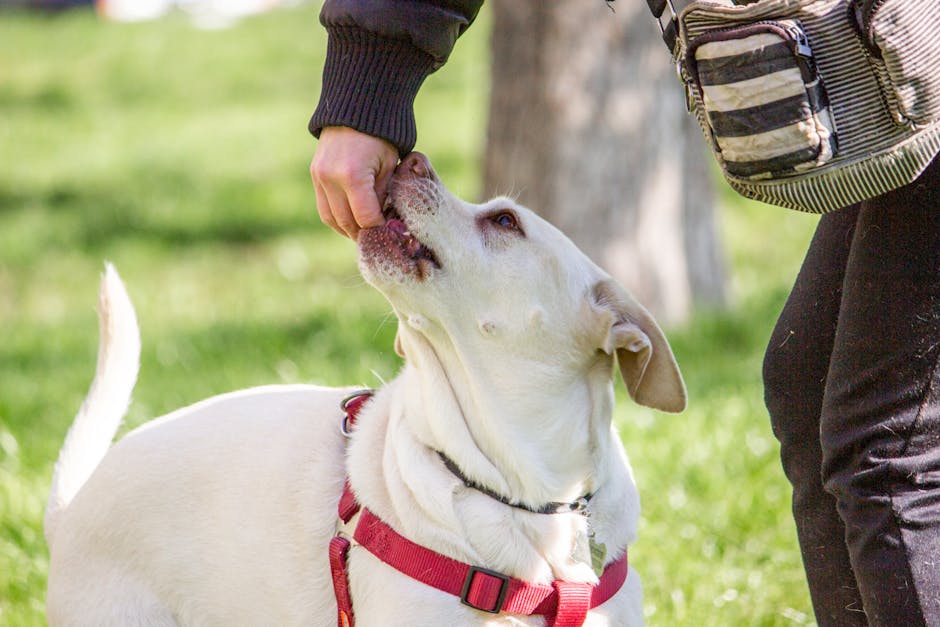
Successful house training relies on consistency, supervision, and positive reinforcement. Take your dog outside first thing in the morning, after meals, after naps, after play sessions, and last thing before bed. Praise and reward immediately when they eliminate in the appropriate spot.
Common mistakes include punishing accidents (which only teaches dogs to hide their business), not cleaning accidents thoroughly (dogs return to previously soiled areas), and giving too much freedom too soon. Until fully house trained, supervise constantly or confine your dog to a safe area.
Teaching Fundamental Commands: Sit, Stay, Come, and Down
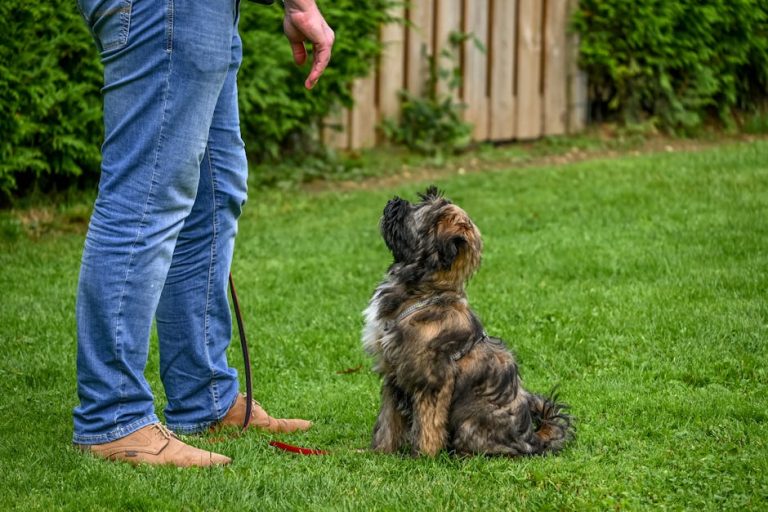
Start with “sit”—it’s often the easiest command for dogs to learn. Hold a treat close to your dog’s nose, slowly lift it over their head, and say “sit” as their bottom naturally touches the ground. Reward immediately and practice 5-10 times daily in short sessions.
“Come” is potentially life-saving but requires careful training. Always make coming to you positive—never call your dog to come for something they perceive as negative like bath time or nail trims. Practice in a fenced area first, gradually increasing distance and distractions.
Addressing Common Puppy Behaviors Like Chewing and Jumping
Chewing is normal puppy behavior that serves important developmental purposes. Redirect inappropriate chewing to appropriate items like Kong toys or bully sticks. Puppy-proof by removing tempting items and providing plenty of approved chew options.
Jumping often stems from excitement and attention-seeking. Teach an incompatible behavior like “sit” for greetings. Ask visitors to ignore jumping behavior and only give attention when four paws are on the floor.
Socialization Basics for Puppies and Adult Dogs
Proper socialization during the critical period (3-16 weeks for puppies) prevents many behavioral issues later. A well-socialized Golden Retriever puppy exposed to various people, animals, environments, and experiences during this window is significantly less likely to develop fear-based aggression or anxiety disorders as an adult.
Even adult dogs benefit from continued positive exposure to new experiences. Go slowly, let your dog set the pace, and always pair new experiences with positive outcomes like treats or play.
Health Monitoring and Preventive Care Basics
Preventive care is significantly less expensive—and stressful—than treating diseases that could have been prevented.
Essential Vaccinations and Preventive Treatments
Core vaccines protect against potentially fatal diseases: rabies, DHPP (distemper, hepatitis, parvovirus, and parainfenpneumonia). Most puppies need a series of vaccines starting around 6-8 weeks, with boosters every 3-4 weeks until about 16 weeks old.
Year-round parasite prevention protects against heartworms, fleas, and ticks. Many products now combine multiple protections in a single monthly treatment. Your veterinarian can recommend the best options for your area’s specific parasite risks.
How to Recognize Signs of Illness or Distress
Learn your dog’s normal behavior patterns so you can quickly identify changes. Warning signs include appetite changes, lethargy, vomiting, diarrhea, excessive drinking or urination, difficulty breathing, or unusual hiding behaviors.
For example, recognizing early signs of separation anxiety in a newly adopted Labrador mix—such as destructive behavior only when alone, excessive drooling before departures, or following you constantly—allows for immediate intervention through gradual desensitization training and environmental modifications.
Establishing a Relationship with a Veterinarian
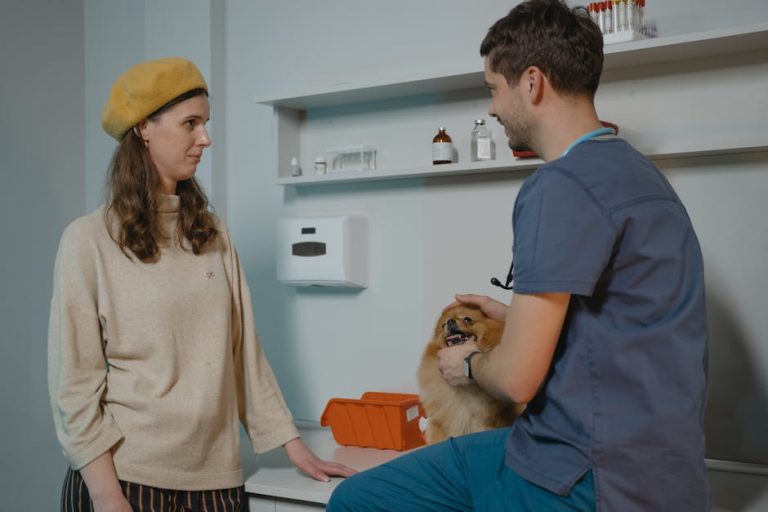
Schedule your new dog’s first veterinary visit within a week of adoption. This establishes baseline health records and gives you a chance to discuss breed-specific concerns, appropriate diet, exercise requirements, and create a preventive care schedule.
Basic First Aid and Emergency Preparedness
Assemble a basic first aid kit including gauze, adhesive tape, hydrogen peroxide (for inducing vomiting if instructed by a veterinarian), a thermometer, and your veterinarian’s contact information. Know the location and hours of the nearest emergency veterinary clinic.
Building a Strong Bond: Communication and Enrichment
The human-dog bond deepens through understanding, communication, and shared positive experiences.
Understanding Your Dog’s Body Language and Communication Signals
Dogs communicate primarily through body language. A relaxed dog typically has soft eyes, a slightly open mouth, and loose body posture. Stress signals include panting when not hot, pacing, excessive shedding, or whale eye (showing the whites of their eyes).
Tail wagging doesn’t always mean happiness—the height, speed, and direction of the wag provide important context clues about your dog’s emotional state.
Mental Stimulation Through Puzzle Toys and Training Games
Mental exercise tires dogs more efficiently than physical exercise alone. Puzzle toys, snuffle mats, and frozen Kong toys provide enrichment while you’re busy. Hide treats around the house or teach your dog the names of different toys for interactive games.
Creating Positive Associations and Building Trust
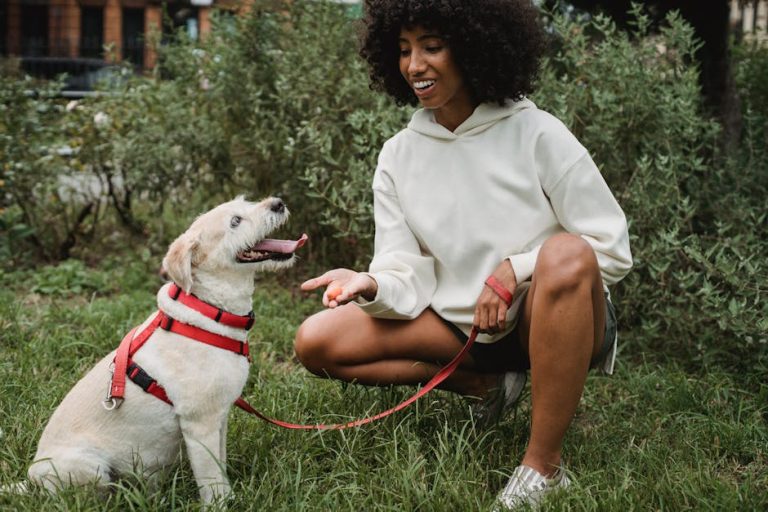
Use positive reinforcement to build confidence and trust. Pair new experiences with high-value rewards, go at your dog’s pace, and never force interactions. A confident, trusting dog is easier to train and more enjoyable to live with.
Balancing Structure with Play and Relaxation Time
Here’s an example daily routine for a 6-month-old puppy:
- 6:30 AM: Wake up, potty break, breakfast
- 7:00 AM: Short walk or play session
- 8:00 AM: Crate time/rest while family gets ready for day
- 12:00 PM: Potty break, lunch, brief training session
- 1:00 PM: Nap time
- 5:00 PM: Longer walk or backyard play
- 6:00 PM: Dinner
- 7:00 PM: Family time, gentle play
- 9:00 PM: Final potty break, settle for night
Dogs need both stimulation and rest. Puppies especially require 18-20 hours of sleep daily for proper development.
Mastering these dog care basics for beginners creates the foundation for a lifetime of companionship with your four-legged family member. Remember, every dog is unique, and what works for one may need adjustment for another. Stay patient, consistent, and positive—both you and your dog are learning together. The time and effort you invest in these early days pays dividends in years of joyful partnership ahead.