How to Take Care of a Dog: The Paragraph Answer Plus What Actually Matters
Someone types “how to take care of a dog paragraph” into Google because they need the short answer, not a 40-page manual. Fair enough. Here’s that paragraph, plus the real substance behind it from our complete beginner’s guide to dog care, so you’re not just checking a box: you’re raising a dog who’s healthy, calm, and easy to live with.
Key Takeaways (the short version)
- Good dog care boils down to five things covered in our essential pet care basics: food, water, exercise, vet checkups, and daily attention.
- Grooming is health maintenance, not vanity, and skipping it causes real problems like matting and infections.
- The 4 F’s (fight, flight, freeze, fidget) explain why your dog reacts the way it does under stress.
- Professional groomers use techniques most owners never learn, which is why matted or anxious dogs benefit from a pro.
- A dog raised on routine and clear signals is a calmer, more predictable dog long term.
How Do You Take Care of a Dog? (The Short Answer)
Here’s the paragraph version: feed a quality diet on a consistent schedule, keep fresh water available at all times, exercise your dog daily based on its breed and age, stay current on vet visits and vaccinations, groom regularly, and give consistent training plus actual affection. That’s it. That’s the whole job description.
But here’s what the paragraph doesn’t tell you, and what our complete dog care basics guide covers in depth: this isn’t a one-time checklist you complete and move on from. It’s a routine you repeat, and it shifts as your dog ages from wobbly puppy to steady adult to slower senior.
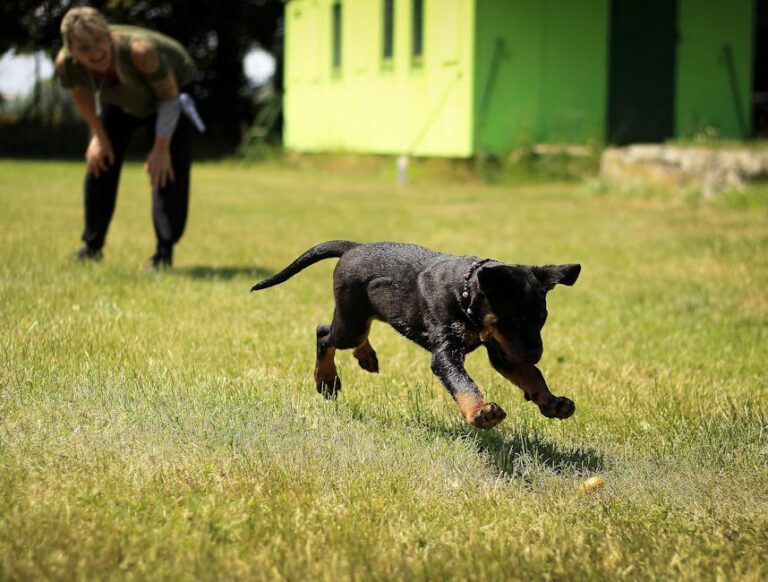
And here’s the part owners underestimate. Skip any single piece of that paragraph, especially exercise, and it doesn’t just show up as a health problem. It shows up as a behavior problem. A dog that’s bored or under-exercised doesn’t just get chubby. It gets destructive.
Daily Basics: Food, Water, Exercise, Sleep
The daily basics are simple on paper, as laid out in our guide to daily routines that actually work: feed on a schedule, keep water fresh, exercise to match the dog in front of you, and let that dog actually rest. Most “bad dog” complaints trace back to one of these four being ignored, not some deep behavioral flaw.
Feeding on a schedule, not a free-for-all
Feed age appropriate, breed appropriate food at consistent times. Free feeding all day sounds convenient, but it makes house training harder and weight gain easier. Dogs tend to need the bathroom 20 to 30 minutes after eating, so a predictable feeding schedule also means predictable potty timing, which makes your life easier too.
Go light on the treats and skip the people food. It adds up fast and can lead to problems you didn’t sign up for.
Exercise is not one-size-fits-all
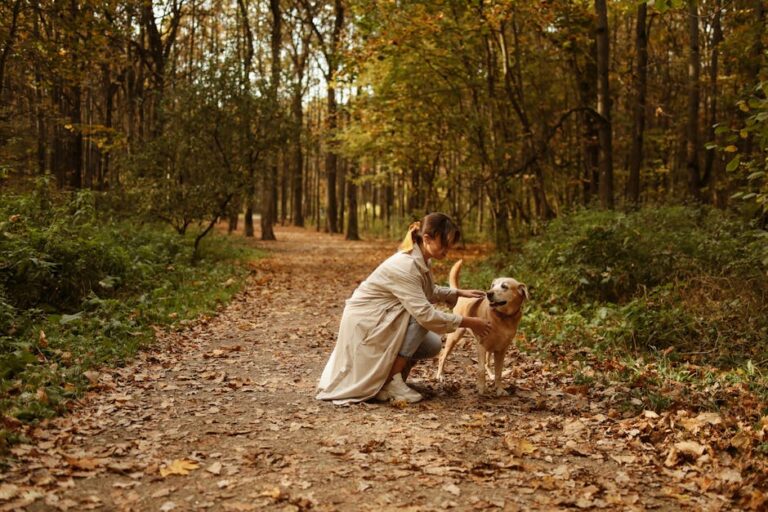
A Border Collie and a Bulldog are not the same math. One was bred to work sheep all day, the other was bred to be a lap warmer with a flat face. Match the activity level to the actual dog standing in front of you, not to some generic “30 minutes a day” rule that ignores breed entirely.
For example, a young Border Collie left without enough exercise starts chewing furniture, not because it’s “bad” but because it’s understimulated. That’s not a training failure. That’s a math failure on the owner’s part.
Water and rest matter more than people think
Fresh water should be available around the clock, full stop. And the bowl needs actual daily cleaning, not just a top-off when it gets low. Bacteria builds up fast in standing water.
Dogs also need real downtime. A tired, overstimulated dog often acts out more, not less, the same way an overtired toddler melts down instead of calming down. Build in quiet time, not just activity time.
Vet Care and Health: What’s Not Optional
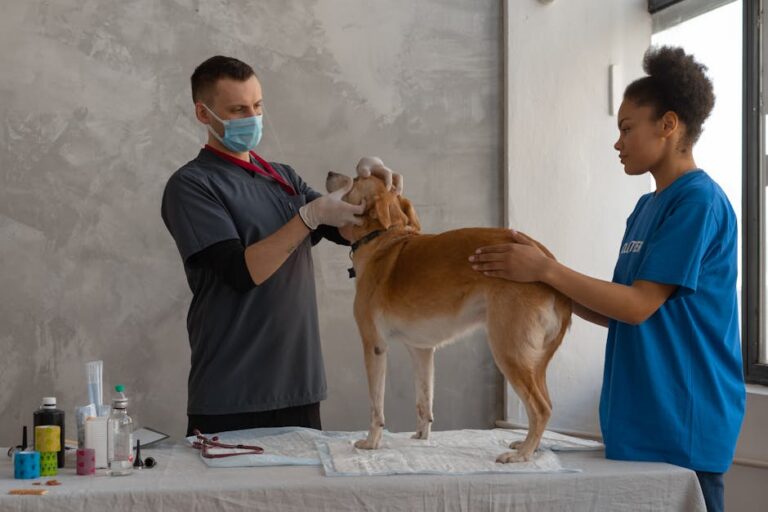
Vet care isn’t a nice-to-have, it’s baseline maintenance. Annual wellness exams, vaccinations, parasite prevention, and dental care are the non-negotiables, and weight management matters more than most owners assume. Skip these and you’re trading small costs now for bigger ones later.
Annual exams catch problems early, before they turn into expensive emergencies. A vet can spot a developing issue months before you’d ever notice something’s wrong at home. That’s the whole point of a checkup: catching things while they’re still cheap and simple to fix.
Vaccinations, parasite prevention, and dental care aren’t extras you add if you’ve got budget left over. They’re baseline. Treat them that way.
Weight is the sneaky one. Most owners eyeball their dog and assume it looks “fine,” but fine isn’t the same as healthy. Ask your vet what a healthy weight looks like for your specific dog’s breed, age, and build rather than guessing based on vibes. And since dogs are living longer with better preventive care, as reflected in recent life expectancy research, that early maintenance pays off over a longer stretch of years than it used to.
Grooming: More Than a Groom and a Bow
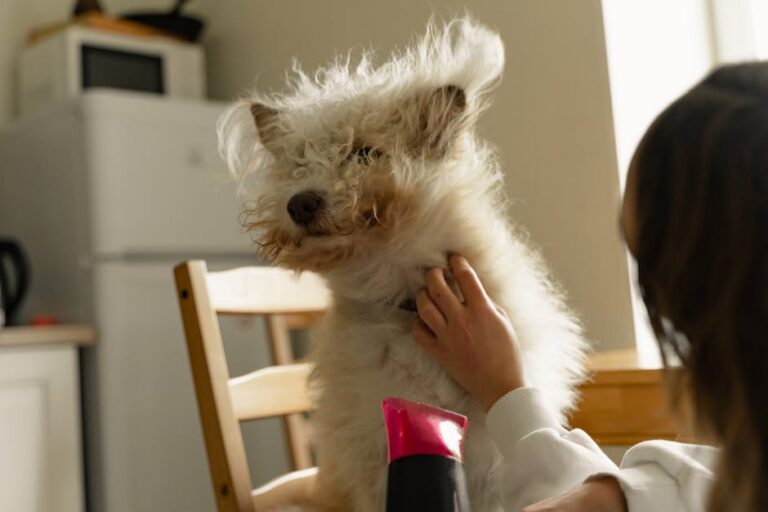
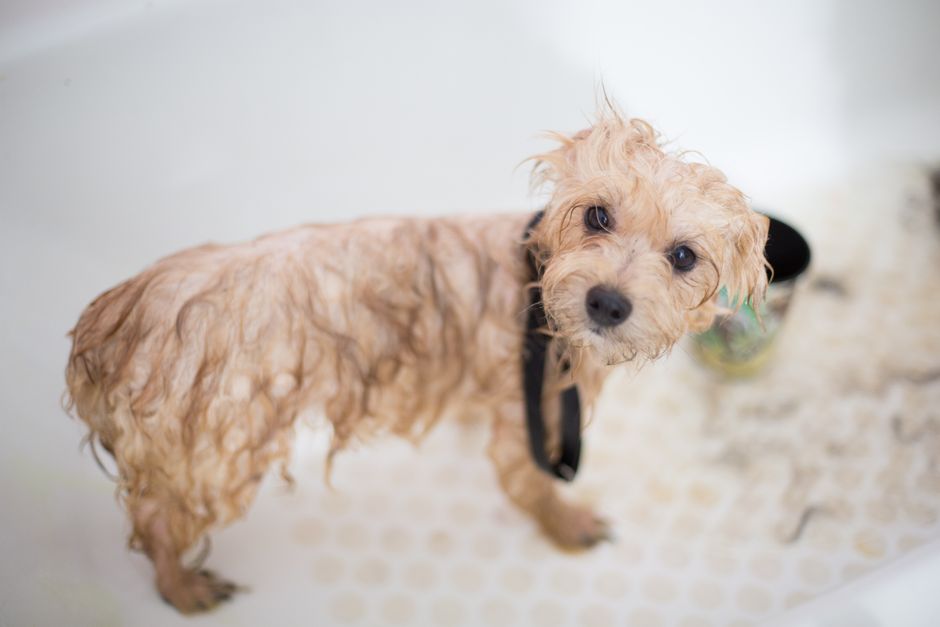
Grooming isn’t about making your dog look cute for photos, it’s health maintenance you’re skipping at your own risk. Regular brushing, nail trims, ear cleaning, and teeth brushing prevent real medical problems, and professional dog grooming techniques go further than anything you’re doing in the bathtub at home.
Why brushing isn’t optional
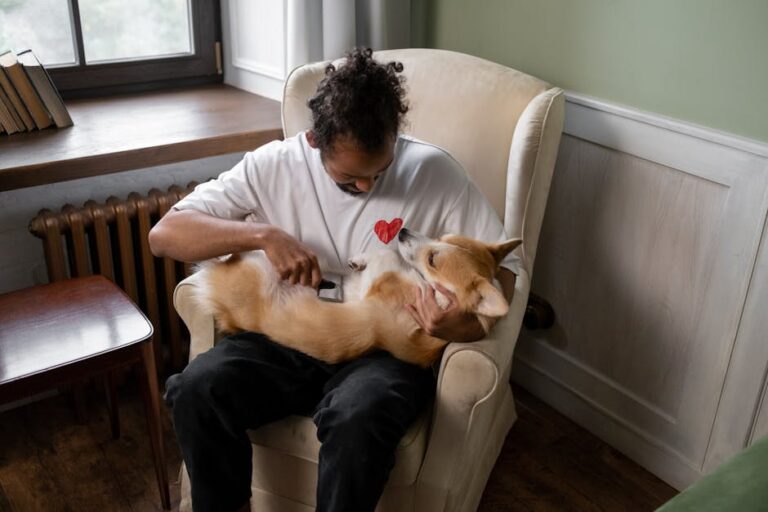
Regular brushing prevents mats, cuts down on the fur tumbleweeds rolling across your floor, and lets you catch skin issues while they’re still small. A five-minute brush session is cheaper than a vet visit for a skin infection that got out of hand.
For example, a double-coated dog like a Husky that only gets bathed and never brushed ends up matted and uncomfortable within weeks. Bathing without brushing on a double coat actually makes things worse, not better, because it locks in the tangles.
The parts owners skip and shouldn’t
Nail trims, ear cleaning, and teeth brushing are the unglamorous corners of grooming that get ignored constantly, though the right approach can turn a wrestling match into a five-minute non-event. Overgrown nails change how a dog walks. Dirty ears turn into infections. Nobody wants to deal with dog teeth brushing, but plaque buildup is a real problem, not a cosmetic one.
Where professionals actually outperform you
Professional dog grooming techniques, like proper de-shedding tools, safe nail dremeling, and breed specific coat cuts, go beyond what a bath at home accomplishes. A groomer isn’t just making your dog photogenic. They’re using tools and training you don’t have.
Long-haired or double-coated breeds usually need a professional groom on a schedule, not just an occasional bath when things get bad. Here’s how the two approaches actually stack up:
| Task | At Home | Professional Groomer |
|---|---|---|
| Brushing/de-shedding | Basic brush, works for short coats | Specialized de-shedding tools for double coats |
| Nail trims | Doable with clippers if dog tolerates it | Dremel tools, safer for dogs who fight nail trims |
| Bathing | Fine for most dogs with dog safe shampoo | Medicated or breed specific shampoos as needed |
| Breed specific coat cuts | Hard to replicate without training | Trained clipper work for breed standard cuts |
| Ear cleaning/checks | Owners can do routine cleaning | Groomers spot infections owners often miss |
What Are the 4 F’s of Dog Behavior?
The 4 F’s are fight, flight, freeze, and fidget, the four instinctive responses a dog defaults to when it’s stressed or overwhelmed. Knowing which one your dog leans toward is how you catch a problem before it turns into a bite, a bolt, or a shutdown.
Fight looks like growling, snapping, or lunging when a dog feels cornered and sees no other way out. It’s not the dog being “aggressive” for no reason, it’s the dog running out of better options.
Flight is the dog trying to bolt or hide from whatever’s stressing it out. A dog that bolts out an open door or wedges itself under the bed during thunder is running this response.
Freeze is a dog going stiff and still, and it’s often misread as “calm” when it’s actually a shutdown. This is the one owners get wrong most often, because a frozen dog looks quiet and well-behaved on the surface.
For example, a dog that freezes and goes still during nail trims is likely showing one of the 4 F’s, not being “calm and cooperative.” That stillness is stress, not compliance, and treating it like good behavior just teaches the dog that freezing is the only thing that makes the scary thing stop.
Fidget shows up as pacing, lip licking, yawning, or displacement behaviors like sudden scratching that comes out of nowhere. It’s the subtlest of the four, and it’s usually the earliest warning sign you get before things escalate to one of the other three.
Recognizing which F your dog defaults to helps you read warning signs before a situation escalates. This isn’t abstract behavioral theory, it’s the practical difference between stepping in early and dealing with a bite report later.
The Bottom Line
Taking care of a dog isn’t complicated, it’s just consistent, the same essential routines we break down in our dog care basics guide for beginners: feed well, move daily, groom regularly, see the vet, and learn to read the stress signals before they turn into bigger problems. Do those things on repeat and you’ve got most of it covered.
Frequently Asked Questions
What’s the single most important thing in taking care of a dog?
If you can only nail one thing, make it consistency, a theme that comes up again and again in our dog care quiz for beginners. Same feeding times, same exercise routine, same rules, because dogs thrive on predictability, not perfection.
How often should I groom my dog?
It depends on the coat. Short-haired dogs might need a bath every couple months and brushing weekly, while long-haired or double-coated breeds often need a professional groom every four to six weeks. Ask your groomer what fits your specific dog.
What are the 4 F’s of dog behavior used for?
Trainers and behaviorists use fight, flight, freeze, and fidget to explain how dogs respond to stress or perceived threats. It helps owners spot early warning signs instead of waiting for a bite or a bolt.
Do I really need a professional groomer, or can I do it all myself?
For basic maintenance, plenty of owners handle it at home just fine. But mats, nail quicks, and breed specific cuts are where professional techniques genuinely outperform a DIY job.
How much exercise does a dog actually need each day?
There’s no single number that fits every dog. A high-energy working breed needs a lot more than a senior lapdog, so base it on your dog’s breed, age, and health rather than a generic rule.