5 Dog Training Exercises That Transform Any Dog Into Your Dream Companion
Every dog owner dreams of a well-behaved companion who walks calmly on a leash, comes when called, and settles peacefully at home. But transforming that dream into reality requires more than wishful thinking—it demands consistent, strategic training exercises that speak your dog’s language. Whether you’re working with an energetic puppy, a newly adopted rescue, or an adult dog with ingrained habits, the right training exercises can unlock your dog’s potential and strengthen your bond. Below, we’ll walk you through proven dog training exercises that address real-world challenges, from basic obedience to complex behavioral issues, giving you the tools to raise a confident, responsive, and happy dog.
1. Foundation Training Exercises Every Dog Should Master
Every reliable dog training exercise builds on a foundation of attention, structure, and repetition. Skip these basics and you’ll spend years fighting the same battles.
The ‘Watch Me’ Command for Building Attention and Focus
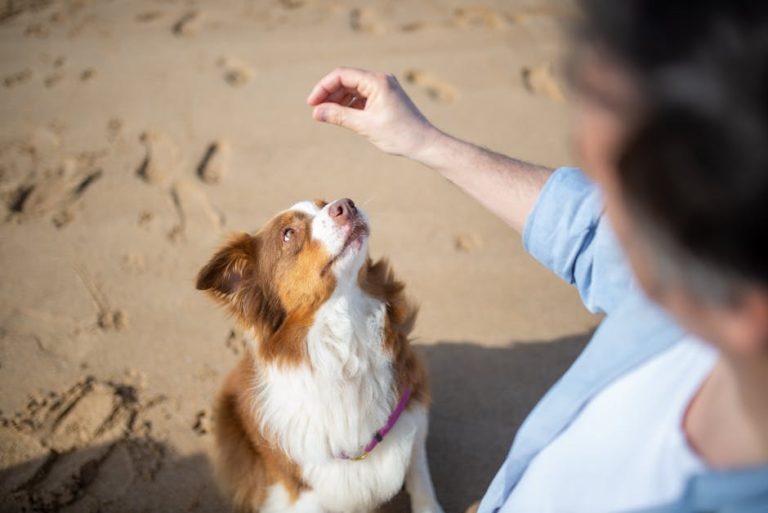
Before your dog can follow any cue, they need to look at you instead of everything else happening around them. Hold a treat near your eyes and say “watch me.” The instant your dog makes eye contact, mark it with a clear “yes” and reward. Practice in low-distraction environments first, then gradually add movement, other people, and outdoor settings.
Perfecting Sit, Stay, and Down with Progressive Difficulty Levels
Most dogs learn a basic sit within a session or two, but true reliability comes from layering difficulty:
- Level 1: Quiet room, no distance, no distractions
- Level 2: Add duration (5, then 15, then 30 seconds)
- Level 3: Add distance (you step back while your dog holds position)
- Level 4: Add distractions (another person walking by, a dropped toy)
Move to the next level only after your dog succeeds four out of five times at the current one.
Teaching a Reliable Recall in Various Environments
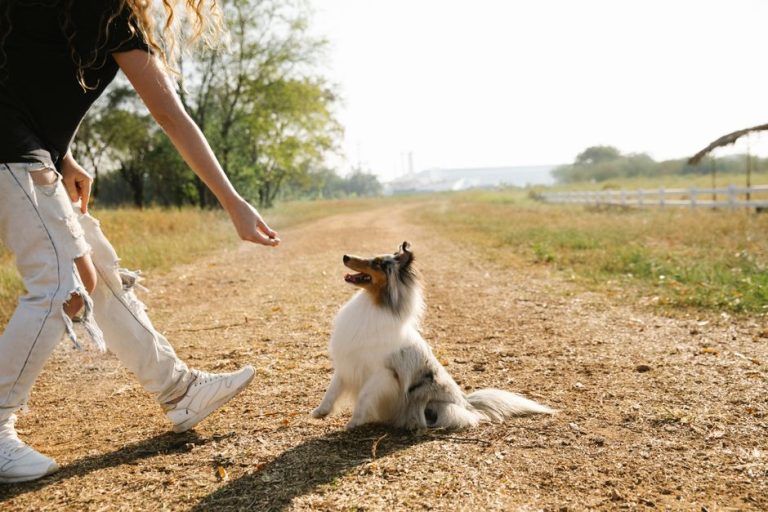
A dog who comes when called in the backyard but ignores you at the dog park doesn’t actually “know” recall—they know a context-specific behavior. Practice your recall word in increasingly distracting environments, always rewarding generously, and never call your dog to you for something unpleasant (baths, nail trims, crate time).
Loose Leash Walking Techniques That Work for Any Dog Size
Whether you’re handling a 90-pound Rottweiler or a 12-pound terrier, the principle is the same: movement stops the instant the leash goes tight, and resumes only when there’s slack. This “be a tree” method takes patience but works across breeds because it removes the reward (forward motion) for pulling.
2. Mental Stimulation Exercises to Prevent Behavioral Problems
Physical exercise tires the body, but mental exercise tires the brain—and a mentally satisfied dog is far less likely to develop destructive habits.
Puzzle Feeding and Food-Dispensing Toys for Cognitive Engagement
Ditch the food bowl a few times a week and use a puzzle feeder or snuffle mat instead. This is especially valuable for working breeds and high-drive puppies who need an outlet before they invent one themselves (usually your couch cushions).
Scent Work and Nose Games for Natural Instinct Fulfillment
We worked with a Border Collie named Scout whose owners were at their wit’s end over chewed furniture and frantic pacing. Instead of more fetch, we introduced structured scent work: hiding treats in muffin tins, then cardboard boxes, then around entire rooms. Within three weeks, Scout’s destructive behavior dropped dramatically because her considerable mental energy finally had somewhere productive to go.
Hide-and-Seek Variations to Build Problem-Solving Skills
Hide yourself, a family member, or a favorite toy, and encourage your dog to search. This builds confidence, reinforces recall, and satisfies the same problem-solving drive that scent work does.
Rotation Schedules to Keep Mental Exercises Fresh and Challenging
Introduce new puzzles every 1-2 weeks and rotate toys in and out of storage so nothing becomes boring or predictable. Novelty is what keeps a dog’s brain engaged.
3. Impulse Control Training for Better Behavior
Impulse control is the skill that separates a chaotic household from a calm one—and it’s teachable at any age.
The ‘Wait’ Command for Doorways, Meals, and Car Exits
Consider a Golden Retriever puppy named Biscuit, notorious for bolting out the front door. His owners taught “wait” using this progression:
- Approach the door with the puppy on leash
- The instant he rushes forward, close the door slightly and reset
- Reward calm behavior at the threshold with a release word (“okay”) before he’s allowed through
Within two weeks of five-minute daily sessions, Biscuit’s door-dashing incidents stopped entirely, and the same wait cue transferred smoothly to mealtimes and car exits.
Leave It Exercises for Safety and Obedience
“Leave it” can prevent your dog from eating something toxic off a sidewalk or lunging at food on a counter. Start with a treat in a closed fist, say “leave it,” and reward attention away from your hand with a different, better treat. Gradually progress to open-hand and floor scenarios.
Teaching Calm Greetings Instead of Jumping on People
Turn your back the instant your dog jumps, and only offer attention when all four paws are on the ground. Consistency from every family member and visitor is non-negotiable here—one person allowing jumping undoes the whole lesson.
Managing Excitement Around Triggers Like Other Dogs or Squirrels
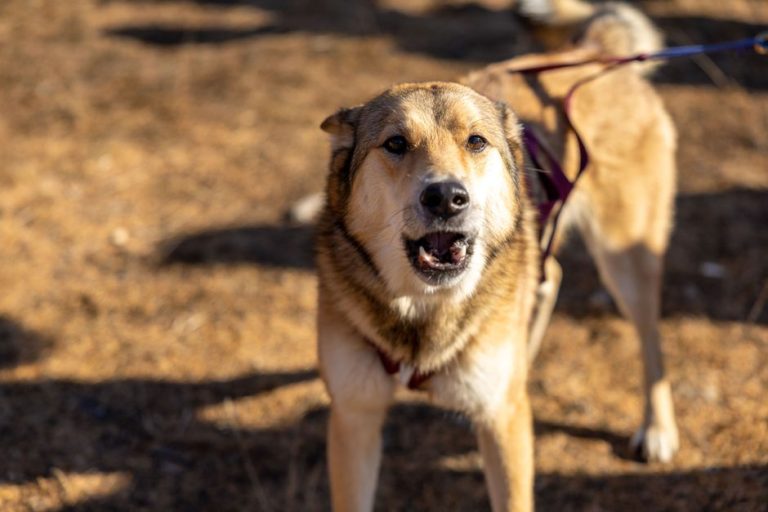
This is where structured desensitization becomes essential. We once worked with a rescue German Shepherd mix named Ranger who was so leash-reactive that walks had become stressful for his entire family. Using a threshold-distance approach—starting far enough from other dogs that Ranger stayed under his reaction threshold, then gradually decreasing distance over eight weeks while rewarding calm behavior—Ranger progressed from lunging and barking to walking calmly past dogs on the sidewalk.
4. Advanced Training Exercises for Confident Dogs
Once foundational obedience and impulse control are solid, it’s time to build reliability under real-world pressure.
Place Training for Settling in Designated Areas
Teach your dog to go to a mat or bed on cue and remain there regardless of what’s happening in the room—doorbells, guests arriving, food being prepared. This exercise is invaluable for managing excitement and giving anxious dogs a predictable safe zone.
Emergency Stop and Drop Commands for Safety
A dog who drops instantly on cue, even mid-run, can be kept safe from traffic or dangerous encounters. Practice this in a fenced yard, rewarding immediate response before ever relying on it in a real emergency.
Distraction-Proofing Your Dog’s Obedience Skills
Take your training show on the road: practice sit, stay, and recall at the park, near traffic, and around other dogs. A command your dog only follows at home isn’t truly trained yet.
Building Duration and Distance in Commands
Extend how long your dog holds a stay and how far you move away, always increasing difficulty incrementally rather than jumping too far ahead.
5. Troubleshooting Common Training Challenges
Even the best-designed dog training exercises hit snags. Here’s how to handle the most common ones.
Working with Fearful or Anxious Dogs During Training Sessions
If you’re training a rescue dog for beginners, patience matters more than pace. A nervous rescue often needs weeks of simply building trust before formal obedience even begins. One eight-week timeline we followed with a fearful rescue started with nothing but calm presence and hand-feeding in week one, progressed to basic sit and watch-me by week three, added short leash walks by week five, and finished with confident recall practice in a quiet park by week eight. Confidence-building always comes before complex commands.
Adjusting Techniques for High-Energy Breeds vs. Low-Energy Dogs
High-drive breeds like Border Collies or Australian Shepherds need shorter, more frequent, higher-intensity sessions, while low-energy breeds may need extra motivation and shorter overall training windows to avoid disengagement.
Maintaining Consistency When Multiple Family Members Are Involved
Write down your household’s cue words and rules, and make sure everyone—kids included—uses identical language and enforcement. Inconsistency is the number one reason training stalls.
Recognizing When to Seek Professional Help vs. Continuing Home Training
If aggression, extreme fear, or resource guarding is present, or if you’re not seeing progress after several weeks of consistent effort, a certified trainer or veterinary behaviorist can save you months of frustration.
Training success is deeply connected to your dog’s overall health and nutrition—a well-fed, physically comfortable dog learns faster and retains more. If you’re raising a powerful, food-motivated breed, choosing the best puppy food for pitbulls with adequate protein and joint support pays dividends during training sessions. Canadian owners searching for the best puppy food in Canada should prioritize brands meeting CVMA and AAFCO nutritional standards to fuel those long training days.
Finally, as your dog ages, staying attuned to their body and behavior remains just as important as training itself. Learning to recognize the signs your dog is dying or seriously ill—changes in appetite, mobility, or responsiveness to cues they’ve always known—ensures you can act quickly and keep your training goals realistic and compassionate throughout every life stage.