Transform Grooming From Chore to Bonding Time: Essential Tips Every Dog Owner Needs
Your dog’s coat tells a story—and regular grooming is one of the most powerful ways to keep that story a happy, healthy one. Whether you’re a first-time dog owner feeling overwhelmed by brushes, nail clippers, and bath time battles, or you’ve been winging it for years and want to refine your technique, mastering the basics of dog grooming doesn’t have to be stressful. With the right approach, tools, and mindset, you can transform grooming from a dreaded chore into quality bonding time that keeps your pup looking great, feeling comfortable, and staying healthier for years to come.
Essential Dog Grooming Tools Every Owner Needs
Building your grooming toolkit doesn’t require breaking the bank, but investing in the right tools makes all the difference between frustrating struggles and smooth sessions that both you and your dog actually enjoy.
Must-Have Brushes and Combs for Different Coat Types
Slicker brushes work wonders for most medium to long-haired breeds, with fine wire bristles that catch loose fur and work through minor tangles. Look for ones with angled bristles and comfortable grips—your hand will thank you during longer brushing sessions.
Pin brushes excel with longer, silkier coats like those on Golden Retrievers or Afghan Hounds. The rounded tips prevent scratching while the widely-spaced pins glide through flowing hair without causing breakage.
Undercoat rakes become essential tools during shedding season for double-coated breeds. These specialized combs reach through the topcoat to remove the loose undercoat that otherwise ends up covering your furniture and clothes.
For short-haired breeds, a good rubber grooming mitt or bristle brush removes loose hair while distributing natural oils for a healthy shine.
Nail Trimming Essentials
Choose between guillotine-style clippers for smaller dogs or scissor-type clippers for larger breeds. Many professional groomers prefer scissor-type clippers because they provide better control and create cleaner cuts.
Nail grinders offer an alternative that many dogs tolerate better than clippers, though they require patience as you gradually file down each nail. The key advantage? Less risk of cutting too much at once.
Always keep styptic powder on hand. Even experienced groomers occasionally nick the quick, and this powder stops bleeding quickly while your dog remains calm.
Bath Time Basics
Never use human shampoo on your dog—their skin pH differs significantly from ours. Dog-specific shampoos maintain the proper acid balance while addressing specific needs like sensitive skin, excessive shedding, or odor control.
High-velocity dryers dramatically reduce drying time for thick-coated breeds, but regular blow dryers on cool settings work fine for most dogs. Microfiber towels absorb more water than regular towels and help speed the process.
Budget-Friendly Starter Kits vs. Professional-Grade Tools
Start with mid-range tools rather than the cheapest options. A $15 slicker brush that stays sharp and comfortable beats a $5 version that frustrates you and your dog. However, you don’t need $200 professional shears unless you’re doing complex cuts.
Invest in quality for tools you’ll use frequently—nail clippers and your primary brush—while starting with basic versions of specialty items you’ll use occasionally.
Brushing Techniques That Work for Every Coat Type
The secret to effective brushing lies in understanding your dog’s specific coat and adapting your technique accordingly, rather than using the same approach for every dog.
Short-Haired Breeds
Beagles, Boxers, and similar breeds need weekly brushing to remove loose hair and distribute oils. Use firm, confident strokes with a bristle brush or rubber mitt, working from head to tail in the direction of hair growth.
Even though their coats seem low-maintenance, regular brushing prevents excessive shedding and helps you spot skin issues early. These sessions typically take just 5-10 minutes but make a noticeable difference in how much hair ends up around your house.
Long-Haired and Double-Coated Breeds
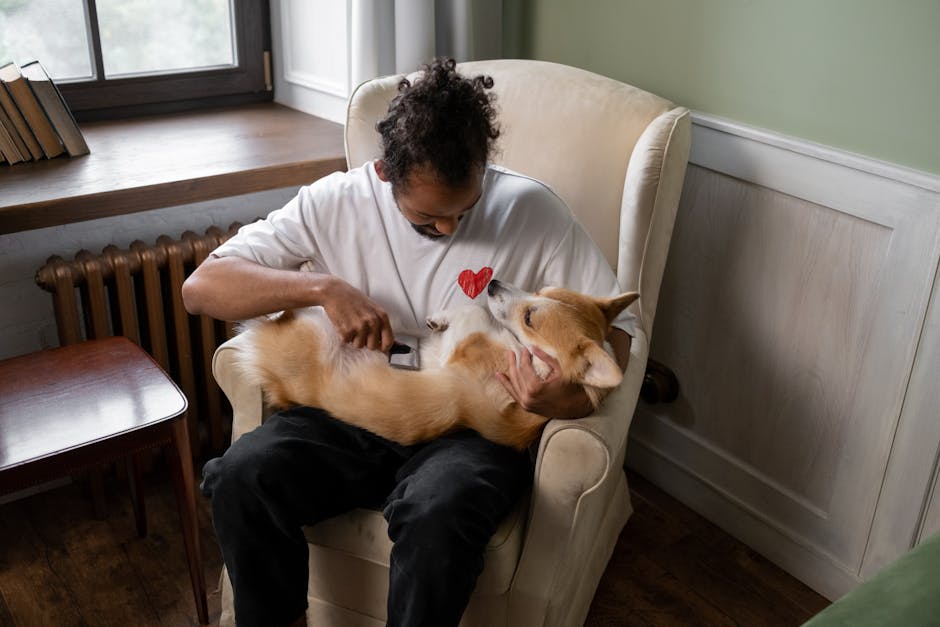
Bernese Mountain Dogs and Golden Retrievers require daily brushing to prevent mats and manage seasonal shedding. During spring and fall coat blowouts, expect to spend 15-20 minutes daily with an undercoat rake, working systematically through each section.
Start with an undercoat rake to remove loose fur from the dense underlayer, then follow with a slicker brush for the topcoat. Work in small sections, brushing down to the skin rather than just skimming the surface.
Pay extra attention to areas where mats form easily: behind the ears, under the legs, around the collar area, and where the legs meet the body.
Curly and Wire-Haired Coats
Poodles and Terriers need different approaches. Poodle coats continue growing and require regular professional grooming, but daily brushing with a slicker brush prevents mats between appointments.
Wire-haired terriers benefit from hand-stripping or specialized stripping tools to maintain their coat texture, though many pet owners opt for regular clipping instead.
Creating Positive Associations
Start slowly with anxious dogs. Let them sniff and investigate the brush before using it. Begin with gentle strokes on areas they enjoy being petted—usually the chest or shoulders—before moving to more sensitive areas.
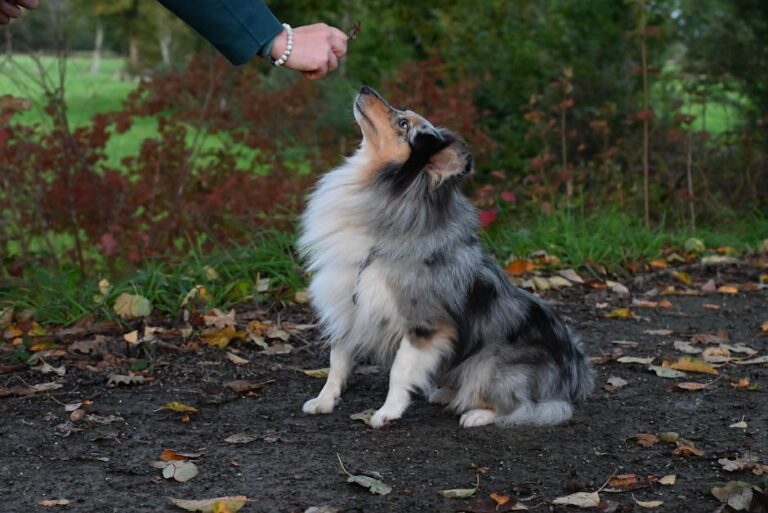
Keep initial sessions short and reward calm behavior with treats and praise. Many dogs learn to love brushing time when it’s associated with gentle attention and positive experiences.
Mastering Bath Time Without the Drama
Preparation makes bath time smoother for everyone involved, turning a potentially stressful experience into a manageable routine.
Pre-Bath Preparation
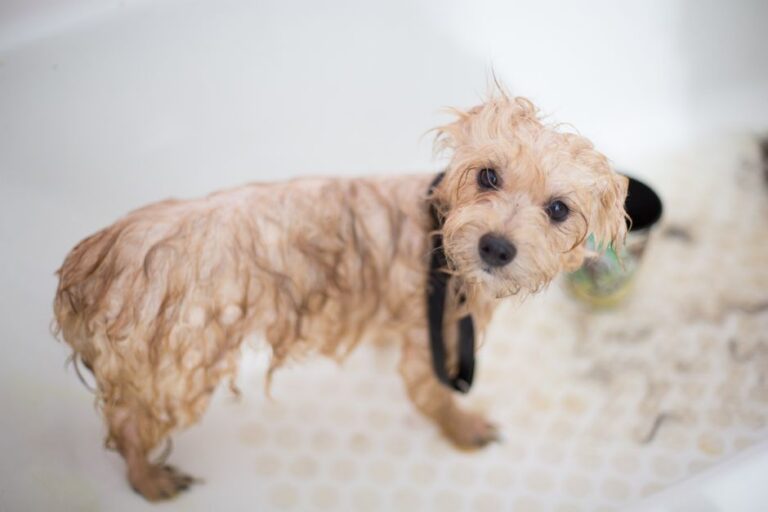
Always brush thoroughly before bathing. Wet mats tighten and become nearly impossible to remove without cutting, so address any tangles first.
Place cotton balls gently in your dog’s ears to prevent water from entering the ear canal, which can lead to infections. Set up everything you need within arm’s reach: shampoo, towels, and treats for cooperation.
Water Temperature and Technique
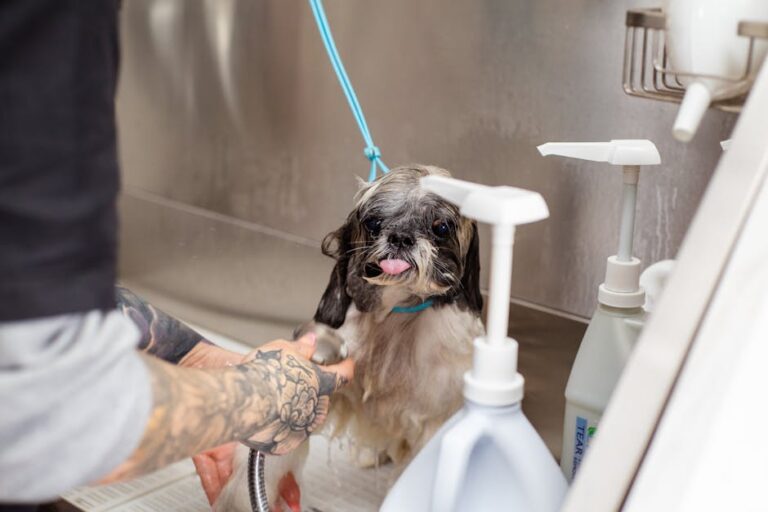
Use lukewarm water—what feels slightly cool to your hand feels comfortable to your dog. Start wetting from the neck down, avoiding the face initially. Many dogs tolerate baths better when you wet them gradually rather than soaking them immediately.
Work shampoo into a lather and massage thoroughly down to the skin. Don’t just wash the surface hair; the skin needs cleaning too.
Thorough Rinsing
This step determines whether your dog develops skin irritation later. Rinse until the water runs completely clear, then rinse again. Leftover soap residue causes itching, hot spots, and skin problems that can take weeks to resolve.
Pay special attention to thick areas like the chest and rear legs where soap tends to hide.
Drying Strategies
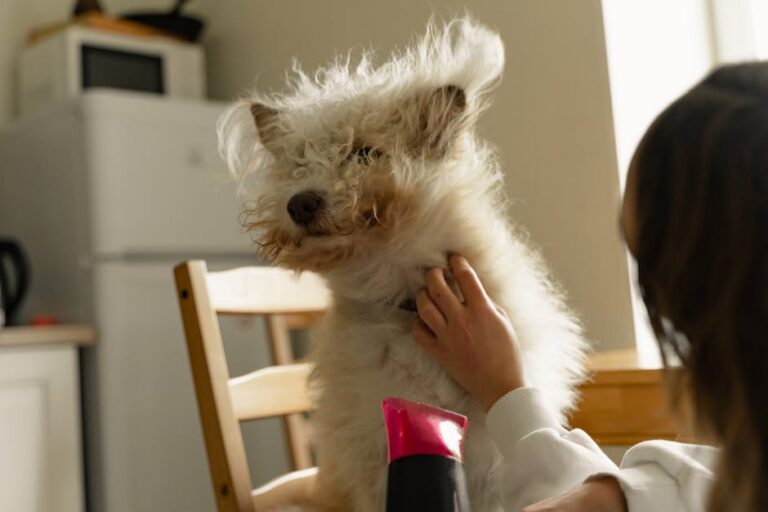
Squeeze out excess water gently before towel drying. For thick-coated breeds, blow drying on a cool setting speeds the process and prevents the musty smell that develops when dense coats stay damp too long.
Never leave thick-coated dogs to air dry completely—trapped moisture against the skin creates perfect conditions for hot spots and skin infections.
Nail Trimming and Paw Care Made Simple
Most dogs need nail trims every 3-4 weeks, though this varies based on activity level and surface types they walk on regularly.
Identifying the Quick
In light-colored nails, the pink quick shows clearly through the nail. Cut just before where the pink begins. Dark nails require more caution—cut small amounts gradually, watching for a small dark circle in the center of the nail that indicates you’re approaching the quick.
Step-by-Step Trimming Process
Hold your dog’s paw firmly but gently, extending the nail by pressing on the paw pad. Cut at a 45-degree angle, taking off just the sharp tip initially. For dogs comfortable with the process, you can cut closer to the quick.
If you accidentally cut the quick, apply styptic powder immediately and remain calm. Your reaction influences your dog’s stress level more than the brief discomfort from the nick.
Desensitization Training
Start handling your dog’s paws during calm moments, not just during nail trims. Touch each toe, apply gentle pressure to extend nails, and reward calm acceptance.
Take a nervous Chihuahua, for example—initial nail trim attempts might involve wrestling and stress for everyone. But spending two weeks practicing paw handling for just 30 seconds daily, with treats for calm behavior, often transforms the experience completely.
Between-Trim Maintenance
Check paw pads regularly for cuts, foreign objects, or excessive hair growth that can trap debris. Trim hair between pads carefully with blunt-tipped scissors to prevent matting and improve traction.
Troubleshooting Common Grooming Challenges
Even experienced dog owners encounter grooming obstacles that require patience and modified approaches.
Dealing with Matted Fur
Work mats out gradually using a mat splitter or slicker brush, starting from the edges and working toward the center. Hold the base of the mat close to the skin to prevent pulling and discomfort.
For severe matting—like rescue dogs who’ve gone months without grooming—sometimes cutting mats out safely becomes necessary. Make small cuts parallel to the skin, never cutting toward your dog.
Managing Heavy Shedding
During peak shedding seasons, daily brushing with an undercoat rake dramatically reduces the amount of hair covering your home. Golden Retriever owners often discover that 10 minutes of daily brushing during spring shed season prevents hours of cleanup later.
High-quality nutrition also impacts shedding intensity. Dogs fed premium diets with adequate omega fatty acids typically shed less and have healthier coats overall.
Grooming Anxious or Reactive Dogs
Break grooming into smaller sessions rather than attempting everything at once. An anxious dog might tolerate five minutes of brushing daily better than one overwhelming 30-minute session weekly.
Use high-value treats during grooming—special rewards that only appear during these sessions help create positive associations.
Recognizing When to Seek Professional Help
Severe matting, complex breed-specific cuts, or dogs with extreme anxiety about grooming often require professional intervention. Mobile groomers can be especially helpful for anxious dogs who find the home environment less stressful than busy grooming shops.
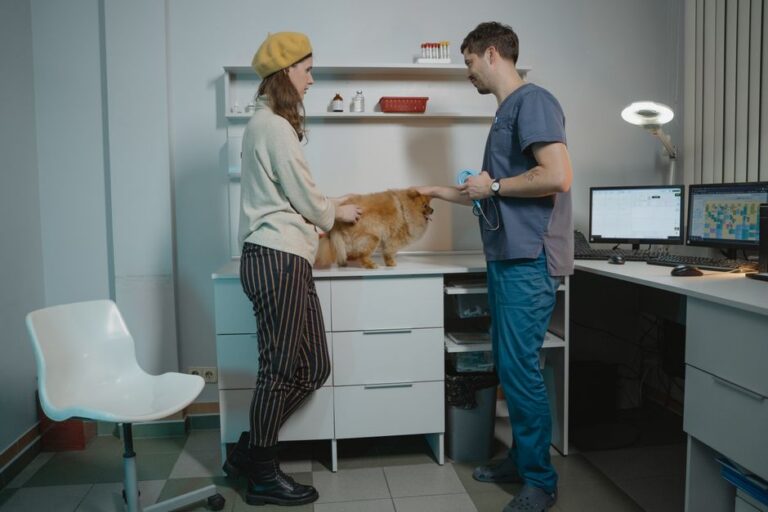
Professional groomers also spot health issues you might miss—skin conditions, unusual lumps, or ear infections that need veterinary attention, making professional-level grooming skills valuable to develop at home.
Regular grooming keeps your dog comfortable, healthy, and looking their best while strengthening the bond between you. Start with basic tools and techniques, build positive associations gradually, and remember that consistency matters more than perfection. Your dog’s coat will tell the story of your care and attention for years to come.