What Is the Healthiest Thing to Feed My Dog? The Basics That Actually Matter
Walk down any pet food aisle and you’ll see fifty bags all screaming that they’re the healthiest option for your dog. Here’s the truth: the healthiest thing you can feed your dog isn’t a magic brand, it’s a short list of basics done right, day after day. Get those fundamentals down—the kind covered in a complete dog care basics guide that cuts through online confusion—and you’ll spend a lot less time worrying about kibble marketing and a lot more time enjoying a dog who feels genuinely good.
Key Takeaways
- A complete, balanced commercial diet beats any single “superfood” you sprinkle on top.
- Look for an AAFCO statement on the label before you look at the ingredient list.
- Fresh, dog-safe produce can be a smart add-in, but it’s never the main event, a balance similar to the 90-10 rule that transforms dog health care.
- Good nutrition is one piece of a bigger puzzle that includes exercise, training, and vet care.
- Skip the fad trends and stick to what’s actually been tested to keep dogs healthy long term.
So What Is the Healthiest Thing to Feed My Dog, Really?
The healthiest food for your dog is a diet that’s complete and balanced for their life stage, full stop. Not exotic. Not trendy. Not the bag with the wolf howling on it. Just a food that actually delivers the right protein, fat, carbs, vitamins, and minerals in the right ratios, every single meal.
That’s it. That’s the whole secret.
A balanced dog diet needs protein, fats, carbohydrates, vitamins, minerals, and water working together, not one hero ingredient carrying the whole show. Growing puppies have higher demands too: the dietary protein requirement for a growing dog runs around 22.5%, while adult maintenance needs sit lower. That gap is exactly why a food built for one life stage can quietly shortchange a dog in another.
Here’s where we’ll be blunt: DIY raw diets and homemade recipes pulled off the internet are risky unless a veterinary nutritionist actually built the recipe, which is exactly why the science-backed approach to dog nutrition that vets actually recommend matters so much. Consider a beginner owner who reads that raw meat is “what dogs are meant to eat” and builds a whole diet around it with no supplementation.
Months later, that dog can end up low on calcium and other nutrients that a proper commercial diet would have covered without a second thought. That’s not a scare tactic, it’s just how nutrient gaps happen.
And portions matter as much as the food itself. A high-quality bag of kibble fed in too-generous scoops is still going to pack on weight. Great ingredients don’t cancel out an overfull bowl.
What Should Actually Be on the Ingredient List?
The best dog food ingredient lists lead with a named animal protein, include real fats for skin and coat, and skip the junk fillers—all without requiring you to overspend, since you can absolutely feed your dog excellent nutrition without breaking the bank. If you can’t picture the actual food behind an ingredient name, that’s a red flag worth noticing.
Here’s what “good” looks like in practice.
Named proteins first. Chicken, beef, salmon, lamb, something specific. Vague terms like “meat by-products” as the headline ingredient tell you the company isn’t being straight with you. Adult food should have at least 18 percent protein, and puppy or pregnant-dog formulas need more than that.
Healthy fats. Fish oil and flaxseed show up for a reason. They support skin and coat health and help joints stay happy, especially as your dog ages.
Smart, small add-ins. Blueberries, carrots, pumpkin, green beans. These aren’t nutritional powerhouses on their own, but they add fiber and a little variety without wrecking the calorie count.
Grain sources vary in quality too. Some studies have found that particular grain-free formulas showed the highest values in total dietary fiber and crude protein compared to cereal grains like corn and rice. That’s a good reminder that “grain-free” and “grain-inclusive” both cover a wide quality range depending on the actual formula.
What to skip. Excessive salt, artificial dyes, and a long tail of unpronounceable additives near the bottom of the list. If the ingredient panel reads like a chemistry set, put the bag back.
How Does Feeding Fit Into the Top 10 Things a Dog Needs?
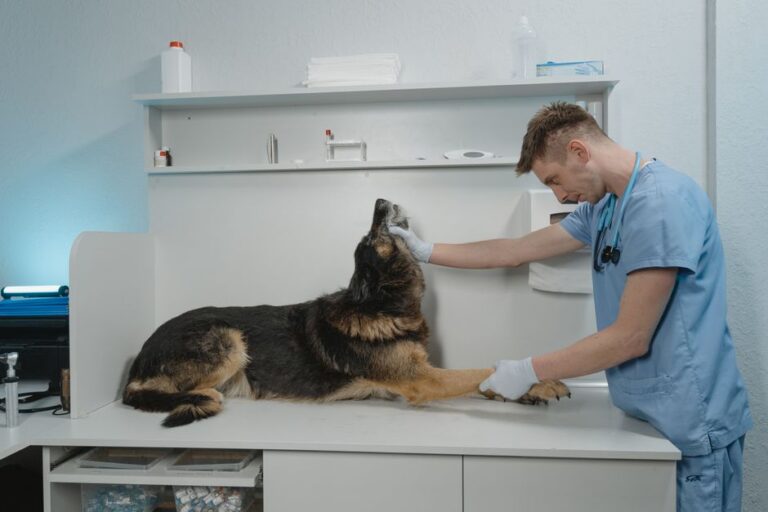
Food is one piece of the puzzle, not the whole puzzle—see the complete beginner’s guide to taking care of a dog for the rest of it. A dog needs roughly ten things to actually thrive: quality nutrition, clean water, shelter, daily exercise, enough sleep, regular vet care, consistent training, socialization, grooming, and genuine love and attention.
Skip one of those and the others start to wobble.
Picture a Labrador on an excellent, vet-approved commercial diet who still packs on extra weight because the owner never adjusted portions after switching from puppy food to adult food. The food itself wasn’t the problem. The gap between “great diet” and “actually healthy dog” was exercise, portion awareness, and follow-through.
That’s the real lesson here: nutrition is the foundation, not the finish line. A dog eating perfectly but stuck inside all day with zero training and no walks isn’t a healthy dog. He’s a well-fed, understimulated one, and those aren’t the same thing.
How to Take Care of a Dog Step by Step, Starting With the Bowl
Taking care of a dog starts with a food that matches their age, size, and activity level, then builds outward with a steady schedule, regular check-ins on their body condition, and everything else layered on top. Skip steps and you’ll be troubleshooting problems that better basics would’ve prevented.
Step 1: Pick a complete and balanced food. Match it to your dog’s age, breed size, and activity level. A senior couch potato and a young working breed have very different needs, even at the same weight.
Step 2: Build a consistent feeding schedule. Most adult dogs do best on two meals a day, spaced out, at roughly the same times, one of the essential routines outlined in dog care basics for beginners. Consistency helps digestion and makes it obvious fast if your dog suddenly goes off their food.
Step 3: Check weight and coat monthly. Run your hands along their ribs. Look at coat shine. Adjust portions the moment you notice drift in either direction, don’t wait for a vet visit to catch what you could’ve caught at home.
Step 4: Layer in the rest. Exercise, training, grooming, and vet checkups all need to work alongside the food bowl, not after it, the same daily-routine thinking behind mastering dog care from the 90/10 rule to daily routines that actually work. Nutrition fed in isolation, without a dog that’s also moving and getting attention, only gets you halfway there.
Here’s how the common feeding approaches stack up, since this is where a lot of owners get stuck comparing options:
| Feeding Approach | What It Offers | What to Watch For |
|---|---|---|
| Commercial complete & balanced kibble/wet food | Formulated to meet full nutrient needs for life stage; convenient and consistent | Quality varies widely by brand; check for AAFCO statement |
| Homemade diet | Full control over ingredients | High risk of nutrient gaps without a vet nutritionist’s recipe |
| Raw diet | Some owners report shinier coats | Nutrient imbalance risk and foodborne pathogen concerns; needs careful sourcing |
| Fresh food add-ins (fruits/veggies) | Extra fiber, hydration, antioxidants in small amounts | Should stay under about 10% of total daily calories |
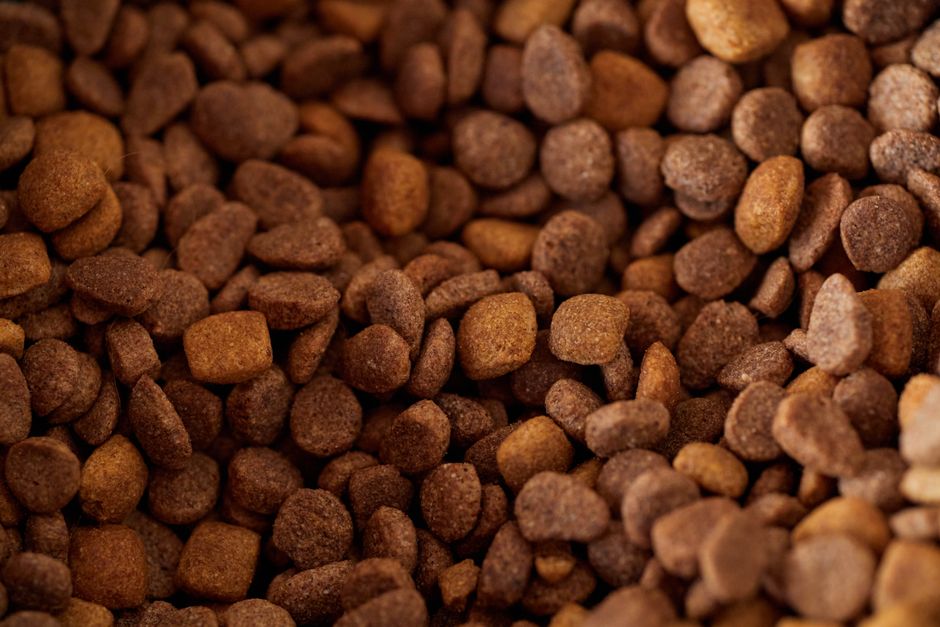
Notice that commercial complete and balanced food is the only option on that list without a serious asterisk attached. That’s not a coincidence. Most owners already lean this direction anyway: 81% of surveyed dog owners reported feeding kibble as the primary diet component, and that instinct tends to hold up well.
How to Take Care of Dogs for Beginners: The Non-Negotiables
If you’re brand new to dog ownership, nail three things before anything else: reliable food and water, a real relationship with a vet, and basic training—the kind of real answers you’ll find in dog care tips for beginners. Everything else, the fancy gear, the trendy treats, the Instagram-worthy setup, can wait.
Start simple. Get the feeding routine locked in. Make sure clean water is always available, not just topped off occasionally. Then find a vet you trust and actually call them instead of trusting whatever ranking site shows up first in a search.
Training matters more than most beginners expect. A well-behaved dog is a safer dog, and a safer dog is easier to keep healthy in the first place. That’s where the 7 most important dog commands that actually save lives come into play: sit, stay, come, down, heel, off, and leave it. Nail those seven and you’ve got a dog who’s manageable in nearly any situation, from a busy vet waiting room to a chaotic backyard barbecue.
Nutrition and training aren’t separate projects, either. A dog who knows “leave it” isn’t going to raid the trash for something toxic. A dog who reliably “comes” isn’t going to bolt toward a dropped chicken bone at a cookout. Good training protects the good nutrition you’re working so hard to provide.
One more thing worth saying plainly: don’t outsource your dog’s health decisions to internet rankings. Ask your actual vet about brand and portion recommendations for your specific dog. A “best dog food of 2026” listicle doesn’t know your dog’s weight, activity level, or medical history. Your vet does.
The Bottom Line
The healthiest thing you can feed your dog isn’t a secret ingredient, it’s a complete, balanced diet fed in the right amount, backed up by exercise, training, and regular vet checkups. Nail those basics and you’ve done more for your dog’s health than any trendy food fad ever could.
Frequently Asked Questions
Can I just feed my dog human food to keep things healthy?
Some human foods are fine in small amounts, like plain cooked chicken or pumpkin. But a diet built mostly around table food usually isn’t balanced. Stick to a complete commercial diet as the base and treat human food as an occasional extra, not a replacement.
Is grain-free food healthier for my dog?
Not automatically. Grain-free became trendy, but there’s no solid evidence it’s healthier for dogs without a diagnosed grain allergy, and some grain-free diets have been linked to heart issues in ongoing research. Talk to your vet before switching, don’t just follow the marketing.
How do I know if my dog’s food is actually working?
Look at coat shine, energy level, stool quality, and steady weight within a healthy range. Those are your everyday signals. If something’s off for more than a week or two, that’s a vet visit, not a guessing game you try to solve with another bag switch.
Do puppies need different food than adult dogs?
Yes. Puppies need food formulated for growth, with different calorie and calcium levels than adult maintenance food. Feeding an adult formula to a growing puppy can shortchange their development at exactly the wrong time.
How many of the top dog commands should a beginner focus on first?
Start with sit, stay, and come, since those cover most everyday safety situations you’ll actually run into. You can layer in down, heel, off, and leave it once the basics are solid and your dog is reliable on the first three.