Dog Care Tips for Beginners: The Real Answers Behind Every Pet Care Basics Quiz
Bringing home a new dog is equal parts exciting and overwhelming—one minute you’re picking out the perfect collar, the next you’re frantically Googling whether chocolate is really that dangerous (it is) or how often puppies actually need to eat. If you’ve landed here after searching pet care basics exam answers for a PetSmart class or scrolled Reddit threads looking for pet care basics exam answers, you’re already doing the right thing: seeking real knowledge instead of just memorizing test answers. This guide breaks down the essential dog care tips for beginners you need to raise a healthy, happy, well-behaved dog—no certification required, just practical know-how you can start using today.
Pet Care Basics 101: What Every New Dog Owner Needs to Know
Every pet care basics exam, whether it’s a formal PetSmart certification or a self-taught crash course, boils down to five pillars: nutrition, exercise, grooming, health, and training. Miss one, and the others suffer. A dog who’s well-fed but never exercised gets destructive. A dog who’s trained but never groomed develops painful mats and skin issues.
The problem with memorizing exam answers is that real dogs don’t read the textbook. Your retriever mix might need double the exercise a chart suggests. Your senior chihuahua might need a completely different feeding schedule than her breed’s “standard” recommendation. Understanding why a rule exists lets you adapt it when your specific dog doesn’t fit the mold.
Dog-Proofing Before Your Pup Arrives
Before your dog’s first day home, walk through each room at floor level (literally get on your knees) and look for:
- Loose cords and cables
- Small objects that could be swallowed
- Toxic plants (pothos, lilies, and sago palms are common culprits)
- Trash cans without locking lids
- Gaps under fences or furniture where a puppy could get stuck
Your First 30 Days: A Simple Daily Checklist
Here’s a realistic framework for an 8-week-old puppy’s first month:
Week 1: Vet visit scheduled within 72 hours, crate introduced,
        feeding schedule established, house rules set
Week 2: Potty training routine solidified, basic name recognition,
        first grooming session (short, positive)
Week 3: Begin sit/stay training, start supervised socialization
        with vaccinated dogs
Week 4: Vet check-in for second vaccine round, expand exercise,
        introduce leash walks in low-distraction areas
This isn’t about perfection—it’s about consistency, which matters more to a new puppy than any single “correct” answer.
Feeding Your Dog Right: Nutrition Fundamentals for Beginners
Choosing Age-Appropriate Food
Puppies, adults, and seniors have genuinely different nutritional needs, not just marketing labels. Puppy formulas contain higher protein and fat for growth. Senior formulas typically reduce calories while adding joint-support ingredients like glucosamine. Feeding an adult formula to a growing puppy can stunt development; feeding puppy food to a senior dog contributes to unnecessary weight gain.
Feeding Schedules and Portion Control
- Puppies (8-12 weeks): 4 meals daily
- Puppies (3-6 months): 3 meals daily
- Adults: 2 meals daily
- Seniors: 2 smaller meals, adjusted for activity level
Skip free-feeding. Scheduled meals help with potty training predictability and prevent the slow creep of obesity that affects roughly half of American dogs, according to veterinary nutrition data.
Foods That Are Toxic to Dogs
This is where “exam answers” become genuinely life-saving knowledge. Compare these two common household scares:
If your dog eats grapes: Even a small amount can cause acute kidney failure. There’s no “safe” threshold. Call your vet or an animal poison control hotline immediately—don’t wait for symptoms like vomiting or lethargy to appear.
If your dog eats chocolate: Toxicity depends on the type and amount. Dark and baking chocolate are far more dangerous than milk chocolate. Symptoms include restlessness, elevated heart rate, and tremors. Still, treat every chocolate ingestion as an emergency call, not a wait-and-see situation.
Other toxic offenders: onions, garlic, xylitol (found in sugar-free gum and peanut butter), and macadamia nuts.
Reading Dog Food Labels Like a Pro
Look for the AAFCO statement—it confirms the food meets nutritional adequacy for a specific life stage (growth, maintenance, or all life stages). A bag stating “complete and balanced for growth” is formulated differently than one labeled “for maintenance.” This single sentence tells you more than any marketing claim on the front of the bag.
Grooming and Hygiene Basics That Prevent Bigger Problems
Brushing by Coat Type
- Short coats (Labs, Beagles): Weekly brushing
- Double coats (Huskies, Corgis): 2-3 times weekly, daily during shedding season
- Long or curly coats (Poodles, Shih Tzus): Daily brushing to prevent matting
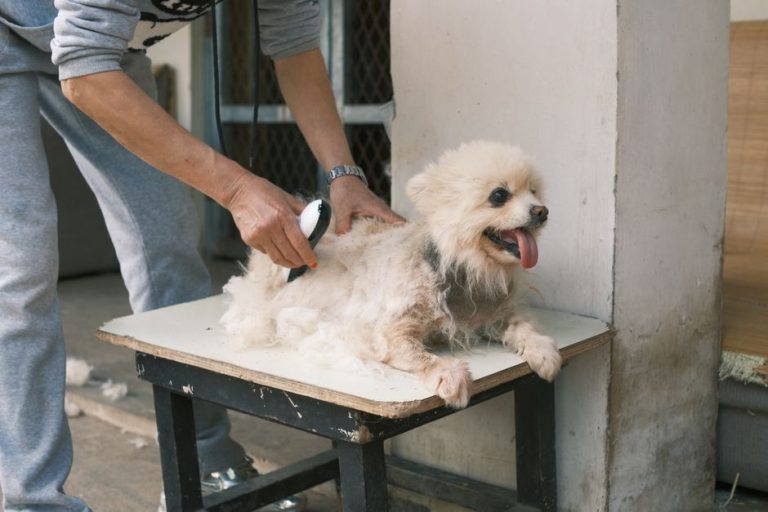
Skipping brushing doesn’t just create a messy house—matted fur traps moisture against the skin, leading to hot spots and infections.
The Routines Beginners Skip
Nail trims, ear cleaning, and dental care are the three grooming tasks new owners neglect most:
- Nails: If you hear clicking on hardwood floors, they’re too long. Overgrown nails alter a dog’s gait and can cause joint pain.
- Ears: Check weekly for redness or odor, especially in floppy-eared breeds prone to yeast infections.
- Teeth: Daily brushing is ideal; even 3x weekly significantly reduces tartar buildup and future dental disease.
The Over-Bathing Myth
Bathing your dog every week seems responsible, but it strips natural oils and can trigger dry, itchy skin. Most dogs do fine with a bath every 4-6 weeks unless they’ve rolled in something unfortunate. Use dog-specific shampoo—human products disrupt their skin’s pH balance.
What to Watch For
During every grooming session, run your hands over your dog’s body checking for lumps, hot spots, flea dirt (small black specks), or ticks. Early detection during a routine brush-out has caught countless skin infections and parasites before they became serious.
Health Care Essentials: Vet Visits, Vaccines, and Warning Signs
Puppy Vaccination Schedule
Core vaccines protect against diseases that are often fatal and highly preventable:
- 6-8 weeks: DHPP (distemper, hepatitis, parainfluenza, parvovirus)
- 10-12 weeks: DHPP booster, possibly leptospirosis
- 14-16 weeks: Final DHPP booster, rabies vaccine
Skipping boosters isn’t a shortcut—it’s a gamble with diseases like parvovirus, which has a survival rate under 10% without treatment in untreated puppies.
Annual Wellness Exams
Once fully vaccinated, dogs need yearly checkups covering weight assessment, dental evaluation, heartworm testing, and vaccine boosters as needed. These visits catch subtle issues—like early kidney changes or joint stiffness—long before they become visible symptoms.
Emergency Symptoms Requiring Immediate Care
Call your vet or emergency clinic immediately if you notice:
- Lethargy lasting more than 24 hours
- Repeated vomiting or diarrhea
- A visibly bloated or distended abdomen (a potential sign of GDV/bloat, which is fatal within hours if untreated)
- Difficulty breathing
- Pale gums
Prevention Basics Beginners Overlook
Year-round flea, tick, and heartworm prevention matters even in colder climates or indoor-only dogs. Heartworm is transmitted by mosquitoes, which can slip indoors, and fleas survive in home environments regardless of season.
Training and Behavior: Building Good Habits from Day One
Why Positive Reinforcement Wins
Reward-based training builds trust and speeds up learning because dogs repeat behaviors that earn good outcomes. Punishment-based methods often suppress behavior temporarily while increasing fear or anxiety, which can create bigger behavioral problems down the road.
Basic Commands to Teach First
Start with these four, in this order:
- Sit – foundational for impulse control
- Stay – builds patience and safety
- Come – critical for recall safety
- Leave it – prevents dangerous scavenging
Keep sessions to 5-10 minutes, multiple times daily. Short, frequent sessions beat long, exhausting ones.
Crate and Potty Training Timelines
Most puppies achieve reliable potty training between 4-6 months, though full bladder control can take longer for smaller breeds. Use the crate as a safe den, not punishment—introduce it gradually with meals and treats inside before closing the door.
A typical beginner’s daily routine might look like:
6:30 AM - Wake, immediate potty break, breakfast
7:00 AM - Short training session
12:00 PM - Lunch break potty + feeding
5:30 PM - Evening walk/exercise, dinner
8:00 PM - Final potty break before crate/bedtime
Socialization Windows Matter
The critical socialization period (roughly 3-14 weeks) is when puppies form lasting impressions about what’s “normal” and safe. Positive exposure to new people, sounds, surfaces, and other vaccinated dogs during this window significantly reduces fear-based reactivity later in life. Waiting until vaccines are fully complete to start socializing often means missing this crucial developmental window—talk to your vet about safe, controlled exposure options in the meantime.
Real dog care isn’t about acing a quiz—it’s about applying these fundamentals consistently, adjusting as your dog’s needs change, and knowing when to trust your instincts over a memorized answer sheet.