PetSmart Dog Training: Is It Worth It for Puppies and Rescue Dogs?
You just signed up for a PetSmart puppy class, or you’re eyeing one for the two year old rescue dog snoring on your couch, and you want to know if it’s actually worth the money. Short answer: it can be, but only if you know what you’re walking into and you don’t expect the trainer to do all the work for you. Let’s break down what PetSmart training really delivers, where it falls short, and what you need to be doing at home no matter who’s holding the leash.
Key Takeaways (the short version)
- PetSmart classes teach solid basics like sit, stay, and loose leash walking in a group setting.
- A rescue dog around two years old needs patience with existing habits, not a blank slate puppy program.
- Group classes will not fix serious fear, aggression, or reactivity, that calls for one on one help.
- Homework between sessions matters more than the class itself, dogs learn from repetition, not a weekly hour.
- Puppy behavior training works best when you start the week you bring the dog home, not after bad habits set in.
What Does PetSmart Dog Training Actually Cover?
PetSmart training covers the fundamentals: sit, down, stay, come, loose leash walking, and basic impulse control, taught in a group setting by a store trainer. It’s a solid intro course, not a behavior overhaul. Think foundation, not fix.
Classes typically run in tiers, starting with puppy basics and moving into intermediate manners. A certified trainer on staff runs the sessions, and most of the work happens through repetition and positive reinforcement.
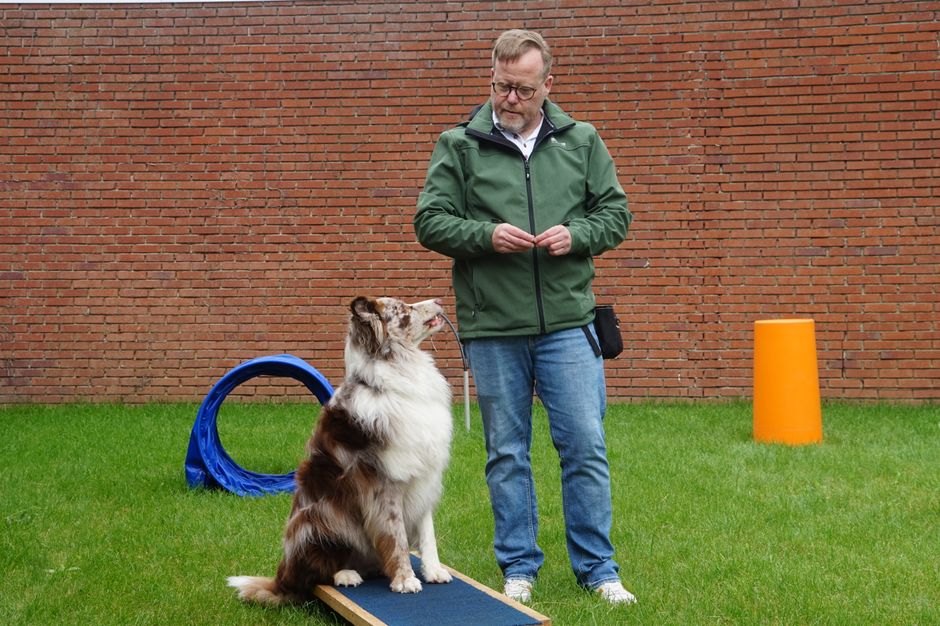
Here’s the part people forget: it’s a group class. That’s a feature, not a limitation. Your dog practices sitting and staying while another dog barks three feet away, which is exactly the kind of real world distraction you’ll deal with on every walk for the rest of that dog’s life.
But group format also means the trainer is splitting attention six or eight ways. Your dog doesn’t get a personalized curriculum. If yours picks things up slower, or faster, you’re still moving at the class’s pace.
Pricing and schedules aren’t universal. Check the current class schedule and pricing at your local store, because format, group size, and cost all vary by location and change over time, and a guide to finding quality puppy training near you can help you compare what’s actually available in your area.
Is PetSmart Training Right for Your Dog?
PetSmart training fits confident, food motivated dogs that need general manners and socialization, whether that’s a new puppy or an adult dog that just needs polish. It is not built for dogs showing aggression, severe fear, or resource guarding. Know which dog you have before you book the class.
A dog that lights up around treats and doesn’t melt down around strangers will thrive in that group setting. It’s stimulating, it’s social, and it gives you a structured reason to practice consistently.
A dog that shuts down, growls, snaps, or guards food and toys needs something else entirely: a private behaviorist who can read the signals instead of guessing and build a plan around that specific dog. Throwing a fearful or aggressive dog into a room with five other dogs isn’t training, it’s a setup for a bad day.
Not sure which category your dog falls into? Ask to observe a class before enrolling, or check out tips for finding the perfect puppy trainer in your area before you commit. Watch how the trainer handles a dog that’s struggling. That tells you more about the program than any brochure will.
Training a 2 Year Old Rescue Dog: What’s Different
Training a two year old rescue dog means working with a dog that already has habits, some useful, some you’ll need to gently retrain, plus an unknown history you have to respect, which is exactly why understanding dog behavior training certification and rescue dog success strategies can make a real difference. This isn’t a blank slate puppy program, and treating it like one usually backfires.
Go slow on trust first. A rescue dog with an unknown past doesn’t need obedience drills in week one, it needs to learn that your home is safe and predictable. Push too hard, too fast, and you’ll get a dog that complies out of anxiety instead of one that’s actually learning.
A common guideline is giving a newly adopted dog a few weeks to decompress before layering on heavy training. That doesn’t mean doing nothing, it means prioritizing routine, calm, and low pressure connection before you start drilling sit-stays.
Group classes still have a place here. They’re genuinely useful for socialization once your dog has settled in. Just pair that class time with quiet, one on one bonding at home: short walks, calm hangout time, low stakes games that build confidence without demanding perfect obedience.
A hypothetical example: a two year old rescue that flinches every time the leash comes out probably isn’t ready for a group class on day one. That dog needs slow, reward based desensitization around the leash itself before it’s ready to practice manners around other dogs.
Puppy Behavior Training Basics You Can Start at Home
Puppy behavior training should start the day your puppy comes home, not after bad habits already exist. Crate training, potty routines, bite inhibition, and short daily practice sessions all matter more in the first few months than any trick you can teach.
Here’s what actually moves the needle early on:
- Start potty and crate routines immediately. Waiting until accidents pile up just means you’re now training against a habit instead of building one.
- Prioritize bite inhibition and chew redirection over tricks. A puppy that mouths everything needs consistent redirection now, not a “roll over” cue later.
- Keep sessions short. Five to ten minutes fits a puppy’s attention span. Longer sessions just teach frustration.
- Socialize early and positively. Exposure to new people, sounds, surfaces, and dogs during the early socialization window pays off for the dog’s whole life, and finding the right puppy behavior training near you can make that socialization window even more productive.
None of this requires a class. It requires showing up daily, in small doses, before the bad habits have a chance to set.
For example, a puppy that jumps on every guest doesn’t need a fancy solution. Five minutes a day practicing a sit-stay at the door, done consistently before company arrives, solves it faster than any single class session ever will.
Dog Training Tips for Beginners
Beginners get the best results with positive reinforcement, consistency across every person in the household, short sessions that end on a win, and real world practice instead of waiting for perfect obedience first — the same core principles laid out in these dog training tips for beginners. Skip any of those four and progress slows down.
Positive reinforcement beats punishment. Treats and praise build trust, a principle covered in depth in these free dog training tips for beginners. Punishment builds a dog that’s afraid of you, which is a completely different outcome than an obedient dog.
Consistency matters more than technique. If one person in the house allows jumping on the couch and another doesn’t, the dog isn’t confused about training, the dog is confused about the rules. Get everyone on the same page before you start.
End every session on something the dog nailed, even if it’s simple. Dogs remember the last few reps of a session more than the middle, so don’t grind through a hard exercise and quit there.
And don’t wait for a “ready” dog before adding distractions. A dog that only sits perfectly in a quiet kitchen hasn’t actually learned to sit, it’s learned to sit in a quiet kitchen. Practice where the behavior actually needs to happen: at the front door, on the sidewalk, near the food bowl.
Most owners don’t reach for professional help at all. Only 5% of respondents reported utilizing a trainer when they had concerns regarding their dog’s behavior, and 60% would ask a friend or family member instead. That’s a lot of dogs being trained on guesswork. A structured class, even a basic one, already puts you ahead of most households.
PetSmart Classes vs Private Trainer vs DIY at Home
Not every option fits every dog. Here’s how the three main paths stack up against each other, so you can pick the one that matches the dog you actually have, not the dog you wish you had.
| Option | Typical Cost Range | Best For | Watch Out For |
|---|---|---|---|
| PetSmart group class | Moderate, check current local pricing | Basic manners, socialization, first time owners wanting structure | Limited one on one time, not suited for reactive or fearful dogs |
| Private trainer or behaviorist | Higher, priced per session or package | Reactivity, aggression, anxiety, specific problem behaviors | More expensive, quality varies so vet credentials carefully |
| DIY training at home | Low, mostly your time and treats | Reinforcing what’s learned in class, daily habit building | Easy to be inconsistent without guidance or a trained eye |
Most dogs actually benefit from a combination, not a single pick, which is the same idea behind learning how to transform your dog into the perfect companion without expensive classes. A group class for structure and socialization, daily DIY practice to make it stick, and a private trainer on standby if something more serious surfaces. That’s not overkill, that’s just how training actually works.
For a beginner dealing with something like counter surfing, pairing a PetSmart basics class with consistent at home redirection using treats usually solves it faster than either approach alone.
The Bottom Line
PetSmart classes can give your dog a solid foundation, but the real training happens in your living room, on your daily walks, and in the small repeated moments nobody’s grading you on, echoing the essential dog training tips that transform problem pups into perfect pets. Show up consistent, keep it positive, and be patient with a rescue dog rebuilding trust or a puppy still figuring out the world. That’s what actually builds a well mannered dog.
Frequently Asked Questions
Is PetSmart dog training actually good?
For basic manners and puppy socialization, yes, it’s a solid and convenient option. For anything beyond that, like fear or aggression, you need a specialist, not a group class.
How much does PetSmart puppy training cost?
Pricing varies by location and class tier, so call your nearest store or check their site for current rates before you commit.
Can I bring a rescue dog with unknown history to a group class?
Usually yes, but tell the trainer upfront about the unknowns so they can watch for stress signals and adjust as needed.
How long does it take to train a 2 year old rescue dog?
Expect weeks to months depending on the dog and the behavior. Adult dogs can absolutely learn new habits, it just takes consistent repetition.
Do I still need to train at home if I’m paying for classes?
Yes, always. The class teaches the skill, your daily practice at home is what actually makes it stick.
What’s the biggest mistake beginners make with dog training?
Expecting one class or one session to fix everything. Training is a daily habit, not a one time event.