Dog Health Care Tips That Catch Problems Before They Become Emergencies
Your dog can’t tell you when something’s off. So it’s on you to notice first, before he does.
Most dog health problems don’t show up as a dramatic emergency. They show up as small stuff you can miss if you’re not paying attention: a little less energy, a little more thirst, a coat that’s lost its shine. This is your no-nonsense guide to the dog health care tips that actually move the needle, plus where a puppy training schedule pdf fits in so behavior and health get handled together instead of as two separate problems.
Key Takeaways (the short version)
- Annual vet visits catch problems early, but daily observation at home catches them earlier.
- Weight, teeth, and parasite prevention quietly wreck more dogs than any rare disease does.
- A consistent puppy training schedule reduces stress, and stress is a real physical health factor, not just a mood issue.
- Diet and exercise aren’t separate from health care, they’re the foundation of solid pet care basics.
- Grooming isn’t vanity, it’s a weekly health check you’re already supposed to be doing.
What does real daily dog health care actually look like?
Real daily dog health care is boring, and that’s the point. It’s checking water, food, and energy every day, running your hands over your dog weekly, watching the bathroom habits, and writing down anything that changes. None of it takes more than a few minutes. All of it catches trouble early.
Start with the obvious three: water intake, appetite, and energy level. You already see these every day, you just have to actually look. A dog drinking noticeably more, eating noticeably less, or lagging on a walk he used to love isn’t “just tired.” It’s data.
Once a week, run your hands slowly over your dog’s whole body. Feel for lumps, sore spots, or anything new near joints and the belly. You’re not diagnosing anything, you’re building a baseline so you can spot dog health problems early.
Bathroom habits matter more than most owners want to think about. Frequency, color, consistency, straining, all of it tells a story. A one-off weird stool isn’t a crisis. A pattern is.
And keep a log. Paper notebook, phone notes app, whatever. Memory lies to you over weeks and months. A log doesn’t. This is exactly the kind of habit that pairs well with a puppy training schedule pdf, since you’re already tracking feeding times and potty breaks anyway.
How often does a dog actually need to see the vet?
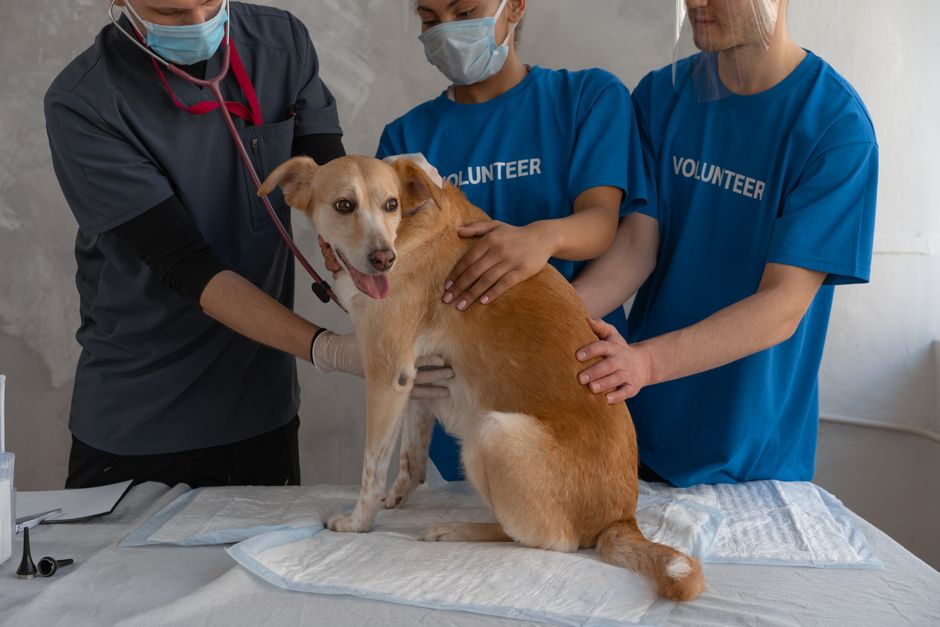
The honest answer: more when he’s young, roughly yearly in the middle years, and more again as he ages. Puppies need a series of visits for vaccines and deworming. Adults generally need one solid wellness check a year. Seniors need to go in more, because age-related issues move faster and don’t wait politely for your next scheduled appointment.
Puppies are on a schedule for a reason. Vaccines and deworming happen in a series, not a single visit, because a puppy’s immune system needs time and repeat exposure to build real protection.
Healthy adult dogs generally do fine with a wellness check on a regular yearly cadence, though you should talk specifics with your vet rather than assume. One large-scale wellness study found that nearly a third of dogs screened had potential health risks or subclinical conditions that owners had no idea about, found in nearly one-third of participant dogs. That’s not a small number. That’s a strong argument for showing up even when your dog looks totally fine.
Senior dogs need more frequent checkups, full stop. Age-related issues progress faster in the back half of a dog’s life, and catching them early is the difference between “manageable” and “too late.”
Here’s the rule we’d rather you overuse: don’t wait for symptoms to snowball. A same-week call to the vet beats a same-day emergency trip every single time, both for your dog’s comfort and for your wallet.
Why do teeth and weight cause more damage than people think?
Because they’re slow, silent, and everywhere. Dental disease is one of the most common conditions vets see in dogs, and it’s largely preventable. Extra weight quietly wrecks joints, organs, and quality of life years before it ever looks “serious” on the outside. Both are fixable with boring daily habits, not expensive interventions.
Across a huge study looking at the 25 most popular breeds, researchers catalogued dozens of common medical conditions, and the takeaway wasn’t some rare exotic disease. It was how frequent and preventable the top issues actually were, based on 53 medical conditions comprising the top 10 conditions for the 25 most popular breeds. Dental disease sits right at the top of that list for a lot of dogs, and it’s one of the few things you can meaningfully prevent with a toothbrush.
Weight is arguably worse, because owners consistently underestimate it. Nationally, a majority of dogs are now carrying excess weight, with data showing 59% carry excess weight. That means the “average” dog you see at the park is probably overweight, which makes your own dog’s extra padding look normal when it isn’t.
Stop guessing from the scale alone. Ask your vet for your dog’s actual body condition score, one of the science-backed dog health tips that actually moves the needle. It’s a hands-on assessment, and it tells you far more than a number on a scale ever will.
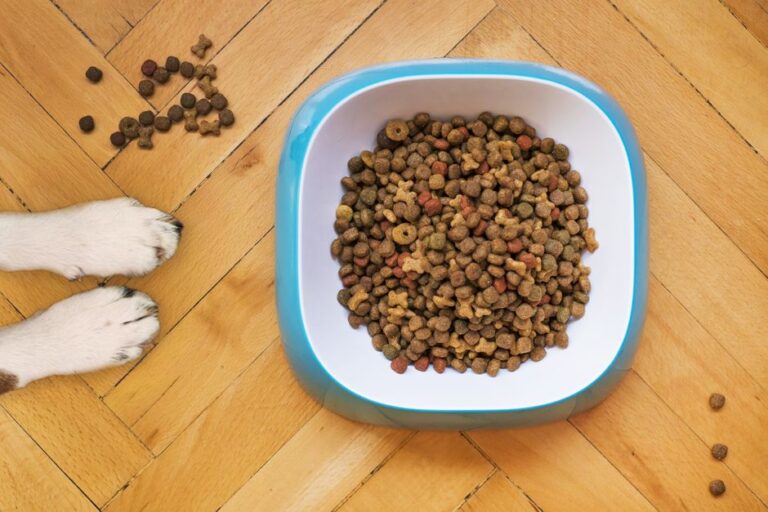
The fix isn’t complicated: daily or near-daily tooth brushing, vet-approved dental chews, and portion control instead of “free feeding and hope.” None of it is glamorous. All of it works.
What role does training play in a healthy dog?
Training isn’t separate from health, it’s part of it. A predictable puppy training schedule lowers anxiety, and chronically stressed dogs show more physical symptoms, not fewer. A well-trained dog also handles vet visits, grooming, and medication time with way less drama, which means better care actually gets delivered instead of avoided.
Stress in dogs isn’t just a behavior issue you deal with separately from health. It shows up physically: digestive upset, compulsive licking, destructive habits, poor sleep. A predictable routine, feeding times, potty breaks, and training sessions all happening on a rhythm the dog can count on, takes a huge amount of that stress off the table.
There’s a practical payoff too. A dog who knows basic obedience is dramatically easier to handle at the vet, at the groomer, and when you’re trying to get a pill into him at 7am before work. Struggling with a panicked, untrained dog during a nail trim isn’t just annoying, it makes owners avoid care they should be getting regularly.
This is exactly where a puppy behavior training pdf earns its keep. Life gets busy, and consistency is the first thing to slip. Having a written schedule you can follow on autopilot means training doesn’t quietly fall apart the week things get hectic.
Mental stimulation through training also tires a dog out in a healthier way than physical exercise alone. A dog that’s mentally worked isn’t just physically tired, he’s satisfied. That’s a meaningfully different, calmer kind of tired.
How do diet, exercise, and grooming fit into the bigger picture?
They’re not add-ons to health care, they are health care. Feed appropriately for your dog’s age and size, move him daily, and groom him regularly, and you’ve covered most of what a complete dog care basics guide would tell you keeps dogs out of the vet’s emergency slot. Skip any one of the three and the other two can’t fully compensate.
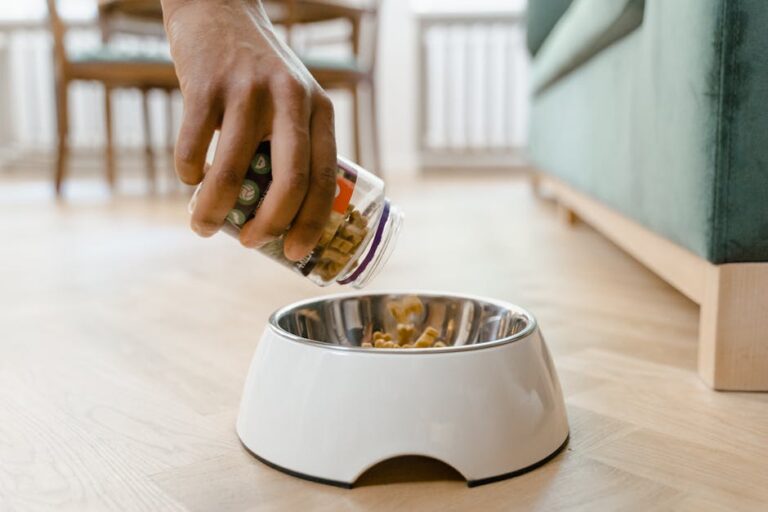
Diet needs to match your specific dog, not a generic bag description. Age, size, and activity level all change what “right” looks like. A one-size-fits-all approach to food is one of the easiest places owners quietly go wrong.
Exercise needs vary a lot by breed, but almost every dog owner underestimates how much movement their dog actually needs. If your dog is bouncing off the walls at 8pm, that’s not “just his personality.” That’s a signal.
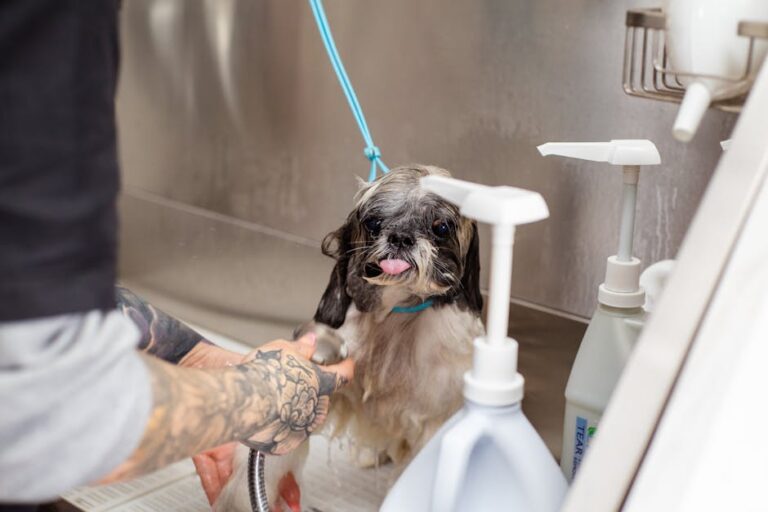
Grooming is where a lot of owners miss the real point. It’s not about looking nice for photos, it’s a weekly hands-on health check you’re already doing anyway. Brushing and bathing is when you spot skin issues, parasites, and ear infections while they’re still small and cheap to treat.
And parasite prevention doesn’t get a season off. Fleas, ticks, and heartworm prevention need to stay on schedule year-round, not just when it’s warm out. Skipping months because “it’s cold” is a gamble, not a strategy.
Here’s how the priorities shift across a dog’s life:
| Life Stage | Vet Visit Frequency | Main Health Priorities |
|---|---|---|
| Puppy (under 1 year) | Multiple visits for vaccine series and deworming, then a check around the one-year mark | Vaccinations, parasite control, spay/neuter timing, early training |
| Adult (1 to 7 years) | Roughly once a year for a wellness check, discuss timing with your vet | Weight management, dental care, exercise consistency |
| Senior (7+ years, varies by breed) | More frequent checkups as recommended by your vet | Joint health, organ function screening, mobility support |
Think of a puppy owner pairing a puppy training schedule pdf with feeding times, so potty breaks and meals happen on a rhythm, exactly the kind of essential routines beginners need to master. That same rhythm makes it much easier to spot digestive issues early, because you know exactly what “normal” looks like for that dog.
Or picture a senior dog whose owner notices he’s suddenly slower on the stairs. That small, easy-to-dismiss change is often the first sign of joint trouble, and catching it early is the difference between a manageable adjustment and a full-blown mobility crisis later.
Or an adult dog that seems completely “fine” day to day, until a body condition score check at the vet reveals he’s been carrying quiet excess weight the whole time, invisible under fur and habit.
None of these are dramatic stories. That’s exactly why they’re the ones worth paying attention to.
Owners clearly want to do better here too. Pet owner surveys show that 91% of pet owners say they would be more likely to maintain their pet’s health, including regular check-ups with their veterinarian, and the willingness is even climbing. The gap usually isn’t motivation, it’s habit and consistency.
It also helps to remember why you’re doing all this in the first place. The bond runs both ways: 95% of pet parents rely on their pet for stress relief, and a striking 69% of pet parents say they take better care of their pet than themselves. Your dog is doing a lot of emotional heavy lifting for you. The least you can do is notice when something’s off with him too.
The bottom line
Dog health care isn’t one big heroic effort. It’s a pile of small, boring habits done consistently: watching, brushing, feeding right, moving daily, and showing up to the vet on schedule, the exact kind of daily routines that actually work. Do the unglamorous stuff every day and you’ll rarely need the dramatic stuff at all.
Frequently Asked Questions
What are the most important dog health care tips for a first-time owner?
Start with the basics: consistent feeding, daily movement, dental care, and a vet you actually trust, and lean on a complete step-by-step care guide when you need more detail. Get a puppy training schedule pdf going early too, since a well-adjusted dog is easier to keep healthy from day one, and these dog care tips for beginners can help you build the routine.
How do I know if my dog is just having an off day or actually sick?
One off day with low appetite or energy usually isn’t a red flag, though it helps to know how to recognize warning signs that actually matter. Two or more days of it, or any vomiting, diarrhea, or limping that doesn’t clear up fast, means it’s time to call the vet, not wait it out.
Is a puppy training schedule really connected to health?
Yes, more than people expect. Stressed, under-stimulated puppies are more prone to destructive behavior, digestive upset, and compulsive habits like excessive licking or chewing, so training a dog well is genuinely part of keeping him healthy.
How much does dog health care cost to maintain?
It varies wildly by dog size, breed, and location, so get a real number from your own vet rather than trusting a generic figure you found online. Budgeting for routine care is almost always cheaper than paying for a preventable emergency later.
Can I handle most dog health care at home without a vet?
You can handle a lot of daily prevention at home: diet, exercise, grooming, dental brushing, and observation. But vaccines, diagnostics, and anything that looks abnormal still need a professional, so don’t try to diagnose serious symptoms yourself.