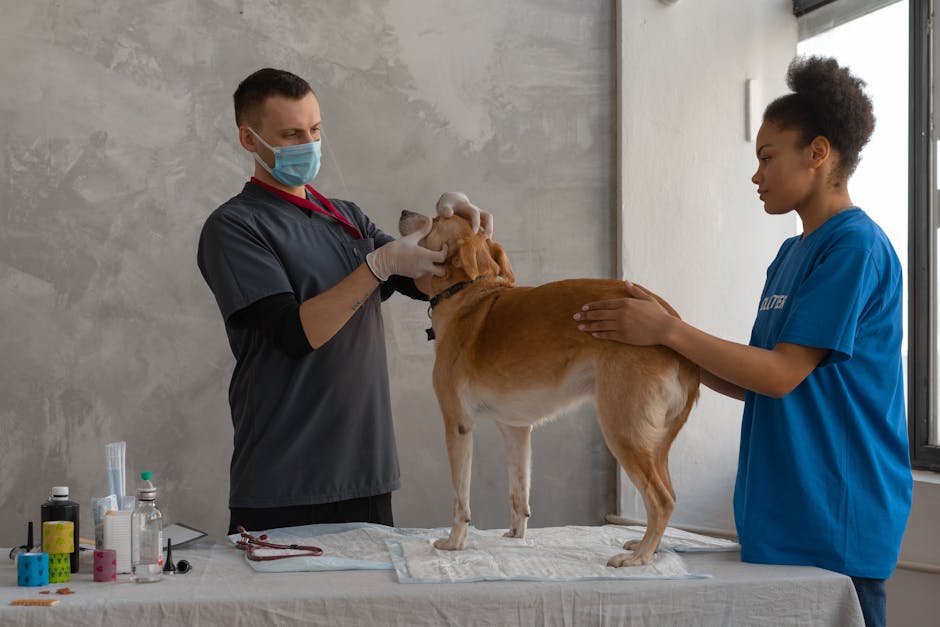
How to Spot Dog Health Problems Early and Take Action Like a Pro
Every dog owner knows that sinking feeling when their furry companion starts showing concerning symptoms—limping after a walk, refusing their favorite treats, or acting unusually lethargic. While dogs can’t tell us exactly what’s wrong, they communicate through subtle (and not-so-subtle) changes in behavior, appetite, and energy levels—learning to recognize these warning signs is crucial for early intervention. Understanding common dog health problems and their solutions empowers you to act quickly when issues arise, potentially saving your pet from unnecessary discomfort and preventing minor concerns from becoming major emergencies—and having access to free dog health advice can provide the step-by-step guidance you need. Whether you’re a new dog parent or a seasoned owner, this comprehensive guide will help you recognize warning signs, implement practical solutions, and know exactly when it’s time to call your veterinarian.
Essential Daily Health Checks: Building Your Dog Care Routine
Creating a consistent health monitoring routine transforms you from a reactive pet owner into a proactive health advocate for your dog. A simple 5-minute daily assessment can reveal subtle changes that might otherwise go unnoticed until they become serious problems.
Your 5-Minute Daily Health Assessment Checklist
Start with visual observation during your dog’s natural activities. Notice their gait when they walk, their breathing pattern when resting, and their general demeanor during routine interactions. This baseline observation often reveals more than a formal examination because your dog behaves naturally.
Eyes should be clear and bright, without discharge, cloudiness, or excessive tearing. Watch for squinting, pawing at the face, or sensitivity to light. Ears need quick visual and scent checks—they should smell neutral, not yeasty or foul, and show no excessive wax buildup or redness.
Nose and mouth examinations reveal important health indicators. While a dry nose doesn’t automatically signal illness, sudden changes in moisture levels, color, or discharge patterns deserve attention. Check gums by gently lifting the lip—they should appear pink and moist, not pale, yellow, or bright red.
Coat and skin assessments during regular petting sessions help you notice new lumps, bumps, or areas of sensitivity. Run your hands systematically over your dog’s body, feeling for anything unusual while they enjoy the attention.
Age-Specific Monitoring Considerations
Puppies require extra attention to growth patterns, energy levels, and developmental milestones. Monitor their eating enthusiasm, play intensity, and sleep patterns—sudden changes often indicate emerging health issues before physical symptoms appear.
Senior dogs need focused attention on mobility, cognitive function, and chronic condition management. A 12-year-old Beagle named Murphy recently demonstrated this perfectly: his family noticed he stopped greeting them at the door and seemed confused about his feeding schedule. These subtle behavioral changes led to an early diagnosis of cognitive dysfunction syndrome, allowing for timely intervention with environmental modifications and supplements.
Most Common Dog Health Problems and Their Early Warning Signs
Digestive Issues: Reading Your Dog’s Internal Signals
Vomiting and diarrhea represent the most frequent health complaints, but context determines urgency. Single episodes following dietary indiscretions (that forbidden garbage raid) differ significantly from persistent symptoms. Watch for appetite changes—dogs who suddenly become picky eaters or show decreased interest in treats often signal underlying discomfort.
A recent case illustrates this perfectly: Max, an 8-month-old Labrador puppy, developed sudden diarrhea after a family barbecue. His owners documented the timeline, noting he remained playful and hydrated. After withholding food for 12 hours and providing small amounts of bland diet, Max recovered completely within 48 hours. However, they correctly prepared for veterinary consultation by photographing symptoms and tracking his hydration status.
Skin and Coat Problems: External Indicators of Internal Health
Allergies manifest through excessive scratching, paw licking, and recurring ear infections. Seasonal patterns often emerge—dogs allergic to pollen typically worsen during spring months, while food allergies cause year-round symptoms.
Hot spots develop rapidly, appearing as red, moist, painful areas that dogs obsessively lick or chew. Environmental allergies, poor grooming, or underlying skin conditions frequently trigger these localized infections.
Joint and Mobility Concerns: Movement Tells the Story
Limping after exercise, stiffness after rest periods, and reluctance to climb stairs or jump onto furniture signal developing joint problems. Large breed dogs like Golden Retrievers commonly develop hip dysplasia, but early detection significantly improves management options.
Consider Bella, a 7-year-old Golden Retriever whose family noticed she took longer to stand after napping and occasionally bunny-hopped while running. Daily monitoring revealed the pattern occurred more frequently after longer walks. Veterinary examination confirmed early hip dysplasia, leading to weight management, joint supplements, and modified exercise routines that kept Bella comfortable and active.
Behavioral Changes: Windows into Physical Discomfort
Dogs experiencing pain often exhibit increased irritability, withdrawal from family activities, or changes in sleep patterns. A normally social dog who suddenly seeks isolation might be communicating discomfort rather than mood changes.
Cognitive dysfunction in senior dogs presents through disorientation, altered sleep-wake cycles, and house-training accidents. These symptoms require professional evaluation to distinguish between normal aging and treatable conditions.
Immediate Solutions You Can Implement at Home
Safe Home Remedies for Common Problems
Mild digestive upsets respond well to conservative management. Withhold food for 12-24 hours (never withhold water unless specifically directed by your veterinarian), then reintroduce bland foods like boiled chicken and rice in small, frequent meals.
Minor skin irritations benefit from cool compresses and preventing further scratching through distraction or protective clothing. Oatmeal baths provide soothing relief for itchy skin, while ensuring the underlying area stays clean and dry.
First Aid Basics Every Dog Owner Should Master
Wound cleaning using diluted antiseptic solutions and sterile gauze prevents infection while you assess whether professional care is needed. Pressure application controls bleeding from minor cuts, while cold compresses reduce swelling from bruises or minor sprains.
Temperature monitoring provides valuable information for veterinary consultations and is one of several science-backed health monitoring techniques that can transform your care approach. Normal dog temperature ranges from 101-102.5°F (38.3-39.2°C). Temperatures above 103°F (39.4°C) or below 100°F (37.8°C) warrant immediate veterinary attention.
Creating Recovery Environments
Comfort zones featuring soft bedding, easy access to water, and reduced household activity levels promote healing. Restrict access to stairs, slippery surfaces, and high furniture during recovery periods.
Monitoring stations near your dog’s rest area should include fresh water, any prescribed medications, and materials for documenting symptoms or medication administration.
Using Symptom Checkers and Health Resources Effectively
Maximizing Online Diagnostic Tools
Multiple symptom checker diagnosis dog free online resources serve as valuable starting points, but understanding their limitations prevents misinterpretation. Use these tools to organize your observations and generate informed questions for veterinary consultations rather than definitive diagnoses.
Before consulting any senior dog symptom checker, gather comprehensive information: symptom duration, severity changes, associated behaviors, appetite status, and environmental factors that might contribute to the problem.
Documentation Strategies That Veterinarians Value
Photos and videos capture symptom progression more effectively than verbal descriptions. Record limping patterns, skin conditions, and behavioral abnormalities using your smartphone’s timestamp features.
Written symptom logs tracking timing, duration, triggers, and relief factors provide veterinary teams with diagnostic roadmaps. Include feeding times, medication administration, exercise levels, and environmental changes.
When to Call the Vet: Red Flags That Require Professional Care
Emergency Symptoms Requiring Immediate Attention
Bloat in large breed dogs presents as unproductive retching, distended abdomen, and extreme restlessness. This life-threatening condition requires immediate emergency intervention—never attempt home treatment.
Difficulty breathing, pale gums, seizures, inability to urinate or defecate, and severe trauma always warrant emergency veterinary care regardless of your dog’s age or overall health status.
Persistent vomiting or diarrhea lasting more than 24 hours, especially when accompanied by lethargy or dehydration signs, requires professional evaluation and potential supportive care.
Chronic Conditions Requiring Professional Partnership
Gradual behavior changes in senior dogs, recurring skin problems, persistent limping, and appetite changes lasting more than 48 hours benefit from comprehensive veterinary examination and diagnostic testing.
Weight changes—both gains and losses—occurring over weeks or months often indicate underlying medical conditions requiring professional diagnosis and treatment planning.
Preparing for Productive Veterinary Visits
Compile your dog care basics checklist pdf including vaccination records, medication lists, dietary information, and symptom documentation. Bring samples when relevant—fresh stool samples, photos of skin conditions, or videos of concerning behaviors.
Question preparation maximizes appointment efficiency. Write down primary concerns, symptom timelines, and treatment preferences before arriving at the clinic.
Building ongoing relationships with veterinary teams creates partnerships that benefit your dog’s long-term health. Regular wellness examinations establish baseline values for comparison during illness, while open communication ensures you receive guidance tailored to your specific situation and comfort level.
Understanding dog health problems and solutions requires combining careful observation, appropriate home care, and professional veterinary partnership. Daily monitoring creates the foundation for early detection, while knowing your limitations prevents dangerous delays in professional care. This balanced approach transforms health challenges from overwhelming crises into manageable situations where you can confidently advocate for your dog’s wellbeing.