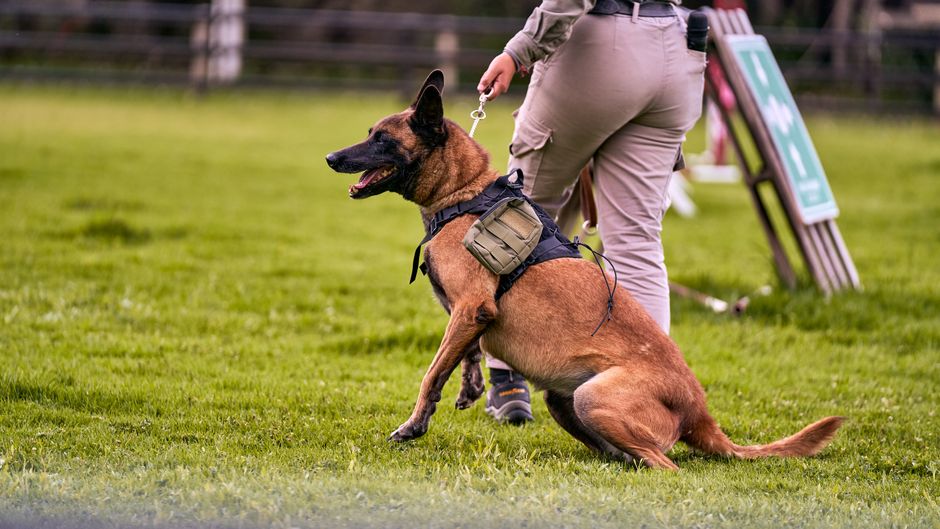
What Are the 7 Most Important Dog Commands? The Ones That Actually Save Lives
Every dog owner has a moment like this: the front door swings open a half-second too long, and your dog spots the open road before you do. A cute face isn’t going to stop what happens next. A solid set of commands might. This guide breaks down the seven cues every dog actually needs, plus the basic needs that make training stick in the first place.
Key Takeaways (the short version)
- Sit, stay, come, down, heel, off, and no cover almost every real-world safety situation.
- Come and stay are the two commands that can literally save your dog’s life.
- Training only works when a dog’s basic needs like food, exercise, and sleep are already met.
- Short, consistent sessions beat long, frustrating ones every single time.
- Positive reinforcement builds a dog that listens because it wants to, not because it’s scared.
What Are the 7 Most Important Dog Commands?
The seven commands that matter are sit, stay, come, down, heel, off, and no (or leave it). These aren’t arbitrary picks. Each one solves a specific, recurring problem that every dog owner runs into, from a bolting puppy to a countertop raid to a leash yanking toward traffic.
Sit is where you start, and for good reason. It’s the foundation cue that teaches impulse control before anything else, and it gives you a default behavior to fall back on when a dog gets wound up.
Stay keeps a dog in place, full stop. That matters during grooming, at the vet’s office, or the split second an open front door tempts a dog toward the street.
Come is the recall command, and it’s the one that matters most when a leash slips or a gate gets left open. A dog that comes back every time is a dog you can trust off leash.
Down settles a dog fast. It works as a calming reset when things get chaotic, whether that’s a stranger at the door or a thunderstorm rattling the windows.
Heel keeps walks manageable. It stops the pulling toward traffic, other dogs, or that squirrel that just will not stop taunting your dog from the fence line.
Off gets paws off counters, off guests, and off the furniture without turning into a shouting match every time it happens.
No or leave it interrupts a bad decision before it becomes an emergency room visit, like a dog closing in on a dropped pill bottle or a mystery patch of mushrooms on a hike.
Why These Seven Commands Matter More Than Party Tricks
These seven cues matter because each one solves a real safety or manners problem, not a trick for the camera. Shake and roll over are fun at a barbecue, but neither one stops a dog from running into a road or gulping down something toxic off the sidewalk.
Trainers and vets keep coming back to the same two commands when the conversation turns to safety: recall and stay. Those are the ones that separate a dog you can trust in an unpredictable moment from a dog you’re constantly chasing down.
Here’s the blunt version: a dog that reliably responds to these seven has the core vocabulary for almost any situation life throws at it. A dog that only knows “shake” does not.
For example, picture a dog that bolts out an open front door but comes running back the second it hears its recall cue. That’s the whole point of this list in one scene.
How to Teach Your Dog Basic Commands Without Losing Your Mind
The fastest way to teach basic commands is with short, upbeat sessions, one command at a time, using rewards the dog actually cares about. Skip the long drills. They wear the dog out mentally before the behavior ever sinks in, and they wear you out too.
A few rules that actually hold up:
- Keep sessions to five or ten minutes, two or three times a day, so the dog stays sharp instead of checked out.
- Use high-value treats at first, then fade them out once the behavior is reliable.
- Teach one command at a time. Don’t move to the next until the current one is solid in a low-distraction setting.
- Practice in gradually harder environments: living room first, then the backyard, then a busy sidewalk.
- Never punish a dog for coming to you, even if it took its sweet time getting there.
That last one trips up more owners than anything else on this list. If coming to you ever leads to a scolding, a dog learns to avoid you, not obey you.
The research backs up the softer approach anyway. Reward-based training methods are claimed to be more humane and equally or more effective than aversive or mixed methods, which is a fancy way of saying you don’t need to be scary to be effective. You need to be consistent.
A puppy that jumps on every single guest, for instance, tends to grow out of it fast once “off” becomes second nature, usually after a few weeks of steady practice.
What Are the 7 Basic Needs of a Dog?
A dog’s seven basic needs are food and water, shelter, exercise, mental stimulation, veterinary care, socialization, and love with a predictable routine. Skip any one of these, and training turns into an uphill battle, because a dog that’s hungry, exhausted, or under-stimulated has nothing left in the tank to focus on you.
- Food and clean water, matched to the dog’s age, size, and activity level.
- Shelter and a safe place to sleep, away from extreme heat or cold.
- Daily exercise suited to the breed. A tired dog is a trainable dog, full stop.
- Mental stimulation through puzzle toys, sniff walks, or the training itself.
- Routine veterinary care, including checkups, vaccines, and parasite prevention.
- Socialization with people, other dogs, and new environments, especially early in life.
- Love, attention, and a predictable routine that makes a dog feel secure.
Notice something? Training isn’t on this list. That’s on purpose. Commands are a layer you build on top of these seven needs, not a replacement for them.
Common Mistakes That Slow Down Training
Most training stalls happen for the same handful of avoidable reasons, and nearly all of them trace back to skipped basics or muddled follow-through. Fix these and progress speeds up almost overnight.
- Skipping the basic needs. A hungry, under-exercised dog isn’t stubborn. It’s just distracted, and no treat is going to out-compete an empty stomach.
- Repeating a command before following through. Say “sit” five times and get ignored four of them, and you’ve just taught your dog that “sit” is optional.
- Training only indoors. A command that only works in a quiet living room isn’t a command yet. Test it around real distractions before you trust it.
- Using a stern voice for recall. Nothing kills a dog’s willingness to come running faster than associating “come” with getting in trouble.
The 7 Core Dog Commands and What They’re For
| Command | Main Purpose | When It Matters Most |
|---|---|---|
| Sit | Builds impulse control and calm behavior | Greeting guests, waiting at doors, vet visits |
| Stay | Keeps a dog in one spot on cue | Open doors, grooming, busy parking lots |
| Come | Brings a dog back to you reliably | Off-leash areas, escaped dogs, emergencies |
| Down | Settles and calms a dog quickly | Overexcitement, thunderstorms, restaurants |
| Heel | Controls pace and position on a walk | Busy sidewalks, near traffic, passing other dogs |
| Off | Removes paws from people or objects | Counters, furniture, jumping on guests |
| No/Leave it | Interrupts a behavior before it happens | Dropped food, trash, toxic plants |
Take a dog on a hiking trail that drops a mystery object the moment it hears “leave it”: that’s exactly why this command earns its spot on the list. No debate, no chase, no vet bill.
The Bottom Line
A dog that knows these seven commands is a dog you can actually trust off leash, at the vet, or with company over. But none of it sticks if the basics like food, exercise, and rest aren’t handled first. Get the needs right, keep training short and consistent, and the commands will follow.
Frequently Asked Questions
What age should I start teaching my dog these commands?
You can start as early as eight weeks old with short, gentle sessions. Puppies have short attention spans, so keep it light and end on a win.
Can older dogs still learn these commands?
Absolutely. The old saying about not teaching an old dog new tricks is nonsense. It just takes patience and consistency, same as with a puppy.
Do I need treats forever to get my dog to listen?
No, treats are a training tool, not a permanent bribe. Fade them out gradually once the behavior is reliable and swap in praise, play, or life rewards instead.
What if my dog already knows sit and stay but ignores come?
Recall is the command dogs blow off most, usually because it got paired with something unpleasant, like ending playtime. Practice it in low-stakes settings and always make coming to you the best part of the dog’s day.
Should I teach all seven commands at once?
No, one at a time works better. Nail down sit and down first since they’re the easiest wins, then build up to stay, come, heel, off, and leave it.