My Dog Barks at Everything That Passes By: Here’s the Fixable Reason Why
Your dog loses its mind every time a jogger, cyclist, or squirrel dares to exist near your window. You laugh it off the first few times. Then it becomes the reason your whole neighborhood knows your dog’s name. Here’s the truth: barking at everything that passes by isn’t random chaos. It’s a predictable behavior with a fixable cause.
Key Takeaways (the short version)
- Barking at passersby is usually territorial or trigger stacking, not just “bad behavior.”
- Blocking the visual trigger often works faster than any verbal correction ever will.
- Reactivity toward other dogs specifically needs distance and redirection, not louder scolding.
- A newly adopted dog acting sad or shut down needs weeks of calm routine, not immediate obedience work.
- Consistency across every household member matters more than any single training trick you try.
Why does my dog bark at everything that passes by?
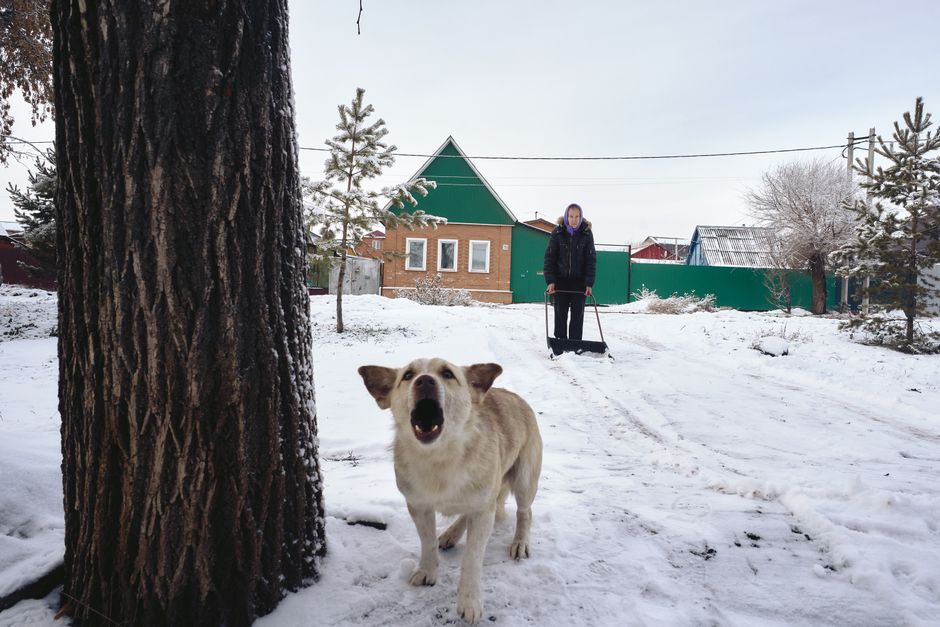
Your dog isn’t malfunctioning. It’s guarding what it thinks is its territory, and every jogger, cyclist, or delivery guy is a threat that needs announcing. Add a front-row view of the street and a breed with guarding instincts baked in, and you’ve got a dog with a full-time job it never applied for.
Most window or fence barking comes down to territory. Your dog has decided the yard, the porch, or the living room belongs to them, and their job is to protect the border. A stranger walking by isn’t neutral to your dog. It’s an intruder that needs to be dealt with, loudly.
Visual access makes it worse. Dogs with a bay window, a glass front door, or a chain-link fence get constant practice. Every rep of barking at a passerby strengthens the habit, the same way practicing a piano scale strengthens muscle memory, except this scale sounds like an air raid siren.
Breed matters too. Dogs bred for guarding or herding, think German Shepherds, Corgis, and a long list of terriers, come with a genetically lower threshold for this kind of trigger. They’re not being dramatic. They’re doing exactly what generations of breeding told them to do.
And here’s the part that keeps the whole cycle alive: barking gets accidentally rewarded. The mail carrier drops the package and leaves. Your dog barks the entire time, and the second the truck pulls away, your dog reads that as “my barking worked.” It didn’t. But try explaining that to a dog who just successfully defended the porch for the four hundredth time.
How do you actually stop the barking, not just quiet it for a minute?
You stop it by removing the trigger and rewarding the absence of barking, not by yelling louder than your dog. Yelling just sounds like you’re joining in. The fastest wins come from blocking what your dog sees, then layering in training that rewards calm.
Block the view first. This is the single highest-leverage move you can make. Window film, a taller fence panel, or simply closing the blinds during your street’s busiest walking hours removes the trigger before it ever starts. No trigger, no bark. It’s not glamorous, but it works immediately.
Teach an actual “quiet” cue. Wait for a natural pause in the barking, mark it, and reward the silence. You’re not punishing the noise, you’re reinforcing the quiet. Over time your dog learns that shutting up is what gets the treat, not the alarm.
Use management tools without guilt. A baby gate keeping your dog out of the front room during peak dog-walking hours isn’t cheating. It’s smart. You’re not training 24/7, so don’t let the highest-trigger room in the house run unsupervised the whole day.
Give your dog something better to do. A food puzzle or a long-lasting chew during the window’s busiest hours makes the couch more interesting than the street. A bored dog stares out the window. An occupied dog doesn’t have time.
Counterconditioning, teaching your dog to associate the trigger with something calmer instead of alarm, has real research behind it. A 2022 study on classical counterconditioning found it effective as a way to decrease barking, which backs up what trainers have been saying for years: change the emotional response, and the barking follows.
How is barking at other dogs different from general barking?
Barking at other dogs on walks usually isn’t territorial at all. It’s fear, frustration, or straight-up excitement with nowhere to go. The fix isn’t a firmer correction, it’s distance, because a dog over threshold literally cannot think or learn in that moment.
Leash reactivity often traces back to fear or a lack of early, positive exposure to other dogs. Your dog isn’t defending turf on a walk. They’re either terrified, overstimulated, or desperate to say hello and don’t have the skills to do it calmly.
Distance is everything. A dog that goes fully explosive at ten feet from another dog can often stay calm and even curious at thirty feet. That’s not a coincidence, that’s the threshold at play. Find the distance where your dog notices but doesn’t fixate, and you’ve found your starting point for every training session.
Reward the calm glance. The instant your dog notices another dog and doesn’t react, mark it with a cheerful word and a treat. You’re teaching them that noticing equals good things happen, not that noticing equals time to escalate.
Skip the tight leash and the head-on approach. A tense leash telegraphs your own anxiety straight down the line to your dog. And walking two dogs directly at each other is basically setting up a confrontation. Angle your approach, keep the leash loose, and give both dogs room to breathe.
I just adopted a dog and she seems sad, not reactive, what’s going on?
A quiet, withdrawn dog in the first weeks home almost never means something is wrong with her personality. It means she’s overwhelmed, and she’s doing the only thing she knows how to do: shut down until the world feels safe again. This is normal, and it’s temporary.
Trainers and shelters call this the decompression period, and it’s extremely common. Rescue dogs frequently need two to three weeks, sometimes longer, before their real personality starts to show up. What you’re seeing in week one isn’t who your dog is. It’s who your dog is while terrified.
Sad often means stressed, not sad. Hiding under furniture, skipping meals, and ignoring toys aren’t depression in the way we’d think of it in a person. It’s a stress response, and it’s textbook for a dog adjusting to an entirely new life.
Give her routine, not challenges. Predictable feeding times, predictable walks, and affection offered on her terms, not forced, do more in the first month than any training exercise. Skip the visitors, skip the dog park, skip the big “welcome to the family” party. Let her settle first.
When should you call in a professional trainer or vet?
Call a professional when barking escalates into lunging or growling, or when a sad, shut-down dog doesn’t start coming out of her shell after a few weeks. Some things are genuinely fixable at home. Others need eyes that aren’t emotionally attached to the outcome.
If the barking is constant, intensifying, or paired with lunging and growling, a certified trainer should assess it before it turns into a bite risk. This isn’t about admitting defeat, it’s about catching a bigger problem early, while it’s still manageable.
Sudden changes deserve a vet visit before anything else. New barking that came out of nowhere, or a newly adopted dog whose sadness doesn’t lift, can sometimes point to pain or an underlying medical issue rather than a purely behavioral one. Rule that out first.
And when you do bring in help, look for a trainer who uses positive reinforcement. Quick-fix tools that suppress the symptom without touching the cause tend to just relocate the problem, not solve it.
Common Barking Triggers and What Actually Helps
| Trigger | Likely Cause | What Helps Most |
|---|---|---|
| People passing the window | Territorial guarding | Block the view, reward quiet |
| Other dogs on walks | Fear, frustration, or excitement | Increase distance, reward calm noticing |
| Delivery trucks or mail carriers | Territorial guarding reinforced by the truck leaving | Manage access, use a trained interrupt cue |
| Squirrels or wildlife in the yard | Prey drive | Supervised yard time, redirect to a toy or chew |
The bottom line
A dog barking at every passerby isn’t broken. It’s just doing an outdated job nobody asked it to do anymore. Block the trigger, reward the quiet, give a nervous new dog time to settle, and you’ll get a calmer house faster than you think.
Frequently Asked Questions
Will my dog ever fully stop barking at people walking by?
Probably not to zero, dogs are wired to notice movement near their territory. But with consistent blocking and reward-based training, most dogs go from constant alarm-barking to a quick glance and a shrug.
Is a bark collar a good shortcut for this?
It suppresses the noise without touching the underlying cause, and it can add stress or fear that shows up as other problems later. Skip it and fix the trigger instead.
My newly adopted dog won’t eat much and hides a lot, is that normal?
Yes, that’s a classic decompression response and it usually eases up within the first few weeks. If it stretches on much longer or she’s losing noticeable weight, check in with your vet.
Should I let my dog meet every dog on walks to help with reactivity?
No, forced greetings often make leash reactivity worse, not better. Controlled distance and calm exposure work far better than face-to-face introductions.
How long does it take to see progress on window barking?
Simple management, like blocking the view, can cut barking noticeably within days. Actually changing the underlying habit with training usually takes several consistent weeks.