Nutrition for Dogs Recipes, Charts, and Calculators That Actually Work
Your dog’s food bowl is the single biggest lever you control for their health, energy, and how many years you get with them, which is why it helps to understand what good nutrition for dogs actually looks like. Most owners either overthink it with fad diets or underthink it with whatever bag was on sale. Both approaches leave nutrition gaps that show up as dull coats, weird poops, or worse down the line. Let’s break down what dogs actually need daily, how to build meals that hit those marks, and when supplements earn their keep instead of just costing you money.
Key Takeaways (the short version)
- Dogs need a working balance of protein, fat, carbs, vitamins, and minerals, not just a high protein number on the bag.
- A daily calorie and nutrient chart beats guesswork, since underfeeding and overfeeding both cause real problems.
- Homemade recipes can work but only when they’re formulated to meet complete nutritional needs, not just taste good.
- Most supplements are unnecessary for dogs eating a complete diet, so check for a real gap before you buy one.
- A nutrition calculator based on weight, age, and activity level gets you closer to the right portion than eyeballing it.
What Nutrition Does a Dog Need Daily?
A dog needs protein for muscle repair, fat for energy and coat health, carbs for quick fuel and fiber, plus a set of vitamins and minerals in the right ratios, all backed by plenty of water, which lines up with the healthiest way to feed your dog. Skimping on any one category, or getting the ratios wrong, eventually shows up in your dog’s body.
Protein isn’t optional and it isn’t just a marketing number on the front of the bag. It rebuilds muscle, supports the immune system, and keeps that coat from looking like straw. Fat gets a bad rap, but it’s a dense energy source and it’s what actually keeps skin supple and coats shiny, part of the numbers you actually need for daily nutrition and grooming.
Carbs and fiber round things out. Dogs don’t need a ton of carbohydrate, but the right amount supports digestion and gives them steady energy instead of a sugar-crash cycle.
Vitamins and minerals matter as a system, not a checklist. Calcium and phosphorus have to stay in a specific balance or you risk bone problems, especially in growing puppies. Vitamin A, vitamin E, and the B vitamins all play supporting roles you won’t notice until they’re missing.
Life stage changes everything here. A puppy’s growing skeleton needs different protein and calcium handling than a senior dog whose joints and metabolism have slowed down. And don’t sleep on water: it’s the most overlooked “nutrient” in the whole conversation, and a dehydrated dog can’t properly use any of the other good stuff you’re feeding.
How Do You Build a Balanced Nutrition Chart for Your Dog?
A solid nutrition chart starts with daily calories tied to your dog’s actual weight and activity level, not a generic feeding chart number off a bag made for an “average” dog that doesn’t exist. From there you split the plate into protein, fat, and carb sources, and you adjust as your dog’s body changes.
A couch potato Labrador and a working farm dog of the exact same weight are not eating the same portion. Activity level swings calorie needs hard, and pretending otherwise is how dogs end up overweight or running on empty.
For a home-cooked or DIY plate, a rough split looks like this:
- Roughly half the plate as lean protein
- A meaningful slice as complex carbs (think sweet potato, rice, oats)
- A smaller portion as a vet-approved fat source
- The rest as fiber-rich vegetables
Use a vet-reviewed chart or feeding guide built for your dog’s size, breed type, and life stage. Don’t borrow a chart designed for a giant breed and apply it to a toy breed puppy; the math simply doesn’t transfer.
Common chart mistakes worth flagging:
- Forgetting to count treats toward the daily total (they add up fast)
- Not adjusting portions after a dog gains or loses weight
- Skipping recalculation as a puppy grows, since a chart from month two is useless by month six
Real Nutrition for Dogs Recipes That Actually Work
A homemade meal that “actually works” hits a lean protein, a complex carb, a vet-approved fat source, and a fiber-rich veggie, drawing on a complete guide to dog nutrition recipes and calculators, and it’s been checked against a real nutrient standard, not just your gut feeling that it looks healthy. Skipping that check is where good intentions go sideways.
Here’s the blunt truth: most people who freelance a homemade recipe get it wrong. Research examining home-prepared dog diets found that 95 percent of the 200 recipes examined resulted in food that was lacking in the necessary levels of at least one essential nutrient. A separate look from the Dog Aging Project found that only 6% of homemade dog food recipes meet essential nutritional requirements. That’s not a knock on homemade feeding as a concept, it’s a warning about winging it.
Owners aren’t necessarily flying totally blind: that same research found nearly half (45%) of owners added some form of commercially prepared diet or base/supplement to help fill the gaps, and most home-prepared meals leaned on meat (90%) and vegetables (65%) as the backbone. That’s a reasonable starting instinct. It’s just not enough on its own.
An everyday balanced meal structure:
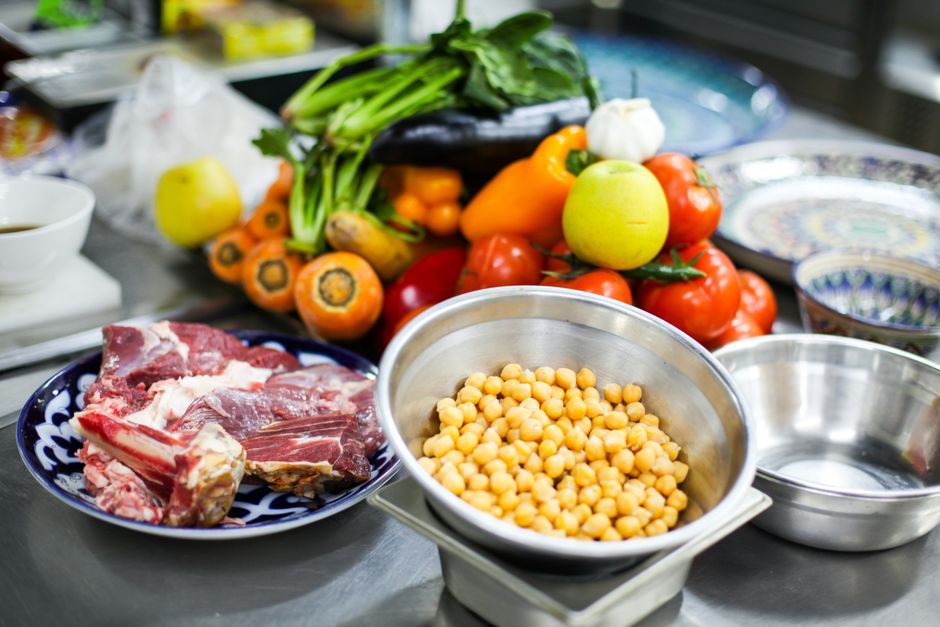
- Lean protein (chicken, turkey, or lean beef)
- A complex carb (brown rice, oats, or sweet potato)
- A vet-approved fat source (a small amount of fish oil or a measured oil)
- A fiber veggie (green beans, carrots, pumpkin)
- A calcium source, since meat and veggies alone won’t cover it
A bland recovery meal after an upset stomach usually looks simpler: plain boiled chicken and plain white rice, no seasoning, no fat added, for a few days before easing back to the normal recipe.
Watch for ingredients that sound healthy but aren’t: too much liver can cause vitamin A overload, a recipe with no calcium source sets up long-term bone issues, and onion or garlic in any amount is a genuine hazard, not a seasoning shortcut.
If you’re serious about homemade feeding long term, get the recipe checked against AAFCO nutrient profiles or run it by a veterinary nutritionist, following science-backed guidance vets actually recommend. One study following dogs on homemade diets found 104 (62%) of subjects maintained the homemade diet, while 63 reverted to their previous diet over a median follow-up of 14 months. That tells you homemade feeding can stick, but plenty of owners also find it’s more than they bargained for.
Do Dogs Actually Need Nutrition Supplements?
Most dogs eating a genuinely complete and balanced commercial diet don’t need extra supplements, full stop, especially if you’re already feeding your dog excellent nutrition without breaking the bank. Adding more on top of an already-fortified food can do more harm than good, so the real question isn’t “which supplement” but “is there actually a gap here.”
Supplements earn their place in specific situations:
- Joint support (glucosamine, chondroitin) for aging or large-breed dogs carrying extra wear on their joints
- Omega-3 fatty acids for dogs with dry skin, dull coats, or inflammatory issues
- Probiotics for dogs recovering from digestive upset or antibiotic use
Here’s the part people miss: fat-soluble vitamins like A, D, and E can build up in a dog’s system over time. Double-dosing a dog already eating a fortified diet isn’t harmless extra insurance, it’s a real path to toxicity.
Always run a supplement plan past a vet first, especially for puppies, seniors, or any dog already on medication. Interactions and dosing matter more than the supplement aisle makes it look.
Using a Nutrition Calculator to Get Portions Right
A good dog nutrition calculator factors in weight, age, breed size, activity level, and spay/neuter status to spit out a daily calorie and portion estimate that’s a lot closer to reality than eyeballing a scoop. Think of it as your starting line, not your finish line.
Even the best calculator is working off averages. Your dog is not an average, so treat the number as a solid first guess and then watch how your dog’s body actually responds.
Reweigh puppies and reassess portions every few weeks since they grow fast and their needs shift constantly, which is exactly why calculating perfect portions goes beyond generic feeding charts. For adult dogs, recheck after any major change: a new activity level, a health diagnosis, or a noticeable shift in weight either direction.
Rough Daily Nutrient Focus by Life Stage
| Life Stage | Protein Priority | Fat Priority | Key Watch-Outs |
|---|---|---|---|
| Puppy | High, for growth and development | Moderate to high, for energy demands | Needs proper calcium/phosphorus balance for bone growth |
| Adult (moderate activity) | Moderate to high, for maintenance | Moderate, based on activity level | Watch total calories to prevent gradual weight gain |
| Senior | Moderate, adjusted for muscle maintenance | Lower if less active, but quality still matters | Joint support and calorie needs often drop with age |
For example, a young, high-energy working dog might need a noticeably higher daily calorie and protein target than a senior lapdog of the same weight. Same scale, completely different math.
The Bottom Line
Good dog nutrition isn’t a mystery or a marketing gimmick, it’s math and consistency: the right calories, the right balance of nutrients, and portions that match the actual dog in front of you. Skip the fads, use a real chart or calculator as your baseline, and only add supplements when there’s an actual gap to fill.
Frequently Asked Questions
Can I just feed my dog a homemade diet full time instead of kibble?
You can, but only if the recipe is actually formulated to be complete and balanced, not just a home-cooked meal that looks healthy. Work with a vet or veterinary nutritionist to check the recipe, especially for calcium, trace minerals, and vitamins that are easy to miss.
How do I know if my dog’s current food is nutritionally complete?
Look for a statement on the label saying it meets AAFCO nutrient profiles for your dog’s life stage. If that language is missing, treat the food as a supplement or treat, not a full diet.
Are grain-free diets healthier for dogs?
Not automatically, and grain-free formulas have been linked to heart issues in some dogs when they aren’t formulated carefully. Grains aren’t the enemy for most dogs; the overall nutrient balance is what actually matters.
What’s the easiest way to tell if I’m feeding the right amount?
Check body condition, not just the bag’s suggested amount: you should be able to feel ribs without heavy pressure and see a visible waist from above, similar to the 90-10 rule and other science-backed health tips. Adjust portions up or down based on that, not just a chart number.
Do senior dogs need a completely different diet?
Not completely different, but the priorities shift: fewer calories if activity has dropped, continued quality protein to protect muscle, and often added joint support. A vet check helps confirm what your specific senior dog needs.