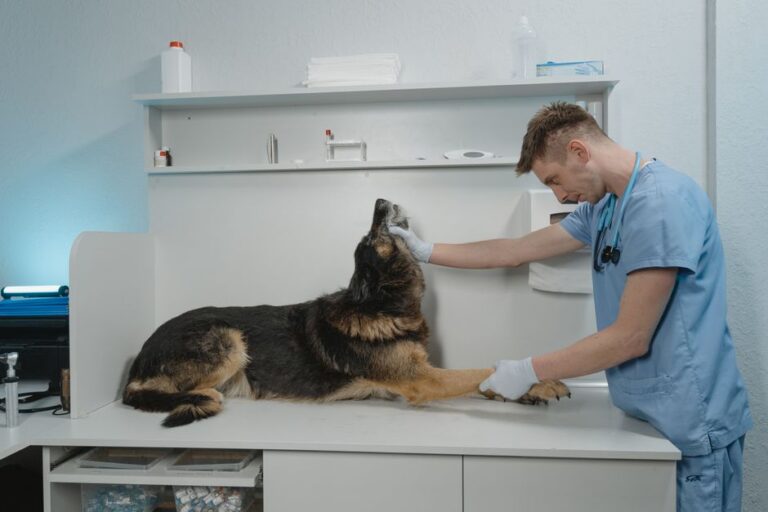
Complete Guide to Dog Nutrition: Recipes, Calculators & Special Diets
Every dog owner wants to provide the best nutrition for their furry companion, but navigating homemade recipes, nutritional calculators, and special dietary needs can feel overwhelming. Whether you’re considering whipping up fresh meals in your kitchen, managing a dog with liver disease, or simply want to understand the science behind proper canine nutrition, getting it right is crucial for your dog’s health and longevity. In this comprehensive guide, we’ll break down everything you need to know about dog nutrition—from balanced homemade recipes that actually work to using nutrition calculators effectively, plus essential guidance for dogs with specific health conditions like liver disease.
Understanding Complete Canine Nutrition: The Foundation Every Dog Owner Needs
Before diving into recipes or calculators, you need to understand what makes a nutritionally complete meal for your dog. Unlike humans, dogs have evolved specific nutritional requirements that differ significantly from our own dietary needs.
Essential Macronutrients and Their Proper Ratios
Dogs require three primary macronutrients in specific proportions. Protein should comprise 18-25% of an adult dog’s diet, with higher percentages for puppies (22-32%) and active working dogs. Quality protein sources include lean meats, fish, eggs, and some plant-based options like quinoa.
Fats should represent 8-15% of the diet, providing essential fatty acids and energy. Omega-3 and omega-6 fatty acids support skin health, coat quality, and cognitive function. Sources include fish oil, flaxseed, and chicken fat.
Carbohydrates, while not essential, typically make up 30-50% of most dog diets. They provide energy and fiber for digestive health. Sweet potatoes, brown rice, and oats are excellent choices that most dogs digest well.
Critical Vitamins and Minerals
Dogs need specific vitamins and minerals that commercial foods typically provide through supplementation. Key nutrients include:
- Calcium and phosphorus (proper 1.2:1 ratio) for bone health
- Vitamin A for vision and immune function
- B-complex vitamins for energy metabolism
- Vitamin D for calcium absorption
- Iron, zinc, and copper for blood health and coat quality
Deficiency signs include lethargy, poor coat condition, digestive issues, and weakened immunity. Watch for these indicators if you’re transitioning to homemade nutrition.
Life Stage and Individual Variations
A 12-week-old puppy needs nearly twice the calories per pound as an adult dog, while senior dogs often require easily digestible foods with modified protein levels. Large breed puppies need carefully controlled calcium to prevent developmental orthopedic diseases.
Activity level dramatically affects nutritional needs. A working Border Collie may require 40% more calories than a couch-potato Basset Hound of similar weight.
Reading AAFCO Nutritional Adequacy Statements
The Association of American Feed Control Officials (AAFCO) sets nutritional standards for pet foods. Look for statements like “formulated to meet AAFCO Dog Food Nutrient Profiles” on commercial foods. These statements indicate whether the food is appropriate for puppies, adults, or all life stages.
Proven Homemade Dog Food Recipes That Meet Nutritional Standards
Creating nutritionally balanced homemade meals requires precision and knowledge. These recipes have been formulated to meet AAFCO standards when prepared correctly.
Balanced Adult Dog Recipe (Makes ~7 cups)
Ingredients:
- 1 lb lean ground turkey or beef (85/15 fat ratio)
- 1 cup cooked brown rice
- 1 cup sweet potatoes, diced and steamed
- 1/2 cup green beans, chopped
- 1/4 cup carrots, finely diced
- 2 tablespoons fish oil
- 1 teaspoon ground eggshells (calcium supplement)
Preparation:
- Brown the meat thoroughly, draining excess fat
- Steam vegetables until tender
- Mix all ingredients when cooled
- Divide into meal-sized portions and refrigerate up to 3 days or freeze up to 3 months
This recipe provides approximately 1,200 calories and serves a 50-pound adult dog for 2-3 days. Ingredient substitutions include chicken for turkey, quinoa for rice, or pumpkin for sweet potatoes.
Puppy-Specific High-Energy Recipe
Puppies need 25-30% more protein and significantly more calories. Modify the adult recipe by:
- Increasing meat to 1.5 lbs
- Adding one whole egg
- Replacing half the rice with additional sweet potato
- Including 1 tablespoon of plain Greek yogurt for probiotics
Senior Dog Digestibility-Focused Recipe
For dogs over 7 years, enhance digestibility by:
- Using ground meat that’s 90/10 lean-to-fat ratio
- Cooking vegetables until very soft
- Adding 1 tablespoon of pumpkin puree for fiber
- Including glucosamine supplement for joint support (consult your vet for dosage)
Safe Preparation and Storage
Always cook meat to 165°F internal temperature. Use separate cutting boards for meat and vegetables. Portion meals in glass containers, labeling with preparation dates. Frozen portions maintain nutritional value for up to three months.
Using Dog Nutrition Calculators: Tools for Precision Feeding
Modern nutrition calculators can help you create balanced meals, but they’re only as accurate as the information you provide.
Inputting Accurate Data
Start with precise measurements. Weigh your dog monthly and record activity levels honestly. A dog that gets two 20-minute walks isn’t “highly active”—that’s moderate exercise. Note any health conditions, medications, or food sensitivities.
Case Study: Sarah used a nutrition calculator for her 7-year-old Golden Retriever, Max, who weighed 72 pounds. Initially, she overestimated his activity level, leading to weight gain. After accurately rating him as “moderately active” and adjusting portions based on calculator recommendations, Max returned to his ideal weight of 68 pounds within four months.
Top-Rated Calculator Options
Balance IT (balanceit.com) offers veterinary-grade formulations with supplement recommendations. It’s particularly strong for therapeutic diets and provides detailed nutritional breakdowns.
Pet Nutrition Alliance provides free basic calculations with good accuracy for healthy adult dogs. The interface is user-friendly for beginners.
NRC Calculator follows National Research Council guidelines and works well for dogs with specific nutritional requirements, though it requires more nutritional knowledge to interpret results.
Interpreting Results and Making Adjustments
Calculator results provide starting points, not absolute rules. Monitor your dog’s weight, energy levels, coat condition, and stool quality. Adjust portions by 10-15% if your dog gains or loses weight over 2-3 weeks.
Comparison Example: Testing the same data (45-pound, 4-year-old active Labrador) across three calculators yielded daily caloric recommendations ranging from 1,320 to 1,485 calories. Start with the middle range and adjust based on your dog’s response.
When to Consult Professionals
Nutrition calculators can’t replace veterinary expertise for dogs with health conditions, pregnant or nursing females, or dogs showing signs of nutritional deficiencies. Schedule consultations with board-certified veterinary nutritionists for complex cases.
Specialized Nutrition for Dogs with Liver Disease: A Careful Balance
Liver disease requires precise nutritional management to support healing while preventing further damage, and in severe cases, you may need to consider specialized liquid nutrition options.
Key Dietary Modifications
Moderate protein restriction is essential—typically 14-18% for dogs with hepatic issues, compared to 22-25% for healthy adults. However, protein quality becomes more important than quantity. Use highly digestible proteins like cottage cheese, boiled chicken, or prescription therapeutic proteins.
Increased digestibility reduces liver workload. Cook all foods thoroughly, avoid high-fat content (limit to 8-10%), and choose easily absorbed carbohydrates like white rice or potato.
Copper restriction is crucial for certain liver conditions. Avoid organ meats, shellfish, and nuts. Zinc supplementation may be necessary to balance copper absorption.
Foods to Avoid and Safe Alternatives
Avoid: Raw foods, high-fat meats, organ meats, preservatives, and artificial colors. Skip treats with unknown ingredients.
Safe alternatives: Plain cooked chicken breast, low-sodium cottage cheese, white rice, sweet potatoes, and green beans. Prescription therapeutic diets often provide the most reliable nutrition for severe cases.
Working with Your Veterinarian
Real example: A 9-year-old Cocker Spaniel named Bella was diagnosed with chronic hepatitis. Her initial blood work showed elevated liver enzymes (ALT: 180, normal <60). After switching to a hepatic support diet with 16% protein and regular monitoring, her ALT dropped to 95 within eight weeks, and she maintained stable levels for over a year.
Regular blood work every 4-6 weeks during dietary transitions helps track progress. Your veterinarian may adjust protein levels, add supplements like SAMe or milk thistle, and monitor for complications.
Supplement Considerations
Many liver support supplements can interact with medications. Always discuss supplements with your veterinarian. Milk thistle, while generally safe, can affect how the liver processes certain drugs. Vitamin E and SAMe show promise for liver support but require professional guidance for proper dosing.
Creating Your Dog’s Nutrition Plan: From Assessment to Implementation
Developing a successful nutrition strategy requires systematic planning and careful monitoring.
Evaluating Current Nutritional Status
Start with a body condition score assessment. Feel for your dog’s ribs—they should be easily palpable but not visible. Examine coat quality, energy levels, and stool consistency. Document current weight, feeding schedule, and any digestive issues.
Review your current food’s ingredient list and nutritional adequacy statement. Calculate actual daily calories being consumed, including treats and table scraps.
Safe Transition Protocols
Never switch foods abruptly. Use a 7-10 day transition schedule:
- Days 1-2: 75% old food, 25% new food
- Days 3-4: 50% old food, 50% new food
- Days 5-6: 25% old food, 75% new food
- Days 7+: 100% new food
Monitor for digestive upset during transitions. Loose stools or decreased appetite may indicate you’re moving too quickly.
Monitoring Tools and Success Indicators
Weekly meal prep example: The Johnson family manages three dogs with different needs—a puppy, an adult with food allergies, and a senior with kidney disease. They batch-cook proteins on Sundays, portion carbohydrates and vegetables, and store complete meals in labeled containers. This system ensures consistency while accommodating individual requirements.
Track weight weekly, body condition monthly, and overall health indicators quarterly. Successful nutrition plans result in stable weight, glossy coats, consistent energy levels, and healthy elimination patterns.
Long-Term Maintenance
Nutritional needs change with age, activity levels, and health status. Reassess every six months for healthy adult dogs, quarterly for seniors, and monthly for dogs with health conditions. Seasonal activity changes may require caloric adjustments—many dogs need 10-15% more calories during winter months.
Building a sustainable nutrition plan takes time and attention, but the investment in your dog’s health pays dividends in longevity, vitality, and quality of life—and it doesn’t have to strain your budget with smart shopping strategies. Whether you choose commercial foods, homemade recipes, or a combination approach, understanding these fundamental principles helps you make informed decisions that support your dog’s optimal health throughout their lifetime.