What Does FFF Mean in Dog Grooming? Face, Feet, and Fanny Explained
If you’ve spotted “FFF” scribbled on a grooming invoice or listed on a groomer’s service menu and wondered whether it’s some kind of secret code, you’re not alone. FFF stands for “Face, Feet, and Fanny” (sometimes called “Face, Feet, and Tail” or “Face, Feet, and Fanny/Sanitary Trim”), a shorthand groomers use for a targeted mini-groom that tidies up the areas that get dirty, matted, or overgrown fastest between full grooms. Understanding this simple abbreviation can save you money, help you communicate more clearly with your groomer, and even give you the confidence to handle basic touch-ups at home. Below, we’ll break down exactly what an FFF service includes, when to book one, and how it fits into your dog’s overall grooming and care routine.
What Does FFF Actually Mean in Dog Grooming?
FFF is industry shorthand for Face, Feet, and Fanny — three specific zones on your dog’s body that groomers trim, clean, and maintain without doing a complete haircut or bath. Depending on the salon, you might see “Fanny” swapped for “Fur” or “Fluff” on a price list, but it almost always refers to the same sanitary trim around the rear end.
Groomers created this abbreviation because they needed a fast way to describe a common request: clients who don’t want (or can’t afford) a full groom every few weeks, but still need their dog’s most problem-prone areas kept neat. Instead of writing out a full paragraph on the invoice, “FFF” does the job in three letters.
FFF vs. a Full Grooming Groom
A full-service dog grooming groom typically includes:
- A full bath and conditioning treatment
- Complete brush-out and de-shedding
- All-over haircut or breed-specific style
- Nail trim and pad care
- Ear cleaning and plucking (if needed)
- Face, feet, and fanny trim (as part of the whole package)
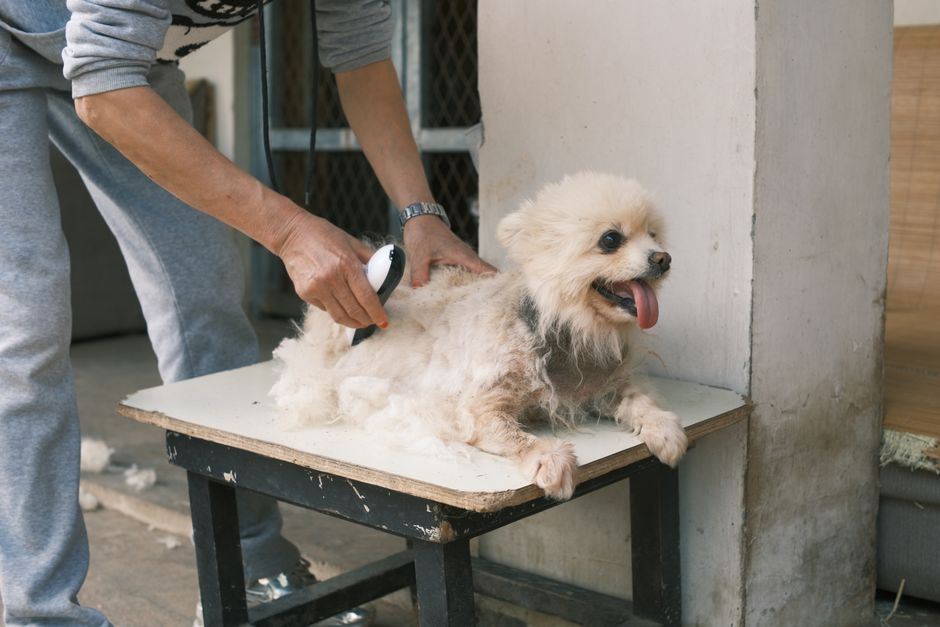
An FFF appointment, by contrast, skips the bath and body haircut entirely. Your groomer focuses only on the three high-maintenance zones, which means the dog spends far less time on the table.
Price and Time Differences
Most groomers charge anywhere from $15 to $40 for a standalone FFF service, compared to $50 to $120+ for a full groom, depending on breed size and coat type. Time-wise, an FFF touch-up usually takes 15–30 minutes, while a full groom can run 1.5 to 3 hours. That difference matters a lot if you’re managing a tight budget, a squirmy puppy, or a dog who simply can’t tolerate long sessions.
Breaking Down Each Part of the FFF Groom
Face
Groomers trim the fur around the eyes, muzzle, and ears to prevent hair from irritating the eyes, causing tear staining, or matting into uncomfortable clumps. For breeds with facial folds or long muzzle fur (think Shih Tzus, Poodles, or Cocker Spaniels), this step also improves visibility and reduces food or debris getting trapped in whiskers and beards.
Feet
Paw trims involve clipping the fur between paw pads, neatening the fur around the toes, and checking for debris, matting, or irritation. Groomers often trim nails during this step too. Overgrown paw fur causes dogs to slip on hardwood or tile floors and tracks in more dirt, mud, and salt from outside — a bigger deal than most owners realize.
Fanny (Sanitary Trim)
This is the trim around the rear end and genital area that prevents fecal matter and urine from matting into the fur. Left unaddressed, this area can become a breeding ground for bacteria, skin infections, and painful mats that pull on sensitive skin. It’s not the most glamorous part of grooming, but it’s arguably the most important for hygiene.
Why These Three Zones Matter Most
Face, feet, and fanny areas simply accumulate grime and tangles faster than the rest of the coat. They’re in constant contact with the ground, food, waste, and moisture. Between full grooming appointments — which might be every 6 to 8 weeks for many breeds — these zones can go from clean to matted in a matter of days, especially for double-coated or long-haired dogs.
When and Why to Book an FFF Service
Maintaining Longer-Haired Breeds Between Full Grooms
Take a Shih Tzu owner who books monthly FFF appointments between quarterly full grooms. This routine keeps eye staining under control and prevents the kind of matting around the face and rear that turns into a painful, expensive de-matting session later. It’s a smart middle-ground strategy: full grooms every 10–12 weeks, with FFF touch-ups filling the gaps.
Easing Puppies Into Grooming
Puppies aren’t always ready for a full grooming experience right away. Short FFF sessions introduce them to the sound of clippers, the feeling of being handled, and the grooming environment without overwhelming them. This builds positive associations early, so future full grooms go smoothly.
Supporting Senior or Anxious Dogs
Consider a senior Golden Retriever with arthritis who struggles to stand for long stretches on a grooming table. A full groom may be physically uncomfortable or stressful, but a quick FFF session addresses the essentials — clean feet, a tidy face, and a hygienic rear end — without demanding more than the dog can comfortably handle.
A Budget-Friendly Middle Ground
Not every dog needs (or every owner can afford) a full groom every month. FFF services let you stretch time between full grooms while still keeping your dog comfortable, clean, and free of painful mats in sensitive areas.
Essential Dog Grooming Tools for FFF Maintenance at Home
If you want to handle light touch-ups between professional visits, having the right dog grooming tools on hand makes a real difference.
- Rounded-tip scissors or trimmers — Safe for trimming around the eyes, ears, and paws without risking nicks or cuts.
- Slicker brush and metal comb — Use these to check for early mats around the face, legs, and rear before they tighten and pull on the skin.
- Nail clippers or a nail grinder — Keeping nails short between grooming visits reduces slipping and prevents overgrown nails from curling into paw pads.
- Grooming wipes or a damp cloth — Useful for a quick clean-up around the mouth and rear after meals or bathroom breaks.
When to DIY vs. When to Call a Professional
Face and paw touch-ups are generally safe for confident owners to handle at home, especially with a calm dog and the right tools. Sanitary trims, however, are best left to professionals unless you have real experience — this area is sensitive, and it’s easy to nick the skin if your dog moves unexpectedly. If you notice a Doodle mix prone to fecal matting, for example, it’s worth learning to recognize the early signs (small tangles or visible debris near the rear) so you know exactly when it’s time to book a sanitary trim rather than waiting for a full matted mess to develop.
Behavior and Training Tips for Stress-Free Grooming
Basic Obedience Makes Grooming Easier
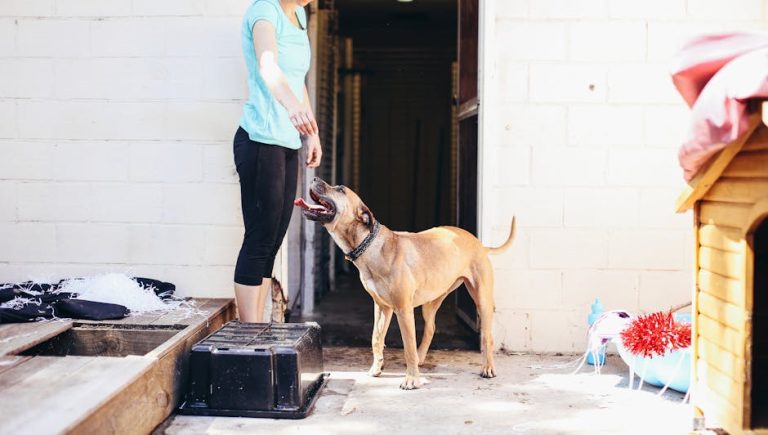
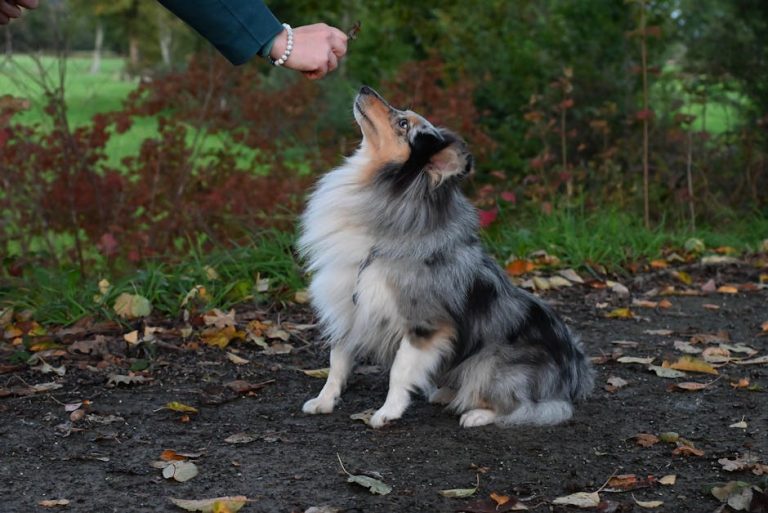
Dogs who know simple cues like “stay,” “paw,” and “wait” are dramatically easier to groom, whether at home or in a salon. A dog that can hold a position while you trim around sensitive areas reduces the risk of accidental nicks and speeds up the whole process.
If your dog struggles with basic commands or gets reactive during handling, working with a professional for dog obedience training in Fort Myers can make a real difference. Local trainers who understand grooming-related stress can help build the foundational skills — impulse control, calm handling, and confidence around touch — that make every grooming visit smoother.
Desensitization Techniques You Can Start Today
- Paws: Gently hold and massage each paw for a few seconds daily, rewarding calm behavior with treats.
- Face: Touch around the eyes, muzzle, and ears briefly, pairing it with praise or a small reward.
- Rear end: Practice light, brief touches near the tail and hindquarters, gradually increasing duration as your dog stays relaxed.
Consistency matters more than intensity here — a few minutes daily over several weeks builds far more trust than one long session.
Signs Your Dog Needs a Slower Approach
Watch for stiffening, lip licking, whale eye (showing the whites of the eyes), tail tucking, or attempts to move away. These are all signs your dog is uncomfortable and needs a break, a slower pace, or additional desensitization work before pushing forward. A new puppy owner in Fort Myers who pairs grooming desensitization exercises with basic obedience training early on typically sees a much calmer, more cooperative dog by the time regular grooming becomes part of the routine.
Building these habits — whether through home practice or professional obedience support — pays off every single time your dog sits down for an FFF touch-up or a full grooming appointment.