The Puppy Training Blueprint: From Chaos to Well-Behaved Dog in 2026
That adorable ball of fluff you just brought home is about to turn your world upside down—in the best possible way. But between the chewed shoes, middle-of-the-night whining, and those “accidents” on your favorite rug, you might be wondering if you’re cut out for this puppy parenting thing. Here’s the truth: every successful dog owner has been exactly where you are right now. The difference between a well-behaved adult dog and a four-legged tornado isn’t luck—it’s knowing the right training techniques to use during those crucial early months. Whether your puppy is 8 weeks old or 6 months old, these proven training strategies will help you build the foundation for a lifetime of good behavior, stronger communication, and a deeper bond with your furry best friend.
Start with the Foundation: Basic Commands Every Puppy Must Learn
The ‘Big Three’ Commands: Your Training Cornerstone
Every successful puppy training program starts with three essential commands: sit, stay, and come. These aren’t just cute tricks—they’re the building blocks that make every other training lesson possible. When your puppy masters these fundamentals, you’re not just teaching obedience; you’re establishing yourself as a calm, consistent leader and giving your puppy the tools to navigate the human world safely.
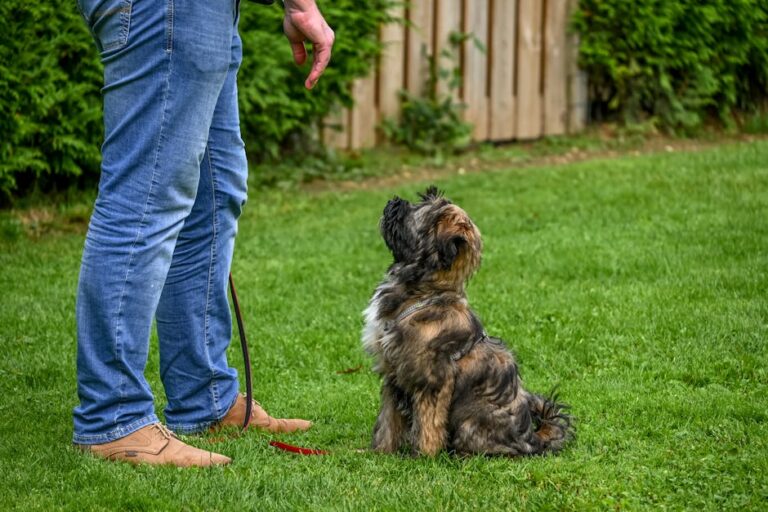
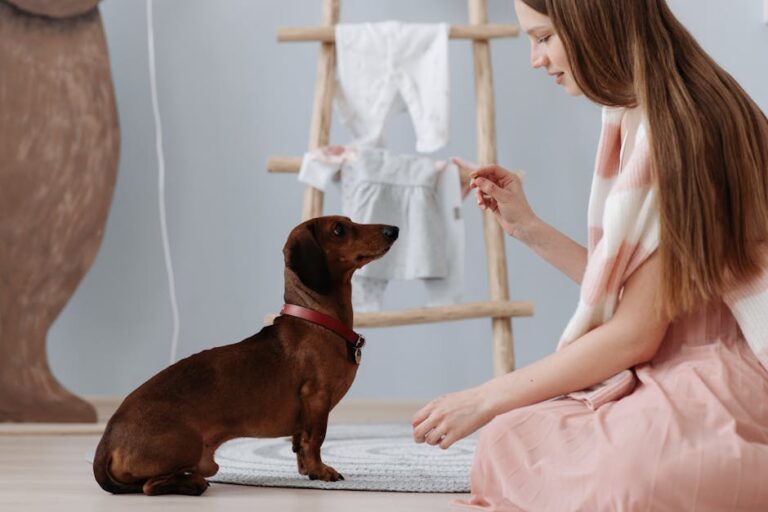
Start with “sit” because it’s the easiest win for both of you. Hold a treat close to your puppy’s nose, then slowly lift it over their head. As their head follows the treat, their bottom naturally touches the ground. The moment they sit, say “sit,” give the treat, and offer enthusiastic praise. Practice this 3-5 times per session, keeping each session under 5 minutes for puppies under 12 weeks old.
Timing and Positive Reinforcement That Actually Works
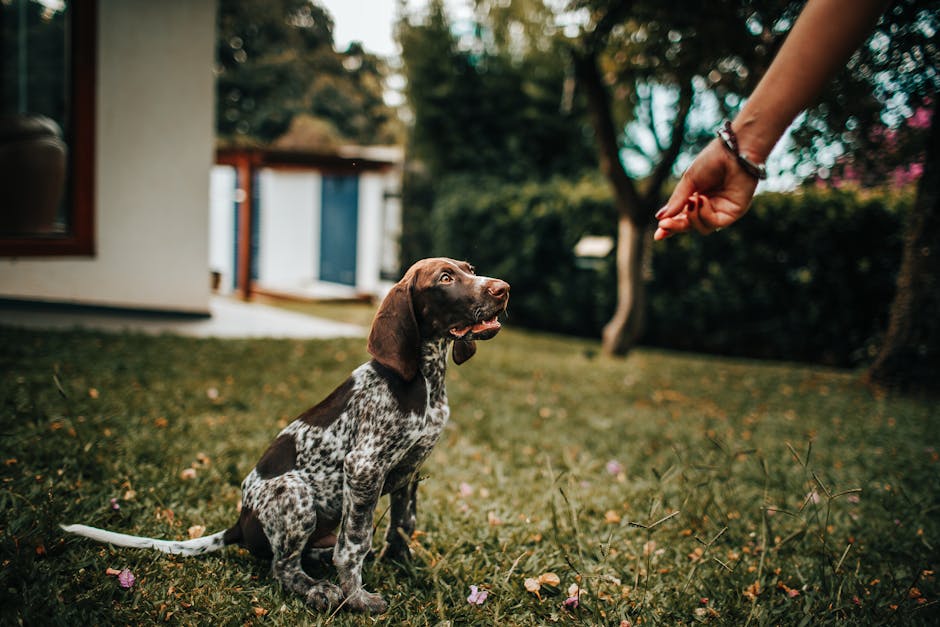
The secret to effective dog training tips for puppies lies in your timing. Your puppy has about a 1-2 second window to connect their action with your response. Miss that window, and you might accidentally reward the wrong behavior. Always mark the exact moment your puppy does what you want with either the word “yes” or a clicker, followed immediately by a reward.
Here’s where many owners stumble: they worry about creating a “treat-dependent” dog. The truth is, you can phase out food rewards without losing obedience. Start by rewarding every correct response, then gradually move to intermittent rewards—sometimes a treat, sometimes just praise, sometimes a quick game. This unpredictability actually strengthens the behavior because your puppy never knows when the “jackpot” is coming.
Common Training Mistakes That Sabotage Your Progress
The biggest mistake? Repeating commands. When you say “sit, sit, SIT!” you’re teaching your puppy that they don’t need to respond until the third or fourth request. Say it once, wait three seconds, and if they don’t respond, gently guide them into position. No frustration, no anger—just consistent follow-through.
Another pitfall is training when you’re stressed or distracted. Puppies are emotional sponges, and they’ll pick up on your energy immediately. If you’re having a rough day, skip the formal training and just work on simple bonding activities instead.
Solving the Most Challenging Puppy Behaviors
Stopping Destructive Chewing Before It Becomes Habit
Chewing is as natural to puppies as breathing, especially during teething phases that can last until they’re 6-8 months old. The key isn’t stopping the chewing—it’s redirecting it toward appropriate outlets.
Create a “legal chewing zone” with 3-4 different textured toys rotated weekly to maintain novelty. When you catch your puppy chewing something forbidden, don’t just say “no.” Interrupt the behavior with a gentle “eh-eh,” then immediately offer an approved chew toy. When they take it, praise enthusiastically.
Case Study: Sarah’s 12-week-old Lab puppy was destroying furniture legs and baseboards. Instead of constant corrections, she puppy-proofed the main areas and created designated chew stations in each room. She also increased the puppy’s physical exercise and mental stimulation through puzzle toys. Within three weeks, the destructive chewing dropped by 90%, and her puppy learned to seek out appropriate chew items independently.
House Training Success: Beyond the Basic Schedule
Successful house training isn’t just about frequent potty breaks—it’s about reading your puppy’s signals and creating positive associations with outdoor elimination. Puppies can typically “hold it” for one hour per month of age, plus one. So a 3-month-old puppy should go out every 4 hours, minimum.
But timing isn’t everything. Take your puppy to the same spot each time, use a consistent phrase like “go potty,” and stay outside until they eliminate. The moment they finish, throw a mini celebration—treats, praise, even a short play session. You want your puppy to think that going outside to eliminate is the best thing that happens all day.
Managing Jumping and Overly Enthusiastic Greetings
Real Scenario: Max, a high-energy Border Collie mix, was launching himself at every visitor, making guests uncomfortable and reinforcing his attention-seeking behavior. His owners implemented the “four paws on floor” protocol: whenever Max jumped, the person immediately turned away and ignored him completely. The second all four paws hit the ground, they turned back and offered calm attention.
The key was consistency—every family member and visitor had to follow the same protocol. Within two weeks, Max learned that jumping made people disappear, while calm behavior brought the attention he craved.
Building Your Puppy’s Focus and Attention Span
Age-Appropriate Training Sessions
Your puppy’s attention span is directly linked to their age and energy level. Puppies under 12 weeks can typically focus for 5-10 minutes maximum, while older puppies might manage 15-20 minutes. But here’s the secret: multiple short sessions throughout the day are infinitely more effective than one long training marathon.
Example Training Schedule:
- 7:00 AM: 5-minute basic commands session after morning potty break
- 12:00 PM: 10-minute leash training during midday walk
- 4:00 PM: 5-minute impulse control games (waiting for food bowl)
- 7:00 PM: 10-minute socialization and handling practice
- 9:00 PM: 5-minute calm “settle” training before bedtime
Environmental Management: Setting Up for Success
Your puppy can’t fail if they don’t have the opportunity to make mistakes. This means strategically managing their environment during the learning phase. Baby gates become your best friend, creating spaces where your puppy can roam freely without accessing trouble zones.
Use tethering techniques during training sessions—attach your puppy’s leash to your belt or a sturdy piece of furniture. This prevents them from wandering off mid-lesson and helps them learn to settle calmly near you.
Recognizing Overwhelm and Mental Fatigue
Watch for these signs that your puppy needs a break: excessive panting, inability to settle, mouthing or nipping behaviors, or suddenly “forgetting” commands they knew five minutes ago. When you see these red flags, end the session immediately and give your puppy time to decompress in their safe space.
Socialization and Real-World Training Applications
Safe Socialization for Young Puppies
The socialization window closes rapidly—by 16 weeks, your puppy’s brain becomes less adaptable to new experiences. But how do you improve your dog’s obedience while keeping an unvaccinated puppy safe? Focus on controlled exposures rather than free-for-all interactions.
Carry your puppy to different locations where they can observe (but not interact with) various sights, sounds, and activities. Invite healthy, vaccinated dogs you know to your home for supervised meetings. Set up “puppy socials” with other responsible owners whose puppies are on similar vaccination schedules.
Leash Training Without the Drama
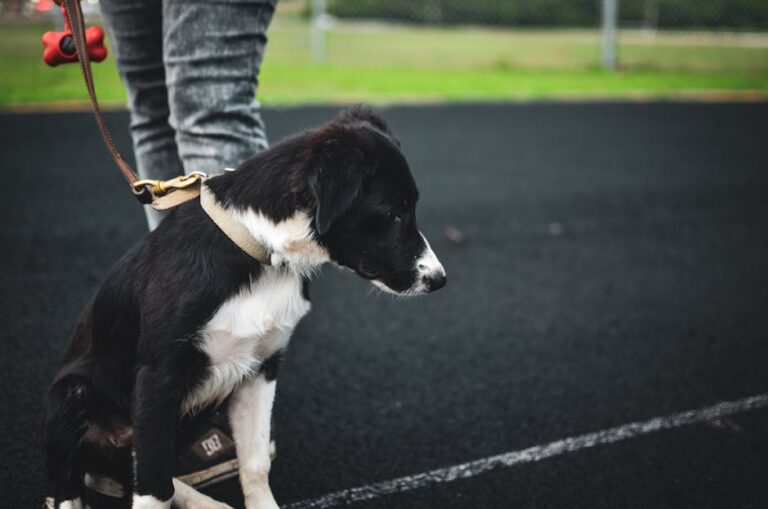
Most puppies react to their first leash like it’s a snake attacking their neck. Start with collar conditioning—let them wear the collar for short periods during positive activities like meals or play. Once they’re comfortable with the collar, attach the leash and let them drag it around under supervision.
The first few “real” walks should happen in your backyard or other familiar territory. Use high-value treats and maintain an upbeat, encouraging tone. When your puppy pulls, stop moving entirely. Only move forward when the leash is loose. This teaches them that pulling gets them nowhere, while walking nicely gets them everywhere they want to go.
Preparing for Lifelong Situations
Case Study: Luna, an 8-week-old Golden Retriever, was experiencing severe anxiety during handling and vet visits. Her owners implemented a “two-week shutdown” period focused on building confidence through gentle handling exercises. They practiced touching her paws, looking in her ears, and opening her mouth—all paired with treats and calm praise. They also created positive associations with the vet clinic by visiting just for weigh-ins and treat parties, not just medical procedures.
By 16 weeks, Luna was confidently allowing full examinations and even seemed to enjoy vet visits. This early investment saved countless stress and potential behavioral issues down the road.
Troubleshooting Training Challenges and When to Seek Help
Adapting for Different Personalities
Not all puppies respond to the same training approach. Confident, outgoing puppies might need firmer boundaries and more mental challenges, while shy puppies require extra patience and gentler methods. High-energy breeds need more physical exercise before they can focus on mental tasks, while calmer breeds might be ready for longer training sessions earlier.
Pay attention to what motivates your individual puppy. Some are food-driven, others prefer toys, and many respond best to social praise and attention. Tailor your rewards to match their preferences for maximum effectiveness.
When Progress Stalls
Every puppy hits training plateaus where they seem to “forget” everything they’ve learned. This is completely normal and usually indicates they’re processing new information or going through a developmental phase. During these periods, go back to basics and reduce your expectations temporarily.
Sometimes apparent regression is actually your puppy testing boundaries—a normal part of their development. Stay consistent with your rules and expectations, but don’t escalate your corrections. Patience and persistence will get you through these challenging phases.
Red Flags for Professional Help
Seek professional trainer support if your puppy shows signs of resource guarding (growling over food or toys), excessive fear that doesn’t improve with gentle exposure, or aggression toward people or other animals. Additionally, if your puppy is over 6 months old and still having frequent house training accidents despite consistent efforts, a professional can help identify underlying issues.
Remember, asking for help isn’t admitting failure—it’s ensuring you and your puppy get the best possible start together. The right trainer can accelerate your progress and prevent small issues from becoming major behavioral problems.
The journey from chaotic puppy to well-behaved companion using a structured training plan isn’t always smooth, but it’s incredibly rewarding. Every challenge you work through together strengthens your bond and builds the foundation for years of mutual understanding and joy. Stay consistent, celebrate small victories, and trust the process—you’ve got this.