The New Dog Parent’s Complete Guide: From Daily Care to Basic Commands
Congratulations on welcoming your new furry family member! Taking care of a dog for the first time can feel overwhelming—between feeding schedules, potty training, grooming needs, and teaching basic commands, there’s a lot to learn about essential dog care routines. But here’s the good news: with the right foundation and step-by-step approach, you’ll quickly develop the confidence to give your dog the happy, healthy life they deserve. This comprehensive beginner’s guide breaks down everything you need to know about complete dog care for beginners, from establishing daily routines to mastering essential grooming techniques and basic training commands that will set you both up for success.
Setting Up Your Dog’s Daily Care Foundation
Creating a consistent feeding schedule forms the cornerstone of successful dog care. Adult dogs typically thrive on two meals per day, while puppies under six months need three to four smaller meals. Feed your dog at the same times each day—most owners find success with morning and evening meals spaced 8-12 hours apart. Portion sizes depend on your dog’s weight, age, and activity level, but the feeding guidelines on your dog food package provide an excellent starting point.
Establishing a potty training routine requires patience and consistency. Take your dog outside first thing in the morning, after each meal, after naps, during play breaks, and right before bed. Puppies can typically “hold it” for one hour per month of age, plus one additional hour—so a three-month-old puppy needs bathroom breaks every four hours maximum.
Here’s a sample daily schedule that works for most new dog owners:
- 7:00 AM: Wake up, immediate potty break, breakfast
- 8:00 AM: Short walk or play session
- 12:00 PM: Midday potty break and brief training session
- 5:00 PM: Dinner followed by potty break
- 6:00 PM: Longer walk or active play time
- 9:00 PM: Final potty break before bed
Setting up safe spaces throughout your home helps your dog feel secure while protecting your belongings. Create a designated sleeping area with a comfortable bed, establish feeding stations away from high-traffic areas, and provide appropriate chew toys to redirect natural chewing behaviors. Remove common hazards like electrical cords, small objects that could be swallowed, and toxic plants from your dog’s reach.
Daily exercise and mental stimulation prevent destructive behaviors and promote better health. Most dogs need 30 minutes to two hours of activity daily, depending on their breed and energy level. Mix physical exercise like walks and fetch with mental challenges like puzzle toys, training sessions, and supervised exploration of new environments.
Essential Dog Grooming Techniques Every Beginner Should Master
Brushing techniques vary significantly based on your dog’s coat type. Short-haired breeds like Beagles need weekly brushing with a rubber curry brush or bristle brush, working in circular motions to remove loose hair and distribute natural oils. Long-haired breeds like Golden Retrievers require daily brushing using a slicker brush followed by a metal comb to prevent matting. Always brush in the direction of hair growth, paying special attention to areas prone to tangles like behind the ears, under the legs, and around the tail.
Safe nail trimming becomes manageable with the right approach and tools. Use guillotine or scissor-type clippers designed specifically for dogs. Hold your dog’s paw firmly but gently, and clip only the white or clear portion of the nail, staying well away from the pink “quick” inside. If you accidentally cut the quick, apply styptic powder to stop bleeding. Most dogs need nail trims every 3-4 weeks, though active dogs who walk on concrete may naturally wear down their nails.
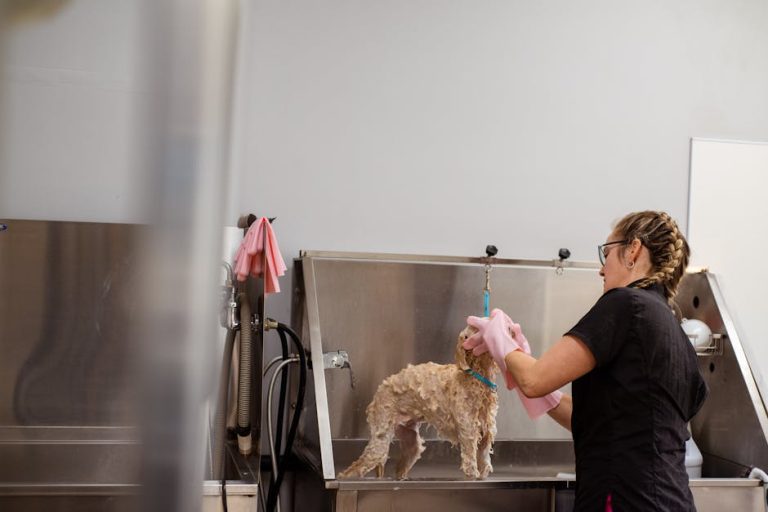
Proper bathing procedures start with preparation. Brush your dog thoroughly before wetting their coat, as water can tighten mats and make them harder to remove. Use lukewarm water and dog-specific shampoo—human products can irritate their skin. Wet your dog from the neck down, avoiding the face initially. Work shampoo into a lather, rinse thoroughly, then gently clean the face with a damp washcloth. Most dogs need baths every 6-8 weeks, though dogs with skin conditions or those who spend lots of time outdoors may need more frequent bathing.
Basic ear cleaning and dental care prevent common health issues. Clean your dog’s ears weekly using a veterinarian-approved ear cleaner and cotton balls—never use cotton swabs deep in the ear canal. For dental care, brush your dog’s teeth 2-3 times weekly using dog toothpaste and a soft-bristled toothbrush. Start slowly, letting your dog get used to having their mouth handled before introducing the toothbrush.
Teaching Your Dog Basic Commands: The Building Blocks of Good Behavior
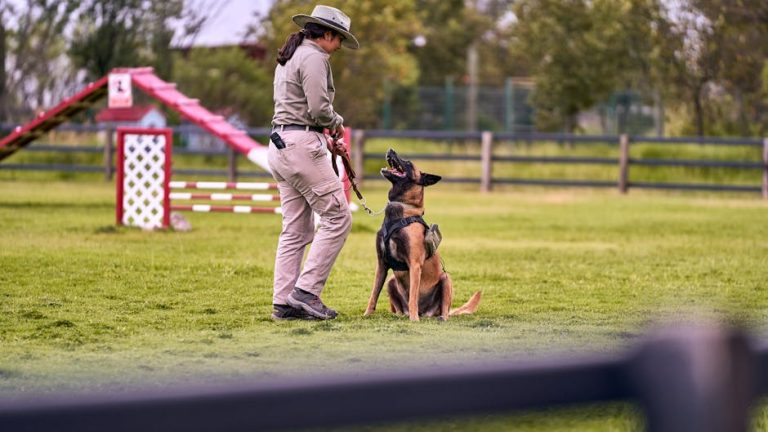
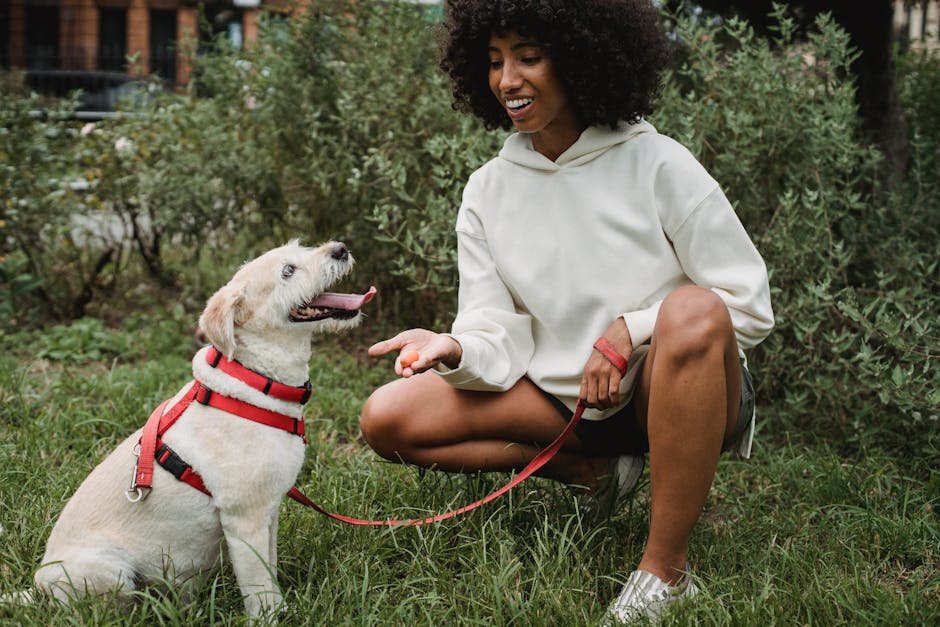
Starting with ‘sit’ and ‘stay’ provides the foundation for all other training. To teach ‘sit’, hold a treat close to your dog’s nose, then slowly lift it over their head. As their head follows the treat, their bottom naturally touches the ground. The moment they sit, say “sit,” give the treat, and offer praise. Practice this 5-10 times daily in short sessions.
Once your dog reliably sits on command, introduce ‘stay’. With your dog in the sitting position, hold your palm up in a “stop” gesture, take one small step backward, and say “stay.” Wait just two seconds, then step forward, say “okay” (your release word), and reward. Gradually increase the duration and distance as your dog succeeds.
Mastering ‘come’ for safety requires making yourself irresistibly interesting to your dog. Start indoors in a small space with minimal distractions. Get down to your dog’s level, say “come” in an excited voice, and gently pat your legs or clap your hands. When they reach you, reward enthusiastically with treats and praise. Never call your dog to come for something they perceive as negative—this breaks down their trust in the command.
Teaching ‘down’ and ‘leave it’ builds impulse control. For ‘down’, start with your dog in a sit position. Hold a treat to their nose, then slowly lower it straight down to the floor. Most dogs will follow the treat, naturally lying down. Say “down” as they complete the movement, then reward. ‘Leave it’ teaches your dog to ignore tempting but potentially dangerous items. Place a treat in your closed fist, let your dog sniff and paw at your hand, but don’t open it. The moment they stop trying and look away, say “leave it,” then reward with a different treat from your other hand.
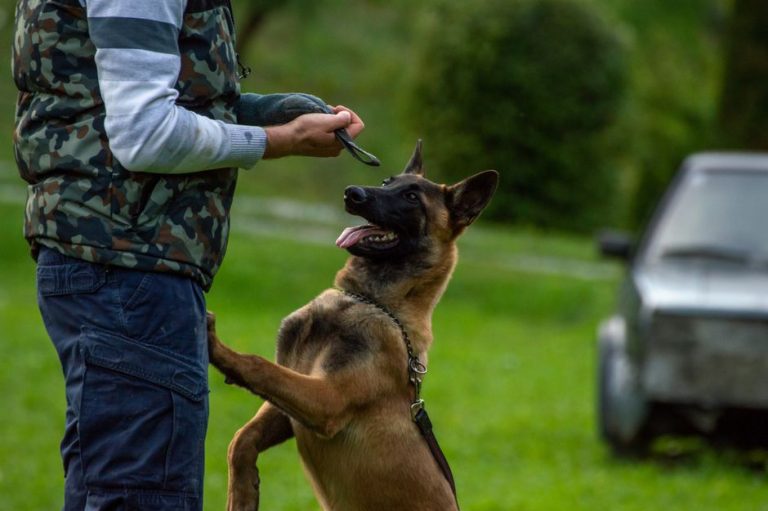
Using positive reinforcement techniques creates lasting behavioral changes without fear or intimidation. Time your rewards precisely—within 2-3 seconds of the desired behavior. Use high-value treats your dog finds irresistible, and vary your rewards between food, praise, and play to keep training sessions engaging.
Health and Safety Essentials for New Dog Parents
Recognizing signs of illness helps you respond quickly to health concerns. Contact your veterinarian if you notice changes in appetite, energy level, bathroom habits, or behavior lasting more than 24 hours. Watch for obvious symptoms like vomiting, diarrhea, excessive drooling, difficulty breathing, or limping. Trust your instincts—you know your dog best, and it’s always better to err on the side of caution.
Vaccination schedules and preventive care protect your dog from serious diseases. Puppies typically receive their first vaccinations at 6-8 weeks, with boosters every 3-4 weeks until 16 weeks old. Core vaccines include distemper, hepatitis, parvovirus, and rabies. Adult dogs need annual or triennial boosters depending on the vaccine and local regulations. Establish a relationship with a trusted veterinarian during your dog’s first few weeks home.
Dog-proofing your home prevents accidents and emergency vet visits. Secure garbage cans, store medications and cleaning supplies in cabinets, and remove toxic plants like chocolate, grapes, onions, and xylitol-containing products from your dog’s reach. Install safety gates to restrict access to certain areas, and provide appropriate outlets for natural behaviors like chewing and digging.
Emergency preparedness includes assembling a basic first aid kit with gauze, medical tape, antiseptic wipes, and your veterinarian’s contact information. Learn basic techniques like checking your dog’s pulse and breathing rate, and identify the nearest 24-hour emergency veterinary clinic.
Building a Strong Bond Through Consistent Care Routines
Creating predictable schedules reduces anxiety for both you and your dog. Dogs thrive on routine, and knowing what to expect throughout the day helps them feel secure in their new environment. Stick to consistent meal times, walk schedules, and bedtimes, especially during your dog’s first few months home.
Understanding your dog’s body language improves your communication and strengthens your relationship. A relaxed dog typically has soft eyes, loose body posture, and may show a gentle tail wag. Signs of stress include panting when not hot, pacing, excessive shedding, or withdrawal from normal activities. Happy, confident dogs often display “play bows” (front end down, rear end up), relaxed facial expressions, and enthusiastic tail wagging.
Socializing your dog safely during their critical socialization period (3-14 weeks for puppies) shapes their future behavior. Introduce your dog to different people, environments, sounds, and experiences gradually and positively. Puppy socialization classes provide controlled environments for learning appropriate social skills with other dogs.
Troubleshooting common beginner challenges requires patience and consistency. House training accidents, excessive chewing, and separation anxiety often resolve with time and proper management. Remember that most behavioral issues stem from unmet needs—insufficient exercise, mental stimulation, or inconsistent boundaries. When problems persist, consider consulting a professional dog trainer or veterinary behaviorist, or review fundamental care basics to ensure you’re meeting all your dog’s essential needs.
The journey from overwhelmed new dog parent to confident caregiver typically takes 2-3 months of consistent effort. Focus on building one habit at a time, celebrate small victories, and remember that every dog learns at their own pace. Your patience and dedication during these early weeks create the foundation for years of companionship and joy with your four-legged family member.