The Expert-Backed Guide to Choosing the Best Dry Puppy Food in 2026
Choosing the right dry puppy food can feel overwhelming when you’re standing in the pet store aisle, surrounded by dozens of colorful bags making bold promises. Your growing pup needs precise nutrition to develop strong bones, a healthy immune system, and sustained energy for all that playful exploration—but not all dry puppy foods deliver on these essentials. The good news? Once you understand what to look for in ingredients, feeding guidelines, and breed-specific needs, selecting the best dry puppy food becomes straightforward. In this guide, we’ll cut through the marketing noise and give you the expert-backed criteria to confidently choose a dry food that will fuel your puppy’s healthy development from 8 weeks to adulthood—building on our comprehensive puppy food rankings and reviews for 2026.
What Makes Dry Puppy Food Different (And Why It Matters)
Puppies aren’t just small adult dogs—their nutritional needs are dramatically different, especially during their first year of explosive growth. A puppy food formula must deliver significantly higher protein and calorie content than adult formulations to support rapid muscle development, organ growth, and the constant energy demands of an active young dog.
Critical Growth Nutrients
DHA (docosahexaenoic acid) plays a crucial role in brain and vision development during those first critical months. Quality puppy foods incorporate DHA from fish oil or other marine sources to support cognitive development that directly impacts trainability and learning capacity.
Calcium and phosphorus ratios require precise balancing—too little stunts bone development, while excess calcium can cause skeletal deformities, particularly in large breed puppies. The ideal ratio sits between 1.2:1 and 1.8:1 (calcium to phosphorus).
AAFCO Standards Matter
Look for puppy foods that meet AAFCO feeding trial standards rather than just nutrient profile requirements. Feeding trials involve actual puppies eating the food over extended periods, providing real-world proof that the formula supports healthy growth. Foods meeting feeding trial standards will state: “Animal feeding tests using AAFCO procedures substantiate that [product name] provides complete and balanced nutrition.”
Kibble Size and Texture Considerations
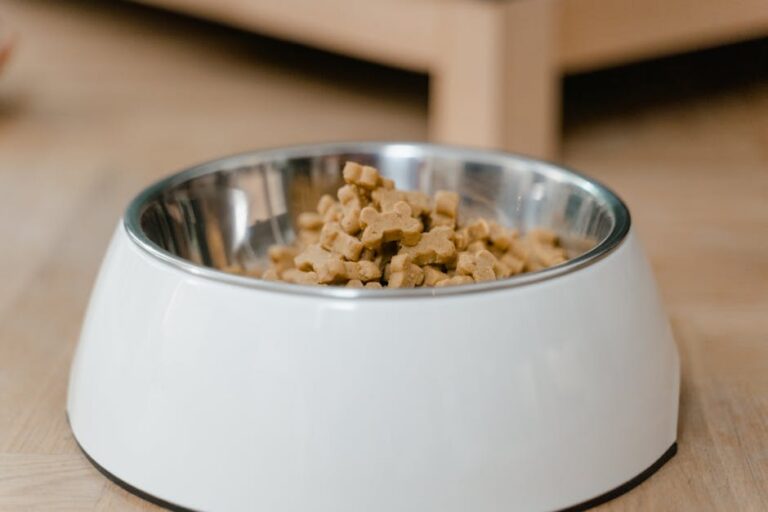
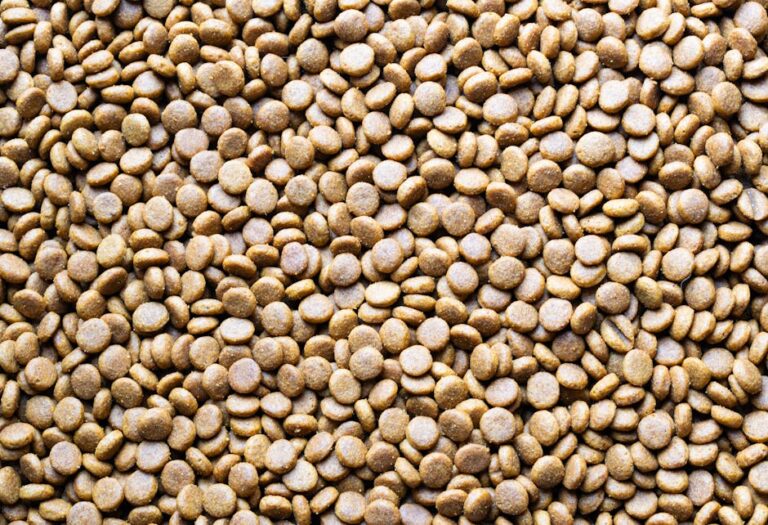
Age-appropriate kibble size ensures proper chewing and digestion. Small kibble pieces encourage thorough chewing, which aids digestion and helps prevent choking. The texture should be firm enough to promote dental health but not so hard that it damages developing teeth.
Key Ingredients to Look For (And Red Flags to Avoid)
Quality Protein Sources
The first ingredient should always be a named protein source—chicken, salmon, lamb, or beef. Avoid vague terms like “poultry meal” or “meat meal.” While meal ingredients aren’t inherently bad (they’re concentrated protein sources), specific naming ensures you know exactly what your puppy is eating.
Whole meat vs. meat meal: Fresh chicken appears heavier on ingredient lists due to water content, but chicken meal provides more concentrated protein per pound. Quality puppy foods often combine both for optimal protein delivery.
Beneficial Additives
Modern puppy foods incorporate scientifically-backed additives that support healthy development:
- Prebiotics and probiotics maintain digestive health during the stress of weaning and dietary transitions
- Omega-3 fatty acids (EPA and DHA) support brain development, immune function, and coat health
- Antioxidants like vitamin E, vitamin C, and selenium boost immune system development
- Glucosamine and chondroitin provide early joint support, especially important for medium and large breed puppies
Red Flag Ingredients to Avoid
Excessive fillers like corn gluten meal, wheat middlings, or soybean hulls provide calories but little nutritional value. While some grain content is acceptable and even beneficial, these ingredients shouldn’t dominate the formula.
Artificial preservatives including BHA, BHT, and ethoxyquin have raised health concerns. Look for natural preservation methods using tocopherols (vitamin E) or rosemary extract instead.
Generic by-product meals lack transparency about protein sources and quality. Specific by-product meals (like “chicken by-product meal”) provide more accountability than vague “poultry by-product meal.”
Reading Guaranteed Analysis
The guaranteed analysis provides minimum percentages for crude protein and fat, plus maximum percentages for crude fiber and moisture. For puppies, look for:
- Protein: Minimum 22-28% for most breeds, higher for large breeds
- Fat: 8-15% depending on breed size and activity level
- Moisture: Maximum 10% for dry food (lower moisture means more concentrated nutrition)
Best Dry Puppy Foods by Breed Size
Small Breed Puppy Formulas (Under 25 lbs)
Small breed puppies face unique challenges: hypoglycemia risks from their fast metabolisms and dental issues from crowded teeth. The best puppy food for small breeds addresses these concerns with higher calorie density and appropriately sized kibble.
Small breed formulas typically contain 400-500 calories per cup compared to 350-400 for regular puppy foods. This concentrated nutrition helps tiny stomachs meet energy needs without overeating.
Kibble size matters significantly—pieces should be small enough for Chihuahua or Yorkshire Terrier mouths but large enough to encourage chewing rather than gulping.
Medium Breed Considerations (25-60 lbs)
Medium breed puppies benefit from balanced growth formulas that provide adequate nutrition without the extreme calorie density of small breed foods or the growth restrictions of large breed formulas. The best puppy food for medium breeds typically contains moderate calcium levels (1.0-1.5%) that support steady growth without excess.
These dogs often thrive on standard puppy formulations, making them the most flexible category for food selection. Focus on high-quality ingredients and appropriate feeding portions rather than breed-specific formulations.
Large Breed Puppy Needs (Over 60 lbs)
Large breed puppies require the most careful nutrition management. Controlled calcium and phosphorus ratios prevent developmental orthopedic diseases like hip dysplasia and osteochondrosis.
Large breed puppy foods typically contain:
- Calcium: 0.7-1.2% (lower than regular puppy food)
- Fat: 10-14% (moderate levels prevent too-rapid growth)
- Calories: 350-400 per cup (controlled energy density)
A real case study from a veterinary nutritionist followed Golden Retriever littermates over four months, similar to the breed-specific research highlighted in our complete Labrador feeding guide. Puppies fed adult food (higher calcium) showed early signs of joint stress, while those on appropriate large breed puppy formula developed normally with no orthopedic concerns.
All Life Stages vs. Puppy-Specific Formulations
“All life stages” foods meet requirements for both puppies and adults but often represent compromises. Puppy-specific formulations provide targeted nutrition for optimal development, making them the preferred choice during the critical first year.
Top Dry Puppy Food Recommendations for 2026
Premium Options with Proven Track Records
Current veterinary research in 2026 continues to support grain-inclusive formulas for most puppies, following the FDA’s ongoing investigation into grain-free diets and potential heart disease connections. Premium options focus on whole food ingredients with minimal processing.
Top-performing brands consistently demonstrate feeding trial success and maintain transparent sourcing practices. Look for companies that employ veterinary nutritionists and conduct regular quality testing.
Budget-Friendly Choices That Deliver
Quality puppy nutrition doesn’t require premium pricing. Several mainstream brands offer excellent nutrition at accessible price points by focusing on proven ingredients rather than marketing gimmicks.
Compare cost-per-feeding rather than bag price—higher-quality foods often provide better value through concentrated nutrition requiring smaller portions.
Specialty Diets for Sensitive Puppies
Approximately 15% of puppies show food sensitivity signs: loose stools, excessive gas, or skin irritation. Limited ingredient diets with novel protein sources (duck, venison, or salmon) often resolve these issues.
A rescue puppy case study involved a 12-week-old mixed breed with persistent digestive issues. Transitioning from a chicken-based formula to a limited ingredient salmon and sweet potato formula resolved symptoms within two weeks, allowing normal growth to resume.
Transitioning and Feeding Guidelines for Success
The 7-10 Day Transition Schedule
Abrupt food changes cause digestive upset in puppies’ sensitive systems. Follow this proven transition schedule:
- Days 1-2: 75% old food, 25% new food
- Days 3-4: 50% old food, 50% new food
- Days 5-6: 25% old food, 75% new food
- Days 7+: 100% new food
Extend the timeline if your puppy shows any digestive sensitivity during the process.
Age-Appropriate Feeding Schedules
8-12 weeks: 4 meals daily, equal portions
3-6 months: 3 meals daily, slightly larger portions
6-12 months: 2-3 meals daily, transitioning toward adult schedule
Young puppies need frequent meals to maintain stable blood sugar and support growth demands. Free-feeding (leaving food out constantly) prevents proper portion control and makes housetraining more difficult.
Body Condition Scoring Over Package Guidelines
Package feeding guidelines provide starting points, but individual puppies vary significantly in metabolism and activity levels. Use body condition scoring to adjust portions:
- Ideal condition: Ribs easily felt with light pressure, visible waist when viewed from above
- Underweight: Ribs easily visible, prominent waist
- Overweight: Ribs difficult to feel, no visible waist
Timing the Switch to Adult Food
Switching timing depends on breed size and individual development:
- Small breeds: 9-12 months or when reaching adult weight
- Medium breeds: 12-15 months
- Large breeds: 18-24 months
Large breed dogs benefit from extended puppy food feeding to support their longer growth periods, but monitor body condition to prevent overfeeding as growth slows.
The transition to adult food should follow the same gradual process used when initially selecting puppy food, ensuring digestive comfort throughout the change. Your puppy’s successful development depends not just on choosing quality dry food, but on consistent, appropriate feeding practices that support their unique growth journey from playful puppy to healthy adult companion.