How to Take Care of a Dog: Your Complete Beginner’s Guide for 2026
Bringing home your first dog is one of life’s most rewarding experiences—and one of the most overwhelming. Between figuring out feeding schedules, house training, and basic commands, new dog owners often feel like they’re drowning in conflicting advice from friends, family, and the internet. The good news? Dog care doesn’t have to be complicated. With the right foundation in place, you’ll quickly develop the confidence and routine that makes caring for your four-legged family member feel natural. Whether you’ve just picked up your puppy or adopted an adult dog, this comprehensive guide covers everything you need to know to give your new companion the best possible start in their forever home.
Essential First Week Setup: Creating a Safe and Comfortable Environment
The first week with your new dog sets the tone for everything that follows. Before your furry friend even walks through the door, you’ll want to create a safe, welcoming environment that reduces stress and prevents accidents.
Puppy-Proofing Your Home
Start by getting down to your dog’s eye level and scanning each room for potential hazards. Electrical cords should be tucked away or covered with cord protectors, especially behind entertainment centers and desks. Remove or secure small objects that could become choking hazards—think hair ties, coins, and children’s toys.
In the kitchen, install childproof latches on cabinets containing cleaning supplies, medications, or foods toxic to dogs. Many common household items like chocolate, xylitol-containing gum, and certain houseplants pose serious health risks that are easily prevented with some advance preparation.
Designated Spaces That Work
Your dog needs clearly defined areas for different activities. Set up a comfortable sleeping area away from high-traffic zones—this could be a crate with soft bedding or a dog bed in a quiet corner. For eating, choose a spot that’s easily cleanable and away from where people gather, reducing competition and stress during meal times.
Create a play zone with appropriate toys, rotating them weekly to maintain interest. This designated area helps your dog understand where energetic activities belong, making it easier to redirect unwanted behavior later.
Safety Equipment Essentials
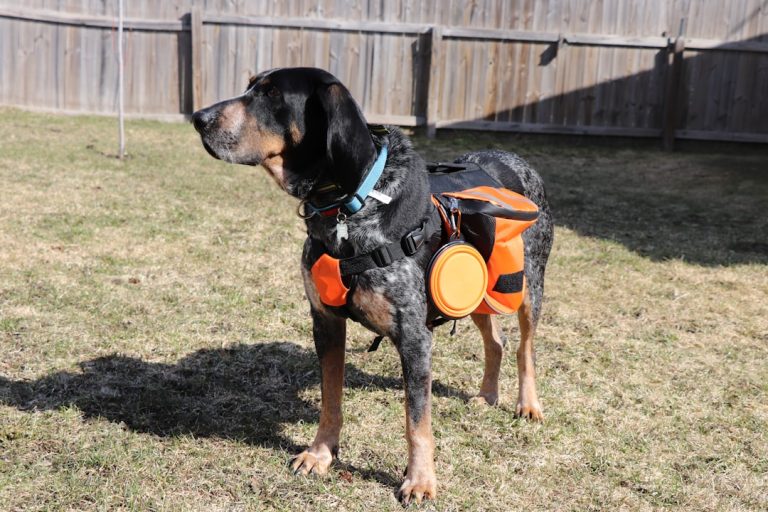
A properly fitted collar with current ID tags is non-negotiable, even for indoor dogs. The collar should be snug enough that you can slip two fingers underneath, but not so loose that your dog can back out of it. For walking, start with a standard 6-foot leash that gives you control while allowing some freedom to explore.
Consider a backup identification method like microchipping, which provides permanent identification if tags are lost. Many veterinarians offer this service during routine visits.
Building Your Daily Routine
Dogs thrive on predictability, so establish consistent times for meals, walks, play, and sleep from day one. A sample schedule might include morning potty breaks at 7 AM, breakfast at 7:30 AM, midday walk at noon, dinner at 5 PM, and final potty break at 10 PM.
This structure isn’t just convenient for you—it helps your dog feel secure and makes house training significantly easier when they can anticipate bathroom opportunities.
Nutrition Fundamentals: Feeding Your Dog for Optimal Health
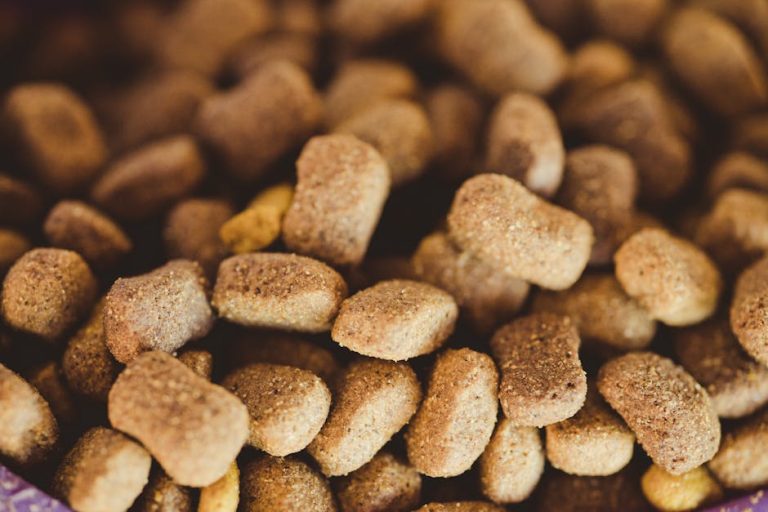
Understanding your dog’s nutritional needs forms the foundation of their long-term health and happiness, which is why mastering essential pet care routines is so crucial for new owners. With countless food options available in 2026, making informed choices doesn’t have to feel overwhelming when you know what to look for.
Age-Appropriate Nutrition Requirements
Puppies under 12 months need food specifically formulated for growth, containing higher protein and fat percentages than adult formulas. Large breed puppies require special consideration—foods designed to control calcium and phosphorus levels prevent developmental orthopedic problems.
Adult dogs (1-7 years) do well on maintenance formulas that provide balanced nutrition without excess calories. Senior dogs may benefit from foods with joint support supplements and easily digestible proteins, though not every older dog needs a senior formula.
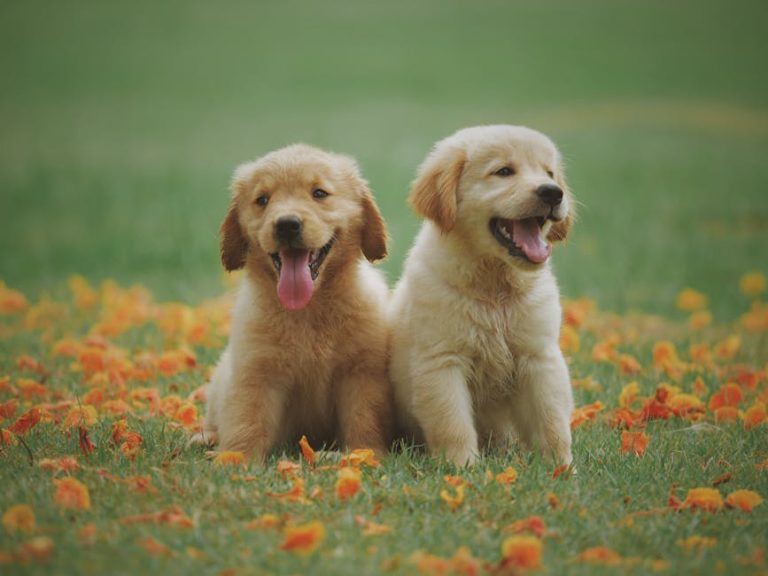
Portion sizes vary dramatically based on your dog’s size, age, and activity level. A 10-week-old Golden Retriever puppy might eat 1.5 cups daily split into three meals, while an adult of the same breed could need 3-4 cups divided into two meals.
Decoding Food Labels
The ingredient list tells the real story about food quality. Look for named meat sources like “chicken” or “salmon” in the first few ingredients, rather than generic terms like “meat meal” or “poultry by-product meal.”
Guaranteed analysis panels show minimum protein and fat percentages, but don’t assume higher numbers always mean better quality. A moderately active adult dog typically needs foods containing 18-25% protein and 8-15% fat.
AAFCO (Association of American Feed Control Officials) statements indicate whether the food meets nutritional standards for your dog’s life stage. This certification provides assurance that the food contains appropriate nutrient levels.
Creating an Effective Feeding Schedule
Most adult dogs do well with two meals daily, spaced 8-12 hours apart. Puppies under 6 months typically need three meals to maintain steady blood sugar and energy levels.
Meal timing directly impacts house training success. Feed at consistent times, then take your dog outside 15-30 minutes after eating when they’re most likely to eliminate. This predictable pattern accelerates the house training process significantly.
Safe Foods vs. Dangerous Foods
Never feed your dog: chocolate, grapes, raisins, onions, garlic, xylitol (artificial sweetener), macadamia nuts, or avocado. These can cause anything from upset stomach to organ failure.
Safe occasional treats include: plain cooked chicken, carrots, apple slices (without seeds), and plain rice. These can be valuable training rewards and provide variety without health risks.
When transitioning between foods, mix the new food with the old over 7-10 days, gradually increasing the new food ratio. This prevents digestive upset and allows you to monitor how well your dog tolerates the change.
House Training and Basic Commands: Building Good Habits Early
Successful house training and basic obedience create the framework for a well-behaved dog. These skills require consistency and patience, but the right approach makes the process straightforward for both you and your dog.
The Crate Training Method That Works
Crate training leverages your dog’s natural instinct to keep their sleeping area clean. Choose a crate just large enough for your dog to stand, turn around, and lie down—excess space encourages accidents in one corner.
Start by feeding meals in the crate with the door open, creating positive associations. Gradually increase the time your dog spends inside, beginning with 10-15 minute intervals. Never use the crate for punishment, as this undermines its effectiveness as a safe haven.
Take your dog outside immediately after releasing them from the crate, especially first thing in the morning and after naps. Young puppies can typically “hold it” for about one hour per month of age, plus one hour.
Teaching Essential Commands Using Positive Reinforcement
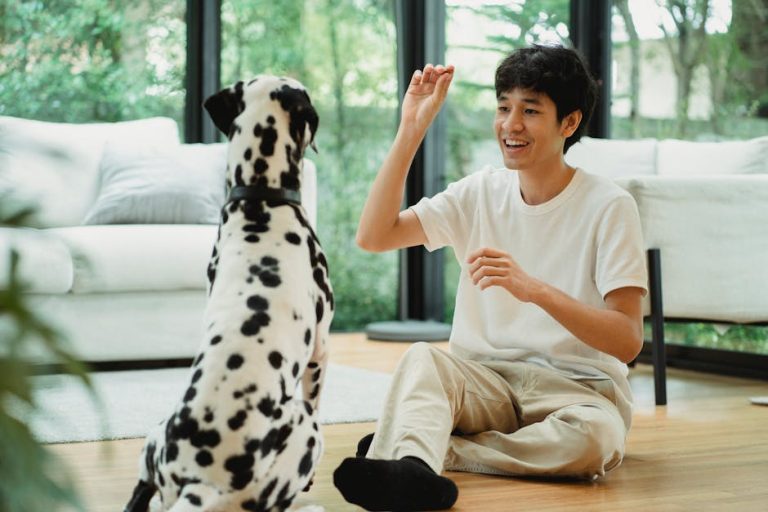
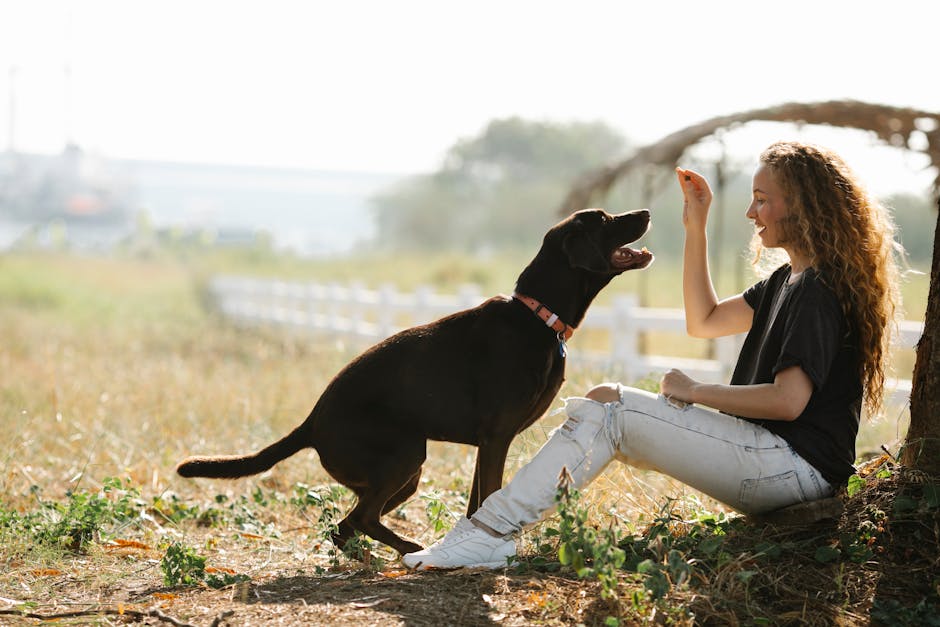
Teaching “Sit” is often the easiest starting point. Hold a treat close to your dog’s nose, then slowly lift it over their head. As their head follows the treat, their bottom naturally touches the ground. The moment they sit, say “sit,” give the treat, and offer praise.
Practice this sequence 5-10 times daily in short sessions. Most dogs master “sit” within a few days when training sessions remain positive and consistent.
“Stay” builds on the sit command. With your dog in the sit position, hold your hand up in a “stop” gesture and take one small step backward. Wait just 2-3 seconds, then return to your dog and reward. Gradually increase distance and duration as your dog succeeds.
“Come” requires extra patience since it competes with interesting distractions. Start in a boring hallway or small room. Get down to your dog’s level, say “come” enthusiastically, and gently pat your legs. When they reach you, celebrate like they’ve won the lottery—this command could save their life someday.
Setting Up Successful Training Sessions
Keep training sessions short—5-10 minutes maximum—and end on a positive note. Dogs learn better through multiple brief sessions than one long, exhausting lesson.
Train before meals when your dog is hungry and motivated by food rewards. Use high-value treats like small pieces of cooked chicken or cheese that your dog finds irresistible.
Practice in different locations once your dog masters a command at home. A dog who sits perfectly in the kitchen might act like they’ve never heard the word in the backyard without this generalization practice.
Troubleshooting Common Setbacks
Accidents happen, even with the most diligent house training efforts. Clean accidents thoroughly with an enzymatic cleaner that eliminates odors—dogs will return to spots that still smell like previous mistakes.
If your dog seems to forget previously learned commands, return to basics rather than getting frustrated. Sometimes dogs need refresher training, especially during adolescence when their brains are still developing impulse control.
Health and Grooming Basics: Keeping Your Dog Happy and Healthy
Regular health maintenance prevents minor issues from becoming major problems while keeping your dog comfortable and looking their best—an approach that’s central to establishing effective dog care routines.
Establishing Grooming Routines
Brushing requirements vary dramatically by coat type. Short-haired breeds like Beagles need weekly brushing, while long-haired breeds like Golden Retrievers benefit from daily attention during shedding seasons.
Start grooming routines early, even if your puppy doesn’t seem to need it yet. A 10-week-old puppy who enjoys having their paws handled will accept nail trims much easier as an adult.
Use a slicker brush for removing loose undercoat and a metal comb for checking that you’ve removed all tangles. Work systematically from head to tail, paying special attention to areas that mat easily like behind the ears and under the legs.
Recognizing Health Red Flags
Monitor your dog’s eating and drinking habits—sudden changes in appetite or water consumption can indicate health problems. Similarly, watch for changes in energy levels, bathroom habits, or behavior patterns.
Signs requiring immediate veterinary attention include difficulty breathing, excessive vomiting or diarrhea, seizures, or inability to urinate. Trust your instincts—you know your dog best, and concerning changes deserve professional evaluation.
Dental Care Fundamentals
Start handling your dog’s mouth daily, even if you’re not brushing their teeth yet. This handling practice makes future dental care much easier for both of you.
Use dog-specific toothpaste (never human toothpaste, which contains toxic xylitol) and a finger brush or soft toothbrush. Begin by just touching the teeth and gums, gradually working up to actual brushing motions.
Dental chews and appropriate chew toys help maintain oral health between brushings, but they supplement rather than replace regular dental care.
Building a Strong Bond Through Exercise and Mental Stimulation
Physical exercise and mental challenges prevent behavioral problems while strengthening your relationship with your dog.
Age-Appropriate Exercise Guidelines
Puppies need shorter, more frequent exercise sessions than adult dogs. A good rule of thumb is 5 minutes of exercise per month of age, twice daily. So a 4-month-old puppy needs about 20 minutes of structured exercise twice daily, plus free play time.
Adult dogs vary widely in their exercise needs based on breed and individual energy levels. A Border Collie might need 2+ hours of activity daily, while a Bulldog might be satisfied with 30-45 minutes of gentle walking.
Avoid forced exercise like jogging until large breed dogs reach 18-24 months and their growth plates close. Swimming and free play are excellent alternatives that build fitness without stressing developing joints.
Indoor Enrichment Activities
Puzzle feeders and Kong toys stuffed with treats provide mental stimulation while slowing down fast eaters. Rotate toys weekly to maintain novelty and interest.
Teaching new tricks engages your dog’s mind and strengthens your bond. Simple tricks like “shake,” “roll over,” or “spin” can be taught in short sessions and provide mental exercise on days when weather limits outdoor activities.
Hide treats around the house for your dog to find, starting with easy hiding spots and gradually increasing difficulty. This taps into natural foraging instincts and provides entertainment.
Socialization Beyond the Puppy Stage
Proper socialization involves positive exposure to various people, animals, environments, and experiences. The critical socialization period ends around 16 weeks, but dogs benefit from continued positive experiences throughout their lives.
Arrange controlled meetings with friendly, vaccinated dogs in neutral locations. Puppy classes provide structured socialization opportunities while teaching basic manners.
Expose your dog to different surfaces, sounds, and situations gradually and positively. A dog comfortable with various experiences becomes a more confident, adaptable companion.
Building a strong foundation during your dog’s first weeks and months at home creates the framework for a lifetime of companionship. Focus on consistency, patience, and positive experiences rather than perfection. Every dog learns at their own pace, and the time you invest in proper care, training, and socialization pays dividends in the form of a well-adjusted, happy family member who brings joy to your daily life.