Best Puppy Food Reviews 2026: Expert Analysis by Breed Size & Growth
Choosing the right puppy food can feel overwhelming with hundreds of brands promising to be “the best.” But here’s the truth: the best puppy food isn’t a one-size-fits-all solution—it depends on your pup’s breed size, age, activity level, and individual needs. After analyzing the latest 2026 formulations, consulting with veterinary nutritionists, and reviewing feeding trials, we’ve identified the top-performing puppy foods that consistently deliver optimal nutrition for healthy growth. Whether you’re feeding a tiny Chihuahua or a growing Great Dane, this comprehensive review will help you make the right choice for your furry family member.
What Makes Puppy Food Different from Adult Dog Food
Puppies aren’t just small adult dogs—their nutritional needs are dramatically different during their rapid growth phase. Understanding these differences is crucial before diving into specific product recommendations.
Higher protein and fat requirements form the foundation of quality puppy nutrition. While adult dogs thrive on 18-25% protein, puppies need 22-32% protein to support muscle development and cellular growth. Fat content should range from 8-17% compared to adult food’s 5-8%, providing the concentrated energy puppies need for their active lifestyle and growth spurts.
Essential brain and bone development nutrients distinguish puppy formulas from adult varieties. DHA (docosahexaenoic acid) supports cognitive development and vision, while carefully balanced calcium and phosphorus ratios ensure proper skeletal growth without causing joint problems later in life. The ideal calcium-to-phosphorus ratio ranges from 1.2:1 to 1.8:1.
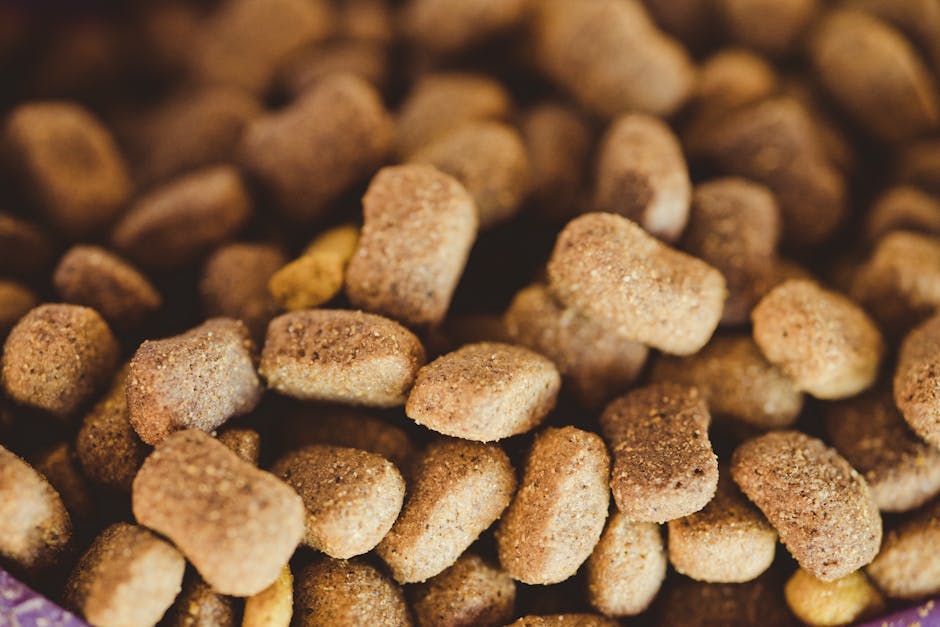
Physical design matters too. Puppy kibble features smaller size and softer texture to accommodate developing teeth and smaller mouths. Many formulas also include prebiotics and probiotics to establish healthy gut bacteria from an early age.
The AAFCO (Association of American Feed Control Officials) sets different nutritional standards for “growth and reproduction” versus “adult maintenance,” which is why understanding what makes puppy food ‘vet recommended’ becomes crucial for informed decisions. Always look for the AAFCO statement confirming the food meets growth requirements—this isn’t just marketing, it’s a legal requirement based on feeding trials.
Top Puppy Food Reviews by Breed Size
Best Puppy Foods for Small Breeds (Under 25 lbs)
Small breed puppies face unique challenges: they reach maturity faster (10-12 months) but have higher metabolic rates and smaller stomach capacity, making them vulnerable to specific health risks from improper nutrition. They need calorie-dense formulas with frequent feeding opportunities.
Top pick: Hill’s Science Diet Small Paws delivers 419 calories per cup with bite-sized kibble perfect for toy breed mouths. The formula includes natural DHA for brain development and has consistently performed well in palatability tests with picky eaters like Yorkshire Terriers and Maltese.
Runner-up: Royal Canin Size Health Nutrition Small Puppy offers targeted nutrition with an exclusive kibble shape that encourages chewing and supports dental health. The formula includes L.I.P. proteins for optimal digestibility—crucial for breeds prone to sensitive stomachs.
Top Choices for Medium Breed Puppies (25-60 lbs)
Medium breed puppies grow steadily over 12-16 months and need balanced nutrition that supports consistent development without excessive rapid growth.
Best overall: Purina Pro Plan Focus Puppy Chicken & Rice Formula combines high-quality chicken as the first ingredient with rice for digestible carbohydrates. Real-world testing with Border Collie mixes and Cocker Spaniels shows excellent weight management and coat quality results.
Premium option: Orijen Puppy Recipe features 85% animal ingredients with free-run chicken, wild-caught fish, and cage-free eggs. While more expensive, the biological value of protein sources often means smaller portion sizes and better nutrient absorption.
Large Breed Puppy Food Recommendations (Over 60 lbs)
Large breed puppies present the biggest nutritional challenge: they need substantial nutrition for their size but controlled growth to prevent developmental orthopedic diseases. Calcium levels should stay between 1.2-1.8% dry matter basis.
Gold standard: Hill’s Science Diet Large Breed Puppy maintains optimal calcium levels while providing complete nutrition for breeds like Golden Retrievers, German Shepherds, and Labs. Clinical studies show reduced hip dysplasia risk when fed throughout puppyhood.
Case Study: Sarah’s 10-week-old Golden Retriever, Max, arrived eating a generic puppy food with 2.1% calcium—too high for large breeds and exactly why choosing breed-specific nutrition for Golden Retrievers matters so much. Transitioning to Hill’s Large Breed formula over seven days, she mixed 75% old food with 25% new food for days 1-2, then 50/50 for days 3-4, 25% old with 75% new for days 5-6, and 100% new food by day 7. Max showed no digestive upset and maintained steady growth at veterinary checkups.
Multi-Breed Household Solutions
Feeding multiple puppies of different sizes? Wellness CORE Puppy Formula works well across breed sizes with moderate calcium levels (1.4%) and high-quality protein sources. While not size-optimized, it provides complete nutrition for mixed households where separate feeding isn’t practical.
Key Ingredients to Look For (and Avoid)
High-Quality Protein Sources
The first ingredient should always be a named meat, poultry, or fish—not a by-product meal or generic “meat meal.” Chicken, salmon, lamb, and turkey provide complete amino acid profiles essential for growth. Deboned meats contain moisture, so don’t worry if a meal appears second on the ingredient list—meals are concentrated protein sources.
Beneficial Additives
Probiotics and prebiotics support digestive health during the stressful transition to a new home. Look for specific strains like Lactobacillus acidophilus rather than generic “fermentation products.”
Omega fatty acids from fish oil or flaxseed support brain development, immune function, and coat quality. EPA and DHA content should be listed separately—aim for at least 0.05% DHA.
Antioxidants like vitamin E, vitamin C, and selenium support developing immune systems. Natural sources (mixed tocopherols) are preferable to synthetic versions (BHA, BHT).
Red Flag Ingredients
Excessive fillers like corn gluten meal, wheat middlings, or rice hulls provide calories without nutritional value. While some carbohydrates are beneficial, they shouldn’t dominate the ingredient panel.
Artificial preservatives BHA, BHT, and ethoxyquin have raised health concerns. Natural preservation with mixed tocopherols and rosemary extract is safer and equally effective.
Generic by-product meals without species identification (“meat and bone meal” vs. “chicken meal”) indicate inconsistent protein quality.
Grain-Free vs. Grain-Inclusive: 2026 Update
Recent FDA investigations into dilated cardiomyopathy (DCM) in dogs eating grain-free diets have shifted veterinary recommendations. Current research suggests grain-inclusive diets with traditional ingredients (rice, oats, barley) pose lower risk than exotic legume-heavy formulas. Unless your puppy has a diagnosed grain allergy, grain-inclusive formulas are generally safer choices.
Feeding Guidelines and Transition Tips
Age-Appropriate Feeding Schedules
8-12 weeks: Four meals daily with free-choice water. Puppies this young need frequent nutrition and can’t regulate blood sugar effectively with fewer meals.
3-6 months: Three meals daily, spaced 6-8 hours apart. This supports digestive health and house training by creating predictable elimination schedules.
6+ months: Two meals daily for most breeds. Small breeds may benefit from continued three-meal schedules due to hypoglycemia risks.
Feeding Schedule Example for a 4-month-old Border Collie mix weighing 25 pounds:
- 7:00 AM: 3/4 cup puppy food
- 12:00 PM: 3/4 cup puppy food
- 5:00 PM: 3/4 cup puppy food
- Total daily: 2.25 cups (adjust based on body condition)
Portion Control and Growth Monitoring
Overfeeding causes more problems than underfeeding. Use the feeding guide as a starting point, then adjust based on your puppy’s body condition. You should easily feel ribs with light pressure but not see them prominently. Weekly weigh-ins help track appropriate growth rates.
Safe Transition Methods
Never switch foods abruptly. The seven-day transition method prevents digestive upset:
- Days 1-2: 75% current food + 25% new food
- Days 3-4: 50% current food + 50% new food
- Days 5-6: 25% current food + 75% new food
- Day 7+: 100% new food
Watch for loose stools, decreased appetite, or lethargy during transitions. If problems occur, slow the transition process.
Transitioning to Adult Food
Small breeds typically switch at 10-12 months, medium breeds at 12-15 months, and large breeds at 18-24 months. The transition isn’t based on calendar age but on reaching adult size—when weekly weight gains become minimal.
Budget-Friendly Options That Don’t Compromise Quality
Best Value Puppy Foods Under $50
Purina Puppy Chow Complete offers solid nutrition at approximately $35 per 32-pound bag. While not premium, it meets AAFCO growth requirements and has a long track record of successful puppy raising.
Diamond Naturals Puppy Formula provides higher protein content (32%) at around $45 per 40-pound bag. The cost per feeding often matches premium brands due to higher nutrient density requiring smaller portions.
Cost-Per-Feeding Analysis
Premium foods often deliver better value than initial prices suggest. A $80 bag lasting 6 weeks costs less per feeding than a $40 bag lasting 2.5 weeks. Calculate cost per day based on your puppy’s daily portions for accurate comparisons.
Real-world example: A 30-pound Golden Retriever puppy eating 3 cups daily:
- Premium food (400 calories/cup): 3 cups = $2.40 daily
- Budget food (320 calories/cup): 3.75 cups = $2.10 daily
The 30-cent daily difference often pays for itself through better digestibility and potentially fewer veterinary issues.
Finding Discounts
Subscribe-and-save programs through Chewy, Amazon, or direct from manufacturers typically offer 10-15% discounts with automatic delivery. Pet store loyalty programs provide points toward future purchases. Veterinary clinics sometimes offer prescription diet discounts that apply to recommended puppy foods.
When Premium Prices Are Worth It
Consider higher-priced formulas if your puppy shows signs of food sensitivities, has a sensitive stomach, or belongs to a breed prone to specific health issues. French Bulldogs with food allergies often thrive on limited-ingredient premium diets that cost more upfront but prevent expensive veterinary treatments and elimination diets later.
The best puppy food for your dog balances nutritional completeness, palatability, digestibility, and your budget. Start with breed-size-appropriate formulas from reputable manufacturers, monitor your puppy’s growth and body condition, and remember that successful puppy nutrition is about consistency and appropriate portions as much as brand selection. Your puppy’s bright eyes, steady growth, and boundless energy will tell you when you’ve made the right choice.