The Hidden Dangers of Wrong Puppy Food for Small Breeds (Plus 6 Top Picks)
Small breed puppies have unique nutritional needs that differ significantly from their larger counterparts. With faster metabolisms, smaller stomachs, and specific growth requirements, choosing the right puppy food for breeds like Chihuahuas, Yorkshire Terriers, and Pomeranians isn’t just about picking any high-quality kibble off the shelf. The wrong food can lead to hypoglycemia, digestive issues, or inadequate nutrition during crucial development stages. In this comprehensive guide, we’ll break down exactly what to look for in small breed puppy food, review the top brands trusted by veterinarians in 2026, and help you make an informed decision that sets your tiny companion up for a lifetime of health and vitality.
Why Small Breed Puppies Need Specialized Nutrition
Your 3-pound Chihuahua puppy has dramatically different nutritional needs than a Golden Retriever of the same age. Small breed puppies burn calories at nearly twice the rate of larger breeds due to their higher surface area-to-body mass ratio, meaning they lose heat faster and need more energy-dense food to maintain their body temperature and fuel their rapid growth.
Faster metabolisms demand higher caloric density. While a large breed puppy might thrive on food containing 350-400 calories per cup, small breed puppies need 400-500 calories per cup to meet their energy requirements. This isn’t just about eating more – it’s about getting maximum nutrition in every bite since their tiny stomachs can only hold small amounts.
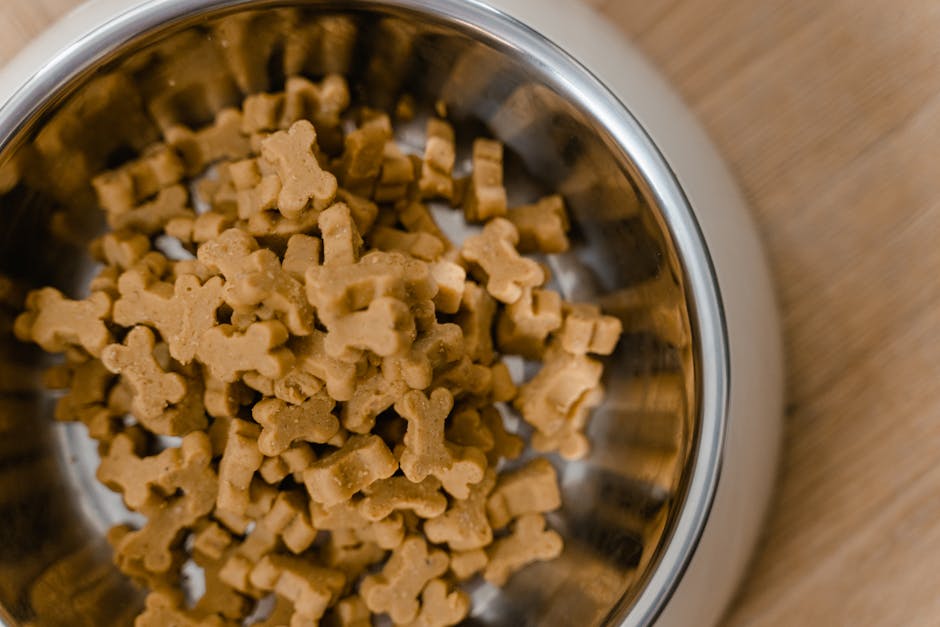
Kibble size matters more than you might think. Standard puppy food often contains pieces too large for small breed puppies to chew effectively. Kibble designed for tiny mouths typically measures 8-10mm compared to regular puppy food at 12-15mm. This size difference prevents choking hazards and ensures proper chewing, which aids digestion and dental development.
Hypoglycemia poses a real threat. Small breed puppies can develop dangerously low blood sugar levels if they go too long between meals. Their limited glycogen storage capacity means they need frequent feeding – typically every 3-4 hours during their first few months. The wrong food with inadequate caloric density can trigger hypoglycemic episodes, causing weakness, seizures, or even coma.
Take Sarah’s 12-week-old Yorkshire Terrier, Max, who began experiencing lethargy and trembling episodes. After switching from a generic puppy food to a specialized small breed formula with higher caloric density and implementing more frequent feeding, Max’s energy levels normalized within days, and the concerning symptoms disappeared entirely.
Protein and fat ratios differ from large breed formulas. Small breed puppies typically need 28-32% protein compared to 22-26% for large breeds. They also require higher fat content (15-20%) to support their faster metabolisms and provide essential fatty acids for brain development.
Essential Ingredients to Look For in Small Breed Puppy Food
Reading puppy food labels becomes crucial when you understand what your small breed puppy actually needs. The first ingredient should always be a named animal protein – chicken, salmon, lamb, or turkey – not a by-product meal or plant protein. This ensures your puppy gets complete amino acid profiles necessary for proper muscle development and organ function.
DHA and EPA omega-3 fatty acids support crucial brain and eye development during the first year. Look for foods containing fish oil, salmon meal, or specifically listed DHA content of at least 0.05%. These fatty acids directly impact your puppy’s cognitive development, learning ability, and vision quality.
Calcium and phosphorus ratios require careful balance. Small breed puppies need a calcium-to-phosphorus ratio between 1.2:1 and 1.4:1. Too much calcium can actually harm bone development, while too little creates weak bone structure. Quality small breed formulas carefully balance these minerals for optimal skeletal growth.
Prebiotics and probiotics support digestive health in puppies with sensitive stomachs. Ingredients like chicory root, dried fermentation products, and specific bacterial cultures help establish healthy gut flora. This becomes especially important for small breeds prone to digestive sensitivities.
Avoid common fillers and problematic ingredients. Corn, wheat, and soy provide minimal nutritional value and can trigger allergies. Artificial colors, preservatives like BHA/BHT, and generic “meat meals” indicate lower-quality formulations that don’t meet the specific needs of small breed puppies.
Top 6 Best Puppy Food Brands for Small Breeds in 2026
Royal Canin Small Breed Puppy consistently earns veterinarian recommendations for its scientifically-formulated approach to small breed nutrition. With 33% protein, 20% fat, and precisely-sized kibble, it addresses hypoglycemia risks while supporting healthy growth. The formula includes prebiotics for digestive health and an antioxidant complex featuring vitamins E and C.
Hill’s Science Diet Small Paws Puppy offers clinically-proven nutrition with DHA from fish oil for brain development. Its 28% protein and 17% fat content provides balanced nutrition without excess that could lead to rapid weight gain. The kibble size and texture make it ideal for breeds under 25 pounds at maturity.
Blue Buffalo Life Protection Small Breed Puppy features deboned chicken as the first ingredient, followed by wholesome grains and vegetables. With added LifeSource Bits containing antioxidants, vitamins, and minerals, it provides 29% protein and 16% fat. The natural formula excludes poultry by-products, corn, wheat, and soy.
Wellness CORE Puppy Small Breed offers a grain-free, high-protein option with 38% protein and 18% fat. Made with deboned turkey and chicken meal, it includes probiotics for digestive health and DHA for cognitive development. This formula works well for puppies with grain sensitivities.
Purina Pro Plan Focus Puppy Small Breed Formula combines affordability with quality nutrition. Featuring 30% protein and 17% fat, it includes DHA and antioxidants while maintaining a price point accessible to most puppy owners. The small kibble size accommodates tiny mouths effectively.
Nutro Ultra Small Breed Puppy provides a trio of proteins – chicken, lamb, and salmon – for complete amino acid profiles. With 29% protein and 16% fat, plus superfoods like sweet potato, carrots, and spinach, it offers natural nutrition without artificial flavors or preservatives.
Feeding Guidelines and Common Mistakes to Avoid
Portion control requires precision with small breed puppies. A general guideline suggests ¼ to ½ cup of food per day for puppies under 3 pounds, divided into 4 meals. Puppies 3-5 pounds typically need ½ to ¾ cup daily, while those 5-10 pounds require ¾ to 1 cup. However, individual metabolism, activity level, and growth rate should guide adjustments.
Feeding frequency prevents hypoglycemia. Puppies 6-12 weeks old need meals every 3-4 hours, including at least one nighttime feeding. From 3-6 months, reduce to four meals daily. After 6 months, most small breed puppies can transition to three meals daily, maintaining this schedule even as adults since small breeds benefit from frequent, smaller meals throughout their lives.
Common mistake: Following large breed feeding schedules. Many new puppy owners make the error of feeding twice daily from the start, which can trigger hypoglycemic episodes in small breeds. The “leave food out all day” approach also fails because it doesn’t ensure adequate caloric intake and can lead to food spoilage or overeating.
Transitioning to adult food requires careful timing. Small breed puppies should continue eating puppy formula until 12-15 months of age, longer than large breeds who transition around 12 months. Their extended growth period and higher metabolic needs require puppy-specific nutrition longer.
Warning signs of feeding problems include lethargy, excessive hunger, rapid weight gain or loss, digestive upset, or changes in stool quality. Monitor your puppy’s body condition by feeling for ribs – they should be easily felt but not visible. A waist should be apparent when viewed from above.
Consider Maria’s experience transitioning her 4-month-old Pomeranian, Luna, from breeder food to a veterinarian-recommended brand. She mixed 75% old food with 25% new food for three days, then 50/50 for three days, followed by 25% old with 75% new for three days before completing the transition. This gradual approach prevented digestive upset while ensuring Luna received optimal nutrition.
When to Consult Your Veterinarian About Puppy Nutrition
Schedule a nutrition consultation during your puppy’s first veterinary visit. Your vet can assess your specific puppy’s needs based on breed, current weight, body condition, and health status. They’ll help you choose the most appropriate food and establish feeding guidelines tailored to your puppy’s individual requirements.
Signs requiring immediate dietary evaluation include persistent diarrhea or vomiting, refusal to eat for more than 8 hours (critical for small breeds), excessive weight gain or loss, lethargy, or behavioral changes. Small breed puppies can develop serious complications quickly, making prompt veterinary attention essential.
Puppies with allergies or sensitivities may need specialized diets for sensitive stomachs or elimination trials to identify trigger ingredients. Common allergens include chicken, beef, dairy, wheat, and corn. Your veterinarian can guide you through the process of identifying and avoiding problematic ingredients while ensuring nutritional completeness.
Create a personalized feeding plan with your vet that accounts for your puppy’s growth trajectory, activity level, and any health considerations. This plan should include specific feeding amounts, frequency, treat recommendations, and monitoring guidelines.
Red flags requiring emergency attention include seizures, collapse, extreme lethargy, inability to keep food down, or signs of hypoglycemia such as weakness, trembling, or disorientation. Small breed puppies can deteriorate rapidly, making immediate veterinary care crucial.
Regular weigh-ins and body condition assessments help ensure your feeding program supports healthy growth. Most veterinary clinics welcome quick weight checks between appointments, allowing you to track your puppy’s progress and make necessary adjustments to their nutrition plan.
Remember that choosing the best puppy food for small breeds involves more than picking a premium brand – it requires understanding your puppy’s unique needs, establishing proper feeding routines, and maintaining open communication with your veterinary team throughout your puppy’s crucial first year of development.