How to Train Your Dog at Home Without Expensive Classes or Trainers
Training your dog at home doesn’t require expensive classes or professional trainers—with the right approach, consistency, and patience, you can teach your furry friend essential skills right in your living room. Whether you’re working with a brand-new puppy that needs structured guidance, helping a rescue dog overcome past trauma, or addressing specific challenges like separation anxiety, home-based training offers the perfect controlled environment to build trust and establish behavioral patterns. In this comprehensive guide, we’ll walk you through proven methods that work for dogs of all ages and backgrounds, giving you the confidence to transform your pup into a well-behaved companion using nothing more than everyday household items and expert-backed techniques.
Setting Up Your Home Training Environment for Success
Your home already contains everything you need for effective dog training—you just need to arrange it strategically. Start by identifying a quiet training zone where your dog can focus without constant interruptions. This doesn’t need to be a separate room; a corner of your living room or even a section of your hallway works perfectly.
Remove obvious distractions during training sessions. Turn off the television, put away squeaky toys, and ask family members to give you 10-15 minutes of uninterrupted time. Dogs learn best when they can concentrate on you and the task at hand.
Essential Supplies You Already Have
You don’t need to invest in expensive training equipment. Your training toolkit includes:
- Small, soft treats from your dog’s regular food allowance or tiny pieces of cooked chicken
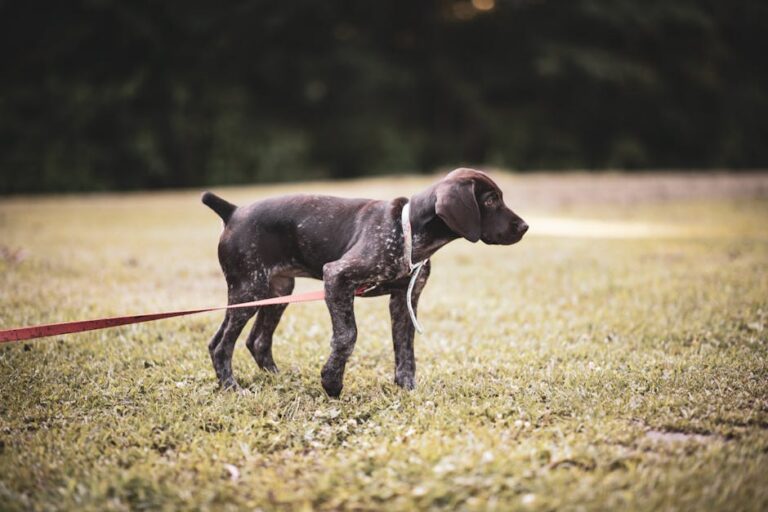
- A standard 6-foot leash for teaching controlled movements
- Your dog’s favorite toy as an alternative reward
- A comfortable mat or towel to define specific training spots
The key is using high-value rewards—whatever makes your dog’s tail wag fastest. For food-motivated dogs, reserve special treats exclusively for training. For toy-driven pups, use their absolute favorite ball or rope toy.
Timing and Consistency
Schedule training sessions when your dog is alert but not overstimulated. Right before meal times often works well because hungry dogs are naturally more motivated. Keep initial sessions short—5 to 10 minutes for puppies, 10 to 15 minutes for adult dogs.
Every family member should use the same commands and reward system. If you say “sit” and your teenager says “sit down,” you’re essentially teaching two different cues. Write down your chosen command words and post them somewhere visible until everyone’s consistent.
Set realistic expectations based on your dog’s starting point. An 8-week-old Golden Retriever puppy in a busy household with kids might master “sit” in a few days but need weeks to reliably “stay” with children running around. That’s completely normal—consistency beats speed every time.
Fundamental Commands Every Dog Should Master
Building Blocks: Sit and Stay
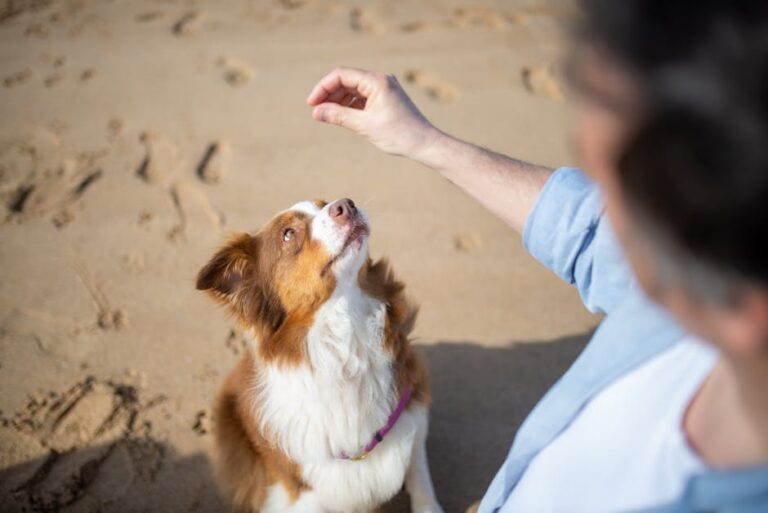
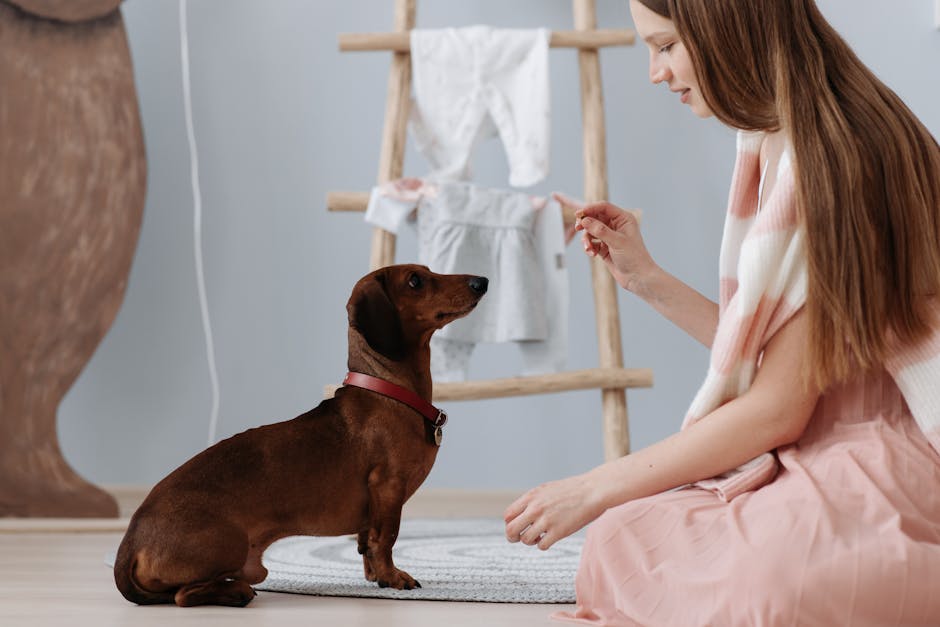
“Sit” is your foundation command because it naturally leads to everything else. Hold a treat close to your dog’s nose, then slowly lift it over their head. As their head follows the treat, their bottom naturally touches the ground. The moment it does, say “sit,” give the treat, and offer enthusiastic praise.
Practice this sequence 5-10 times per session, always rewarding the moment your dog’s rear hits the floor. Most dogs grasp this within their first few attempts.
“Stay” builds impulse control. Start with your dog in the sit position, then hold your palm up like a stop sign while taking one small step backward. Wait two seconds, return to your dog, and reward. Gradually increase the distance and duration, but always return to your dog to release them—don’t call them to break the stay.
Mastering Recall: Teaching a Reliable “Come”
A solid recall command can literally save your dog’s life, and it’s especially crucial for rescue dogs who might not yet understand boundaries. Start indoors where distractions are minimal.
Sit on the floor about three feet from your dog. Say “come” in a happy, excited voice while gently patting your legs. When your dog moves toward you—even just one step—immediately reward with treats and praise. Make coming to you the best thing that ever happens to your dog.
Practice this multiple times daily in different rooms. Once your dog consistently comes indoors, move to a fenced yard, keeping them on a long leash initially for safety.
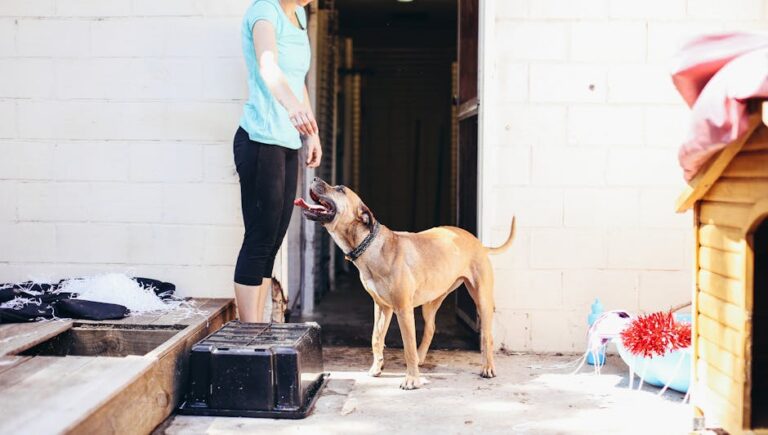
Training a rescue dog to come requires extra patience. A three-year-old rescue Pit Bull mix named Max came to his new family with fear-based reactivity. His owners spent two months practicing recall in their hallway before moving to the backyard, always using gentle encouragement rather than demanding commands. Today, Max has reliable recall even at the busy dog park.
Down and Place Commands
“Down” teaches impulse control and creates a calm mental state. From the sit position, hold a treat to your dog’s nose and slowly lower it to the floor between their front paws. Many dogs naturally follow into the down position. Say “down” as their elbows touch the ground, then reward immediately.
“Place” means going to a specific spot and staying there. Use a mat, dog bed, or even a towel as your designated place. Lead your dog to the spot, ask for a sit or down, then say “place” while pointing to the area. Reward when they settle on the designated spot.
Addressing Separation Anxiety Through Home Training
Separation anxiety affects nearly 40% of dogs, according to recent veterinary behavior studies. The good news? Dog training tips for separation anxiety work best when practiced consistently at home.
Recognizing the Signs
True separation anxiety goes beyond normal adjustment periods. Watch for excessive drooling, destructive behavior, house accidents, or frantic attempts to escape when left alone. Some dogs show subtle signs like refusing to eat when alone or following their owner obsessively.
Gradual Desensitization Techniques
Start by desensitizing your dog to departure cues. Pick up your keys, put on your coat, and then sit back down. Do this randomly throughout the day until these actions don’t trigger anxiety.
Next, practice very brief departures. Step outside for 30 seconds, return calmly without making a fuss. Gradually increase the time, but always return before your dog becomes distressed.
Create positive associations with alone time. Give your dog a special puzzle toy or frozen Kong only when you leave. This teaches them that your departure predicts good things.
Sarah, a marketing manager who returned to office work in 2026, used this approach with her senior Labrador mix, Charlie. She started by leaving Charlie with puzzle toys for just five minutes while she checked the mail. After three weeks of gradual increases, Charlie learned to enjoy his alone time so much he’d often stay in his bed even after Sarah returned.
Building Confidence Through Routine
Dogs with separation anxiety thrive on predictable routines. Establish consistent departure and arrival rituals that stay calm and low-key. Avoid dramatic goodbyes or overly excited hellos, which can increase anxiety levels.
Create a safe space where your dog feels secure—a comfortable crate with the door open, a cozy corner with their bed, or wherever they naturally go to relax.
Special Considerations for Training Rescue Dogs at Home
Rescue dogs often arrive with unknown histories that affect their learning patterns. Some may have never lived indoors; others might have experienced trauma that makes certain training approaches counterproductive.
Understanding Trauma Responses
A rescue dog might freeze instead of responding to commands, not out of stubbornness but from fear. They may have learned that staying invisible keeps them safe. Others might seem hyperactive or unable to focus because they’re constantly scanning for threats.
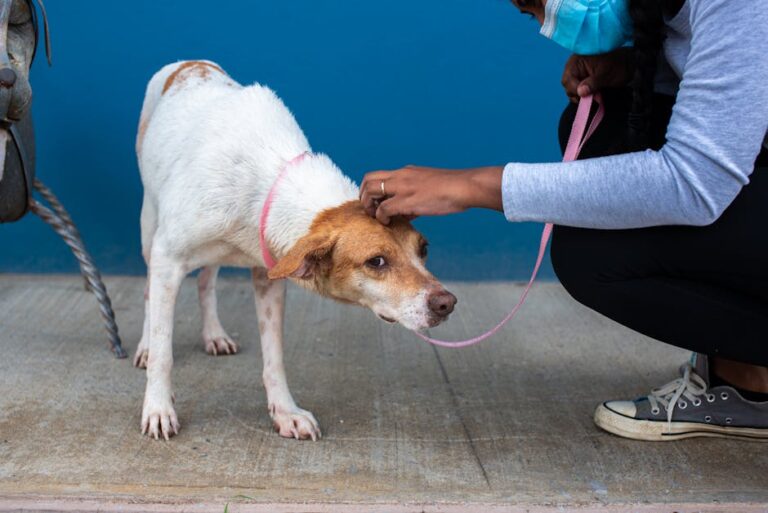
Building trust becomes your first training goal. Spend time simply being present without demanding anything from your dog. Read a book in the same room, offer treats without expecting behaviors in return, and let your dog approach you on their terms.
Adapting Your Training Methods
Use positive reinforcement exclusively with rescue dogs. Traditional correction-based methods can trigger fear responses and set back your progress by weeks or months.
Many rescue dogs are highly food-motivated because they’ve experienced scarcity. Use this to your advantage, but also work on building toy and praise motivation so your dog doesn’t become solely dependent on treats.
Patience Strategies for Extra Learning Time
Some rescue dogs need months to master commands that other dogs learn in weeks. An escape-artist Beagle named Luna took four months to learn reliable recall because her previous life as a stray taught her that running away meant survival. Her owners celebrated every small victory—first coming when called across the kitchen, then from the next room, finally from the backyard.
Set micro-goals and celebrate small wins. If your dog makes eye contact when you say their name, that’s progress worth rewarding. If they sit for one second instead of immediately standing up, you’re moving in the right direction.
Maintaining Long-Term Training Success
Training doesn’t end when your dog masters basic commands—it becomes a lifelong practice that strengthens your bond and keeps skills sharp.
Daily Practice Routines
Integrate training into everyday activities rather than treating it as a separate chore. Ask for a sit before meals, practice stay while you prepare their food, and request a down during your evening TV time. These daily micro-sessions maintain skills without requiring dedicated training blocks.
Recognizing When to Seek Help
Home training handles most basic obedience and mild behavioral issues, but some situations warrant professional guidance. Consider consulting a certified dog trainer if your dog shows aggression, if separation anxiety doesn’t improve after six weeks of consistent work, or if you feel overwhelmed and frustrated.
Preventing Regression
Skills fade without practice, especially during stressful periods like moving, schedule changes, or adding new family members. If your dog starts ignoring previously reliable commands, return to basics with shorter, more frequent practice sessions and higher-value rewards.
Dogs go through developmental phases that can temporarily affect their behavior. A well-trained puppy might suddenly seem to “forget” everything during adolescence (typically 6-18 months). This regression is normal—maintain consistency and your dog will return to good behavior.
Celebrating Milestones
Acknowledge training victories, whether it’s your puppy’s first successful stay or your rescue dog’s breakthrough moment of trust. Take photos, share success stories with friends, or simply spend extra time doing your dog’s favorite activity.
How to train a dog at home successfully comes down to consistency, patience, and celebrating the small victories that lead to lasting behavioral changes. Your living room might not look like a professional training facility, but it offers something no class can provide—the comfort and security of home, where real learning happens.