How to Correct a Puppy’s Behavior: From Chaos to Well-Mannered Companion
Watching your adorable puppy transform into a furry tornado of chaos can leave even the most patient dog owner feeling overwhelmed. Whether your pup is turning your favorite shoes into chew toys, treating your living room like their personal bathroom, or jumping on every visitor like they’re long-lost relatives, you’re not alone—and more importantly, these behaviors are absolutely fixable. The key to successful puppy behavior correction lies in understanding why puppies act out and implementing consistent, positive training methods that work with their natural learning patterns. In this comprehensive guide, you’ll discover proven techniques that professional trainers use to transform even the most mischievous puppies into well-mannered companions, plus learn how to prevent common behavioral issues before they become deeply ingrained habits.
Understanding Why Puppies Misbehave: The Foundation of Effective Correction
Before diving into correction techniques, understanding why your puppy misbehaves makes all the difference in choosing the right approach. Puppies don’t act out to spite you—their brains are still developing, and what looks like defiance is usually normal puppy behavior driven by specific needs or emotions.
Natural Development Stages and Behavioral Changes
Puppies go through predictable developmental phases that directly impact their behavior. During the 8-16 week socialization period, puppies are naturally curious but also easily overwhelmed, leading to seemingly random behavioral outbursts. The adolescent phase (4-18 months, depending on breed) brings increased independence and testing of boundaries, similar to human teenagers.
Large breed puppies may seem more destructive simply because they’re bigger and stronger, while herding breeds like Border Collies often exhibit nipping behaviors as their instincts develop. Understanding these breed-specific tendencies helps you address behaviors more effectively rather than fighting against your dog’s natural inclinations.
Common Behavioral Triggers
Most puppy misbehavior stems from four primary causes:
Boredom and excess energy: A tired puppy is a good puppy. Insufficient physical exercise and mental stimulation often manifest as destructive chewing, excessive barking, or hyperactive behavior.
Teething discomfort: Between 3-6 months, puppies lose their baby teeth and experience significant mouth discomfort, driving them to chew everything in sight.
Attention-seeking: Puppies quickly learn that certain behaviors—even “bad” ones—reliably get human attention. Jumping, barking, or play biting often continues because it works.
Fear or anxiety: Improper socialization or traumatic experiences can create fearful responses that look like aggression or defiance but actually stem from emotional distress.
Normal vs. Concerning Behaviors
Most puppy behaviors that frustrate owners are completely normal but need redirection. House training accidents, chewing, play biting, and brief attention-seeking outbursts are typical puppy behaviors. However, resource guarding (growling over food or toys), excessive fearfulness that doesn’t improve with gentle exposure, or aggressive behaviors that seem disproportionate to the situation may require professional intervention.
The Golden Rules of Puppy Behavior Correction
Effective puppy training follows scientific principles of animal learning that have been refined through decades of research. These fundamental rules form the backbone of all successful behavior modification.
The Critical Timing Factor
Puppies learn through immediate associations, making timing absolutely crucial. The 3-second rule states that corrections or rewards must occur within three seconds of the behavior to be effective. After this window, your puppy won’t connect your response to their action.
This means catching behaviors as they happen rather than discovering evidence later. Finding chewed shoes hours after the fact makes correction impossible—your puppy has moved on mentally and won’t understand what they did wrong.
Positive Reinforcement: The Science-Backed Approach
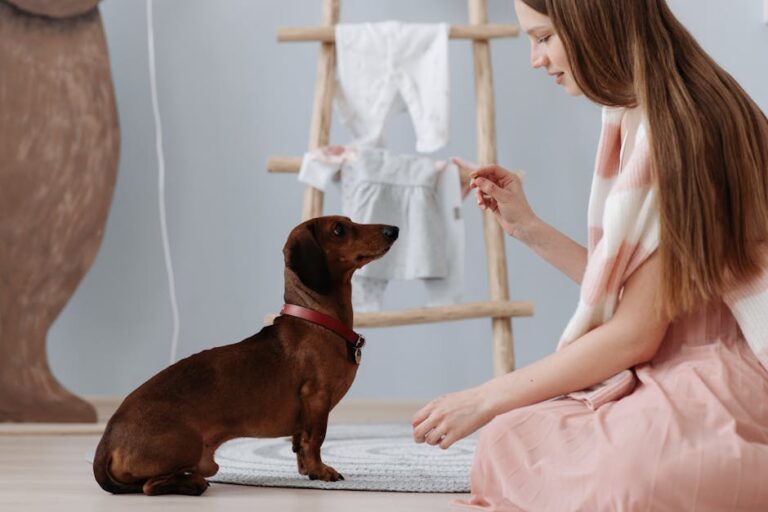
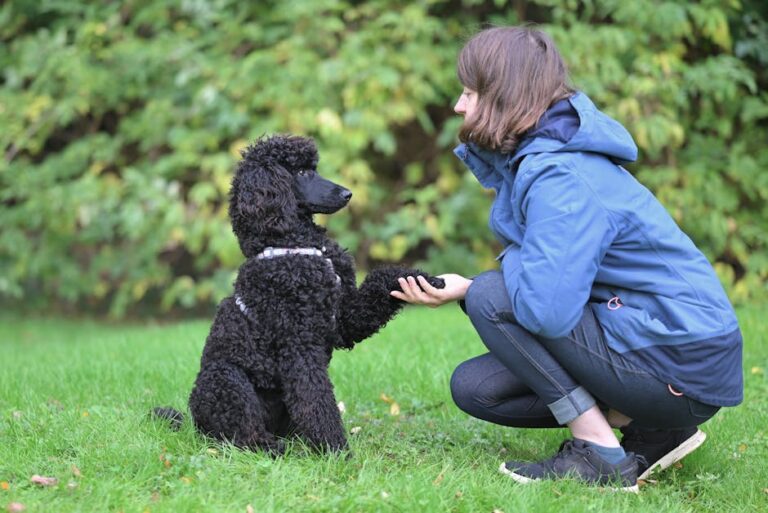
Modern dog training tips consistently favor positive reinforcement methods because they’re more effective and create stronger human-dog bonds. Rather than punishing unwanted behaviors, focus on rewarding desired alternatives.
For example, instead of yelling when your puppy chews furniture, redirect them to an appropriate chew toy and enthusiastically praise when they engage with it. This teaches what TO do rather than just what not to do, creating clearer communication and faster learning.
Consistency Across All Interactions
Every family member must follow the same rules and use identical commands. Mixed messages confuse puppies and slow training progress significantly. If one person allows jumping while another discourages it, your puppy receives conflicting information that makes good behavior nearly impossible to establish.
Create a family training plan that outlines specific commands, rewards, and responses to common behaviors. Post it where everyone can reference it until the approach becomes automatic.
Age-Appropriate Expectations
A 10-week-old puppy cannot hold their bladder for 8 hours, no matter how well-intentioned their house training efforts. Similarly, expecting perfect impulse control from a 4-month-old puppy sets both of you up for frustration.
General guidelines suggest puppies can hold their bladder for approximately one hour per month of age, plus one additional hour. So a 3-month-old puppy might manage 4 hours maximum, and only under ideal circumstances.
Tackling the Most Common Puppy Behavioral Problems
Let’s address the specific behaviors that drive most puppy owners to seek help, with concrete strategies you can implement immediately.
House Training Accidents: Prevention and Response
Case Study: A 12-week-old Golden Retriever named Luna was having 6-8 accidents daily despite her owners’ best efforts. By implementing a structured schedule with trips outside every 2 hours, immediately after meals, naps, and play sessions, plus enthusiastic rewards for outdoor elimination, Luna achieved full house training within 3 weeks.
The key elements of Luna’s success plan included:
- Constant supervision or crate confinement when unsupervised
- Immediate outdoor trips after eating, sleeping, playing, or showing sniffing/circling behaviors
- High-value rewards (small training treats plus enthusiastic praise) for outdoor elimination
- Neutral cleanup of accidents without punishment or attention
Destructive Chewing Management
Real Scenario: A 4-month-old Border Collie mix named Max was destroying furniture during his owners’ work hours. The solution involved environmental management plus mental stimulation strategies.
Max’s owners implemented:
- Puzzle toys and food-dispensing toys to occupy his mind during alone time
- Adequate chew toy variety: rotating different textures and hardness levels weekly
- Pre-departure exercise: a 20-minute training and play session before leaving
- Environmental restrictions: using baby gates to limit access to valuable furniture
Jumping on People: Safe Correction Methods
Jumping stems from excitement and attention-seeking, so the solution involves removing the reward (attention) and teaching an alternative behavior.
The Four-Step Process:
- Ignore jumping completely: Turn away, cross arms, avoid eye contact
- Ask for an alternative: Request “sit” or “four paws” once jumping stops
- Reward the replacement behavior: Attention and treats only when all four paws are on the ground
- Practice with setup scenarios: Have family members or friends help practice greetings
Nipping and Play Biting: Teaching Bite Inhibition
Training Example: A mouthy Labrador puppy named Duke was play biting children during interactions. His family used redirection techniques and specific commands to eliminate the behavior within two weeks.
Step-by-step process:
- Immediately stop play when teeth touch skin: Say “ouch” and turn away
- Redirect to appropriate toys: Offer a rope toy or chew bone as an alternative
- Resume play only with toys: Keep interactions positive but require proper toy engagement
- Teach “gentle” command: Hold treats in closed fist, only opening when puppy uses soft mouth behaviors
Advanced Training Techniques for Stubborn Behaviors
Some behaviors require more sophisticated approaches, especially when basic redirection isn’t working effectively.
The Redirect and Reward Method
This technique works particularly well for persistent problem behaviors like attention-seeking barking or demand behaviors. Instead of simply stopping the unwanted behavior, you redirect that energy into a desirable alternative.
When your puppy barks for attention, immediately redirect to a “sit” or “place” command. The moment they comply, provide the attention they were seeking. This teaches them that calm, polite behavior gets them what they want faster than demanding behaviors.
Environmental Management Strategies
Sometimes prevention is more effective than correction. Environmental management means setting up your puppy’s space to make good choices easy and bad choices difficult or impossible.
For counter-surfing puppies, keep counters completely clear during training phases. For garbage raiders, use tight-fitting lids or move bins to inaccessible locations. This prevents rehearsal of bad habits while you work on training alternatives.
Effective Time-Out Implementation
Time-outs can be useful for overaroused or attention-seeking behaviors, but they must be used carefully to avoid creating anxiety.
Proper time-out procedure:
- Use a neutral, boring location (not the crate, which should remain positive)
- Keep time-outs brief: 30-60 seconds maximum
- Remain calm and matter-of-fact, never angry or emotional
- Immediately return to normal interaction after the time-out ends
Building Impulse Control Through Games
Structured games teach self-control while keeping training fun and engaging. “Wait” games at doorways, “leave it” training with treats, and “settle” practice during exciting activities all build your puppy’s ability to make good choices even when excited.
Creating a Long-Term Behavior Success Plan
Sustainable behavior change requires ongoing effort and realistic planning that grows with your puppy.
Daily Training Integration
Rather than isolated training sessions, integrate micro-training moments throughout your day. Practice “sit” before meals, “wait” at doorways, and “come” during play sessions. These brief, frequent repetitions are often more effective than longer, formal training periods.
Maintaining Progress and Preventing Regression
Puppies may temporarily regress during growth spurts, illness, or major life changes. Expect occasional setbacks and return to more frequent rewards and closer supervision during these periods rather than assuming your training has failed.
Recognizing When Professional Help Is Needed
Seek professional guidance if you notice resource guarding behaviors, excessive fearfulness that doesn’t improve with gentle exposure, aggressive responses that seem disproportionate to triggers, or if you feel overwhelmed and frustrated despite consistent efforts.
Professional dog trainers can provide personalized strategies and help you troubleshoot specific challenges that don’t respond to general approaches. Many training issues resolve much faster with expert guidance than through trial and error.
Building Confidence While Maintaining Boundaries
The most successful puppies develop into confident, secure dogs who understand expectations and trust their owners’ leadership. This balance comes from clear, consistent boundaries combined with positive relationship building through play, training, and quality time together.
Your puppy’s behavioral journey from chaos to companion requires patience, consistency, and the right techniques applied at the right times. With these proven methods and a commitment to positive training principles, even the most challenging puppy behaviors can transform into polite, enjoyable interactions that strengthen your bond for years to come.