Essential Pet Care Basics Every Dog Owner Must Master in 2026
Getting a dog is one of life’s greatest joys—and one of its biggest responsibilities. Whether you’re welcoming your first puppy or adding another furry family member to your pack, understanding pet care basics sets the foundation for a healthy, happy relationship that can last 12-15 years or more. From feeding and grooming to exercise and veterinary care, the fundamentals of dog ownership aren’t complicated, but they do require consistency, patience, and the right knowledge. In this comprehensive guide, we’ll walk through the essential dog care basics every owner needs to master, giving you the confidence to provide exceptional care from day one.
Essential Daily Care Routines for Your Dog
Creating structure in your dog’s daily routine provides security and helps prevent behavioral issues. Dogs thrive on predictability, and establishing consistent patterns early makes life easier for both of you.
Establishing Consistent Feeding Schedules and Portion Control
Adult dogs should eat twice daily—morning and evening—with meals spaced 8-12 hours apart. Puppies under 6 months need three to four smaller meals throughout the day to maintain stable blood sugar levels and support rapid growth.
Set specific feeding times and stick to them. A 6-month-old Golden Retriever puppy might eat at 7 AM, 12 PM, and 6 PM, with each meal measured according to the food manufacturer’s guidelines adjusted for the puppy’s current weight. Remove uneaten food after 20-30 minutes to prevent overeating and establish healthy eating habits.
Daily Exercise Requirements Based on Breed and Age
Exercise needs vary dramatically between breeds and life stages. High-energy breeds like Border Collies or Australian Shepherds may need 60-90 minutes of vigorous activity daily, while brachycephalic breeds like Bulldogs require shorter, gentler sessions to prevent breathing difficulties.
Puppies need shorter, more frequent play sessions—about 5 minutes per month of age, twice daily. So that same 6-month-old Golden Retriever would benefit from two 30-minute exercise periods rather than one long session that could damage developing joints.
Basic Grooming Tasks: Brushing, Nail Care, and Dental Hygiene
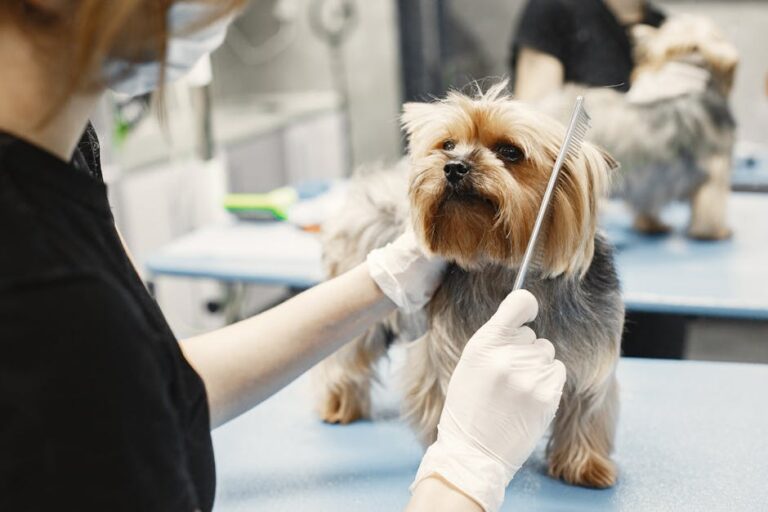
Daily brushing prevents matting and reduces shedding while strengthening your bond. Long-haired breeds need thorough brushing sessions, while short-haired dogs benefit from quick once-overs with a rubber curry brush.
Trim nails every 2-3 weeks, cutting just the white tips to avoid the pink quick underneath. Start nail trims early and pair them with treats to create positive associations.
Dental care prevents 80% of dogs from developing periodontal disease by age three. Brush teeth 2-3 times weekly using dog-specific toothpaste, or provide dental chews approved by the Veterinary Oral Health Council.
Creating a Safe, Comfortable Living Environment
Your dog needs a designated sleeping area with appropriate bedding, easy access to fresh water, and temperature control. Crate training provides a safe haven and aids in house training—the crate should be large enough for your dog to stand, turn around, and lie down comfortably.
Nutrition Fundamentals: Feeding Your Dog Right
Proper nutrition forms the cornerstone of good health, affecting everything from coat quality to immune function and longevity.
Choosing Age-Appropriate Food
Puppy formulas contain higher protein and calorie content to support rapid growth and development. Switch to adult food around 12-18 months for most breeds, though giant breeds may transition earlier to prevent developmental orthopedic diseases.
Senior dog diets (typically 7+ years) often feature reduced calories to prevent weight gain in less active dogs, plus joint-supporting ingredients like glucosamine and omega-3 fatty acids.
Understanding Ingredient Labels and Nutritional Requirements
Look for foods meeting Association of American Feed Control Officials (AAFCO) standards, with the first ingredient being a named meat source. Avoid foods with excessive fillers, artificial colors, or generic terms like “meat by-products.”
Protein should comprise 18-25% of adult dog food and 22-32% of puppy food. Fats provide essential fatty acids and should represent 8-15% of the diet. Quality carbohydrates like sweet potatoes or brown rice offer sustained energy.
Portion Sizing and Preventing Obesity
Over 55% of dogs in the United States are overweight or obese as of 2026. Use feeding guidelines as starting points, then adjust based on your dog’s body condition. You should feel ribs easily with light pressure and see a visible waist when looking down from above.
Consider this comparison: a sedentary 8-year-old Labrador might need 20% fewer calories than the bag suggests, while an active working dog of the same breed might need 25% more. Monitor weight monthly and adjust portions accordingly.
Safe Treats vs. Harmful Foods to Avoid
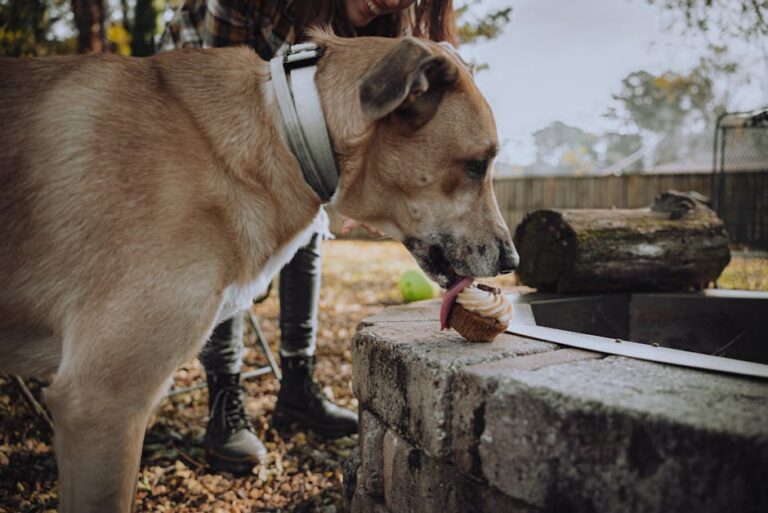
Safe treats include small pieces of cooked chicken, carrots, blueberries, and plain rice cakes. Limit treats to 10% of daily calories to maintain nutritional balance.
Never feed dogs: chocolate, grapes, raisins, onions, garlic, xylitol (artificial sweetener), macadamia nuts, or cooked bones that can splinter. Keep a list of toxic foods posted in your kitchen as a quick reference.
Health Monitoring and Preventive Veterinary Care
Proactive healthcare prevents minor issues from becoming serious problems and catches diseases early when treatment is most effective.
Vaccination Schedules and Core vs. Non-Core Vaccines
Core vaccines protect against rabies, distemper, adenovirus, and parvovirus. Puppies typically receive a series starting at 6-8 weeks, with boosters every 3-4 weeks until 16 weeks old. Adult dogs need boosters every 1-3 years depending on vaccine type and local regulations.
Non-core vaccines like Lyme disease, kennel cough, or canine influenza depend on your dog’s lifestyle and geographic risk factors. Dogs frequenting boarding facilities, dog parks, or grooming salons may benefit from additional protection.
Parasite Prevention
Year-round heartworm prevention is essential in most climates, as this potentially fatal disease spreads through mosquito bites. Monthly preventatives also typically control intestinal worms.
Flea and tick prevention prevents disease transmission and uncomfortable infestations. Choose products based on your area’s parasite pressure—dogs in wooded areas need stronger tick protection than urban apartment dwellers.
Recognizing Signs of Illness or Injury
Early illness detection can mean the difference between simple treatment and emergency intervention. Watch for changes in appetite, water consumption, elimination habits, energy levels, or behavior patterns.
Immediate veterinary attention is needed for: difficulty breathing, bloated abdomen, repeated vomiting, inability to urinate or defecate, seizures, or loss of consciousness. When in doubt, call your veterinarian—they can help you determine if symptoms warrant immediate care or can wait for regular office hours.
Consider this real-world scenario: Max, a normally energetic 4-year-old mixed breed, started showing subtle signs of lethargy and decreased appetite over three days. His owner noticed he wasn’t greeting her at the door with his usual enthusiasm and was sleeping more than usual. A veterinary exam revealed early kidney disease that responded well to treatment because it was caught early.
Annual Wellness Exams and Dental Cleanings
Annual wellness exams allow veterinarians to detect problems before they become obvious to owners. Senior dogs (7+ years) benefit from twice-yearly checkups, as they age roughly 7 dog years for every human year.
Professional dental cleanings under anesthesia remove tartar below the gum line that brushing can’t reach. Most dogs need cleanings every 1-3 years, depending on genetics, diet, and home dental care quality.
Basic Training and Behavioral Foundations
Early training and socialization shape your dog’s behavior for life. Consistency and positive reinforcement create confident, well-mannered companions.
House Training Fundamentals and Crate Training
House training succeeds through management, consistency, and patience. Take puppies outside every 2-3 hours, immediately after meals, naps, and play sessions, plus first thing in the morning and last thing at night.
Crate training accelerates house training since dogs avoid soiling their sleeping area. Choose a crate with a divider that grows with your puppy—too much space initially allows accidents in the far corner.
Essential Commands: Sit, Stay, Come, Down
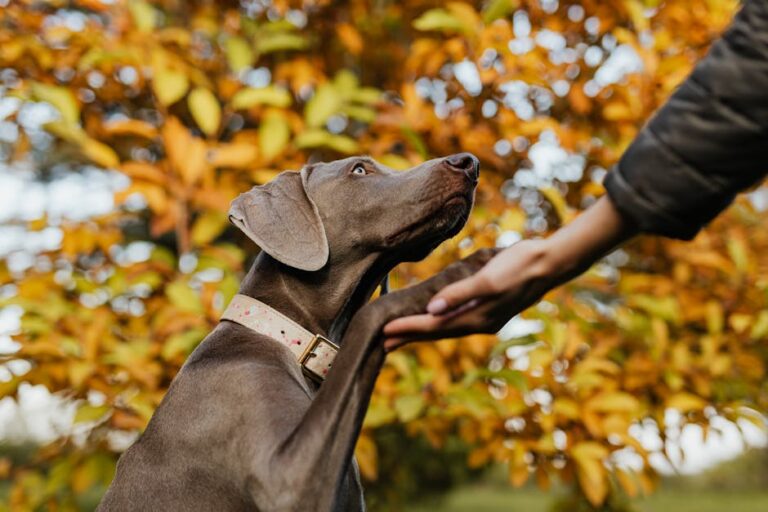
Start with “sit”—the foundation for all other training. Hold a treat above your dog’s nose, slowly lift it back over their head until they naturally sit, then immediately say “sit,” give the treat, and praise.
“Come” is the most important safety command. Start indoors with no distractions, call your dog enthusiastically, and reward generously when they respond. Never call your dog to come for something they perceive as negative.
Socialization During Critical Periods
The critical socialization period (3-14 weeks for puppies) shapes lifelong reactions to people, animals, and environments. Safely expose puppies to various sights, sounds, surfaces, and experiences while they’re naturally more adaptable.
Adult dogs can still learn new social skills with patience and gradual exposure. Start with less challenging situations and build confidence through positive experiences.
Addressing Common Behavioral Issues Early
Excessive barking, jumping, and chewing often stem from boredom, anxiety, or inadequate exercise. Address root causes rather than just symptoms—a tired dog is generally a well-behaved dog.
Resource guarding (protecting food, toys, or spaces) requires professional guidance if severe, but mild cases respond to teaching “drop it” and “leave it” commands with high-value trade-offs.
Safety and Emergency Preparedness
Preparation prevents emergencies and ensures you’re ready to act quickly when problems arise.
Dog-Proofing Your Home and Yard
Indoor hazards include electrical cords, small objects that could be swallowed, toxic plants like poinsettias or lilies, and accessible trash cans. Secure cabinets containing cleaning supplies, medications, or food items harmful to dogs.
Outdoor safety requires secure fencing, removal of toxic plants like azaleas or sago palms, and proper storage of lawn chemicals, antifreeze, or fertilizers. Check fencing regularly for gaps or damage.
Essential Supplies and First Aid Kit Basics
Every dog owner needs a basic first aid kit containing:
- Digital thermometer (normal dog temperature: 101-102.5°F)
- Gauze pads and medical tape for wound care
- Hydrogen peroxide 3% to induce vomiting (only under veterinary guidance)
- Saline solution for flushing eyes or wounds
- Emergency veterinary contact information
- Muzzle (even gentle dogs may bite when injured)
- Towels and blankets for warmth and transport
Identification Methods: Microchips, Tags, and Registration
Microchips provide permanent identification that can’t fall off or be removed. Register chip information and keep contact details current—microchips are only effective if the database information is accurate.
ID tags offer immediate identification for anyone finding your dog. Include your name, phone number, and any critical medical information like “needs medication” or “deaf dog.”
Emergency Contacts and After-Hours Veterinary Care
Establish relationships with both a regular veterinarian and an emergency animal hospital before you need them. Keep contact information readily available in your phone, on your refrigerator, and in your car.
Emergency situations requiring immediate care include: trauma, suspected poisoning, difficulty breathing, seizures, bloat symptoms, or any situation where your dog seems to be in severe distress.
Mastering these pet care basics creates the foundation for a lifetime of health, happiness, and strong bonds with your canine companion. Start with the fundamentals—consistent routines, proper nutrition, preventive healthcare, basic training, and safety preparation—then build your expertise as you and your dog grow together. Remember that every dog is unique; what works for one may need adjustment for another. Stay observant, remain patient, and don’t hesitate to seek professional guidance when questions arise. Your commitment to understanding and implementing these essential dog care tips ensures your four-legged family member receives the exceptional care they deserve.