How to Train Your Dog for Toilet Success in Weeks, Not Months
House training your dog doesn’t have to be a months-long struggle filled with accidents and frustration. Whether you’re welcoming a new puppy or helping an adult dog master bathroom etiquette, the right approach can have your furry friend reliably using their designated toilet area within weeks. From understanding your dog’s natural instincts to creating foolproof schedules and handling setbacks, this comprehensive guide will walk you through every step of successful toilet training—so you can finally say goodbye to surprise messes and hello to a well-trained, confident companion.
Understanding Your Dog’s Natural Bathroom Instincts
Dogs come hardwired with preferences that actually work in your favor when learning how to train a dog for toilet success. Most dogs naturally avoid eliminating in their sleeping and eating areas—a survival instinct inherited from their wolf ancestors. This den mentality becomes your strongest ally in house training, but only when you understand how to work with it rather than against it.
Puppy bladder control develops gradually, and understanding this timeline is crucial for training your puppy to pee outside effectively. An 8-week-old puppy can typically hold their bladder for about 2-3 hours, while a 4-month-old puppy might manage 4-5 hours. Adult dogs can usually wait 6-8 hours, though individual factors like size, health, and previous training affect these timelines. Expecting a young puppy to match an adult dog’s bathroom schedule sets both of you up for frustration.
Watch for pre-elimination signals that telegraph your dog’s needs: circling, sniffing intensively, whining, scratching at doors, or suddenly becoming restless during calm activities. These behaviors typically appear 5-15 minutes before your dog actually needs to eliminate, giving you a crucial window for successful redirection.
Consistency beats punishment every time. Dogs don’t understand punishment applied after the fact—yelling about an accident discovered hours later only teaches your dog to fear you, not to avoid indoor elimination. Instead, focus on preventing accidents through management and rewarding successful outdoor bathroom trips immediately.
Setting Up Your Dog’s Toilet Training Environment
Choose one primary outdoor toilet spot and use it religiously during training. Dogs develop surface and location preferences quickly, so consistency accelerates the learning process. Pick an area that’s easily accessible from your main door, relatively sheltered from extreme weather, and somewhere you’re comfortable visiting multiple times daily.
Essential supplies streamline your training efforts:
- 6-foot leash for controlled outdoor trips
- High-value treats (small, soft pieces that can be delivered within seconds)
- Enzymatic cleaner to completely eliminate odor from accidents
- Timer or phone app to maintain consistent scheduling
- Baby gates for managing indoor movement
Create a confined space strategy using baby gates or a crate appropriately sized for your dog. The space should be large enough for your dog to stand, turn around, and lie down comfortably, but not so large that they can eliminate in one corner and sleep in another. This confined area becomes your dog’s “den” when you can’t provide direct supervision.
Weather considerations matter year-round. Heavy rain, snow, or extreme heat can derail training if you don’t have backup plans. Establish a covered outdoor area when possible, or consider indoor alternatives like pee pads or artificial grass systems during severe weather. However, avoid switching between indoor and outdoor options unnecessarily, as this can confuse your dog’s developing preferences.
The Step-by-Step Toilet Training Schedule That Works
Puppy schedule (8-16 weeks):
- Immediately upon waking
- 15-30 minutes after eating
- After naps
- After play sessions
- Before bedtime
- Every 2-3 hours during the day
- Once during the night if needed
Adult dog schedule:
- First thing in the morning
- 30-60 minutes after meals
- After extended play or exercise
- Before bedtime
- Every 4-6 hours during the day
Take Mason, an 8-week-old Golden Retriever puppy who went from 6 daily accidents to fully house-trained in 3 weeks. His owners implemented scheduled feeding at 7 AM, 12 PM, and 5 PM, followed by immediate outdoor trips. They set phone timers for bathroom breaks every 2.5 hours and rewarded successful outdoor elimination with tiny pieces of freeze-dried liver within 3 seconds of completion.
Timing your rewards matters immensely. Deliver treats and praise the moment your dog finishes eliminating outdoors—not when they come back inside or after you’ve cleaned up. This precise timing helps your dog understand exactly which behavior earned the reward.
Track progress using a simple chart or phone app, noting successful outdoor trips, accidents, and timing patterns. This data reveals your dog’s natural rhythm and helps you adjust the schedule to prevent accidents rather than just react to them.
Troubleshooting Common Toilet Training Challenges
Regression happens, especially during major life changes. Moving homes, schedule changes, new family members, or even seasonal weather shifts can temporarily disrupt established bathroom habits. Return to your basic training schedule temporarily rather than assuming your dog has “forgotten” their training.
Working professionals like Sarah face unique challenges. Her Beagle needed consistent training despite her 8-hour workdays. Sarah’s solution involved morning and evening intensive training sessions, a dog walker for midday bathroom breaks, and weekend reinforcement. She maintained the same outdoor toilet spot and reward system across all caregivers to ensure consistency.
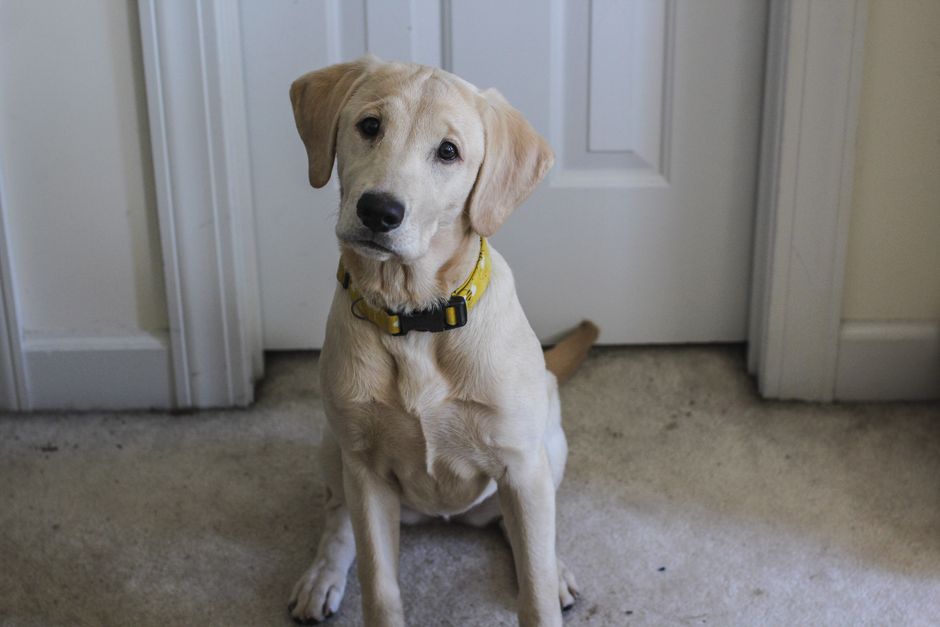
The bell method works exceptionally well for many dogs. Labrador mix Charlie learned to ring bells hung by the door when he needed outside access. His owners started by ringing the bells themselves before each scheduled bathroom trip, then guided Charlie’s paw to ring them. Within two weeks, Charlie was independently signaling his bathroom needs.
Fear-based elimination requires patience and modified approaches for rescue dogs. Rescue dog Luna initially eliminated indoors due to anxiety about outdoor spaces. Her family spent three weeks simply sitting quietly in the backyard with Luna, offering treats and play without any bathroom pressure. Once Luna felt comfortable outdoors, they gradually introduced bathroom training, achieving success within 6 weeks total.
Marking behaviors differ from house training issues. If your dog lifts their leg on furniture or eliminates small amounts in multiple locations, you’re likely dealing with territorial marking rather than incomplete house training. Address marking through increased supervision, interrupting the behavior, and neutering if appropriate.
Advanced Tips for Toilet Training Success
Teaching elimination on cue transforms your dog’s bathroom habits from reactive to proactive. Choose simple commands like “go potty” or “hurry up,” and say them quietly while your dog eliminates naturally. After several weeks of pairing the command with the behavior, most dogs will eliminate on cue when needed.
Multiple family members require coordination to maintain training consistency. Establish the same command words, reward timing, and toilet locations across all household members. Children especially need clear instructions about appropriate rewards and avoiding punishment for accidents.
Long-term maintenance prevents backsliding once initial training succeeds. Continue rewarding outdoor elimination occasionally, maintain consistent feeding schedules when possible, and address any health issues promptly. Senior dogs may need schedule adjustments as their physical capabilities change.
Consider your dog’s overall training ecosystem. A dog struggling with excessive barking might be harder to house train due to general impulse control issues. While tools like a stop dog barking whistle can address noise problems, remember that comprehensive training often requires addressing multiple behavioral aspects simultaneously.
Nutrition impacts toilet training timing. Dogs eating best puppy food without chicken (if managing food allergies) may have different digestion patterns than those on standard diets. Monitor how different foods affect your dog’s elimination schedule and adjust bathroom break timing accordingly.
These dog training tips at home work because they respect your dog’s natural instincts while providing clear, consistent guidance. Most dogs want to please their humans and avoid eliminating in their living space—your job is simply to make success easier than failure through smart management, perfect timing, and generous rewards for getting it right.
Success comes from patience, consistency, and understanding that every dog learns at their own pace. With the right approach, most dogs master reliable bathroom habits within 3-6 weeks, transforming your daily routine from stress-filled accident management to the simple pleasure of life with a well-trained companion.