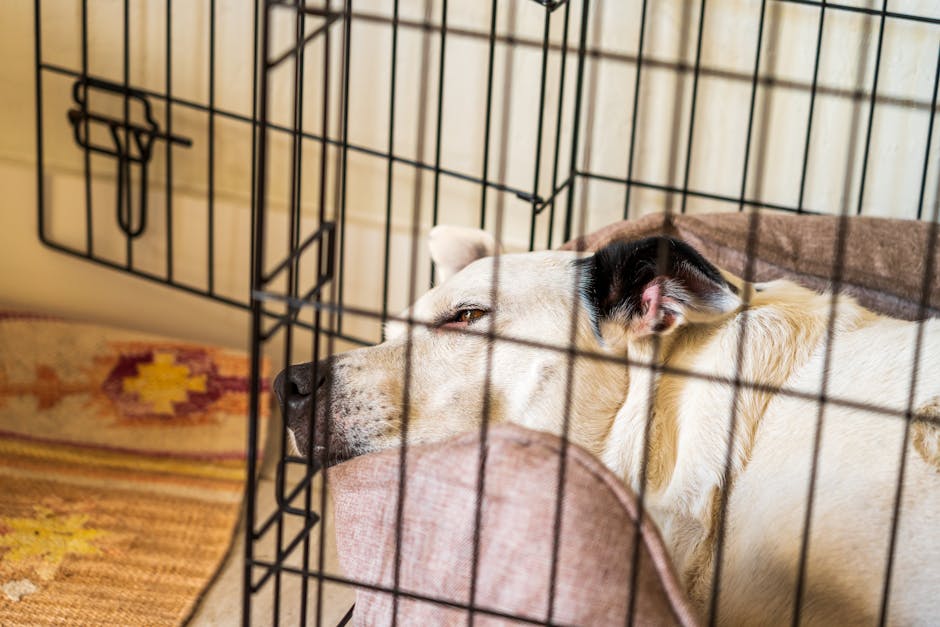
How to Crate Train a Rescue Dog with Separation Anxiety (Without Force)
Bringing home a rescue dog with separation anxiety can feel overwhelming—especially when traditional crate training methods seem to make their distress worse. But here’s the truth: with the right approach, your crate can become your anxious rescue’s safe haven rather than a source of panic. The key lies in understanding that rescue dogs often carry invisible baggage from their past, and crate training them requires patience, compassion, and a step-by-step strategy that builds trust rather than forcing compliance. In this comprehensive guide, we’ll walk you through a proven method that addresses separation anxiety while teaching your rescue dog that their crate is the most secure, comfortable place in your home.
Understanding Your Rescue Dog’s Separation Anxiety and Crate Resistance
Rescue dogs arrive at their new homes with unique emotional histories that significantly impact how they respond to crate training. Unlike puppies who can be gradually introduced to crates from an early age, many rescue dogs have experienced abandonment, confinement trauma, or inconsistent living situations that make enclosed spaces feel threatening rather than safe.
Why Rescue Dogs Struggle More with Crates
The statistics tell a compelling story: rescue dogs are three times more likely to exhibit separation anxiety behaviors compared to dogs raised from puppyhood in stable homes. This heightened anxiety stems from their past experiences with unpredictable departures, shelter confinement, or previous owners who may have used crates as punishment rather than comfort zones.
When assessing your rescue dog’s specific challenges, watch for these distinct separation anxiety indicators rather than general behavioral issues:
- Destructive behavior that occurs only when you leave, not during supervised alone time
- Excessive vocalization (barking, howling, whining) that begins immediately upon your departure
- Physical symptoms like drooling, panting, or trembling when they see departure cues
- Elimination accidents that happen exclusively during your absence, even with dogs who are otherwise housetrained
Identifying Your Dog’s Specific Triggers
Take Max, a 3-year-old rescue pit mix who initially destroyed two crates before his owner discovered his specific triggers. Max’s anxiety spiked when he heard keys jingling and saw shoes being put on—not when the crate door closed. This distinction was crucial for developing an effective training plan that addressed his actual fears rather than assumed ones.
Spend your first week observing when your dog shows stress signals. Does anxiety appear when you approach the crate, when you close the door, or only when you move toward the exit? Understanding these nuances shapes your entire training approach.
Pre-Crate Training: Building Foundation Skills and Trust
Before introducing the crate, establish a foundation of trust and predictability that reduces your dog’s overall anxiety levels. This groundwork phase typically takes 2-3 weeks but creates the emotional stability necessary for successful crate training.
Creating Routine and Security
Start with a consistent daily schedule that includes feeding times, walks, play sessions, and quiet periods. Anxious rescue dogs thrive on predictability, and knowing what comes next reduces their hypervigilance about potential abandonment.
During this phase, focus on essential training commands that build confidence and create positive interactions. Teaching basic recall ensures your dog will come when called, which builds trust and gives them agency in their movements. Practice “stay” commands that gradually increase in duration—this teaches your dog that temporary separation from you isn’t permanent abandonment.
Simultaneous Potty Training Integration
Address outdoor elimination training alongside crate preparation for maximum effectiveness. Many rescue dogs struggle with house training due to inconsistent previous experiences, and how to train a rescue dog to pee outside becomes significantly easier when combined with crate training.
Establish a potty schedule that aligns with eventual crate timing: first thing in the morning, after meals, before crate sessions, and immediately after crate release—this foundation work helps with training a rescue dog to poop outside consistently. This creates positive associations between crate time and outdoor relief, reducing accidents and building routine.
The Gradual Crate Introduction Method for Anxious Rescue Dogs
This systematic approach transforms the crate from a perceived prison into a coveted retreat through careful conditioning and patience.
Weeks 1-2: Building Irresistible Appeal
Place the crate in your main living area with the door removed entirely or securely fastened in the open position. Feed all meals inside the crate, toss high-value treats randomly throughout the day for your dog to discover, and place their favorite blanket or toy inside.
The goal is creating positive associations without any pressure. If your dog won’t enter initially, feed them progressively closer to the crate entrance until they’re comfortable eating just inside. Some dogs need several days just to sniff around the crate without pressure.
Weeks 3-4: Introducing Brief Closures
Once your dog enters the crate willingly for meals and treats, begin closing the door for very short periods while remaining fully visible and engaged. Start with 30 seconds, gradually increasing to 5-10 minutes over the two weeks.
Here’s a typical Week 3 training session walkthrough:
- Preparation (5 minutes): Place special treats inside the crate while your dog watches
- Entry encouragement (2 minutes): Use cheerful voice and gestures to encourage voluntary entry
- Door closure (1-3 minutes): Close door gently, sit nearby reading or using your phone calmly
- Release (immediate): Open door before any distress signals, reward calm behavior
- Cool down (10 minutes): Normal activity away from crate area
Never open the crate in response to whining or pawing—this teaches that protest behavior earns freedom. Instead, wait for even brief moments of calm before releasing.
Weeks 5-6: Building Independence
Graduate to leaving the room for short periods, starting with 2-3 minutes and building to 15-20 minutes. This phase requires careful attention to your dog’s stress signals and readiness to retreat to easier levels if needed.
Managing Separation Anxiety During Crate Training Progress
Recognizing true distress versus normal adjustment protests is crucial for success. True anxiety manifests as excessive drooling, frantic scratching that causes injury, or panicked vocalization that doesn’t diminish after 5-10 minutes. Protest behavior typically involves brief whining that stops when the dog realizes you’re not immediately responding.
Tools for Anxiety Management
Several environmental modifications can significantly reduce stress during training:
- Calming music specifically designed for dogs, played consistently during crate sessions
- Adaptive pheromone diffusers placed near the crate area to promote relaxation
- Puzzle toys or frozen Kong toys that provide mental stimulation and positive distraction
- Comfort items like worn t-shirts that carry your scent
Handling Setbacks Constructively
Training rarely progresses linearly. If your dog suddenly refuses to enter the crate after making good progress, resist the urge to force compliance. Instead, return to the previous successful level for several days before attempting advancement.
Consider what might have changed: household disruptions, schedule modifications, or even weather changes can trigger temporary regression in anxious dogs. One weekend disruption—like having houseguests or unusual schedule changes—can set training back by a week or more.
Long-term Success: Maintaining Crate Training and Preventing Regression
Once your rescue dog accepts crate confinement for 30-45 minutes, you can gradually extend periods to accommodate work schedules. However, avoid jumping immediately to 8-hour confinements. Build duration slowly, adding 15-30 minutes every few days until reaching your target timeframe.
Sustainable Daily Integration
Create a routine that addresses your dog’s full behavioral needs while incorporating crate time naturally. Most dogs need 1-2 hours of physical exercise, mental stimulation through training or puzzle toys, and social interaction daily. Meeting these needs reduces overall anxiety and makes crate acceptance easier.
Watch for returning anxiety signs: increased shadowing behavior, renewed destruction, or regression in house training. These often indicate that separation periods have increased too quickly or that your dog’s overall needs aren’t being met.
Maintaining Training Success
Continue occasional practice sessions even after achieving your goals. Periodically offer special treats in the crate, maintain the positive associations you’ve built, and never use the crate as punishment for behavioral issues.
Remember that effective training strategies for anxious rescue dogs emphasize consistency and patience above speed. Your rescue dog’s progress might be slower than a puppy’s, but the bond you build through this thoughtful training process creates lasting trust and security that extends far beyond crate training success.
The investment in gradual, force-free crate training pays dividends in reduced anxiety, improved behavior, and a stronger relationship with your rescue dog. Every small step forward represents a victory in helping your dog overcome their past and embrace the security of their forever home.