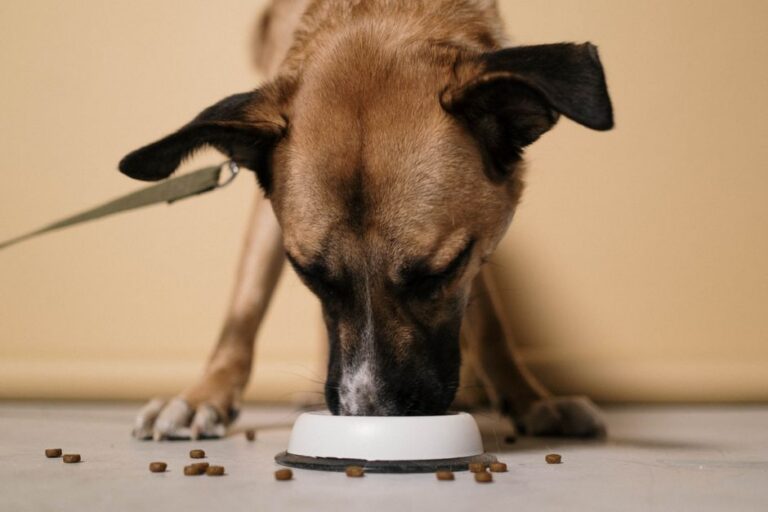
How to Pick the Perfect Puppy Food for Your German Shepherd’s Growth
Your German Shepherd puppy’s bright eyes and boundless energy tell you everything—they’re ready to grow into the loyal, intelligent companion you’ve always dreamed of. But here’s what many new German Shepherd owners discover: the food choices you make in these crucial first months will shape not just their size and strength, but their joint health, coat quality, and overall vitality for years to come. With German Shepherds prone to hip dysplasia and requiring specific nutrition to support their rapid growth from 8-pound furballs to 60-80 pound adults, choosing the right puppy food isn’t just important—it’s essential. Let’s cut through the marketing hype and dive into what your German Shepherd puppy actually needs to thrive.
Why German Shepherd Puppies Need Special Nutrition (And What Happens When They Don’t Get It)
German Shepherd puppies grow at a breathtaking pace that can catch even experienced dog owners off guard. In just 18 months, your 8-week-old puppy will increase their body weight by 800-1000%. This explosive growth creates nutritional demands that regular puppy food often can’t meet—and best puppy food for large breed dogs formulations become critical.
Unlike smaller breeds that reach maturity by 12 months, German Shepherds continue developing until 18-24 months old. Their bones, joints, and muscles require precisely balanced nutrition throughout this extended growth period. Too much calcium can cause premature growth plate closure, while too little protein stunts muscle development. The margin for error is surprisingly narrow.
Take Max, a 12-week-old German Shepherd whose owner fed him adult dog food with 32% protein and high calcium levels. Within six weeks, Max showed signs of panosteitis (growing pains) and developed a slight limp. His veterinarian immediately recognized the classic signs of over-nutrition in a large breed puppy. After switching to an appropriate best puppy food for german shepherd formula with controlled mineral levels, Max’s symptoms resolved within a month, and his growth trajectory normalized.
German Shepherds also possess a unique metabolism compared to other breeds. Their working dog heritage means they process fats and proteins differently, requiring sustained energy release rather than quick bursts. They’re also prone to sensitive stomachs and food allergies, making digestibility a crucial factor in food selection.
The consequences of poor nutrition during puppyhood extend far beyond the first year. Developmental orthopedic disease, including hip dysplasia and elbow dysplasia, often traces back to improper feeding during the growth phase. Research shows that German Shepherds fed appropriate large breed puppy formulas have significantly lower rates of joint problems in adulthood.
Essential Nutrients Every German Shepherd Puppy Food Must Have
Understanding the nutritional building blocks your German Shepherd puppy needs empowers you to evaluate any best dry puppy food option with confidence. These requirements aren’t suggestions—they’re based on decades of canine nutritional research and breed-specific studies.
Protein: The Foundation of Growth
German Shepherd puppies require 22-26% protein in their diet, but quality matters more than quantity. Look for named meat sources (chicken, lamb, salmon) as the first ingredient, not generic “meat meal.” The protein should provide all essential amino acids for muscle development and immune system support.
Avoid the common mistake of thinking more protein equals better growth. Excessive protein (over 28%) can actually stress developing kidneys and contribute to rapid weight gain that outpaces skeletal development.
The Critical Calcium-Phosphorus Balance
This is where many puppy foods fail German Shepherds. The ideal calcium-phosphorus ratio ranges from 1.2:1 to 1.4:1. This precise balance ensures proper bone mineralization without triggering premature growth plate closure.
Many dog health advice reddit threads discuss the confusion around calcium levels. The key insight: total calcium percentage should stay between 1.0-1.8%, with phosphorus levels carefully matched. Foods exceeding these ranges can cause irreversible skeletal problems.
DHA for Brain Development
German Shepherds are working dogs bred for intelligence and trainability. DHA (docosahexaenoic acid) supports optimal brain and eye development during the critical puppy months. Look for foods containing fish oil or algae-based DHA sources providing at least 0.05% DHA content.
Digestive Support Components
German Shepherds frequently experience digestive sensitivities. Quality puppy foods should include:
- Prebiotics and probiotics for gut health
- Easily digestible carbohydrates like sweet potato or brown rice
- Limited ingredient profiles to reduce allergy risk
- Fiber content between 2-4% for optimal stool quality
Top 5 Best Puppy Foods for German Shepherds in 2026
The puppy food landscape has evolved significantly, with manufacturers finally recognizing the unique needs of large breed puppies. Here are the standout options based on nutritional analysis, feeding trials, and real-world results from German Shepherd breeders:
Premium Tier: Science-Based Formulations
Royal Canin German Shepherd Puppy remains the gold standard, specifically formulated for the breed’s kibble size preferences and digestive needs. The 26% protein and 1.3:1 calcium-phosphorus ratio hit the sweet spot for healthy growth.
Hill’s Science Diet Large Breed Puppy offers exceptional digestibility with clinically proven DHA levels. Their controlled mineral profile has shown measurable improvements in hip joint development in long-term studies.
Mid-Tier: Quality Without Premium Pricing
Purina Pro Plan Large Breed Puppy delivers professional-grade nutrition at a more accessible price point. The formula includes live probiotics and has gained popularity among German Shepherd rescue organizations for its consistent results.
Wellness Complete Health Large Breed Puppy provides a grain-inclusive formula with added glucosamine for early joint support. The deboned chicken and salmon meal combination offers high biological value protein.
Budget-Conscious Choice
Diamond Naturals Large Breed Puppy proves you don’t need to break the bank for quality nutrition. Their cage-free chicken and sweet potato formula meets all large breed requirements while remaining affordable for multi-dog households.
Grain-Free Considerations
The veterinary community’s stance on grain-free diets has shifted significantly since the FDA’s investigation into dilated cardiomyopathy (DCM) cases in 2019-2021. Current research suggests grain-inclusive diets provide more balanced nutrition for large breed puppies, with traditional grains like rice and oats offering valuable nutrients and energy.
Feeding Guidelines and Common Mistakes to Avoid
Proper feeding goes beyond choosing the right food—timing, portions, and transitions all impact your puppy’s development. German Shepherd puppies require more structured feeding protocols than smaller breeds.
Age-Based Feeding Schedule
8-12 weeks: Four meals daily, ¾ to 1 cup per meal
3-6 months: Three meals daily, 1 to 1½ cups per meal
6-12 months: Two meals daily, 1½ to 2½ cups per meal
12+ months: Begin adult transition, maintain twice-daily feeding
These portions assume average-sized German Shepherd puppies and should be adjusted based on body condition scoring, not age alone. A lean puppy with visible ribs needs more food; a pudgy puppy with no waist definition needs less.
The Critical Growth Rate Management
German Shepherd puppies should gain 2-4 pounds per week during their peak growth phase (12-20 weeks). Faster growth might seem positive, but it often leads to joint problems. Slower growth, while concerning, can usually be corrected with dietary adjustments.
Monitor your puppy’s body condition weekly using the hands-on rib test: you should feel ribs easily with light pressure but not see them prominently. This simple assessment prevents both under and overfeeding.
Transition Timing and Technique
Never switch German Shepherd puppies to adult food at 12 months—their growth plates don’t close until 18-24 months. Premature switches to adult formulations can cause nutritional deficiencies during crucial development periods.
When transitioning between foods, use the 7-day gradual method: 25% new food for days 1-2, 50% for days 3-4, 75% for days 5-6, and 100% new food by day 7. German Shepherds’ sensitive stomachs require this patience.
Special Considerations for Rescue German Shepherd Puppies
Rescue German Shepherd puppies present unique nutritional challenges that require modified approaches. Are rescue dogs harder to train? often surfaces in discussions, but proper nutrition significantly impacts both behavior and trainability in rescued puppies.
Nutritional Rehabilitation Protocol
Undernourished rescue puppies need gradual refeeding to prevent refeeding syndrome. Start with small, frequent meals (every 4-6 hours) using highly digestible formulas. Increase portions by 25% weekly until reaching normal feeding amounts.
Luna, a 14-week-old German Shepherd rescue, arrived severely underweight with a dull coat and low energy. Her rehabilitation required starting with half-portions of puppy food mixed with plain boiled chicken for the first week. By month three on a proper large breed puppy formula, Luna had gained appropriate weight, developed a glossy coat, and showed the typical German Shepherd curiosity and intelligence.
Building Trust Through Feeding Routines
Rescue puppies often have food anxiety or resource guarding tendencies. Establish consistent feeding schedules in the same location using the same bowl. Hand-feeding portions can build positive associations, but ensure all family members participate to prevent single-person bonding.
Addressing Unknown Food Histories
Many rescue puppies arrive with mysterious dietary backgrounds. Start with limited ingredient formulas to identify potential food allergies. Common German Shepherd allergens include beef, dairy, and wheat. Symptoms like chronic diarrhea, excessive scratching, or ear infections may indicate food sensitivities requiring elimination diets.
Working with Veterinary Partners
Rescue puppies benefit from comprehensive health screenings before establishing feeding protocols. Unknown vaccination schedules, parasite loads, and underlying health conditions all influence nutritional needs. Partner with veterinarians experienced in large breed development to create individualized feeding plans.
The investment in proper nutrition during your German Shepherd puppy’s growth phase pays dividends throughout their 10-12 year lifespan. Quality puppy food costs more upfront but prevents expensive orthopedic surgeries, skin treatments, and digestive issues later. More importantly, it gives your intelligent, loyal companion the strong foundation they need to become the remarkable dog you envisioned when those bright puppy eyes first met yours.