When Your Dog Can’t Eat: A Complete Guide to Liquid Nutrition
When your dog refuses to eat solid food due to illness, recovery, or digestive issues, liquid nutrition becomes a lifeline. Whether you’re dealing with a post-surgery pup, a senior dog with swallowing difficulties, or a puppy with a sensitive stomach, understanding how to provide proper liquid nutrition can mean the difference between a smooth recovery and prolonged health struggles. While liquid diets aren’t meant to replace regular feeding long-term, knowing when and how to use them—plus which options work best for different breeds and situations—gives you a crucial tool in your comprehensive dog care arsenal.
When Dogs Need Liquid Nutrition: Recognizing the Signs
Your dog might need liquid nutrition for several reasons, and recognizing these situations early helps ensure your pup gets the support they need when solid food isn’t an option.
Medical conditions often create the most pressing need for liquid feeding. Post-surgical dogs, especially those recovering from oral, dental, or gastrointestinal procedures, may struggle with solid food for days or weeks. Dogs with severe dental disease, oral tumors, or jaw injuries simply can’t chew effectively. Swallowing disorders, which can develop from neurological conditions or throat injuries, make solid food dangerous due to choking risks.
Digestive emergencies present another common scenario. When dogs experience severe vomiting, diarrhea, or inflammatory bowel flare-ups, their digestive systems need rest while still receiving nutrition. Puppies with sensitive stomachs often benefit from temporary liquid nutrition during particularly rough episodes, allowing their systems to reset without the mechanical stress of processing solid food.
Senior dogs face unique challenges that liquid nutrition can address. As dogs age, dental pain, weakened jaw muscles, or difficulty swallowing can make mealtime stressful. Rather than watching your older dog struggle or lose weight, liquid nutrition offers a gentler alternative that maintains their nutritional intake.
Emergency situations sometimes demand immediate liquid feeding solutions. Dogs recovering from bloat surgery, those with severe pancreatitis, or pups experiencing medication side effects that affect appetite may need liquid nutrition as a bridge back to normal eating.
The key signs your dog might benefit from liquid nutrition include persistent food refusal lasting more than 24 hours, visible pain while chewing, repeated choking or gagging during meals, significant weight loss, or recovery from any procedure affecting the mouth, throat, or digestive system.
Types of Liquid Nutrition: From Prescription to Homemade Options
Understanding your liquid nutrition options helps you choose the right approach for your dog’s specific situation and ensures they receive complete, balanced nutrition during their recovery period.
Veterinary Prescription Liquid Diets
Prescription liquid diets represent the gold standard for dogs requiring extended liquid nutrition. These veterinary-formulated products provide complete nutrition in liquid form, designed specifically for dogs with medical conditions. Products like Hill’s a/d or Royal Canin Recovery liquid diets offer concentrated calories and nutrients in easily digestible formats.
These prescription options work best for post-surgical recovery, dogs with chronic conditions requiring long-term liquid feeding, or situations where complete nutritional balance is critical. Your veterinarian can calculate exact feeding amounts based on your dog’s weight, age, and condition.
Commercial Liquid Supplements
Over-the-counter liquid supplements serve as temporary solutions or appetite stimulants. Bone broth designed for dogs, liquid vitamin supplements, and meal replacement shakes formulated for pets can help bridge short-term feeding gaps. However, these products rarely provide complete nutrition on their own.
Safe Homemade Options
Homemade liquid nutrition requires careful preparation but offers flexibility for short-term needs. Properly prepared bone broth provides hydration and some nutrients, though it shouldn’t be the sole nutrition source for more than a day or two.
For more substantial homemade liquid meals, blend your dog’s regular high-quality kibble with warm water or low-sodium chicken broth until smooth. This maintains nutritional consistency while creating a liquid format. For puppies, blending their specific puppy food ensures they receive age-appropriate nutrition levels.
Another effective homemade option involves blending cooked white rice, boiled chicken breast, and warm water into a smooth consistency. This gentle mixture works well for dogs with digestive upset while providing easily digestible calories and protein.
What to Avoid
Never use human nutritional drinks, milk-based products, or anything containing xylitol, chocolate, or other toxic ingredients. Avoid overly rich broths with high fat content, which can trigger pancreatitis, and never force-feed thick liquids that could cause choking.
Breed-Specific Considerations for Liquid Feeding
Different breeds present unique challenges and requirements when transitioning to liquid nutrition, making breed-specific knowledge essential for successful liquid feeding protocols.
Large Breed Puppies and Golden Retrievers
Golden Retriever puppies and other large breed pups require careful attention to growth-supporting nutrition even during liquid feeding periods. The best puppy food for Golden Retrievers typically contains controlled calcium and phosphorus levels to support proper bone development—requirements that must continue during liquid feeding.
When creating liquid nutrition for large breed puppies, ensure you’re using puppy-specific formulations rather than adult dog products. Large breed puppies need approximately 20-25% protein and 8-12% fat in their diets, ratios that must be maintained in liquid form. Blend large breed puppy kibble with water rather than switching to generic liquid diets that might not meet these specific requirements.
Large breed puppies also consume larger volumes, making feeding logistics more challenging. Plan for multiple smaller liquid meals throughout the day rather than attempting to provide their full caloric needs in one or two large liquid portions.
Pitbull Puppies and Strong Appetites
Pitbull puppies often present the challenge of maintaining proper nutrition while managing their typically strong food drive during liquid feeding periods. The best puppy food for Pitbulls usually emphasizes high-quality protein sources and balanced nutrition to support their muscular development—considerations that remain important during liquid feeding.
These puppies may initially resist liquid diets simply because they prefer the texture and satisfaction of solid food. Gradual transitions work better than abrupt switches. Start by making their regular kibble progressively wetter over several meals before moving to fully liquid consistency.
Pitbull puppies also tend to eat quickly, which becomes problematic with liquid feeding due to aspiration risks. Use slower feeding methods and smaller, more frequent meals to manage their enthusiasm while ensuring safety.
Small Breed Considerations
Small breed dogs and puppies face heightened risks during liquid feeding due to their faster metabolisms and higher surface area-to-body weight ratios. They can develop hypoglycemia more quickly if liquid feeding doesn’t provide adequate calories, making frequent small meals essential.
Small dogs also have proportionally smaller stomachs, limiting the volume they can consume per meal. This means their liquid nutrition must be more calorie-dense to meet their needs without causing stomach upset from overfeeding.
Sensitive Stomach Adjustments
Dogs prone to digestive upset, regardless of breed, benefit from specific liquid nutrition modifications. The best puppy food for sensitive stomachs typically features limited ingredients and easily digestible proteins—principles that apply to liquid feeding as well.
For sensitive dogs, introduce liquid nutrition gradually and choose bland, easily digestible options. Rice-based liquid meals, diluted bone broth, or prescription digestive diets in liquid form work better than rich, complex liquid meals that might trigger further digestive upset.
Administering Liquid Nutrition: Techniques and Best Practices
Successfully providing liquid nutrition requires proper technique, appropriate tools, and careful attention to your dog’s comfort and safety throughout the feeding process.
Feeding Methods and Tools
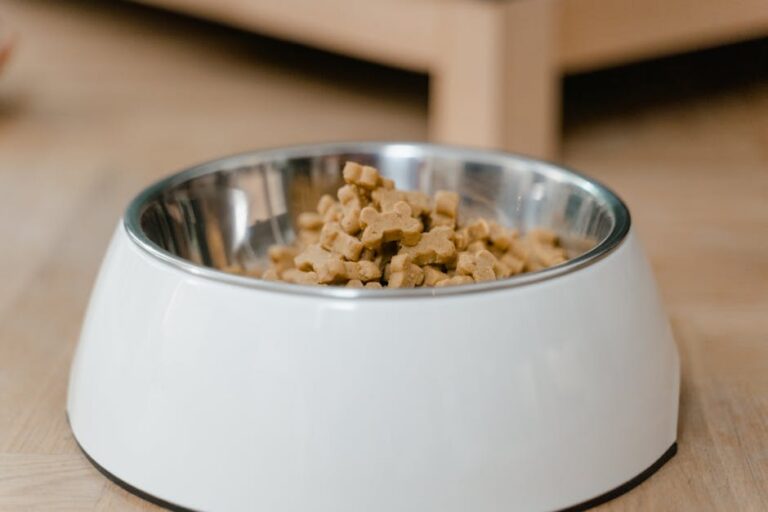
Bowl feeding works best for dogs who can lap liquid food independently. Use shallow, wide bowls that allow easy access without requiring your dog to stick their nose deep into the liquid. This method suits dogs with mild chewing difficulties but intact swallowing reflexes.
Syringe feeding becomes necessary for dogs who won’t eat voluntarily or have swallowing difficulties. Use large syringes (10-20ml) without needles, and administer small amounts slowly into the side of your dog’s mouth, allowing time for swallowing between squirts. Never squirt liquid directly down their throat, which increases aspiration risk.
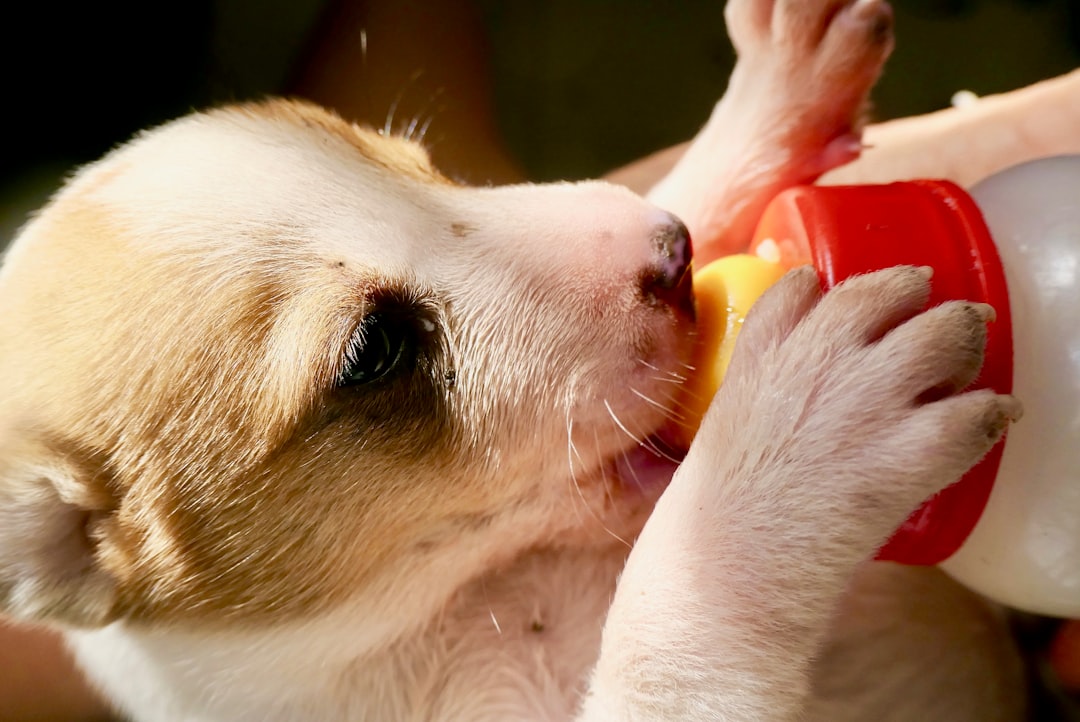
Bottle feeding works well for puppies or small dogs comfortable with this method. Use nursing bottles designed for puppies, ensuring the hole size allows liquid to drip slowly rather than stream out rapidly.
Proper Positioning and Safety
Positioning plays a crucial role in safe liquid feeding. Keep your dog’s head slightly elevated but not tilted back, which can cause liquid to enter the windpipe. For syringe feeding, position your dog sitting or standing rather than lying down.
Feeding pace matters more with liquid nutrition than solid food. Allow time between each small portion for your dog to swallow completely. Watch for signs of distress, coughing, or difficulty breathing that might indicate aspiration.
Monitoring and Transition Planning
Track your dog’s response to liquid feeding by monitoring their energy levels, hydration status (check gum moisture and skin elasticity), and bathroom habits. Liquid diets often result in softer stools, but watch for signs of dehydration or nutritional deficiency.
Transitioning back to solid food requires gradual progression. Start by thickening liquid meals slightly, then introduce very soft solid foods like soaked kibble before returning to regular texture. This process typically takes 3-7 days depending on your dog’s condition and recovery progress.
Take the case of Max, a Golden Retriever puppy who needed liquid nutrition for 10 days following intestinal surgery. His owners began with prescription liquid diet administered via syringe every 4 hours, gradually transitioning to bowl feeding as Max’s appetite returned. By day 7, they began mixing in small amounts of his regular puppy food, fully transitioning back to solid food by day 12. Max maintained his growth curve throughout recovery thanks to consistent liquid nutrition that met his large breed puppy requirements.
Working with Your Veterinarian: When Professional Guidance is Essential
Professional veterinary guidance transforms liquid feeding from guesswork into a structured, safe recovery tool that supports your dog’s specific medical needs and ensures optimal outcomes.
Critical Warning Signs
Immediate veterinary consultation becomes essential when you notice persistent vomiting of liquid food, signs of dehydration (sticky gums, skin tenting, lethargy), difficulty breathing during or after feeding, or significant weight loss despite liquid feeding efforts. These symptoms suggest either feeding technique problems or underlying conditions requiring medical intervention.
Aspiration pneumonia represents the most serious complication of liquid feeding, developing when liquid enters the lungs rather than the stomach. Watch for coughing, labored breathing, or fever following liquid meals—these require emergency veterinary care.
Creating Professional Feeding Plans
Veterinary-supervised feeding plans ensure your dog receives appropriate nutrition for their specific condition. Your vet can calculate exact caloric needs, recommend specific liquid diet products, and establish feeding schedules that support recovery without overwhelming your dog’s system.
For example, Bella, a 12-year-old mixed breed with severe dental disease, worked with her veterinarian to develop a long-term liquid feeding strategy. Her vet recommended a specific prescription liquid diet, calculated her daily caloric needs, and established a feeding schedule of four small meals daily. Regular check-ups monitored Bella’s weight and overall health, adjusting the plan as needed to maintain her quality of life.
Long-term Nutritional Planning
Dogs requiring extended liquid nutrition need professional oversight to prevent nutritional deficiencies and ensure proper growth (in puppies) or weight maintenance (in adults). Your veterinarian can recommend appropriate supplements, monitor blood work for nutritional markers, and adjust feeding protocols based on your dog’s response and recovery progress.
Regular weight checks, body condition scoring, and blood chemistry panels help identify potential problems before they become serious, following science-backed health monitoring principles. This professional monitoring becomes especially important for growing puppies or dogs with chronic conditions requiring ongoing liquid nutrition support.
Liquid nutrition serves as a valuable tool in your dog care arsenal, bridging the gap when solid food isn’t possible while maintaining your dog’s health and supporting recovery. Success depends on choosing appropriate liquid nutrition options, using safe feeding techniques, and working with your veterinarian to ensure your dog’s specific needs are met throughout their liquid feeding period.