When to Start Training Your Rescue Dog: The 2026 Timeline That Actually Works
You’ve just welcomed a rescue dog into your home, and you’re wondering when to start training—should you jump right in, or give them time to settle? This question pops up constantly on Reddit discussions about rescue dog training, and for good reason: the timing of your first training sessions can make or break your relationship with your new companion. While some trainers advocate for immediate structure, others suggest a “honeymoon period” of adjustment. The truth? It depends on your dog’s background, temperament, and current stress levels. In this guide, we’ll cut through the conflicting advice and give you a clear roadmap for when and how to begin training your rescue dog, ensuring you build trust while establishing the foundation for a well-behaved, confident companion.
The Critical First 48-72 Hours: Assessment Over Action
The moment your rescue dog crosses your threshold, every instinct tells you to establish rules and boundaries immediately. Resist that urge. Your new companion has just experienced one of the most stressful events in a dog’s life—a complete environmental change. Their stress hormones are elevated, their cognitive function is compromised, and they’re operating in pure survival mode.
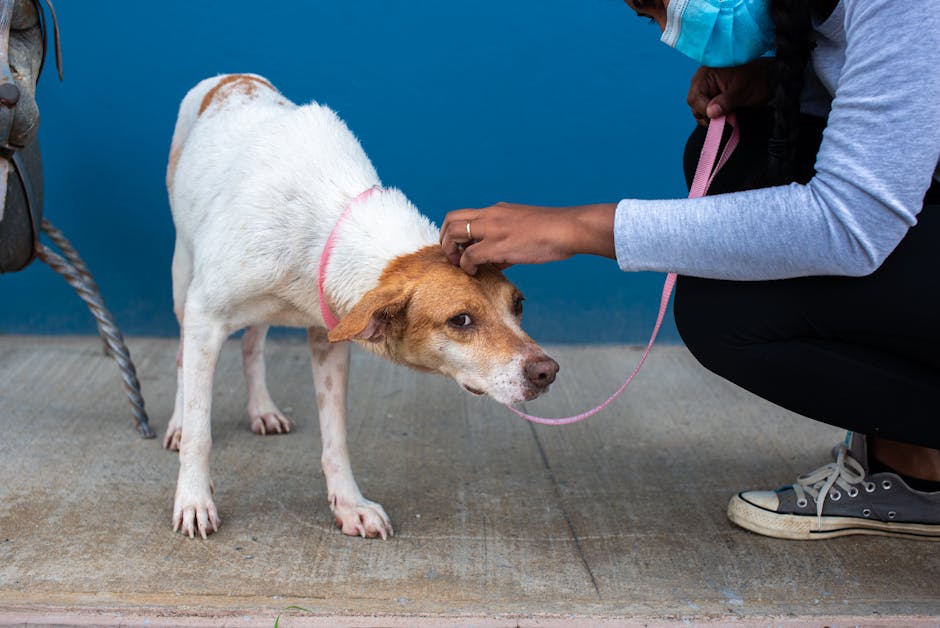
Focus on observation during these crucial first days. Watch how your dog responds to household sounds, other pets, family members, and basic daily routines. A dog who cowers at the sound of the dishwasher or freezes when you reach for their collar is telling you they need more decompression time before formal training begins.
Red Flags That Signal Extended Decompression Needed
Several behaviors indicate your dog requires more adjustment time:
- Extreme withdrawal: Hiding for hours, refusing food, or showing no interest in exploration
- Hypervigilance: Constant pacing, inability to settle, or startling at every sound
- Resource guarding: Aggressive behavior around food, toys, or sleeping areas
- Shut-down behavior: Complete lack of response to their name, treats, or gentle encouragement
Take Luna, a 3-year-old Lab mix rescued from a high-kill shelter. Her new family was eager to start house training immediately, but Luna spent her first four days hiding under the dining room table, only emerging to eat when the house was completely quiet. Her family wisely postponed training for 10 full days, focusing instead on creating predictable routines and speaking in calm, low tones. By day 11, Luna was wagging her tail at meal times and ready for gentle structure.
Simple Management Without Formal Training
During this observation period, prevent problems through management rather than correction:
- Baby gates to limit access to certain areas
- Leashing indoors to prevent inappropriate elimination without confrontation
- Scheduled feeding times to establish routine without pressure
- Quiet spaces where your dog can retreat without being disturbed
Week 1-2: Building Trust Through Basic Structure
Once your dog shows signs of settling—eating regularly, exploring your home, or seeking attention—you can introduce gentle structure. This isn’t formal obedience training yet; think of it as establishing a common language.
Start with life skills training that serves dual purposes: meeting your dog’s basic needs while building your relationship. House training becomes your first collaborative effort. Instead of focusing on correction, emphasize success by taking your dog out frequently and celebrating every outdoor elimination with enthusiasm.
Name recognition training should begin during week one. Use your dog’s name before every positive interaction—meals, walks, gentle petting. Never use their name for corrections during this period. You want their name to predict good things, not stress.
Gauging Readiness for More Structure
Your dog is ready for additional structure when you observe:
- Voluntary interaction: Approaching you for attention or following you around the house
- Appetite return: Eating meals with enthusiasm and accepting treats
- Play behavior: Showing interest in toys or engaging in brief play sessions
- Relaxation: Ability to lie down and rest, even if they remain alert
Consider the case of Max, a formerly abused rescue who arrived fearful and reactive. His family spent three weeks simply sitting near him while he ate, tossing treats without making eye contact, and speaking in calm tones. By week four, Max was bringing toys to his humans—a clear signal he was ready for trust-building exercises that would eventually lead to formal obedience training.
The 3-6 Week Sweet Spot: Formal Training Begins
Most rescue dogs hit their stride between weeks three and six. The initial stress has subsided, they’ve established basic routines, and they’re beginning to trust their new environment. This is when structured training becomes not just possible, but beneficial.
Start with foundation commands that serve practical purposes in your daily life:
- Sit: Practice before meals, walks, and any activity your dog enjoys
- Stay: Begin with very short durations (2-3 seconds) and gradually increase
- Come: Always practice in secure areas and make it the most rewarding experience possible
- Down: Essential for impulse control and creating calm behavior
The key during this period is consistency without rigidity. If your dog has a particularly stressed day, scale back the training intensity. Some dogs progress linearly; others have setbacks that require patience and adjustment.
Addressing Common Rescue Dog Challenges
Rescue dogs often come with specific behavioral patterns that need addressing alongside basic obedience:
Doorway rushing can be managed by teaching a solid sit-stay before opening any door. Leash reactivity requires careful desensitization work before expecting perfect heel positions. Separation anxiety must be addressed gradually through very short departures before expecting your dog to settle for hours alone.
When Professional Help Makes Sense
Consider professional assistance if you notice:
- Aggression toward people, other dogs, or resource guarding that escalates
- Extreme fearfulness that doesn’t improve after six weeks of patient work
- Compulsive behaviors like excessive spinning, tail chasing, or repetitive movements
- Complete training resistance despite consistent, positive approaches
Professional dog behavior training certification programs have evolved significantly, and certified trainers can assess whether your dog needs behavior modification before standard obedience work can proceed effectively.
Special Considerations for Different Rescue Backgrounds
Your training timeline should adapt to your dog’s specific history. Shelter dogs often need more decompression time due to the high-stress environment, while foster dogs may transition more smoothly thanks to continued socialization.
Senior rescue dogs require modified timelines. Their learning capacity remains intact, but they may need longer to process new information and show less enthusiasm for high-energy training sessions. Focus on gentle, consistent work with shorter sessions.
Puppy mill rescues often need extensive socialization before formal training proves effective. These dogs may have never learned how to play, walk on different surfaces, or interact with humans beyond basic care.
Working with Traumatic Histories
Dogs with abuse backgrounds need specialized approaches. Traditional correction-based methods can trigger trauma responses, setting back progress by weeks or months. Instead, focus on choice-based training where the dog can opt in or out of activities.
For severely traumatized dogs, counter-conditioning may precede obedience training. This involves changing your dog’s emotional response to triggers before asking for behavioral compliance.
Setting Yourself Up for Long-Term Success
Sustainable training success depends on realistic expectations and consistent implementation. Most rescue dogs need 3-6 months to reach their full potential in a new home, with basic obedience solidifying around the 8-12 week mark.
Create a daily training schedule that works with your lifestyle:
- Morning: 5-minute session focusing on impulse control (sit before meals, wait at doors)
- Midday: Practice recall and basic commands during regular interactions
- Evening: Longer session (10-15 minutes) working on specific skills
Building on early wins maintains momentum for both you and your dog. Celebrate small victories—your dog’s first successful sit-stay, their first calm walk, their first time settling when guests arrive. These moments build confidence for both ends of the leash.
The transition from basic to advanced training typically happens around month three for most rescue dogs. By this point, they’ve mastered foundation commands and are ready for more complex behaviors like reliable off-leash recalls, advanced impulse control, and specialized skills.
Remember that rescue dogs often surprise their families with rapid progress once they feel secure. The dog who needed weeks to make eye contact may become your most eager training partner. The fearful newcomer who hid under furniture may develop into a confident companion who loves learning new skills.
Your patience during those crucial first weeks creates the foundation for years of successful partnership. Every rescue dog’s timeline is unique, but with careful observation, appropriate pacing, and consistent positive reinforcement, you’ll build the trust and communication that makes advanced training not just possible, but genuinely enjoyable for both of you.