What Makes Puppy Food ‘Vet Recommended’ (And Which Brands Actually Earn It)
Your veterinarian just handed you a list of recommended puppy foods, but as you stand in the pet store aisle surrounded by dozens of colorful bags making bold claims, you’re wondering: what makes these particular brands earn the “vet recommended” stamp of approval? The truth is, veterinarians don’t just randomly endorse puppy foods—they look for specific nutritional standards, quality markers, and research-backed formulations that support healthy growth and development. Understanding what separates truly vet-recommended puppy food from clever marketing can save you money, protect your puppy’s health, and give you confidence that you’re making the best choice for your growing companion—just like implementing comprehensive preventive dog health care throughout their development.
What Makes a Puppy Food ‘Vet Recommended’?
Veterinarians evaluate puppy foods through a scientific lens, not marketing appeal. The foundation of any vet-recommended puppy food starts with AAFCO (Association of American Feed Control Officials) nutritional adequacy standards. However, meeting AAFCO standards is just the baseline—truly vet-recommended brands go several steps further.
AAFCO Standards and Growth Trial Requirements
AAFCO sets minimum nutritional requirements for puppy food, but the gold standard is foods that have completed actual feeding trials with real puppies. These trials last at least 26 weeks and monitor puppies’ growth, health markers, and development. Many boutique brands simply formulate to meet AAFCO nutrient profiles without ever testing their food on actual growing puppies.
Dr. Jennifer Larsen, a board-certified veterinary nutritionist at UC Davis, explains: “We recommend brands that have invested in feeding trials because they’ve proven their food actually works in real puppies, not just on paper.”
Board-Certified Veterinary Nutritionist Involvement
Vet-recommended brands employ board-certified veterinary nutritionists—specialists who have completed additional years of training specifically in animal nutrition. These experts understand the complex nutritional needs of growing puppies and formulate diets based on peer-reviewed research, not food trends.
Quality Control and Manufacturing Standards
Veterinarians trust brands with rigorous quality control measures, including:
- On-site quality control teams at manufacturing facilities
- Ingredient testing before and after production
- Nutritional analysis of every batch
- Recall protocols and traceability systems
- FDA-registered facilities with regular inspections
Top Vet Recommended Puppy Food Brands (And Why Vets Trust Them)
When veterinarians consistently recommend specific brands, it’s because these companies have earned trust through decades of research, quality control, and proven results.
Hill’s Science Diet Puppy
Hill’s leads veterinary recommendations due to their clinical nutrition focus. Every Hill’s formula is developed by veterinary nutritionists and tested through feeding trials. Their large breed puppy formula specifically addresses controlled calcium and phosphorus levels to prevent developmental orthopedic diseases—a critical concern veterinarians see regularly in fast-growing large breed puppies.
Why vets trust Hill’s:
- 70+ years of clinical nutrition research
- On-site veterinary nutritionists at manufacturing facilities
- Extensive feeding trials on every formula
- Strong track record with minimal recalls
Royal Canin Puppy Formulas
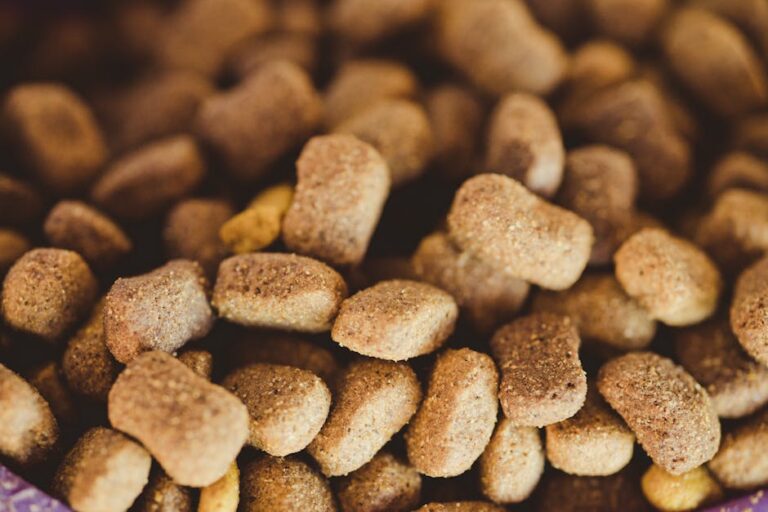
Royal Canin’s breed-specific and size-specific approach resonates with veterinarians who understand that a Chihuahua puppy has vastly different nutritional needs than a Great Dane puppy. Their research into breed-specific nutrition and kibble design (yes, even kibble shape matters for proper chewing and digestion) sets them apart.
Veterinarian appeal:
- Breed-specific formulations based on research
- Size-appropriate kibble design
- Precise nutrient profiles for different growth rates
- Strong relationship with veterinary community
Purina Pro Plan Puppy
Purina Pro Plan’s extensive research backing includes over 500 scientists globally and a 90+ year history of pet nutrition research. Their feeding trials are particularly comprehensive, and they’re one of the few brands that publishes peer-reviewed research in veterinary journals.
Research credentials:
- Over 500 Purina scientists worldwide
- Multiple feeding trials for each formula
- Published research in veterinary nutrition journals
- DHA levels proven to support cognitive development
What Sets These Brands Apart
Unlike boutique or grain-free alternatives, these vet-recommended brands prioritize nutritional science over marketing trends. They invest millions in research while trendy brands often focus on appealing packaging and buzzwords like “natural” or “grain-free” without the research to back up their claims.
Key Nutritional Requirements Vets Look For in Puppy Food
Veterinarians evaluate puppy foods based on specific nutritional criteria that support healthy growth and development.
Protein Levels and Amino Acid Profiles
Growing puppies need 22-32% protein depending on their size and growth rate. However, protein quality matters more than quantity. Vet-recommended foods provide complete amino acid profiles with appropriate levels of arginine, lysine, and methionine—essential for muscle development and overall growth.
Optimal Fat Content and DHA
Fat content should range from 8-20%, with higher fat levels for smaller breeds that need more calorie-dense food. Most importantly, veterinarians look for DHA (docosahexaenoic acid) supplementation. DHA supports brain and eye development during critical growth periods. Vet-recommended brands typically include 0.05-0.15% DHA.
Calcium and Phosphorus Ratios
This is where many puppy owners make critical mistakes. Large breed puppies need controlled calcium levels (0.7-1.2%) to prevent developmental orthopedic diseases like hip dysplasia. The calcium-to-phosphorus ratio should stay between 1.2:1 and 1.8:1. Veterinarians frequently see skeletal problems in large breed puppies fed inappropriate diets with excessive calcium.
Digestible Ingredients and Gut Health Support
Vet-recommended puppy foods include easily digestible proteins and prebiotics to support developing digestive systems. Ingredients like chicken, rice, and prebiotics such as fructooligosaccharides help maintain healthy gut bacteria during the stressful transition period of bringing a puppy home.
How to Choose the Right Vet Recommended Food for Your Puppy
Selecting the appropriate vet-recommended food requires considering your puppy’s specific needs and circumstances.
Size Considerations
Small breed puppies (adult weight under 20 pounds) need calorie-dense formulas because they have higher metabolic rates and smaller stomach capacity. Large breed puppies (adult weight over 70 pounds) require controlled calcium and calories to prevent too-rapid growth that can cause skeletal problems.
Example: An 8-week-old Golden Retriever puppy should transition to Hill’s Science Diet Large Breed Puppy, which provides controlled calcium (0.69%) and includes DHA for cognitive development. The transition should occur gradually over 7-10 days, mixing increasing amounts of the new food with decreasing amounts of the breeder’s food.
Age-Appropriate Feeding Guidelines
8-12 weeks: Feed 4 times daily with puppy-specific formulas
3-6 months: Reduce to 3 times daily
6+ months: Most puppies can transition to twice-daily feeding
Safe Transition Protocol
Never switch puppy foods abruptly. Follow this 7-day transition schedule:
- Days 1-2: 75% old food, 25% new food
- Days 3-4: 50% old food, 50% new food
- Days 5-6: 25% old food, 75% new food
- Day 7+: 100% new food
When to Consult Your Veterinarian
Contact your vet if your puppy shows signs of distress, and remember that professional veterinary guidance extends beyond nutrition to all aspects of puppy health:
- Digestive upset lasting more than 2-3 days during transition
- Poor growth rates or excessive weight gain
- Food allergies or sensitivities
- Special needs due to health conditions
Red Flags: Puppy Foods Vets Typically Don’t Recommend
Understanding what veterinarians avoid can be as important as knowing what they recommend.
Grain-Free Diets and DCM Concerns
The FDA’s investigation into dilated cardiomyopathy (DCM) in dogs eating grain-free diets has made veterinarians particularly cautious about boutique, exotic ingredient, and grain-free (BEG) diets for puppies. The potential link between certain grain-free formulations and heart disease is especially concerning during critical growth periods.
Dr. Lisa Freeman, veterinary nutritionist at Tufts University, states: “We’re seeing DCM in breeds that typically don’t develop this condition, and many of these dogs were eating grain-free diets. Until we understand this connection better, I recommend traditional, well-researched brands.”
Boutique Brands Without Research Backing
Many boutique brands make appealing claims but lack:
- Feeding trials with actual puppies
- Board-certified nutritionists on staff
- Quality control measures
- Research facilities for product development
Inappropriate Nutrient Profiles
Veterinarians regularly see problems from foods with:
- Excessive calcium (over 1.8% for large breed puppies)
- Inadequate protein quality despite high protein percentages
- Missing essential nutrients like DHA or proper vitamin levels
- Unbalanced mineral ratios that can cause developmental issues
Generic and Unregulated Products
Store brands and generic puppy foods often:
- Use inconsistent ingredient sourcing
- Lack nutritional expertise in formulation
- Have minimal quality control measures
- Don’t conduct feeding trials
The investment in vet-recommended puppy food pays dividends in your puppy’s long-term health, proper development, and fewer veterinary bills related to nutritional deficiencies or growth disorders—much like how science-backed preventive care practices contribute to overall wellness. While these foods may cost more upfront, they provide the nutritional foundation your puppy needs for a healthy, active life—and there are strategies to provide excellent nutrition without breaking the bank.