Transform Grooming From Stressful Ordeal to Bonding Time With the Right Kit
Every dog owner knows that moment when you look at your furry friend and realize it’s definitely time for a grooming session—but the thought of wrestling with nail clippers, brushes, and a squirmy pup can feel overwhelming. Whether you’re tired of expensive grooming appointments or simply want to bond with your dog through at-home care, investing in the right dog grooming kit can transform this necessary task from a stressful ordeal into a manageable routine. With the right tools, professional techniques, and a bit of patience, you can keep your dog looking and feeling their best while saving money and strengthening your relationship.
Essential Tools Every Dog Grooming Kit Should Include
Building an effective dog grooming kit starts with understanding which tools deliver real results versus those that simply clutter your storage space. The foundation of any quality kit revolves around four core categories: brushing tools, nail care equipment, bathing supplies, and health maintenance items.
Quality Brushes and Combs for Different Coat Types
Slicker brushes work exceptionally well for removing loose fur and preventing matting in medium to long-haired breeds. Look for ones with fine, bent wire bristles that can penetrate through the topcoat to catch undercoat effectively. The best versions feature self-cleaning mechanisms that push bristles through the brush head with the press of a button.
Pin brushes excel at daily maintenance brushing for dogs with longer, silkier coats like Golden Retrievers or Afghans. The rounded tips prevent scratching while the widely-spaced pins work through tangles gently. Choose brushes with flexible pins rather than rigid ones to avoid breaking hair.
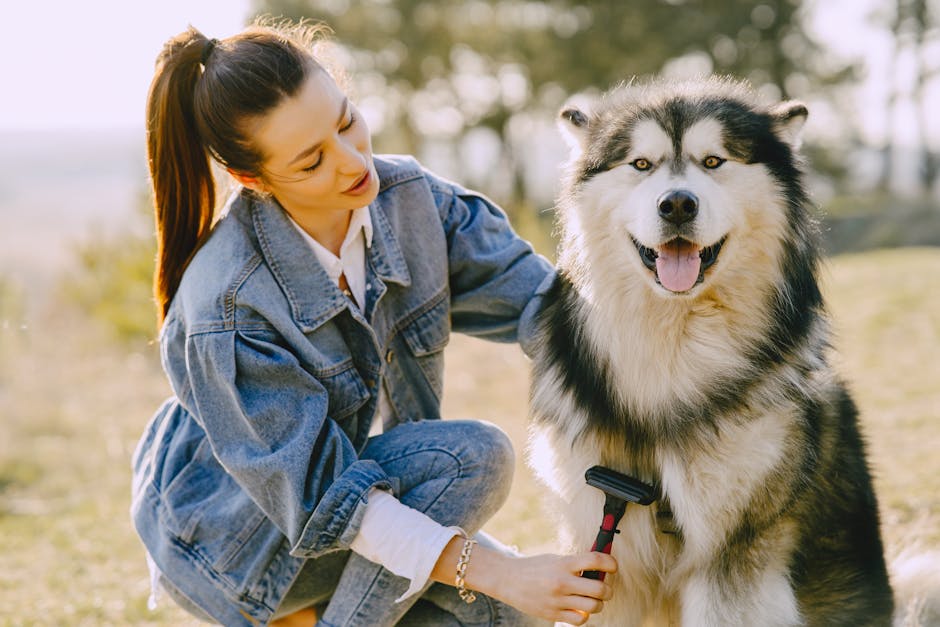
Undercoat rakes become essential tools for double-coated breeds like German Shepherds, Huskies, and Border Collies. These specialized tools feature long, widely-spaced teeth that reach through the outer guard hairs to remove loose undercoat without cutting or damaging the topcoat.
Professional-Grade Nail Clippers and Nail Files
Guillotine-style clippers work well for small to medium dogs with round nails, while scissor-type clippers handle large dogs and dogs with thick or flat nails more effectively. Grinder tools offer precise control and reduce the risk of cutting the quick, though they require gradual introduction since many dogs initially fear the vibration and noise.
Quality nail files or emery boards designed for dogs help smooth rough edges after clipping and can gradually shorten nails for dogs who resist traditional clippers.
Dog-Specific Shampoo and Conditioner Formulas
Human shampoos disrupt dogs’ skin pH balance and can cause irritation, making dog-specific formulas non-negotiable. Hypoallergenic shampoos suit dogs with sensitive skin, while medicated options address specific conditions like dandruff or bacterial infections. Deodorizing formulas work well for dogs prone to strong odors, and conditioning shampoos benefit dogs with dry or damaged coats.
Ear Cleaning Supplies and Dental Care Tools
Cotton balls or gauze pads paired with veterinarian-approved ear cleaning solutions help prevent ear infections and remove buildup. Avoid cotton swabs, which can push debris deeper into the ear canal.
Dog-safe toothbrushes and enzymatic toothpastes prevent dental disease, which affects over 80% of dogs by age three. Finger brushes work well for dogs new to teeth cleaning, while traditional brushes provide more thorough cleaning for cooperative dogs.
Choosing the Right Kit for Your Dog’s Specific Needs
Selecting the optimal grooming kit requires matching tools to your dog’s unique characteristics rather than choosing one-size-fits-all solutions.
Matching Tools to Coat Type
Short-haired breeds like Beagles or Boxers need basic slicker brushes and rubber grooming gloves to remove loose hair and distribute natural oils. These dogs typically require weekly brushing and monthly baths.
Long-haired breeds including Collies, Afghans, and Yorkshire Terriers demand pin brushes, wide-tooth combs, and detangling sprays. Daily brushing prevents matting, and these dogs often benefit from leave-in conditioners between baths.
Double-coated breeds such as Golden Retrievers, German Shepherds, and Pomeranians require undercoat rakes, slicker brushes, and high-velocity dryers. During seasonal shedding periods, daily brushing with specialized tools prevents hair from taking over your home.
Size Considerations and Special Requirements
Large breed dogs need appropriately sized tools—small brushes create unnecessarily long grooming sessions, while oversized tools can be difficult to maneuver around a Chihuahua’s delicate frame.
Senior dogs often benefit from softer brushes and shorter grooming sessions. Dogs with arthritis may need supportive surfaces or slings during grooming, while dogs with heart conditions should avoid stressful restraint methods.
Consider Maya’s transformation story: This anxious rescue Golden Retriever initially required sedation for professional grooming appointments. Her owner invested in a comprehensive home grooming kit including a pin brush, undercoat rake, and high-value treats. Starting with five-minute daily brushing sessions and gradually increasing duration, Maya now enjoys 30-minute grooming sessions and rarely needs professional services beyond occasional nail trims.
Budget-Friendly Starter Kits vs. Professional-Grade Investments
Quality starter kits typically range from $50-100 and include basic brushes, nail clippers, shampoo, and ear cleaning supplies. These suit owners wanting to test home grooming before committing to premium tools.
Professional-grade kits cost $150-300 but feature durable construction, ergonomic designs, and specialized tools that last years with proper care. The initial investment often pays for itself within six months compared to professional grooming costs.
Real-world savings example: Sarah, owner of two Golden Retrievers, previously spent $160 monthly on professional grooming. After investing in a $200 professional grooming kit, she now spends roughly $25 monthly on shampoo and supplies while maintaining her dogs’ coat health—a 60% reduction in grooming costs.
Step-by-Step Home Grooming Routine
Successful home grooming follows a systematic approach that transforms stress into success and prioritizes your dog’s comfort and safety throughout the process.
Pre-Grooming Preparation and Creating a Calm Environment
Choose a quiet area with good lighting and non-slip surfaces. Rubber mats prevent slipping in bathtubs, while adjustable grooming tables provide comfortable working heights for larger dogs.
Gather all tools beforehand to avoid leaving your dog unattended during grooming. Play calming music or use pheromone diffusers for anxious dogs, and ensure the room temperature remains comfortable—cold environments make dogs tense and uncooperative.
Proper Brushing Techniques and Frequency Recommendations
Start brushing at your dog’s head and work systematically toward the tail, following hair growth direction. Short, gentle strokes prevent pulling and discomfort, while consistent pressure ensures thorough debris removal without scratching skin.
For matted areas, work from the outside of the mat inward using detangling spray and patience. Cutting out mats should be a last resort, as it often results in uneven coat appearance.
Daily brushing suits long-haired and double-coated breeds, while weekly sessions suffice for short-haired dogs. Increase frequency during seasonal shedding periods or if your dog spends significant time outdoors.
Safe Nail Trimming Methods
Trim nails in bright light where you can clearly see the pink quick inside translucent nails. For dogs with dark nails, trim small amounts frequently rather than attempting to cut back to ideal length in one session.
Hold your dog’s paw firmly but gently, pressing lightly on the pad to extend the nail. Cut at a 45-degree angle just before the quick, and immediately reward cooperative behavior with high-value treats.
If you accidentally cut the quick, apply styptic powder or cornstarch to stop bleeding and provide extra treats to maintain positive associations.
Bathing Best Practices and Drying Techniques
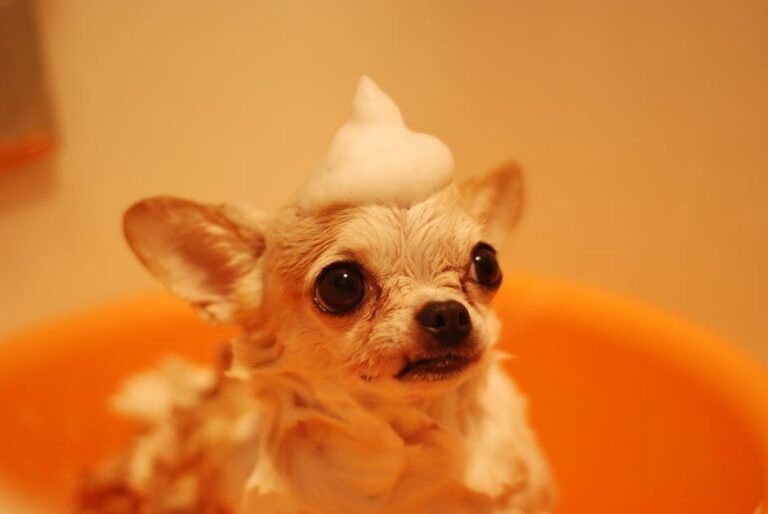
Pre-brush thoroughly to remove loose hair and debris before wetting your dog. Use lukewarm water—hot water can burn sensitive skin while cold water creates stress.
Wet your dog thoroughly, apply shampoo starting at the neck and working backward, then rinse completely. Soap residue causes skin irritation and attracts dirt faster.
Towel dry initially, then use blow dryers on cool settings for long-haired breeds. Air drying works well for short-haired dogs in warm environments.
Common Grooming Mistakes and How to Avoid Them
Even well-intentioned owners make mistakes that can harm their dogs or create negative grooming associations.
Over-Bathing and Using Human Products
Bathing frequency depends on coat type, lifestyle, and skin condition. Most dogs need baths every 4-6 weeks unless they’ve rolled in something unpleasant or have skin conditions requiring more frequent washing.
Human shampoos, conditioners, and soaps contain ingredients that irritate canine skin and disrupt natural pH balance. Invest in quality dog-specific products formulated for your pet’s needs.
Improper Brushing Techniques
Aggressive brushing creates painful experiences that make dogs resist future grooming. Brush mats and tangles patiently, working in small sections rather than yanking through resistant areas.
Brushing only surface hair while ignoring undercoat leads to severe matting close to skin. Use appropriate tools that penetrate through all coat layers.
Rushing the Process and Creating Negative Associations
Lengthy initial grooming sessions overwhelm dogs and create lasting negative associations. Start with short, positive experiences and gradually increase duration as your dog becomes comfortable.
Never use grooming as punishment or attempt to groom when you’re frustrated or pressed for time. Dogs pick up on human stress and respond accordingly.
Ignoring Warning Signs During Grooming
Regular grooming provides opportunities to detect health issues early. Watch for unusual lumps, skin irritation, parasites, ear odor, or changes in your dog’s coat quality.
Red, inflamed skin, excessive scratching, or strong odors warrant veterinary attention rather than continued home treatment.
When to DIY vs. When to Call a Professional
Understanding your limitations prevents accidents and ensures your dog receives appropriate care when needed.
Maintenance Grooming You Can Handle at Home
Regular brushing, basic bathing, nail trimming, ear cleaning, and teeth brushing fall within most owners’ capabilities with proper tools and techniques.
Breed-specific maintenance like keeping Poodle faces tidy or trimming hair between paw pads requires practice but remains manageable for dedicated owners.
Complex Cuts and Professional Expertise Requirements
Breed-specific styling for show dogs or complex cuts for Poodles, Bichons, and similar breeds require professional training and specialized tools.
De-matting severely neglected coats often needs professional assessment to determine whether shaving down provides the most humane option.
Red Flags Requiring Professional Help
Skin conditions, parasites, or infections need veterinary diagnosis before proceeding with home care. Aggressive or extremely fearful dogs may require professional handling techniques or mild sedation for safety.
Nail quicks cut too short or other grooming injuries should receive professional attention if bleeding doesn’t stop quickly or signs of infection develop.
Extending Time Between Professional Visits
Consistent home grooming maintenance allows you to schedule professional appointments every 8-12 weeks rather than monthly visits. This approach saves money while maintaining coat and skin health through regular home care.
Consider the comparison between three popular breeds: A Poodle requires professional styling every 6-8 weeks but benefits from daily home brushing and monthly face tidying. A Labrador needs only basic home maintenance with occasional professional nail trims if owners aren’t comfortable with the task. A German Shepherd thrives with consistent home brushing and bathing, requiring professional help only for seasonal de-shedding treatments or nail care.
The right dog grooming kit transforms routine maintenance from a dreaded chore into quality bonding time with your pet. Start with basic tools matched to your dog’s specific needs, develop consistent routines, and gradually expand your skills and equipment as confidence grows. Your dog will benefit from regular care, your wallet will appreciate the savings, and you’ll develop a deeper understanding of your pet’s health and comfort needs.