Training a Rescue Dog: Reddit’s Best Tips for Success in 2025
You’ve just welcomed a rescue dog into your home, and while scrolling through Reddit threads late at night, you’re seeing everything from heartwarming success stories to overwhelming challenges that make you question if you’re doing things right. The truth is, training a rescue dog requires a unique approach—these dogs often come with unknown histories, established habits, and trust issues that standard puppy training methods simply can’t address. Whether your new companion is a shy senior who needs gentle coaxing or an energetic young dog with some behavioral baggage, the key lies in understanding their past while building a foundation for their future. In this comprehensive guide, we’ll walk you through the proven strategies that actually work for rescue dogs, drawing from both expert knowledge and real-world experiences shared by the rescue dog community.
Understanding Your Rescue Dog’s Unique Starting Point
Every rescue dog arrives with their own invisible suitcase of experiences. Unlike puppies who start as blank slates, rescue dogs may have learned that humans are unpredictable, that resources are scarce, or that certain sounds mean danger. Your first job isn’t to train—it’s to become a detective.
Assessing Your Dog’s Background and Potential Trauma Triggers
Start by gathering whatever information the rescue organization can provide, but don’t assume it’s complete. Many rescue dogs have gaps in their history, and even well-documented backgrounds can’t capture every formative experience. Watch for subtle signs that reveal your dog’s past: Does they flinch when you reach overhead? Do they guard their food bowl? Are they terrified of men but comfortable with women?
Create a simple observation log during your first few weeks. Note what makes your dog tense versus what helps them relax. One Reddit user shared how their rescue would panic at the sound of keys jingling—something they never would have anticipated without careful observation.
Recognizing Signs of Stress, Anxiety, and Fear-Based Behaviors
Stress in rescue dogs doesn’t always look like obvious cowering. Watch for subtle displacement behaviors like excessive yawning, lip licking, or sudden scratching when nothing’s itchy. Some dogs become hypervigilant, constantly scanning their environment. Others shut down completely, appearing “well-behaved” when they’re actually overwhelmed.
Fear-based behaviors often masquerade as defiance. A dog who won’t come when called might not be stubborn—they might be genuinely terrified of approaching humans. Understanding this distinction completely changes your training approach.
Setting Realistic Timeline Expectations for Training Progress
The “rule of threes” popular in rescue communities provides a helpful framework: three days to decompress, three weeks to start learning your routine, and three months to begin feeling truly at home. However, training progress rarely follows neat timelines. Some dogs make breakthrough progress in week two, while others need six months before they’re ready for basic obedience work.
Essential First Steps: Building Trust Before Training
Traditional puppy training guides often jump straight into commands, but rescue dogs need a foundation of trust first. Think of this phase as pre-training—establishing the emotional groundwork that makes actual training possible.
Establishing a Consistent Daily Routine and Schedule
Rescue dogs find enormous comfort in predictability. Create a schedule for feeding, walks, play time, and rest periods, then stick to it religiously for at least the first month. This doesn’t mean rigid timing to the minute, but rather consistent patterns your dog can anticipate.
Max, a senior rescue who had never lived indoors, transformed from anxious and confused to confident and settled once his new family established clear routines. Feeding happened in the same spot at the same times, walks followed the same basic route, and bedtime meant the same cozy setup every night.
Using Positive Reinforcement to Create Positive Associations
Every interaction with your rescue dog is either building trust or potentially undermining it. Focus on creating positive associations with your presence, your voice, and your household routines. This might mean tossing treats when you walk by their crate, speaking in cheerful tones during grooming sessions, or simply sitting quietly nearby while they eat.
Avoid the temptation to flood your dog with affection or training attempts. Some rescue dogs find intense attention overwhelming, especially in the beginning. Let them approach you rather than always initiating contact.
Identifying Your Dog’s Motivators
Not every dog is food-motivated, and rescue dogs might have complex relationships with different rewards. Some are toy-obsessed, others crave gentle praise, and some find the best reward is simply being left alone to decompress. Test different options: high-value treats, squeaky toys, tennis balls, or calm petting sessions.
Luna, a reactive pit mix rescue, showed zero interest in treats during her first month but would do anything for a chance to chase a tennis ball. Her family adjusted their entire training approach around play rewards, leading to breakthrough progress in her reactivity training.
Core Training Techniques That Work for Rescue Dogs
Once your dog shows signs of settling in—eating regularly, sleeping more soundly, and showing interest in their environment—you can begin structured training. However, standard methods often need significant modifications.
Modified Basic Obedience Training for Anxious or Reactive Dogs
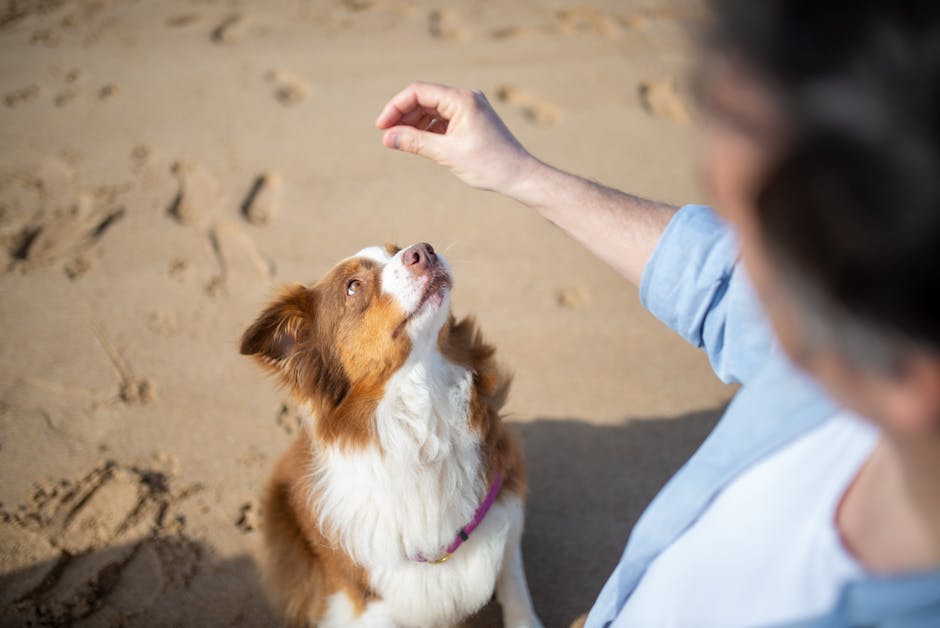
Start with voluntary behaviors rather than commands that require compliance. Teaching a dog to target your hand with their nose (nose targeting) or to sit for treats helps them learn they have agency in training sessions. This builds confidence while establishing basic communication patterns.
Keep training sessions extremely short—two to three minutes initially—and always end on a successful note, following proven dog training techniques that build confidence rather than overwhelm anxious dogs. Anxious dogs can become overwhelmed quickly, and a single negative experience can set back weeks of progress.
Counter-Conditioning and Desensitization for Specific Fears
For dogs with specific triggers, systematic desensitization combined with counter-conditioning creates new emotional responses to scary stimuli. If your dog panics at the doorbell, start by playing doorbell sounds at barely audible levels while feeding delicious treats. Gradually increase volume over many sessions, always staying below your dog’s panic threshold.
This process requires patience and precision. Moving too quickly can worsen fears rather than reducing them. Many professional dog behavior training certification programs spend extensive time on these techniques because they’re so crucial for rescue dog success.
Crate Training and House Training for Dogs with Unknown Histories
Assume your rescue dog has never been house trained, regardless of their age. Start with a clean slate and frequent potty breaks—every two hours initially, with additional breaks after meals, naps, and play sessions. Supervise constantly when they’re loose in the house, and confine them when you can’t watch.
Crate training requires extra sensitivity with rescue dogs, and while the fundamentals remain the same as house training any challenging case, rescue dogs often need additional time and patience due to potential negative past experiences. Some have negative associations with confinement. Introduce the crate gradually, feeding meals inside with the door open, tossing treats in randomly, and making it the most comfortable spot in your home before ever closing the door.
Addressing Common Rescue Dog Behavioral Challenges
Certain behavioral issues appear repeatedly in rescue dogs, often stemming from their past experiences or the stress of multiple life transitions.
Separation Anxiety and Destructive Behaviors
True separation anxiety goes beyond normal adjustment stress. Dogs with severe cases may destroy doors, windows, or crates in frantic attempts to reunite with their owners. One Reddit success story detailed a rescue dog who initially couldn’t be left alone for five minutes without destructive panic. Through gradual desensitization—leaving for literal seconds and building up slowly over months—the dog eventually learned to stay calm for six-hour stretches.
Start separation training immediately, but begin with micro-absences. Step outside for ten seconds, return calmly, and gradually increase duration. Avoid dramatic departures and arrivals that heighten anxiety.
Resource Guarding and Food Aggression Issues
Many rescue dogs have learned that resources are scarce and must be protected. Never try to “show dominance” by taking food away from a guarding dog—this typically makes the behavior worse and can result in bites.
Instead, teach your dog that humans approaching their food bowl means good things happen. Start by tossing extra treats near (not into) their bowl while they eat. Gradually move closer over many meals, always adding something wonderful rather than taking anything away.
Reactivity Toward Other Dogs, Strangers, or Specific Triggers
Reactivity often stems from fear, not aggression, though the barking and lunging can look threatening. Luna’s transformation from a dog who would explode at the sight of other dogs to one who could calmly walk past them took six months of consistent counter-conditioning work. Her family used the “look at that” technique, rewarding her for simply noticing other dogs without reacting.
Distance is your friend when working with reactive dogs. Start training far enough away from triggers that your dog notices them but can still think and take treats. This distance will gradually decrease as your dog develops new associations.
Building Long-Term Success and Knowing When to Seek Help
Some rescue dog challenges require professional intervention. Don’t view this as failure—it’s responsible ownership.
Recognizing When Professional Help Is Needed
Seek immediate professional help if your dog shows serious aggression (bites that break skin), if anxiety is so severe they won’t eat or drink, or if destructive behaviors pose safety risks. Additionally, if you’re not seeing progress after several months of consistent training, a professional can identify issues you might miss.
Look for trainers with dog behavior training certification from recognized organizations. Many focus specifically on rescue dog rehabilitation and understand the unique challenges these dogs face.
Continuing Education and Advanced Training Opportunities
Training doesn’t end once basic manners are established. Many rescue dogs thrive with ongoing mental stimulation through advanced training, dog sports, or specialized activities. This continued learning strengthens your bond while providing appropriate outlets for energy and intelligence.
Maintaining Progress and Preventing Behavioral Drift
Even well-trained rescue dogs can regress during stressful periods—moves, schedule changes, or new family members can trigger old behaviors. Maintain training routines throughout your dog’s life, practice basic skills regularly, and be prepared to temporarily increase management and support during transitions.
The rescue dog community on Reddit and other platforms provides invaluable ongoing support, and combining this peer wisdom with structured training approaches can help you develop your rescue into the perfect companion without expensive professional classes. These dogs often need different approaches throughout their lives, and connecting with others who understand this journey makes the process less isolating and more successful. Whether you’re consulting a detailed puppy training guide PDF or seeking advice from experienced rescue families, remember that patience, consistency, and understanding your individual dog’s needs remain the cornerstones of success.