Stop Dog Barking in the Groom Room: 5 Instant Home Remedies That Work
Picture this: you’ve just set up the perfect dog grooming space in your home, complete with all the right tools and a calm atmosphere. But the moment you bring your dog into the groom room, they start barking non-stop, turning what should be a peaceful grooming session into a stressful ordeal for both of you. If this sounds familiar, you’re not alone. Many dog owners struggle with excessive barking during grooming, but the good news is that with the right techniques and understanding, you can transform your groom room into a sanctuary of calm where both you and your furry friend can enjoy the grooming process.
Why Dogs Bark in the Groom Room: Understanding the Root Causes
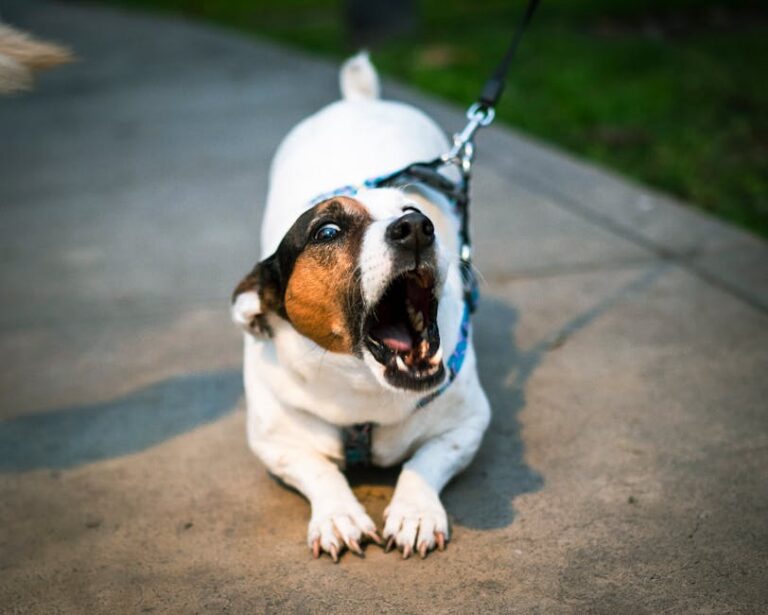
Before diving into solutions, it’s crucial to understand why your dog becomes vocal the moment they enter your dog grooming groom room. Dogs don’t bark just to annoy us – they’re communicating something important about their emotional state.
Fear and anxiety top the list of barking triggers. Your dog may associate grooming with past uncomfortable experiences, even if they happened at a professional groomer’s facility. The unfamiliar sounds of clippers, the sensation of being restrained, or simply being in an enclosed space can trigger their fight-or-flight response, with barking being their chosen “flight” mechanism.
Overstimulation plays a massive role too. Think about it from your dog’s perspective: they’re suddenly surrounded by new smells from grooming products, strange textures from towels and mats, and sounds they don’t encounter elsewhere in your home. This sensory overload can overwhelm even the calmest dogs, leading to reactive barking.
Territorial behavior shouldn’t be overlooked either. If you’ve converted a spare room or basement area into your grooming space, your dog might feel the need to “claim” or “defend” this new territory, especially if it doesn’t smell familiar to them yet.
Past negative experiences create lasting behavioral patterns. Even a single stressful grooming session can leave an imprint that manifests as anticipatory barking every time your dog sees grooming tools or enters the designated space.
Setting Up Your Groom Room for Success: Creating a Bark-Free Environment
Your physical setup significantly impacts your dog’s stress levels and likelihood to bark. Small environmental changes can yield dramatic behavioral improvements.
Optimal Room Layout and Lighting
Position your grooming table or area near a window with natural light, but ensure you can control brightness with blinds or curtains. Harsh fluorescent lighting can increase anxiety, while dim lighting might make your dog feel trapped. LED bulbs with adjustable warmth work perfectly for creating a calming atmosphere.
Keep the space uncluttered. Dogs feel more secure when they can see clear exit routes. Position yourself between your dog and any potentially startling equipment, acting as a buffer that communicates safety.
Sound Management Techniques
Sound travels differently in small spaces, and grooming tools can seem amplified and threatening. Install soft furnishings like washable rugs or foam panels to absorb harsh echoes. Keep a white noise machine or soft classical music playing to mask sudden sounds from outside the room.
Pro tip: Introduce grooming tool sounds gradually. Run your blow dryer in the next room during regular playtime, slowly decreasing the distance over several days until your dog remains calm when it’s used nearby.
Essential Calming Tools
Stock your groom room with anxiety-reducing aids: lavender-scented grooming wipes (ensure they’re dog-safe), pressure wraps or anxiety vests, and high-value treats that only appear during grooming sessions. A familiar blanket with your dog’s scent can transform a sterile space into something more comforting.
Consider a pheromone diffuser designed for dogs. These release synthetic versions of calming pheromones that mother dogs naturally produce, helping reduce stress-related barking.
Instant Bark-Stopping Techniques: Home Remedies That Work in Seconds
When barking starts, you need immediate solutions that work just as effectively as methods to stop dog barking at night. These home remedies to stop dog barking can interrupt the behavior within seconds and redirect your dog’s focus.
The ‘Redirect and Reward’ Method
The moment your dog starts barking, immediately redirect their attention to a specific behavior. Hold a high-value treat close to their nose and give a clear command like “sit” or “look.” The instant they comply and stop barking, reward them. This technique works because it gives your dog something productive to do instead of barking.
Step-by-step execution:
- Keep treats readily accessible but out of your dog’s sight
- At the first bark, say “quiet” in a calm, firm voice
- Immediately present the treat and give a simple command
- Reward the moment they comply
- Resume grooming activities calmly
Pressure Point Techniques and Calming Touch
Apply gentle, consistent pressure to your dog’s pressure points. The base of the ears, the center of the chest, and the area between the shoulder blades are particularly effective. Use slow, circular motions with steady pressure – think massage, not petting.
This technique mimics the calming effect of a mother dog’s grooming behavior and can stop barking almost instantly while lowering overall stress levels.
Voice Commands and Tone Modulation
Your voice is your most powerful tool. Develop a specific “quiet cue” – a word like “settle” or “easy” – that you use exclusively for stopping barking. Practice this outside grooming sessions first.
The key is consistency: use the same word, same tone, and same calm energy every time. Avoid shouting, which often escalates barking rather than stopping it.
Emergency Distraction Tools
Keep a “barking emergency kit” in your groom room: a squeaky toy for attention redirection, a puzzle treat dispenser for mental engagement, or a favorite chew toy for oral fixation. These tools can interrupt barking patterns when other methods need backup support.
Long-Term Training Strategies: Building Positive Groom Room Associations
Instant fixes are great, but lasting change requires systematic training that builds positive associations with your dog grooming groom room.
Gradual Desensitization Protocols
Start by simply feeding your dog meals near the groom room entrance. Over several days, move the food bowl progressively closer to and eventually inside the space. Once they’re comfortable eating inside, begin introducing grooming tools during meal times – not using them, just having them visible.
Week-by-week progression:
- Week 1: Meals near grooming area
- Week 2: Short play sessions in the groom room
- Week 3: Introduce grooming tools during positive activities
- Week 4: Begin actual grooming for short periods
- Week 5-6: Extend grooming sessions gradually
Counter-Conditioning with High-Value Treats
Reserve your dog’s absolute favorite treats exclusively for grooming time. This creates a powerful positive association where your dog begins to anticipate grooming because it means special rewards are coming.
Consider using a “grooming treat hierarchy”: good treats for entering the room, better treats for staying calm during setup, and jackpot treats for remaining quiet during actual grooming procedures.
Creating Positive Pre-Grooming Routines
Dogs thrive on predictable routines that reduce anxiety. Develop a consistent pre-grooming sequence that signals good things are coming. This might include a short walk, a favorite game, or a brief training session with rewards.
Sample successful routine:
- 10-minute leash walk to tire them mentally
- Practice basic commands with treats
- Lead them calmly to groom room
- Offer special toy or chew while you set up
- Begin grooming with least invasive procedures first
Troubleshooting Common Groom Room Barking Scenarios
Real-world grooming involves specific challenges that trigger barking. Here’s how to handle the most common situations.
Nail Trimming Anxiety and Vocal Protests
Nail trims often produce the most intense barking because dogs instinctively protect their feet. Combat this by desensitizing paws through daily handling practice. Touch, hold, and gently manipulate each toe while offering treats, building up tolerance gradually.
During actual trimming, use the “freeze and treat” technique: the moment your dog stops struggling or barking – even for a second – immediately treat and praise. This teaches them that calm behavior makes good things happen.
Managing Bath Time Barking
Water-related barking often stems from temperature sensitivity or feeling trapped. Always test water temperature with your elbow, keep sessions short initially, and provide non-slip surfaces so your dog feels secure.
Consider using a handheld sprayer instead of a overhead shower, which feels less overwhelming. Let your dog investigate and sniff the water stream before directing it toward them.
Handling Brush and Blow Dryer Sensitivity
Introduce these tools gradually during non-grooming times. Let your dog investigate them, reward calm behavior around them, and practice turning them on at a distance before bringing them close.
For blow dryers specifically, start with the cool setting on low speed, positioned several feet away, and gradually decrease distance over multiple sessions as your dog’s comfort level increases.
When to Seek Professional Help
If barking persists despite consistent training efforts over 6-8 weeks, or if your dog shows signs of escalating anxiety (panting, trembling, attempting to bite), consult a professional dog behaviorist or explore our comprehensive dog grooming guide for additional expert strategies. Some dogs have deep-seated grooming trauma that requires specialized intervention.
Red flags that warrant professional help:
- Barking that increases in intensity despite training
- Physical symptoms of severe stress
- Aggressive behavior toward grooming tools
- Complete inability to enter the groom room after weeks of desensitization
The transformation from a barking, stressed dog to a calm grooming partner is absolutely achievable with patience, consistency, and the right techniques. Remember that every dog progresses at their own pace – celebrate small victories and maintain realistic expectations as you work toward your goal of peaceful grooming sessions.