Science-Backed Dog Health Tips: The 90-10 & 7-Second Rules That Transform Care
Every dog owner wants their furry friend to live a long, healthy, and happy life—but with so much conflicting advice online, it’s easy to feel overwhelmed by where to start. The truth is, maintaining your dog’s health doesn’t require expensive supplements or complicated routines. Instead, it comes down to mastering a few fundamental principles that veterinarians and canine experts swear by. From understanding the surprising “90-10 rule” that governs healthy treats to implementing the “7-second rule” that could prevent painful paw injuries, these science-backed dog health tips will transform how you care for your companion. Whether you’re a new puppy parent or a seasoned dog owner looking to optimize your pet’s wellbeing, these practical strategies will give you the confidence to make the best health decisions for your four-legged family member—and for even more comprehensive guidance, check out our complete step-by-step care guide.
Essential Nutrition Rules Every Dog Owner Should Know
Proper nutrition forms the foundation of excellent dog health, yet many owners inadvertently sabotage their pet’s wellness through well-meaning but misguided feeding practices. Understanding a few key nutritional principles can dramatically improve your dog’s energy levels, coat quality, and long-term health outcomes.
The 90-10 Rule for Dog Food and Treats Explained
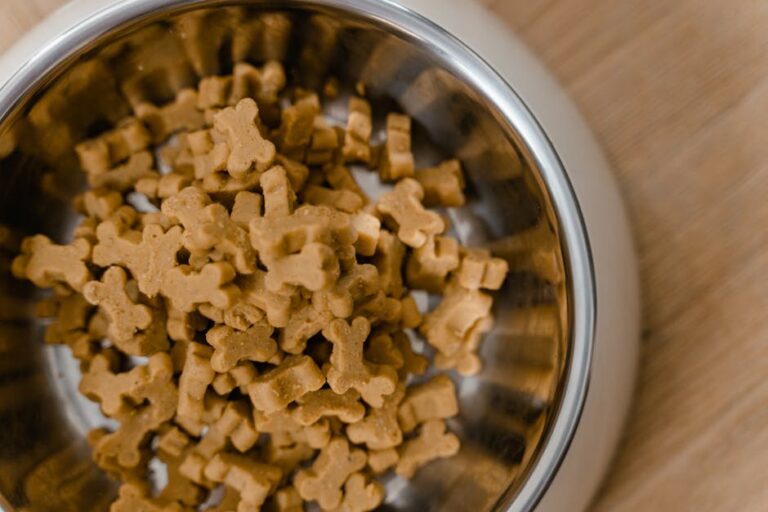
What is the 90-10 rule for dog food? This fundamental guideline states that 90% of your dog’s daily calories should come from nutritionally complete dog food, while only 10% should come from treats, table scraps, or training rewards. This ratio ensures your dog receives balanced nutrition without excess calories that lead to obesity.
Take the case of Max, an overweight Golden Retriever whose owner Sarah thought she was showing love through frequent treats. After implementing the 90-10 rule and measuring out Max’s daily treat allowance each morning, he safely lost 15 pounds over six months while maintaining his energy and enthusiasm for walks.
To apply this rule effectively:
- Calculate your dog’s daily caloric needs based on weight, age, and activity level
- Measure out 10% worth of treats at the start of each day
- Use small, high-value treats during training sessions
- Include any table scraps or chews in your 10% calculation
Reading Dog Food Labels Like a Pro
Quality dog food should list a specific meat source as the first ingredient—”chicken” rather than “meat meal” or “by-products.” Avoid foods with excessive fillers like corn syrup, artificial preservatives (BHA, BHT, ethoxyquin), or vague terms like “animal digest.”
Look for foods that meet AAFCO (Association of American Feed Control Officials) nutritional standards, indicated by a statement on the package confirming the food provides “complete and balanced nutrition.”
The 50-30-20 Rule for Pets: Balancing Macronutrients
What is the 50-30-20 rule for pets? This guideline suggests an optimal macronutrient distribution of approximately 50% protein, 30% healthy fats, and 20% carbohydrates for most adult dogs. While commercial dog foods handle this balance automatically, understanding these ratios helps you evaluate food quality and make informed decisions about supplemental feeding.
High-quality proteins should dominate your dog’s diet, supporting muscle maintenance, immune function, and cellular repair. Healthy fats provide energy and promote coat shine, while complex carbohydrates offer fiber for digestive health.
Daily Health Habits That Make a Massive Difference
Small, consistent actions compound into significant health improvements over time. These daily practices require minimal effort but deliver maximum impact on your dog’s wellbeing.
The 7-Second Rule for Protecting Your Dog’s Paws
What is the 7-second rule for dogs? Before walking your dog on pavement or concrete, place the back of your hand against the surface for seven full seconds. If it’s too hot for your hand, it’s too hot for your dog’s sensitive paw pads.
This simple test prevented serious injury for Jake, a Labrador whose owner Lisa religiously applied the 7-second rule during a scorching summer day. While other dogs in their neighborhood suffered burned paw pads requiring veterinary treatment, Jake’s paws remained healthy because Lisa chose to walk him on grass or waited until evening when surfaces cooled.
Hot pavement can reach temperatures exceeding 150°F on sunny days, causing second-degree burns within seconds. Alternative walking strategies include:
- Early morning or late evening walks during summer
- Seeking shaded paths or grass surfaces
- Using protective booties for sensitive dogs
- Carrying water to cool paws if needed
Establishing a Consistent Grooming Routine
Regular grooming prevents numerous health issues while strengthening your bond with your dog. A comprehensive routine includes:
Weekly tasks:
- Thorough brushing to prevent matting and distribute natural oils
- Nail trimming to prevent overgrowth and splitting
- Ear cleaning to prevent infections
Daily tasks:
- Quick brush-through for long-haired breeds
- Teeth brushing with dog-safe toothpaste
- Visual inspection for cuts, lumps, or irritation
Exercise Requirements by Breed and Age
Exercise needs vary dramatically between breeds and life stages. Working breeds like Border Collies require 2+ hours of physical and mental stimulation daily, while brachycephalic breeds like Bulldogs need shorter, less intense sessions to avoid breathing difficulties.
Puppies need multiple short play sessions rather than long walks that stress developing joints. Senior dogs benefit from gentle, consistent exercise that maintains mobility without overexertion.
Preventive Health Care: Catching Problems Before They Start
Proactive healthcare prevents minor issues from becoming expensive emergencies while ensuring your dog enjoys optimal quality of life throughout their years.
Essential Vaccinations and Scheduling
Core vaccines protect against life-threatening diseases and should never be skipped:
- DHPP (Distemper, Hepatitis, Parvovirus, Parainfluenza): Initial series at 6-8 weeks, boosters every 3-4 weeks until 16 weeks old
- Rabies: First vaccine at 12-16 weeks, then according to local regulations
Non-core vaccines depend on lifestyle and geographic risk factors. Discuss options like Bordetella (kennel cough), Lyme disease, and canine influenza with your veterinarian.
Dental Care That Prevents 80% of Disease
Dental disease affects over 80% of dogs by age three, yet it’s largely preventable through consistent home care. Daily teeth brushing remains the gold standard, but alternatives include:
- Dental chews approved by the Veterinary Oral Health Council
- Water additives that reduce bacterial buildup
- Raw bones appropriate for your dog’s size (never cooked bones)
Professional cleanings under anesthesia should occur annually or as recommended by your veterinarian, depending on your dog’s oral health status.
Year-Round Parasite Prevention
Fleas, ticks, heartworms, and intestinal parasites pose serious health risks in most climates. Modern preventatives offer convenient monthly protection against multiple parasites simultaneously. Year-round prevention costs far less than treating advanced parasite-related diseases like heartworm infection, which can cost thousands to treat and may cause permanent heart damage.
Warning Signs Every Dog Owner Must Recognize
Early recognition of health problems dramatically improves treatment outcomes and reduces costs. Developing a keen eye for subtle changes in your dog’s normal patterns can literally save their life.
Behavioral Changes That Signal Health Issues
Dogs instinctively hide pain and illness, making behavioral changes often the first detectable signs of problems:
- Decreased appetite or changes in eating habits
- Reluctance to exercise or climb stairs
- Increased sleeping or withdrawal from family activities
- Changes in bathroom habits or accidents in house-trained dogs
- Excessive panting, pacing, or restlessness
Physical Symptoms Requiring Immediate Attention
Certain symptoms warrant immediate veterinary care rather than “wait and see” approaches:
- Difficulty breathing or blue-tinged gums
- Unproductive retching or bloated abdomen
- Seizures or loss of consciousness
- Trauma involving potential internal injuries
- Ingestion of toxic substances or foreign objects
Performing Basic Health Checks at Home
A simple 5-minute daily health check catches problems early:
- Eyes: Clear and bright, no discharge or cloudiness
- Ears: Clean smell, no excessive wax or discharge
- Nose: Cool and moist, breathing easily
- Mouth: Pink gums, no excessive drooling or bad breath
- Body: Run hands along body checking for lumps, bumps, or sensitive areas
- Movement: Normal gait without limping or stiffness
This routine helped catch early dental disease in Cooper, a 3-year-old Beagle, when his owner noticed slightly reddened gums during their daily check. Early intervention prevented advanced periodontal disease and tooth loss.
Creating Your Dog’s Personalized Health Plan
Every dog deserves individualized care that accounts for their unique breed characteristics, age, lifestyle, and health history.
Adapting Care for Different Life Stages
Puppies (0-12 months) require frequent veterinary visits for vaccinations, growth monitoring, and behavior guidance. Focus on establishing routines, socialization, and preventing resource guarding around food and toys.
Adult dogs (1-7 years) need annual wellness exams, consistent exercise routines, and monitoring for breed-specific health issues. This stage offers the best opportunity to establish lifelong healthy habits.
Senior dogs (7+ years) benefit from biannual veterinary exams, modified exercise routines, and increased attention to comfort measures like orthopedic bedding and joint supplements.
Working with Your Veterinarian
Build a collaborative relationship with your veterinary team by:
- Preparing questions before appointments
- Keeping detailed records of symptoms or behavioral changes
- Being honest about your budget constraints
- Following through on recommended treatments and follow-up care
Building a Comprehensive Health Record System
Maintain organized records including:
- Vaccination certificates and dates
- Weight tracking over time
- Medication schedules and reactions
- Emergency contact information
- Insurance policy details
Digital apps or simple spreadsheets work equally well—consistency matters more than the specific system you choose.
The science-backed dog health tips outlined here provide a solid foundation for giving your dog the best possible care throughout their life. Remember that small, consistent actions compound into significant health improvements over time. Start with one or two changes that feel manageable, then gradually incorporate additional strategies as they become routine. Your dog’s improved vitality, longevity, and quality of life will reward your dedication to these proven health principles.