How to Train a Dog for Toilet Success in 4-6 Months (Even Stubborn Pups)
House training your dog is one of the most crucial skills every pet owner must master, yet it’s also where many new dog parents feel overwhelmed and frustrated. Whether you’re welcoming a bouncing 8-week-old puppy or helping an adult rescue dog adjust to your home’s routines, successful toilet training requires patience, consistency, and the right approach. The good news? With proven methods and realistic expectations, you can teach any dog where and when to go potty—typically within 4-6 months for puppies, and often much faster for adult dogs. In this comprehensive guide, we’ll walk you through every step of the house training process, from setting up your dog for success to troubleshooting common setbacks that trip up even experienced dog owners.
Understanding Your Dog’s Natural Instincts and Timing
How Dogs Naturally Avoid Soiling Their Space
Dogs come hardwired with a powerful instinct to keep their living space clean. This den mentality works in your favor during house training—your dog naturally wants to avoid eliminating where they sleep and eat. A mother dog teaches her puppies to leave the nest area for elimination as early as 3-4 weeks old, making this one of their first learned behaviors.
Understanding this instinct helps explain why crate training works so effectively. When sized correctly, a crate becomes your dog’s personal den, and they’ll hold their bladder rather than soil this space. However, puppies have physical limitations that override even the strongest instincts.
Age-Related Bladder Control Development
Puppy bladder control develops predictably based on age. A general rule: puppies can “hold it” for roughly one hour per month of age, plus one additional hour. So an 8-week-old puppy needs potty breaks every 3 hours maximum, while a 4-month-old can typically wait 5 hours.
Adult dogs who’ve never been house trained lack the learned behavior patterns, not physical control – which is why training a rescue dog to poop outside requires a different approach than puppy training. A healthy 2-year-old rescue dog can physically hold their bladder for 6-8 hours but may not understand where elimination should happen in their new environment.
Reading Pre-Potty Signals
Dogs telegraph their elimination needs through consistent body language:
- Circling and sniffing specific floor areas
- Whining or pacing near doors
- Sudden restlessness during calm periods
- Returning to previous accident spots
- Scratching at doors or looking toward their usual exit
Learning your individual dog’s signals dramatically reduces accidents. Some dogs bark, others sit by the door, and many simply become anxious or distracted.
Optimal Timing for Success
Successful house training revolves around predictable elimination times:
- Immediately after waking up (including naps)
- 15-30 minutes after eating or drinking
- Before bedtime
- After exciting play sessions
- Every 2-3 hours for puppies under 4 months
Setting Up Your House Training Foundation
Creating Your Designated Potty Area
Choose one specific outdoor spot for elimination and stick with it religiously. Dogs develop location preferences through repetition and scent association. Your puppy will learn faster when they smell their previous eliminations in the “correct” spot.
For apartment dwellers, indoor potty solutions like grass patches or artificial turf work, but require the same consistency. Place the indoor area in a location you’re comfortable maintaining long-term—changing locations mid-training confuses dogs and extends the timeline.
Choosing the Right Crate Size
Crate size makes or breaks house training success. The space should allow your dog to stand, turn around, and lie down comfortably—but no larger. Extra space tempts dogs to eliminate in one corner and sleep in another, defeating the den instinct.
For growing puppies, use dividers to adjust crate size monthly, or start with a smaller crate and upgrade as needed. Many pet parents make the mistake of buying the “adult size” immediately, which actually slows house training progress.
Essential House Training Supplies
Stock up on these proven tools:
- High-value treats (small, soft pieces your dog can eat quickly)
- 6-foot leash for outdoor potty supervision
- Enzymatic cleaner to completely eliminate odor from accidents
- Training schedule or app to track patterns
- Baby gates to limit access to carpeted areas during training
Strategic Space Management
Puppy-proof your home by restricting access to rooms with carpeting, rugs, or difficult-to-clean surfaces. Hard floors make accident cleanup easier and faster, reducing lingering odors that attract repeat eliminations.
Use baby gates to create a smaller, manageable space during the intensive training phase. Expand your dog’s access gradually as their reliability improves.
The Step-by-Step House Training Method
Establishing Your Daily Schedule
Consistency creates success. Feed your dog at the exact same times daily—this regulates their digestive system and makes elimination timing predictable. Most dogs need potty breaks:
- 6:00 AM – First morning break
- 6:30 AM – After breakfast
- 12:00 PM – Midday break
- 5:30 PM – After dinner
- 10:00 PM – Final evening break
Adjust timing based on your schedule, but maintain the same intervals daily, including weekends.
Proper Supervision Techniques
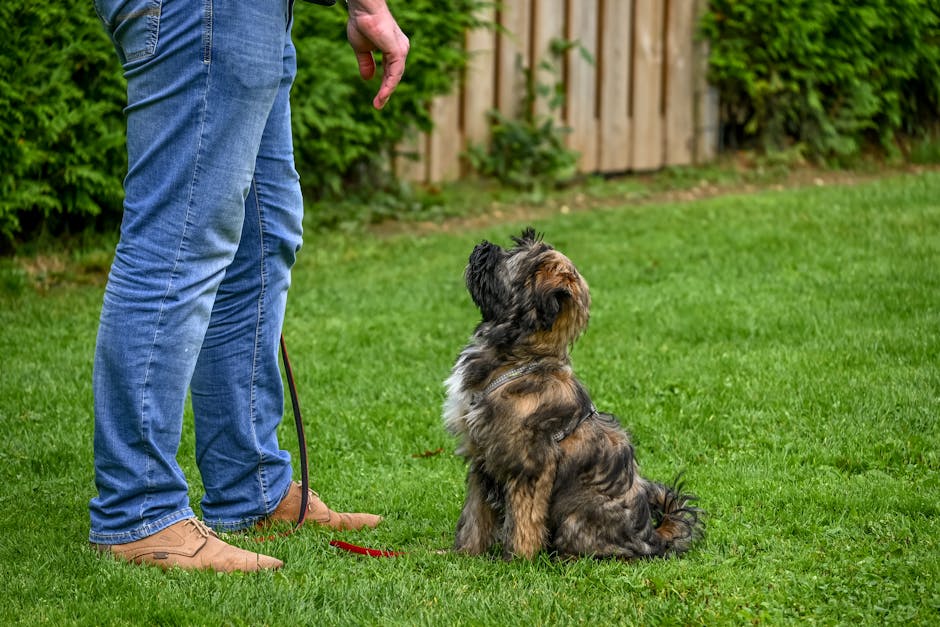
During the first 4-6 weeks, your dog needs constant supervision when loose in the house. Use the tethering method: attach a 6-foot leash to your belt, keeping your dog within eyesight at all times. This prevents sneaky eliminations and helps you catch pre-potty signals immediately.
When you can’t supervise directly, your dog goes in the crate—no exceptions. This isn’t punishment; it’s management while building the habit.
Positive Reinforcement Timing
Timing is everything with house training rewards. The moment your dog finishes eliminating outside, deliver enthusiastic praise and high-value treats. Don’t wait until you’re back inside—the connection weakens rapidly.
Use a specific praise phrase like “Good potty!” so your dog learns to associate the words with the behavior. This becomes useful for encouraging elimination during travel or schedule changes.
Nighttime Training Strategy
Young puppies often need one middle-of-the-night potty break. Set an alarm for 2:00-3:00 AM, take your puppy directly outside with minimal interaction, then return to the crate immediately. Keep lights dim and avoid playtime—this is strictly business.
Most puppies can sleep through the night by 4-5 months old. Gradually extend the time between the evening break and morning wake-up as your puppy matures.
Troubleshooting Common House Training Challenges
Managing Setbacks and Regression
Even well-trained dogs sometimes have regression periods during major life changes—moving homes, new family members, or schedule disruptions. Handle setbacks by returning to intensive supervision temporarily, not by abandoning your established routine.
Stress-related accidents require patience, not punishment – training your rescue dog to pee outside often involves addressing these stress factors first. Increase potty break frequency and ensure your dog feels secure in their environment.
Marking vs. Genuine Accidents
Marking behavior looks different from normal elimination. Dogs who mark typically lift their leg (males and females) and deposit small amounts on vertical surfaces. True accidents involve larger volumes and usually happen on horizontal surfaces.
Address marking through increased supervision, neutering/spaying if not already done, and thorough cleaning of previously marked areas with enzymatic cleaners.
Urban and Apartment Solutions
City dogs face unique challenges—elevator rides, hallway distractions, and limited outdoor access. Practice patience during the extra time needed to reach outdoor potty areas.
Consider teaching a backup indoor option for emergencies, but maintain the outdoor routine as your primary goal. Many apartment dogs successfully learn to “hold it” for elevator rides and hallway walks.
When to Consult Your Veterinarian
Persistent house training failures after 6-8 months of consistent effort may indicate medical issues:
- Urinary tract infections
- Digestive disorders
- Cognitive dysfunction in senior dogs
- Anxiety disorders
Rule out medical causes before assuming the problem is purely behavioral.
Accelerating Success and Long-Term Maintenance
Advanced Techniques for Faster Results
Some dogs respond to verbal cues for elimination. When your dog begins to eliminate outside, say “Go potty” quietly. After several repetitions, many dogs learn to eliminate on command—incredibly useful for travel and time constraints.
Food timing also accelerates training. The best dry puppy food should be fed on a strict schedule to regulate elimination timing. For breeds like Golden Retrievers, the best puppy food for golden retriever varieties often contain optimal fiber levels that support digestive regularity.
Transitioning to Independence
Gradually increase your dog’s unsupervised time in the house. Start with 15-minute periods while you’re home, extending slowly as success continues. Don’t rush this phase—premature independence often leads to setbacks requiring additional weeks of intensive training.
Maintaining Habits During Life Changes
Schedule disruptions challenge even well-trained dogs. During vacations, moves, or major routine changes, temporarily increase potty break frequency and supervision. Most dogs readjust within 3-5 days when you maintain consistent expectations.
Emergency commands like “Go potty” become invaluable during schedule disruptions, allowing you to encourage elimination during brief windows of opportunity.
Case Study Success: Luna, a 12-week-old Golden Retriever, arrived at her new home with zero house training. Her family established a strict schedule with potty breaks every 2 hours, fed high-quality puppy food at consistent times, and used positive reinforcement religiously. By week 8, Luna was accident-free for entire days. At 6 months, she could signal her needs and hold her bladder for 6-hour periods. The key? Never skipping the scheduled routine, even on weekends, and celebrating every outdoor success with enthusiastic praise and treats.
House training success comes down to consistency, patience, and understanding your dog’s natural instincts – principles that apply whether you’re training your dog at home without expensive classes or working with professional trainers. While the 4-6 month timeline feels lengthy, building this foundation properly creates a lifetime of good habits. Every dog can learn—some just need more time and support than others.