Build Your Complete Puppy Training System: PDFs, Videos & Proven Methods
Whether you’ve just welcomed a bouncing puppy into your home or you’re finally ready to tackle that stack of dog training resources you’ve been meaning to organize, having a comprehensive puppy training guide at your fingertips can make all the difference. In 2025, the most successful dog owners are those who combine proven training methods with modern techniques—and yes, that includes having the right digital resources, from downloadable PDFs to video tutorials that you can reference anytime, anywhere. If you’re feeling overwhelmed by conflicting advice or wondering when to start serious training (especially with a rescue dog), you’re not alone. This guide will walk you through creating your own personalized puppy training system, complete with the resources, timing, and techniques that actually work in today’s world.
Building Your Ultimate Puppy Training Resource Library
The foundation of successful dog training starts with having organized, reliable resources you can access instantly. A well-structured puppy training guide PDF serves as your roadmap, but it’s only one piece of the puzzle.
Essential Components of an Effective Puppy Training Guide PDF
Your go-to PDF should include more than just basic commands. Look for or create a guide that covers foundational behaviors, problem-solving protocols, and age-appropriate milestones. The most effective guides break training into weekly progressions, making it easy to track where you are and what comes next.
Include sections on house training schedules, socialization checklists, and emergency behavior interventions. Your PDF should also have space for notes—tracking what works for your specific dog is crucial for long-term success. Consider guides that integrate basic grooming and handling exercises, as these build trust and make veterinary visits and daily care much smoother.
Organizing Digital and Physical Training Materials
Create a system that works across all your devices. Store your primary puppy training guide PDF in cloud storage so you can access it from your phone during walks or training sessions. Organize supplementary materials into folders like “Week 1-4 Basics,” “Problem Behaviors,” and “Advanced Training.”
Physical materials matter too. Keep printed quick-reference cards in your treat pouch or training bag. These should include your dog’s current commands, reward schedules, and any specific behavioral notes. A simple notebook dedicated to tracking daily progress creates accountability and helps you spot patterns in your dog’s learning.
Combining Written Guides with Video Demonstrations
Dog grooming techniques videos and training demonstrations provide visual context that written guides can’t match. Watch videos first to understand proper form and timing, then use your PDF guide as a quick reference during actual training sessions. This combination prevents the common mistake of trying to read instructions while managing an energetic puppy.
Create playlists organized by training focus: basic commands, leash work, grooming introduction, and problem-solving. Having these ready eliminates the frustration of searching for that specific video when you need it most. Remember that videos show the ideal scenario—your PDF guide should include troubleshooting for when things don’t go as smoothly.
Creating a Training Schedule Template
Design a flexible weekly template that adapts to your lifestyle and your dog’s energy patterns. Most dogs learn best with short, frequent sessions—three 5-minute sessions often work better than one 15-minute marathon. Your template should block out time for basic commands, socialization activities, and grooming practice.
Take inspiration from successful case studies: one Golden Retriever puppy owner used a structured 8-week PDF system that dedicated Monday/Wednesday/Friday to basic obedience, Tuesday/Thursday to socialization, and weekends to fun reinforcement activities. This consistency helped the 6-month-old master sit, stay, come, and loose-leash walking within two months.
When to Start Training: Timeline for Different Dog Situations
Timing can make or break your training success. The “when” depends heavily on your dog’s background, age, and specific circumstances.
Optimal Training Start Times for Puppies vs. Adult Rescue Dogs
Puppies can begin learning from day one, but formal training sessions work best around 8-10 weeks old when their attention spans develop. Start with name recognition, simple handling exercises, and house training routines immediately. Formal command training can begin once they’ve had a few days to adjust to their new environment.
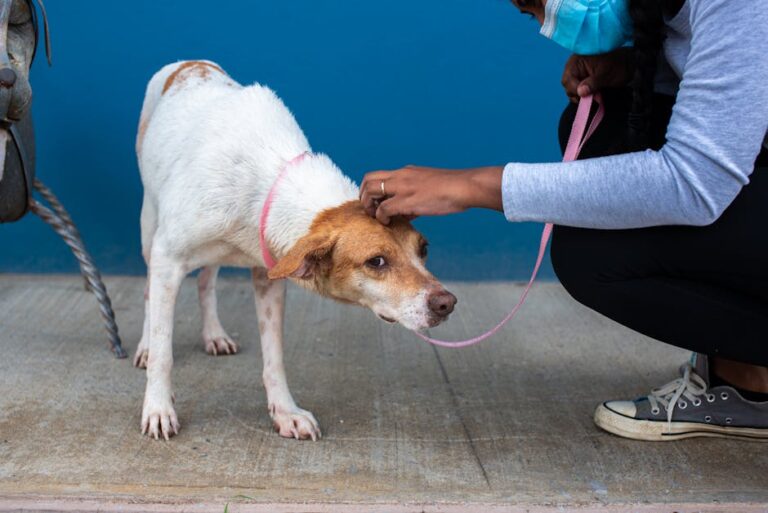
Adult rescue dogs need a different approach. The general rule is two weeks for decompression before starting structured training. This doesn’t mean ignoring boundaries—establish house rules immediately—but avoid intensive command training until your dog shows comfort in their new space.
Special Considerations for Rescue Dogs with Unknown Backgrounds
Rescue dogs often come with invisible challenges. When to start training a rescue dog reddit discussions consistently emphasize patience and observation during those first two weeks. Watch for signs of previous training, fear responses, or resource guarding before designing your approach.
Some rescue dogs benefit from starting with confidence-building exercises rather than obedience commands. Simple activities like hand targeting or teaching them their name in a positive context can rebuild trust. Document what you observe—this information helps professional trainers if you need additional support later.
Assessing Your Dog’s Readiness for Different Types of Training
Look for specific readiness indicators before advancing to new training phases. Basic obedience requires consistent eye contact and food motivation. If your dog won’t look at you or seems uninterested in treats, work on building engagement first.
Leash training readiness shows up as comfort wearing a collar or harness without stress behaviors. Grooming training requires your dog to accept gentle handling around paws, ears, and mouth. Rushing into advanced training without these foundations leads to frustration for both of you.
Adapting Training Timelines Based on Breed Characteristics
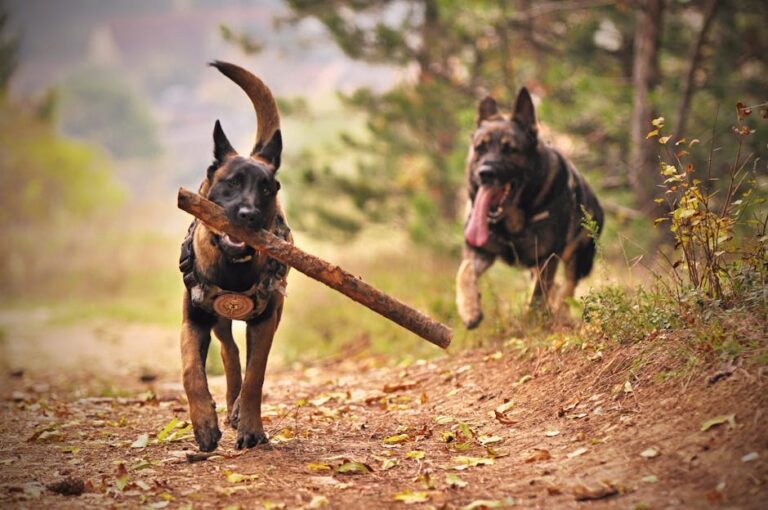
High-energy breeds like Border Collies or Belgian Malinois often excel with intensive, mentally challenging training schedules. These dogs may handle twice-daily training sessions and complex command sequences from an early age. Brachycephalic breeds (bulldogs, pugs) need shorter sessions with more frequent breaks.
Scent hounds may struggle with traditional attention-based training but excel at nose work and tracking activities. Terriers often need extra patience with recall training due to their independent nature. Research your breed’s specific tendencies and adjust your timeline accordingly.
Core Training Techniques Every Dog Owner Should Master
Successful training relies on mastering a few fundamental techniques rather than trying dozens of different methods.
Foundation Commands That Form the Basis of All Advanced Training
Attention/name recognition comes first—your dog must reliably look at you when called. Sit and stay create impulse control that transfers to every other behavior. Come ensures safety in emergency situations. Down teaches relaxation and submission to guidance.
These four commands, practiced consistently, solve most common behavioral issues. A dog that reliably sits before meals won’t jump on counters. A dog with solid recall won’t need to stay leashed constantly. Master these before moving to tricks or complex behaviors.
Positive Reinforcement Methods That Build Lasting Behavioral Changes
Timing and consistency matter more than treat quality. Mark the exact moment your dog performs the desired behavior—use “yes,” a clicker, or consistent praise word. Reward within 3 seconds for maximum effectiveness.
Vary your rewards to maintain motivation. High-value treats for challenging behaviors, praise and petting for routine commands, and occasional play breaks for energetic dogs. Gradually reduce treat frequency as behaviors become reliable, but never eliminate positive feedback entirely.
Troubleshooting Common Training Roadblocks
Inconsistent response usually means you’re asking too much too fast. Break the command into smaller steps. If your dog won’t stay for 30 seconds, perfect 5-second stays first. Lack of motivation often indicates you haven’t found the right reward or your dog is too distracted by the environment.
Regression happens when dogs face stress, changes in routine, or health issues. Return to basics without frustration—dogs don’t “forget” out of spite. Stubborn behavior is usually confusion rather than defiance. Revisit your teaching method rather than repeating the same unsuccessful approach.
Integrating Basic Grooming and Handling into Your Training Routine
Dog grooming techniques videos demonstrate proper brushing, nail trimming, and ear cleaning, but your dog needs gradual conditioning to accept these activities. Start with brief touch sessions during calm moments. Pair handling with treats and praise.
Practice “examination” behaviors weekly—lifting paws, looking in ears, opening mouths gently. This makes veterinary visits less stressful and builds trust between you and your dog. Dogs comfortable with handling are safer and easier to care for throughout their lives.
Taking Your Training to the Next Level
Once you’ve mastered the basics, consider expanding your knowledge and credentials to become an even more effective dog owner.
When to Consider Professional Certification or Advanced Courses
Dog behavior training certification programs benefit dog owners who want deeper understanding of canine psychology and learning theory. These courses help you recognize subtle behavioral cues and design more effective training plans. Consider certification if you’re struggling with complex behavioral issues or want to help other dog owners.
Professional courses also provide networking opportunities with experienced trainers and behaviorists. This support system proves invaluable when facing challenging training situations. Many programs offer online options that fit around work and family schedules.
Location-Specific Training Considerations
Urban environments require different skills than suburban settings. Dog obedience training Singapore programs, for example, emphasize small-space living, elevator etiquette, and managing distractions in crowded areas. City dogs need rock-solid leash manners and impulse control around food vendors and crowded sidewalks.
Suburban dogs face different challenges: managing larger territories, dealing with wildlife encounters, and maintaining recall in more open spaces. Tailor your training focus to your actual living situation rather than following generic programs that don’t match your daily reality.
Building a Support Network
Connect with local trainers, veterinarians, and experienced dog owners in your area. Online communities provide 24/7 support, but local connections offer hands-on help and dog socialization opportunities. Reddit communities, local Facebook groups, and training class alumni networks all provide valuable ongoing support.
One rescue dog owner found success by following advice from reddit community members who suggested waiting two weeks after adoption before starting formal training that transforms problem behaviors. The combination of online support and local trainer guidance helped her anxious rescue dog become a confident family companion.
Tracking Progress and Knowing When to Adjust Your Approach
Document your dog’s progress weekly with simple notes: commands mastered, problem behaviors improved, and new challenges that arise. Video record training sessions monthly—you’ll be amazed at progress that feels invisible day-to-day.
Adjust your approach when progress stalls for more than two weeks, when your dog shows signs of stress during training, or when behavioral problems worsen despite consistent work. Sometimes the issue isn’t your technique but external factors like health problems, environmental stressors, or simply moving too quickly through your training plan.
The most successful dog owners in 2025 combine structured learning resources with flexible, responsive training approaches. Your puppy training system should evolve with your dog’s needs, your growing expertise, and the inevitable surprises that come with sharing your life with these amazing animals.