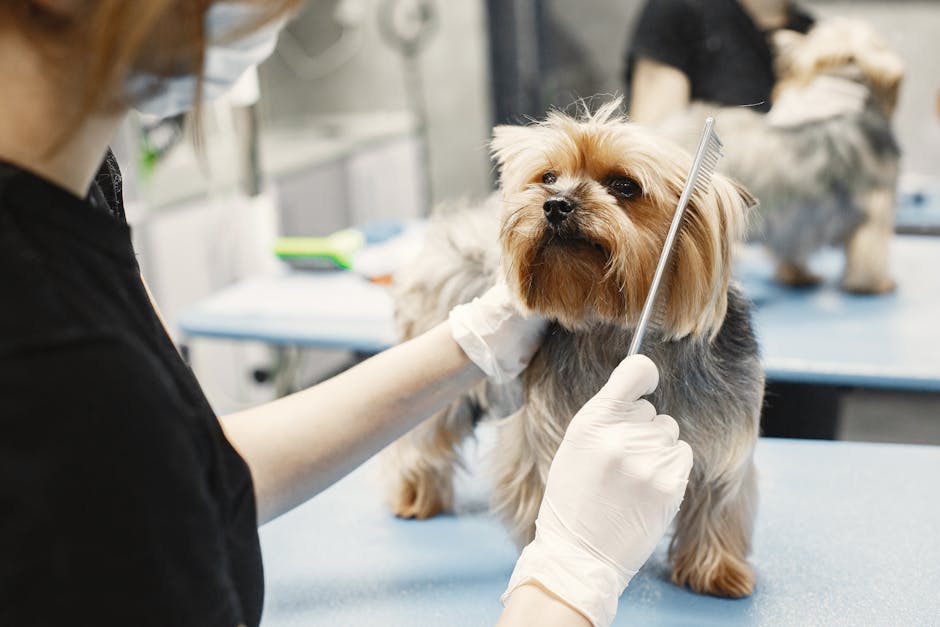
Dog Grooming Guide: From Professional Tipping to Stopping Excessive Barking
Your dog’s grooming routine is about more than just keeping them looking their best—it’s a cornerstone of their health, comfort, and overall well-being. Whether you’re navigating your first professional grooming appointment or trying to manage grooming tasks at home, understanding the essentials can transform what might feel like a stressful chore into a bonding experience that leaves your pup feeling confident and comfortable. From knowing proper tipping etiquette to handling grooming-related anxiety (including excessive barking), this comprehensive guide will equip you with everything you need to make grooming a positive experience for both you and your furry friend.
Essential Dog Grooming Basics Every Owner Should Know
Understanding your dog’s specific grooming needs starts with recognizing their coat type. Double-coated breeds like Golden Retrievers and German Shepherds require different care than single-coated breeds like Poodles or Greyhounds. Long-haired dogs need daily brushing to prevent matting, while short-haired breeds might only need weekly sessions.
Creating Your Grooming Schedule
Most dogs benefit from professional grooming every 4-8 weeks, but your schedule should reflect your dog’s individual needs:
- Daily: Brushing for long-haired breeds, teeth cleaning
- Weekly: Nail checks, ear cleaning, thorough brushing for short-haired dogs
- Monthly: Full grooming assessment, professional services if needed
- Seasonally: Deep coat treatments, seasonal trimming adjustments
Essential At-Home Grooming Tools
Building a basic toolkit ensures you can handle maintenance between professional appointments:
- High-quality slicker brush for most coat types
- Nail clippers appropriate for your dog’s size
- Dog-specific shampoo and conditioner
- Ear cleaning solution and cotton pads
- Dental care supplies including dog toothpaste and brushes
- Grooming scissors for touch-ups around paws and face
Watch for signs that indicate professional grooming is needed: excessive matting, strong odors despite regular bathing, overgrown nails that click on floors, or visible ear wax buildup. These signals often appear before you notice them, making regular home inspections crucial.
Professional Dog Grooming: What to Expect and How to Tip
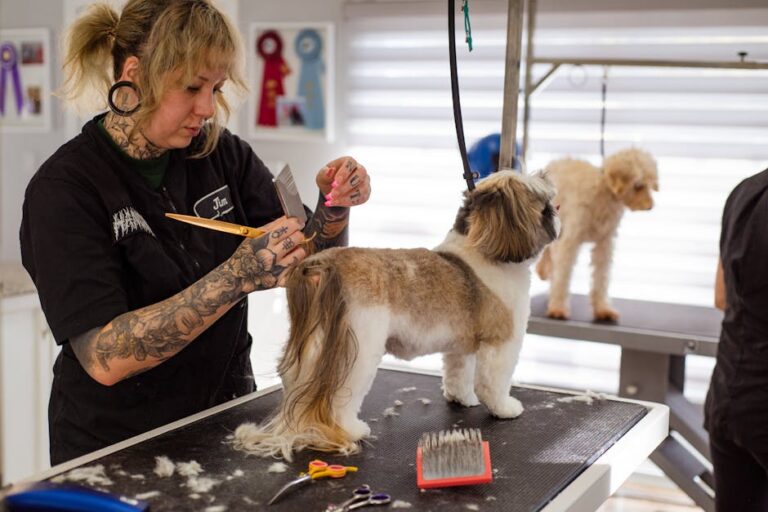
Professional dog grooming services in 2025 typically range from $50-150 depending on your dog’s size, coat complexity, and location. Standard services include bathing, brushing, nail trimming, ear cleaning, and styling cuts. Many groomers now offer add-on services like teeth cleaning, de-shedding treatments, and aromatherapy.
Dog Grooming Tipping Guidelines
Tipping your groomer 15-20% is standard practice, similar to other personal service industries. For exceptional service or during holidays, consider increasing to 25%. If your dog presents special challenges—like severe matting or anxiety—a larger tip acknowledges the extra time and patience required.
Calculate tips based on the pre-tax service amount. For a $100 grooming session, a $15-20 tip is appropriate. Some grooming salons allow tips on credit cards, while others prefer cash.
Communicating with Your Groomer
Clear communication prevents disappointment and ensures your dog receives appropriate care. Provide specific details about:
- Previous grooming experiences and any sensitivities
- Desired length and style with reference photos if possible
- Behavioral quirks or areas where your dog is particularly sensitive
- Health concerns like skin conditions or joint issues
Building a relationship with one groomer creates consistency for your dog and allows the professional to learn your pet’s preferences and needs over time.
Managing Grooming-Related Anxiety and Excessive Barking
Many dogs bark excessively during grooming due to fear, overstimulation, or territorial responses to unfamiliar sounds and sensations. Understanding why your dog reacts this way is the first step toward creating calmer grooming experiences.
Home Remedies to Stop Dog Barking During Grooming
Pre-grooming exercise is one of the most effective home remedies. A tired dog is generally calmer and more cooperative. Take your dog for a longer walk or engage in vigorous play 30-60 minutes before grooming sessions.
Gradual desensitization works exceptionally well and aligns with proven dog training principles. Start by simply handling your dog’s paws, ears, and mouth without any grooming tools. Reward calm behavior with high-value treats. Once your dog accepts handling, introduce grooming tools gradually—let them sniff and investigate before using them.
Creating positive associations transforms grooming from stressful to enjoyable. Pair grooming activities with special treats that only appear during these sessions. Many dogs learn to anticipate grooming positively when it consistently results in favorite rewards.
When to Consider Stop Dog Barking Devices
High-frequency anti-bark devices can be helpful during specific grooming tasks like nail trimming, but use them judiciously. These devices work by emitting sounds that interrupt barking behavior, giving you a window to redirect your dog’s attention and reward quiet behavior.
Consider this real-world example: Sarah’s Beagle, Max, would bark frantically during nail trims, making the process dangerous for everyone involved. She used a small, handheld ultrasonic device to interrupt his barking, immediately followed by treats and praise for quiet behavior. Within three weeks, Max learned to remain calm during nail trims without needing the device.
Never rely solely on anti-bark devices—they should supplement positive training methods, not replace them. The goal is teaching your dog that quiet, calm behavior during grooming leads to good things.
DIY Grooming Techniques for Confident Dog Owners
Mastering basic grooming skills saves money and strengthens your bond with your dog. Start with simple tasks and gradually work up to more complex procedures as both you and your dog gain confidence.
Nail Trimming Without Drama
Proper nail trimming technique prevents injury and reduces stress. Hold your dog’s paw gently but firmly, and identify the pink “quick” inside the nail. Cut only the white or clear portion, staying well away from the pink area.
If you accidentally nick the quick, apply styptic powder immediately and remain calm—your dog will pick up on your energy. Many dogs tolerate nail trimming better when you trim just one or two nails per session rather than attempting all four paws at once.
Safe Ear Cleaning and Dental Care
Ear cleaning should be done weekly for most dogs. Use veterinarian-approved ear cleaning solution, never water or homemade mixtures. Squeeze solution into the ear canal, massage the base of the ear gently, then allow your dog to shake their head before wiping away debris with cotton pads.
Dental care at home involves daily brushing with dog-specific toothpaste. Human toothpaste contains xylitol, which is toxic to dogs. Start by letting your dog lick toothpaste from your finger, then graduate to finger brushes before introducing a full toothbrush.
Brushing Techniques for Different Coat Types
Long-haired breeds require systematic brushing starting from the skin outward. Work in sections, brushing small areas thoroughly rather than surface-skimming over the entire coat. Pay special attention to areas that mat easily: behind ears, under legs, and around the tail.
Short-haired dogs benefit from rubber grooming gloves or fine-bristled brushes that remove loose hair and distribute natural oils throughout their coat.
Troubleshooting Common Grooming Challenges
Even experienced dog owners encounter grooming obstacles. Addressing these challenges systematically prevents minor issues from becoming major problems.
Dealing with Matted Fur
Severe matting often requires professional intervention, but minor mats can be addressed at home using detangling spray and patience. Work mats out with your fingers first, then use a mat splitter or dematting comb to gently separate tangled hair.
Prevention strategies are more effective than treatment. Daily brushing prevents most matting, especially during seasonal coat changes when dogs shed more heavily.
Managing Seasonal Coat Changes
Spring and fall shedding can overwhelm even dedicated groomers. Increase brushing frequency during these periods and consider professional de-shedding treatments. High-velocity dryers used by professional groomers remove loose undercoat more effectively than home tools.
Take the case of Luna, a Golden Retriever who transformed from grooming-phobic to actually enjoying spa days. Her owner started with five-minute sessions focusing only on areas Luna enjoyed being touched. They gradually introduced different brushes, always ending sessions while Luna was still comfortable. After six months of consistent, positive experiences, Luna began seeking out grooming sessions, approaching her owner with the brush in hand.
Creating Positive Associations
Consistency and patience build confidence over time. Yorkshire Terriers like Bella require daily grooming due to their long, silky coats. Bella’s owner established a routine where grooming happened at the same time each day, always followed by a special walk or play session. This predictable sequence helped Bella anticipate and even enjoy grooming time.
Professional intervention becomes necessary when DIY approaches reach their limits. Severely matted coats, infected ears, or overgrown nails that have grown into paw pads require immediate professional care. Recognizing these situations early prevents minor problems from becoming serious health issues.
Regular grooming—whether professional or at-home—contributes significantly to your dog’s physical health and emotional well-being. Dogs with proper grooming routines often display increased confidence, better behavior, and stronger bonds with their owners. The investment in time, money, and patience pays dividends in your dog’s overall quality of life and your shared experiences together.

One Comment