Transform Your Dog Into a Well-Behaved Companion with These Proven Exercises
Every dog owner has been there: your furry friend sits patiently, tail wagging, while you fumble through commands that seem to fall on deaf ears. Whether you’re working with an energetic puppy, a newly adopted rescue, or simply want to strengthen your bond with your longtime companion, the right training exercises can transform frustrating moments into victories for both of you. In 2026, dog training has evolved beyond basic sit-and-stay routines—today’s most effective exercises blend mental stimulation, physical activity, and positive reinforcement to create well-rounded, confident dogs. Let’s dive into the proven training exercises that will help your dog thrive, no matter their age, background, or current skill level.
Foundation Training Exercises Every Dog Should Master
Before jumping into complex behaviors, your dog needs a solid foundation of basic skills that form the backbone of all future training. These core exercises establish communication between you and your dog while building their confidence and focus.
The ‘Name Game’ Exercise for Building Focus and Attention
Start with the most fundamental skill: teaching your dog that their name means “look at me.” Hold a treat near your face, say your dog’s name once, and mark the moment they make eye contact with “yes” or a clicker. Reward immediately. Practice this 10-15 times throughout the day, gradually increasing the distance and adding mild distractions. This exercise creates the attention foundation needed for all other training.
Progressive Recall Training Using the Long-Line Method
Reliable recall can save your dog’s life, making it the most important skill they’ll ever learn. Using a 20-30 foot training line, allow your dog to wander while supervised. When they’re distracted but not overly focused on something, call their name followed by “come” in an upbeat voice. If they respond, mark and reward enthusiastically. If they don’t, gently guide them toward you with the line without repeating the command. Practice in increasingly challenging environments as their response improves.
Impulse Control Exercises: ‘Wait’ and ‘Leave It’ Commands
Wait: Start at doorways. Put your hand up in a stop gesture and say “wait” before opening the door. If your dog moves forward, close the door and reset. Only open when they pause, even briefly. Gradually increase the wait time before releasing with “okay.”
Leave It: Place a treat in your closed fist and wait. Your dog will likely paw, lick, and nose at your hand. The moment they back away or pause, mark with “yes” and give them a different treat from your other hand. Never let them have the original treat—this teaches them that “leave it” means they’ll get something better for making the right choice.
Position Training: Sit, Down, Stand Transitions for Mental Engagement
Instead of drilling individual positions, teach smooth transitions between them. Start with your dog in a sit, lure them into a down, then back to sit, then to stand. Practice different sequences like sit-down-sit or stand-down-stand. This mental workout builds body awareness and responsiveness while preventing your dog from anticipating the next command.
Mental Stimulation Exercises to Tire Your Dog’s Mind
A tired mind creates a well-behaved dog. These cognitive challenges provide the mental workout that many dogs desperately need, often proving more exhausting than physical exercise alone.
Puzzle Feeding and Food-Dispensing Toy Rotations
Replace your dog’s food bowl with puzzle feeders, Kong toys, or snuffle mats. Rotate different puzzles weekly to maintain novelty and challenge. Start with easier puzzles and gradually increase difficulty. This simple change transforms mealtime into training time while slowing down fast eaters and providing essential mental stimulation.
Scent Work Basics: Teaching Your Dog to ‘Find It’
Begin with your dog in a stay position. Show them a high-value treat, then place it in an obvious location nearby while they watch. Release them with “find it” and celebrate when they locate the treat. Gradually hide treats in more challenging locations, eventually hiding them without your dog watching. This exercise taps into their natural scenting abilities and builds confidence.
The ‘Touch’ Command and Target Training for Cognitive Development
Teach your dog to touch their nose to your outstretched palm. Hold your hand 6 inches from their nose—most dogs will naturally investigate and touch it. Mark the moment their nose contacts your palm with “yes” and reward. Once reliable, add the cue “touch.” This versatile command helps redirect attention, builds confidence, and can be expanded to teaching your dog to ring a bell or close doors.
DIY Brain Games Using Household Items
Create enrichment using items you already have:
- Muffin tin puzzle: Place treats in muffin tin wells and cover with tennis balls
- Towel rolls: Wrap treats in towels for your dog to unroll
- Cardboard boxes: Create a treasure hunt by placing treats in various sized boxes
- Bottle bowling: Set up empty plastic bottles for your dog to knock down for hidden treats
Specialized Training Approaches for Different Dog Situations
Not every dog comes with the same background or needs. Tailoring your approach based on your dog’s specific situation dramatically improves training success.
Training Exercises Specifically Designed for Rescue Dogs with Unknown Histories
Training a rescue dog for beginners requires patience and modified techniques. Many rescue dogs benefit from choice-based training—allowing them to opt into interactions rather than being forced. Start with the “consent” exercise: extend your hand and wait for your dog to approach. If they move away, respect that choice. This builds trust and confidence.
Use parallel training where your dog learns alongside you without pressure. Sit quietly and toss treats nearby without requiring any behavior. This creates positive associations with your presence without overwhelming anxious dogs.
Max, a 3-year-old rescue pit bull mix, came to his new family reactive to other dogs and fearful of sudden movements. His owners used progressive desensitization training, starting with viewing other dogs from 200 feet away while receiving high-value treats. Over six months, they gradually decreased distance while maintaining Max’s comfort level. Today, Max walks calmly past other dogs and even has several dog friends.
Confidence-Building Activities for Anxious or Fearful Dogs
When addressing how to make dogs happy when they are sad or anxious, focus on building positive associations through choice and control. Set up “confidence courses” using household items—pillows to step on, boxes to investigate, tunnels made from chairs and blankets. Let your dog explore at their own pace, rewarding any brave behavior.
Practice calm settling exercises by sitting quietly with your dog and rewarding relaxed positions with gentle praise and treats. This teaches them that stillness and calm behavior earn good things.
High-Energy Breed Training: Channeling Drive into Productive Behaviors
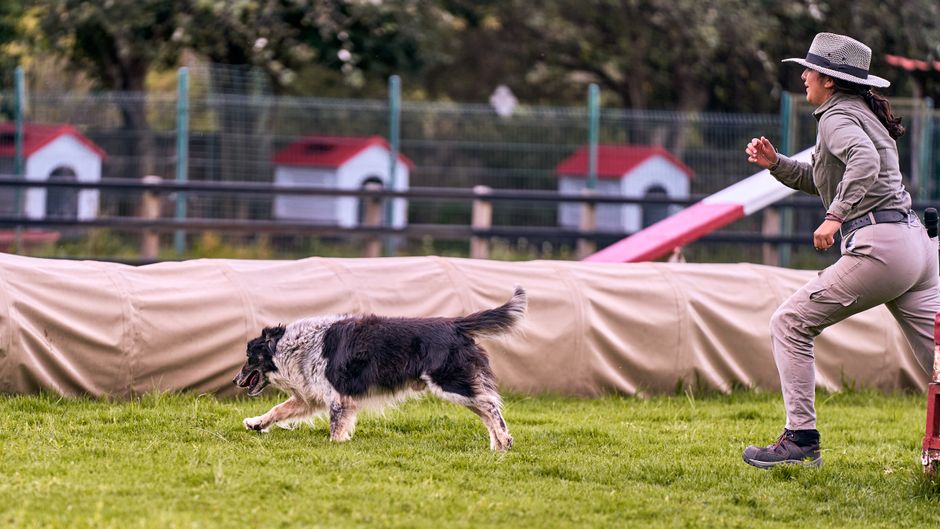
Border Collies, Australian Cattle Dogs, and other high-drive breeds need jobs. Take Luna, a Border Collie whose excessive energy was channeling into furniture destruction. Her family taught her the “place” command using a raised dog bed as her designated spot. Starting with 5-second stays and building to 30 minutes, Luna learned to settle on command. They combined this with daily puzzle feeding and scent work to tire her mind, transforming their destructive pup into a focused companion.
Use structured play like tug with rules—the game starts and stops on your terms, teaching impulse control while providing an outlet for drive.
Senior Dog Modifications: Gentle Exercises for Aging Companions
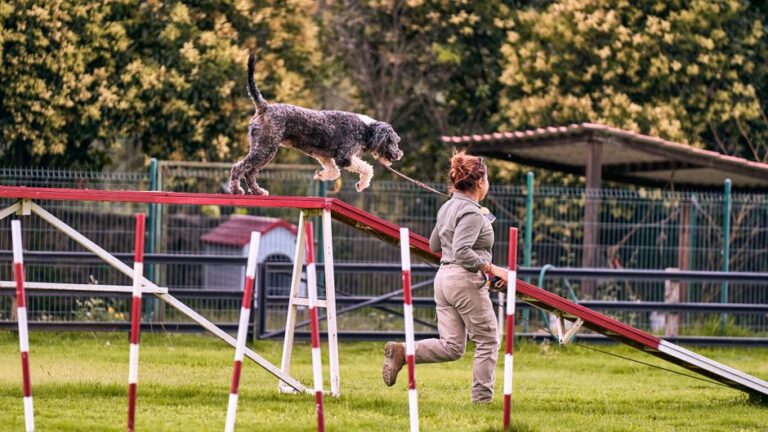
Older dogs benefit from modified training that accommodates physical limitations while maintaining cognitive function. Ruby, a 12-year-old Golden Retriever, learned modified agility exercises using low platforms and gentle weaving through cones. These exercises maintained her mental sharpness and joint mobility without overexertion.
Focus on enrichment over exertion: slow feeder puzzles, gentle scent work, and comfortable position changes that keep their minds active without stressing aging bodies.
Troubleshooting Common Training Challenges
Even the best training plans hit roadblocks. Understanding common issues and solutions keeps you on track toward success.
When Your Dog Seems ‘Stubborn’: Reading Motivation and Adjusting Rewards
“Stubborn” dogs are usually communicating something important—they’re confused, unmotivated, or the reward isn’t worth the effort. Evaluate your training environment: Is it too distracting? Are you asking too much too quickly? Try higher-value rewards, shorter sessions, or breaking the behavior into smaller steps.
Managing Distractions During Training Sessions
Start training in a quiet, familiar environment before adding distractions. Use the 3 D’s principle: gradually increase Duration, Distance, and Distractions. If your dog struggles, reduce one or more of these elements until they succeed, then slowly rebuild.
Dealing with Regression in Previously Learned Behaviors
Regression is normal and often temporary. Common causes include stress, illness, or environmental changes. Sometimes knowing how to treat a sick dog at home becomes relevant when training issues are actually health-related. Return to basics without frustration—your dog isn’t being defiant, they need additional support to remember their skills.
Signs Your Training Approach Needs Adjustment
Watch for stress signals: excessive panting, yawning, lip licking, or avoidance behaviors. If your dog shows these signs consistently during training, slow down and make sessions more enjoyable. Training should be challenging but never stressful.
Creating a Sustainable Training Schedule That Works
Consistency trumps intensity in dog training. A sustainable schedule ensures long-term success without burnout for you or your dog.
The 5-Minute Rule: Short, Frequent Sessions for Maximum Retention
Multiple 5-minute sessions throughout the day prove more effective than one long session. Dogs learn better in short bursts with processing time between sessions. Schedule brief training moments before meals, walks, or play sessions when your dog is naturally motivated.
Weekly Training Goals and Progress Tracking Methods
Set specific, measurable goals like “sit for 10 seconds with mild distractions” rather than vague objectives. Track progress in a simple notebook or phone app, noting what works and what doesn’t. Celebrate small wins—they build momentum toward larger goals.
Incorporating Training into Daily Routines and Activities
Transform daily activities into training opportunities:
- Practice “wait” at doorways and before meals
- Use walks for leash training and attention exercises
- Turn playtime into structured games with rules
- Include the whole family so training becomes lifestyle, not chore
For families with puppies, this integration becomes especially important when considering factors like best puppy food for large breed dogs—even feeding time becomes an opportunity for patience and impulse control training.
A family with two young children successfully addressed their Labrador’s jumping behavior using daily 10-minute training sessions. Each family member practiced the “off” command and rewarded calm greetings. Within three weeks, their dog learned to sit for attention instead of jumping, creating calmer interactions for everyone.
When to Seek Professional Help vs. DIY Training Approaches
Consider professional help for serious behavioral issues like aggression, severe anxiety, or behaviors that put your dog or others at risk, though many owners successfully transform their dogs into perfect companions without expensive classes for basic training needs. For most basic training and minor behavioral adjustments, consistent home training proves highly effective. Trust your instincts—if you feel overwhelmed or progress stalls despite consistent effort, a qualified trainer can provide fresh perspectives and techniques.
The journey from chaos to companionship doesn’t happen overnight, but with these proven exercises and approaches, you’re building the foundation for a lifelong partnership based on trust, communication, and mutual respect. Start with one or two exercises that match your dog’s current needs and your schedule, then gradually expand your training toolkit as both of you grow more confident using free dog training tips that actually work to guide your progress. Your future self—and your well-behaved dog—will thank you for the investment you make today.