Stop Dog Barking in Crate: 5 Proven Methods That Actually Work in 2026
The piercing barks echoing from your dog’s crate at 3 AM aren’t just disrupting your sleep—they’re a cry for help that many dog owners struggle to decode. Whether you’re dealing with a newly adopted rescue dog or a puppy who views their crate as a prison rather than a sanctuary, excessive barking in the crate is one of the most common behavioral challenges facing dog owners in 2026. The good news? With the right understanding of why dogs bark in their crates and a systematic approach to training, you can transform that noisy nighttime drama into peaceful rest for both you and your furry friend. This comprehensive guide will walk you through proven techniques to stop dog barking in crate situations while building your dog’s confidence and creating positive associations with their safe space.
Understanding Why Dogs Bark in Their Crates
Before diving into solutions, you need to identify the root cause of your dog’s crate barking. Dogs rarely bark without reason, and the trigger behind their vocalization determines which training approach will be most effective.
Separation Anxiety and Fear-Based Barking Triggers
Many dogs, especially rescues with unknown histories, experience genuine distress when confined. This isn’t simply stubbornness—it’s an emotional response that can manifest as frantic barking, panting, drooling, or destructive behavior. Fear-based barking typically intensifies when you’re preparing to leave and may continue for hours after your departure.
Rescue dogs often arrive with baggage from previous experiences. A 2-year-old Golden Retriever named Max, adopted from a shelter last year, barked for four straight hours every time his new family left him crated. His owners initially tried punishment-based methods, which only escalated his panic. The breakthrough came when they realized Max’s barking stemmed from abandonment trauma, not defiance.
Attention-Seeking Behavior and Inadvertent Reinforcement
Smart dogs quickly learn that barking gets results. If you’ve ever responded to crate barking by letting your dog out, talking to them, or even yelling “quiet,” you’ve accidentally taught them that vocalization works. This creates a powerful reward cycle where barking becomes their go-to communication tool.
Physical Discomfort or Environmental Stressors
Sometimes the simplest explanation is correct. Your dog might be barking because they’re genuinely uncomfortable—the crate’s too small, too hot, or positioned in a high-traffic area with constant stimulation. Environmental factors like loud neighbors, construction noise, or even the refrigerator’s hum can trigger reactive barking in sensitive dogs.
Lack of Proper Crate Training Foundation
Many behavioral issues stem from rushing the crate introduction process. Dogs who were never properly conditioned to view their crate as a positive space will naturally resist confinement, expressing their displeasure through persistent barking.
Building a Positive Crate Training Foundation
Success in stopping crate barking starts with creating the right environment and associations. Even if your dog has been barking in their crate for months, you can rebuild these foundations.
Choosing the Right Crate Size and Location for Your Dog
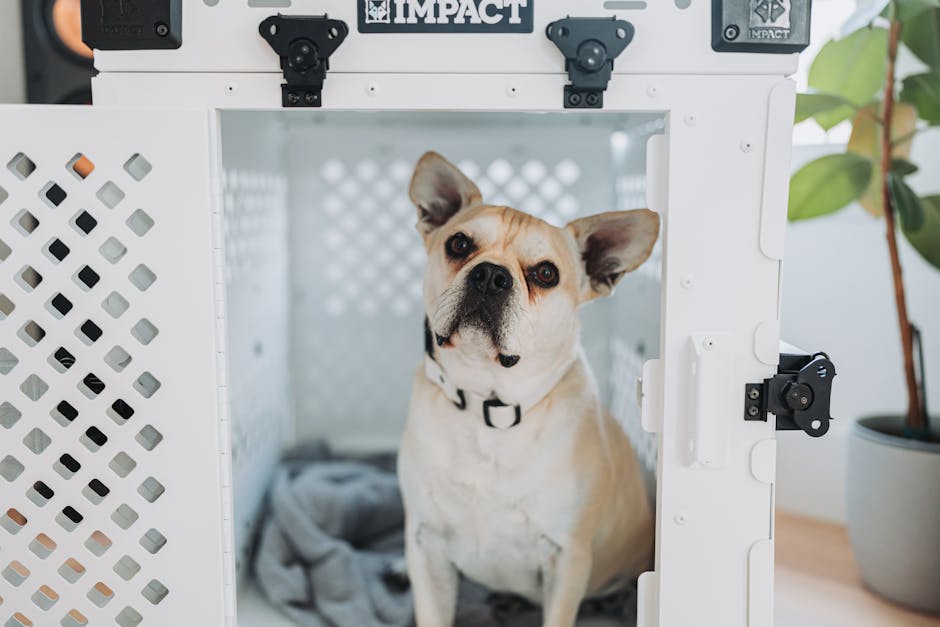
Your dog should be able to stand, turn around, and lie down comfortably, but the space shouldn’t be so large that they can eliminate in one corner and sleep in another. For growing puppies, use dividers to adjust the space as they develop.
Location matters enormously. Place the crate in a quiet area where your dog can still feel connected to the family but won’t be overstimulated by constant activity. Avoid basements, garages, or isolated rooms that might increase anxiety.
Creating Positive Associations Through Feeding and Treats
Transform the crate from a place of confinement into your dog’s favorite spot by feeding all meals inside with the door open initially. Toss high-value treats into the crate randomly throughout the day, allowing your dog to discover these “surprise gifts” naturally.
Start with short, positive experiences. Let your dog explore the crate voluntarily while you sit nearby reading or watching TV. This casual presence removes pressure while building comfort.
Gradual Introduction Techniques for Crate-Shy Dogs
Never force a fearful dog into their crate. Instead, begin by simply having the crate present in your living space with the door removed entirely. Feed treats near the crate, then gradually inside it. Some dogs need weeks to progress from sniffing the crate entrance to confidently entering for meals.
For extremely crate-shy rescues, consider starting with exercise pens or baby gates to create boundaries without the enclosed feeling that triggers claustrophobia.
Establishing a Consistent Routine and Schedule
Dogs thrive on predictability. Create a crate routine that signals comfort rather than abandonment. This might include a special chew toy that only comes out during crate time, a brief walk beforehand, or a calming pre-crate ritual.
Proven Techniques to Stop Crate Barking
Once you understand your dog’s motivations and have established positive crate associations, these targeted techniques will address specific barking triggers.
The Ignore-and-Reward Method for Attention-Seeking Barkers
This approach requires patience and consistency but proves highly effective for dogs who bark for attention. The rule is simple: never respond to barking, but immediately reward quiet behavior using techniques that can stop dog barking in seconds.
When your dog barks in the crate, resist every urge to react. Don’t look at them, speak to them, or approach the crate. The moment they stop barking—even for just a few seconds—mark the quiet behavior with a calm “good” and offer a treat through the crate bars.
Timing is crucial here. You must catch those quiet moments quickly, especially in the beginning when they might only last seconds. As your dog learns that silence earns rewards while barking gets nothing, the quiet periods will naturally extend.
Desensitization Training for Anxiety-Driven Barking
For dogs whose barking stems from genuine distress, systematic desensitization helps build confidence gradually. Start by having your dog spend just minutes in the crate with you in the same room, slowly increasing duration as they remain calm.
Practice departure cues without actually leaving. Put on your coat, pick up your keys, then sit back down. This helps dogs learn that these signals don’t always predict abandonment. When you do start leaving, begin with 30-second absences, building up slowly over weeks.
Using White Noise, Calming Music, and Environmental Modifications
A Border Collie mix named Luna used to bark frantically during thunderstorms until her owners discovered that consistent background noise helped mask triggering sounds. They now use a white noise machine positioned near her crate, which has dramatically reduced her reactive barking.
Consider blackout curtains if visual stimuli trigger barking, or relocate the crate to a quieter room. Some dogs respond well to calming pheromone diffusers placed near their crate area.
Timing Your Responses Correctly to Avoid Reinforcing the Behavior
The biggest mistake owners make is responding to barking inconsistently. If you ignore barking for 20 minutes then give in and let your dog out, you’ve just taught them that persistent barking eventually works—making the behavior even stronger.
Set realistic expectations for yourself. If you know you can’t ignore barking for more than 10 minutes due to apartment living, start your training sessions when you have that time available, or consider alternative confinement methods while building crate tolerance.
Special Considerations for Rescue Dogs and Puppies
Different dogs require modified approaches based on their age, history, and individual needs.
Addressing Trauma-Related Behaviors in Rescue Dogs
Rescue dogs often carry invisible scars that manifest as extreme crate aversion. Training a rescue dog requires extra patience and may need professional support. These dogs benefit from ultra-gradual introductions and may never love their crate the way a puppy raised with positive crate experiences will.
Focus on building trust first. Some rescues need weeks of simply having meals fed near an open crate before they’ll voluntarily enter. Don’t rush this process—forced confinement can retraumatize dogs with abandonment or abuse histories.
Age-Appropriate Expectations for Puppies and Senior Dogs
Young puppies have limited bladder control and may bark because they genuinely need bathroom breaks. How to train a dog at home during the puppy phase means accepting more frequent crate breaks and shorter confinement periods.
A working family with a 6-month-old puppy successfully managed crate training around their school and work schedules by arranging midday dog walker visits and using puzzle toys to keep their pup mentally stimulated during shorter crate periods.
Senior dogs may develop new anxieties or physical discomforts that make crate training more challenging. Arthritis, cognitive changes, or increased separation anxiety can all contribute to barking issues that weren’t present in younger years.
Combining Crate Training with House Training for Maximum Success
Training a rescue dog to pee outside while simultaneously working on crate comfort requires coordination. Ensure your dog has adequate bathroom opportunities before crate time, but don’t use outdoor access as a response to crate barking, which teaches them that barking gets them out.
Establish clear bathroom schedules that prevent your dog from being crated with a full bladder, which creates genuine distress and justified barking.
When to Seek Professional Help from Certified Trainers
If your dog shows signs of severe distress—excessive drooling, destructive panic, self-injury, or regression after weeks of consistent training—consult a certified professional dog trainer or veterinary behaviorist. Some anxiety-driven barking requires medication support alongside training.
Training a rescue dog not to bite or other serious behavioral issues may emerge during crate training and need immediate professional intervention for everyone’s safety.
Troubleshooting Common Setbacks and Maintaining Progress
Even successful crate training can hit bumps. Understanding how to navigate setbacks prevents frustration and keeps your training on track.
What to Do When Your Dog Regresses in Training
Regression is normal, especially during stressful periods, schedule changes, or after your dog has been out of their routine. Rather than abandoning your progress, return to an earlier training stage where your dog was successful and rebuild from there.
Life changes like moving, new family members, or even seasonal shifts can trigger temporary setbacks. An elderly Beagle named Rusty, adopted from a shelter six months ago, had mastered quiet crate time until his family’s holiday visitors arrived. His owners successfully managed this regression by temporarily shortening crate periods and providing extra mental stimulation during the busy holiday period.
Adjusting Techniques for Different Personality Types
High-energy dogs need more physical and mental exercise before crate time, while anxious dogs benefit from calming routines. Stubborn breeds might require more consistent boundaries, while sensitive dogs need gentler approaches with more positive reinforcement.
Creating Long-Term Success with Consistent Boundaries
Once your dog accepts their crate quietly, maintain the behavior by continuing positive associations. Don’t abandon treats and praise just because the barking has stopped—intermittent reinforcement keeps good behaviors strong.
Stay consistent with your rules. If your dog isn’t allowed out for barking, this rule applies every time, not just when it’s convenient for you.
Signs That Your Training Is Working and When to Celebrate Progress
Progress often comes in small increments: your dog enters the crate willingly, settles faster after you leave, or reduces barking duration from hours to minutes. Celebrate these victories—they indicate your methods are working even if perfection hasn’t arrived yet.
Watch for positive body language like relaxed posture in the crate, bringing toys inside, or choosing to nap in the crate with the door open. These behaviors signal that your dog is developing genuine comfort with their space.
Remember that how to train a dog at home successfully requires patience, consistency, and understanding your individual dog’s needs. With the right approach, even the most persistent crate barker can learn to settle quietly, giving both of you the peaceful rest you deserve.