Essential Dog Health Advice Every Owner Needs to Recognize Warning Signs
Every dog owner faces that moment of uncertainty—your pup is acting differently, showing concerning symptoms, or you’re simply wondering if you’re providing the best care possible. While your veterinarian remains your most trusted ally for serious health concerns, understanding fundamental dog health advice can help you recognize early warning signs, prevent common problems, and make informed decisions about your furry friend’s wellbeing. From spotting subtle changes in behavior that signal health issues to knowing when a situation requires immediate professional attention, being equipped with reliable dog medical advice empowers you to be the advocate your dog needs.
Recognizing Early Warning Signs: What Your Dog’s Body Language Tells You
Your dog communicates health concerns long before they become obvious medical emergencies. Learning to read these subtle signals transforms you from a passive observer into an active participant in your dog’s healthcare journey.
Changes in Appetite, Water Consumption, and Bathroom Habits
Appetite fluctuations often serve as the first red flag. A dog who suddenly refuses their favorite treats or leaves food untouched may be experiencing dental pain, nausea, or digestive discomfort. Conversely, dramatically increased appetite accompanied by weight loss could indicate metabolic disorders like diabetes or hyperthyroidism.
Water consumption changes deserve immediate attention. Excessive drinking paired with increased urination might signal kidney disease, diabetes, or Cushing’s disease. Dogs who suddenly avoid their water bowl could be experiencing nausea or oral pain.
Bathroom habit shifts provide crucial health insights. Straining during bowel movements, changes in stool consistency, or accidents from house-trained dogs often indicate digestive issues, parasites, or urinary tract infections. Blood in urine or stool always warrants immediate veterinary consultation.
Behavioral Shifts That Signal Medical Issues
Dogs rarely display dramatic behavioral changes without underlying causes. A typically social dog withdrawing from family activities might be experiencing pain or illness. Increased aggression or irritability often stems from discomfort rather than behavioral problems.
Sleep pattern disruptions—excessive sleeping or restless nights—frequently accompany health issues. Dogs in pain often struggle to find comfortable positions, while systemic illnesses can cause fatigue or anxiety-driven insomnia.
Physical Symptoms Every Owner Should Monitor
Eye health indicators include cloudiness, discharge, excessive tearing, or changes in pupil size. These symptoms can signal infections, injuries, or age-related conditions requiring prompt treatment.
Ear monitoring involves checking for odor, discharge, excessive scratching, or head shaking. Ear infections progress rapidly and cause significant discomfort when left untreated.
Skin assessment during regular petting sessions helps identify lumps, bumps, hot spots, or areas of hair loss. Early detection of skin conditions prevents minor issues from becoming major health problems.
Gait observation reveals joint problems, injuries, or neurological issues. Limping, stiffness after rest, or reluctance to climb stairs often indicates pain requiring veterinary evaluation.
When Subtle Changes Warrant Professional Attention
Contact your veterinarian when concerning symptoms persist beyond 24-48 hours or when multiple warning signs appear simultaneously. Trust your instincts—you know your dog better than anyone. Sudden personality changes, especially in senior dogs, deserve professional assessment regardless of how minor they might seem.
Essential Preventive Care: Building Your Dog’s Health Foundation
Proactive healthcare prevents more problems than it solves after symptoms appear. Establishing comprehensive preventive care routines protects your dog’s long-term wellbeing while reducing healthcare costs over time.
Vaccination Schedules and Immunity Timing
Core vaccines protect against life-threatening diseases like rabies, distemper, parvovirus, and adenovirus. Puppy vaccination series require precise timing to ensure immunity development without interference from maternal antibodies.
Non-core vaccines depend on lifestyle factors and regional disease risks. Dogs frequenting boarding facilities benefit from kennel cough vaccines, while those in tick-heavy areas need Lyme disease protection.
Maintain detailed vaccination records and understand that immunity isn’t immediate—most vaccines require 10-14 days to provide protection after administration.
Parasite Prevention Strategies
Flea and tick prevention extends beyond comfort to disease prevention. These parasites transmit serious illnesses including Lyme disease, Rocky Mountain spotted fever, and ehrlichiosis. Year-round prevention proves more effective than seasonal treatment.
Internal parasite control involves regular fecal examinations and preventive medications. Heartworm prevention remains non-negotiable in most geographic areas, as treatment costs exponentially exceed prevention expenses.
Environmental management complements medical prevention. Regular yard maintenance, prompt waste removal, and avoiding high-risk areas during peak parasite seasons reduce exposure risks.
Dental Care Routines
Daily brushing using dog-specific toothpaste prevents tartar buildup and gum disease. Start slowly with finger brushing, gradually introducing soft-bristled toothbrushes as your dog adapts to the routine.
Dental chews and toys provide supplemental cleaning action but cannot replace regular brushing. Choose products approved by the Veterinary Oral Health Council for proven effectiveness.
Professional dental cleanings under anesthesia address problems beyond surface cleaning. Schedule these procedures based on your veterinarian’s recommendations, typically annually for most adult dogs.
Regular Grooming as Health Assessment
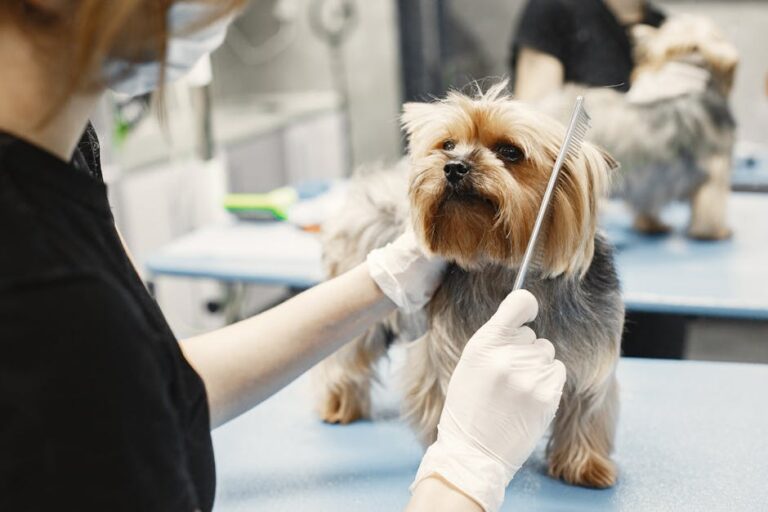
Transform grooming sessions into comprehensive health evaluations. Run your hands over your dog’s entire body, checking for lumps, cuts, or sensitive areas. Examine paws for cuts, embedded objects, or nail problems.
Ear cleaning during grooming prevents infections while allowing early problem detection. Regular brushing distributes natural oils while revealing skin conditions requiring attention.
Common Health Issues and Practical Management Strategies
Understanding prevalent health problems helps you respond appropriately when they arise. While veterinary consultation remains essential for diagnosis and treatment, knowing basic management strategies prevents panic and provides immediate comfort.
Digestive Problems: Causes and Safe Home Remedies
Mild digestive upset often responds to fasting followed by bland diet introduction. Offer small, frequent meals of boiled chicken and rice while monitoring symptom progression.
Dietary indiscretion requires immediate assessment of what your dog consumed. Keep activated charcoal and hydrogen peroxide on hand for emergency situations, but contact your veterinarian or pet poison control before administering anything.
Chronic digestive issues warrant professional evaluation to rule out food allergies, inflammatory bowel disease, or other serious conditions requiring specific treatment protocols.
Skin Conditions and Environmental Triggers
Allergic reactions manifest through scratching, red skin, or hot spots. Identify and eliminate triggers like new detergents, foods, or seasonal allergens. Cool compresses provide temporary relief while you seek veterinary guidance.
Hot spots develop rapidly from minor irritations. Clip surrounding hair, clean with mild antiseptic solutions, and prevent licking with protective barriers.
Consider a rescue dog named Max who developed severe digestive issues after adoption. His family discovered that anxiety from his traumatic past triggered stomach upset during stressful situations. A comprehensive approach combining anti-anxiety training techniques, probiotics, and environmental management resolved his symptoms within months.
Joint Health and Mobility Issues
Early intervention significantly impacts quality of life for dogs developing joint problems. A 7-year-old Labrador named Bella began showing subtle signs of hip dysplasia—slight stiffness after naps and hesitation before jumping into cars. Her family’s prompt veterinary consultation led to weight management, joint supplements, and modified exercise routines that kept her comfortable and active for years beyond initial diagnosis.
Weight management reduces joint stress while improving overall health. Even small weight reductions provide significant relief for arthritic dogs.
Emergency Situations Requiring Immediate Recognition
Gastric dilatation-volvulus (bloat) presents as unsuccessful vomiting attempts, distended abdomen, and extreme restlessness. This condition kills within hours without surgical intervention.
One German Shepherd owner recognized these symptoms during an evening walk and rushed to the emergency clinic. The dog’s survival depended entirely on quick recognition and immediate professional care—highlighting why every owner must understand life-threatening emergency signs.
Creating a Health-Supporting Environment at Home
Your home environment significantly impacts your dog’s health outcomes. Strategic modifications prevent accidents while supporting overall wellbeing through thoughtful design and management approaches.
Dog-Proofing for Safety
Toxic substance removal extends beyond obvious dangers like chocolate and medications. Many household plants, cleaning products, and foods pose serious risks. Create secure storage systems preventing accidental access.
Physical hazard elimination includes securing loose wires, removing small objects that pose choking risks, and installing gates preventing falls down stairs.
Exercise Requirements by Individual Needs
Breed-specific needs vary dramatically. High-energy breeds require intensive physical and mental stimulation, while brachycephalic breeds need modified exercise preventing respiratory distress.
Age-appropriate activities change throughout your dog’s lifetime. Puppies need shorter, more frequent play sessions, while senior dogs benefit from gentle, consistent movement maintaining joint mobility.
Health-status modifications accommodate individual limitations. Dogs with heart conditions require carefully monitored exercise levels, while those recovering from injuries need restricted activity periods.
Stress Reduction and Immune Support
Environmental enrichment provides mental stimulation reducing anxiety-related health problems. Puzzle toys, rotating activities, and consistent routines create secure, engaging environments.
Social interaction balance meets individual personality needs. Some dogs thrive on constant companionship while others prefer quiet independence with periodic engagement.
Comprehensive First Aid Kit Assembly
Basic supplies include digital thermometer, sterile gauze, medical tape, antiseptic wipes, and emergency contact information. Include your veterinarian’s number, nearest emergency clinic details, and pet poison control hotline.
Medication storage should contain activated charcoal, hydrogen peroxide (3%), and any prescribed medications your dog requires regularly.
Working Effectively with Your Veterinary Team
Building strong veterinary relationships enhances your dog’s healthcare outcomes while providing peace of mind during challenging situations. Effective communication and preparation maximize the value of every interaction.
Maximizing Veterinary Visit Value
Preparation strategies include writing symptom timelines, listing questions, and gathering relevant information before appointments. Bring previous medical records when seeing new veterinarians.
Observation documentation helps veterinarians understand problems they might not observe during brief examinations. Video recordings of concerning behaviors provide valuable diagnostic information.
Essential Questions for Every Visit
Ask about preventive care schedules, warning signs to monitor between visits, and emergency protocols for after-hours situations. Understand medication administration requirements and potential side effects.
Building Long-Term Healthcare Relationships
Consistency with veterinary providers allows better health monitoring over time. Regular wellness examinations detect subtle changes that might escape notice during sporadic visits.
Communication preferences should be established early. Understand how your veterinary team prefers to handle questions, emergencies, and follow-up care requirements.
Consider a senior Golden Retriever whose family postponed dental care due to anesthesia concerns. By the time they sought treatment, preventable dental disease had progressed to require multiple extractions and extended recovery periods. Early intervention would have preserved the dog’s teeth while minimizing medical risks—illustrating why proactive veterinary relationships prove invaluable for long-term health outcomes.
Understanding fundamental dog health advice transforms you from a reactive pet owner into a proactive health advocate. Recognition of early warning signs, implementation of preventive care strategies, and effective veterinary communication create the foundation for your dog’s healthiest, happiest life possible.