Dog Training Tips for Older Dogs: Yes, Senior Pups Can Learn New Tricks
Think your senior dog can’t learn new tricks? Think again. While training an older dog presents unique challenges—from ingrained habits to physical limitations—it’s absolutely possible to teach your gray-muzzled companion better behaviors and even fun new skills. In fact, many senior dogs are more focused and eager to please than their younger counterparts, making them surprisingly excellent students. Whether you’re dealing with a newly adopted older dog or trying to correct long-standing issues in your aging companion, the right approach can transform your training sessions from frustrating struggles into rewarding bonding experiences.
Understanding Your Senior Dog’s Learning Needs
Senior dogs bring a lifetime of experiences to every training session—both helpful and challenging ones. Before diving into specific techniques, it’s crucial to understand how aging affects your dog’s ability to learn and respond to training.
Physical Limitations That Affect Training
Arthritis affects roughly 80% of dogs over eight years old, which means many commands that once seemed simple may now cause discomfort. A dog who previously had no trouble sitting might hesitate if their joints are stiff. Vision and hearing changes are equally common, with many senior dogs experiencing some degree of sensory decline by age 10.
These physical changes don’t mean training becomes impossible—they just require adaptation. Instead of expecting lightning-fast responses, give your senior dog extra time to process commands. Replace hand signals with verbal cues if vision is declining, or switch to clear visual signals if hearing is the issue. Consider softer surfaces for training sessions and avoid positions that might strain arthritic joints.
Cognitive Changes and Learning Capacity
While Canine Cognitive Dysfunction affects some senior dogs, the majority maintain their learning ability well into their golden years. However, processing speed often slows down, and memory consolidation may take longer. This actually works in your favor—senior dogs tend to be less distractible than puppies, allowing for more focused training sessions.
The key insight many dog owners miss is that shorter, more frequent training sessions work far better than long ones for older dogs. Five-minute sessions twice daily often produce better results than a single 20-minute session. This approach prevents mental fatigue while allowing time for information to solidify between sessions.
Adapting Expectations While Maintaining Consistency
Patience becomes your most valuable training tool with senior dogs. Max, a 10-year-old rescued Golden Retriever, provides a perfect example. When his new family began training him using positive reinforcement techniques, they initially felt discouraged by his slower responses. However, within six weeks of consistent, patient training, Max had mastered basic commands including sit, stay, and come—proving that persistence pays off with older dogs.
The secret lies in maintaining consistency while adjusting your timeline. Senior dogs still need clear, consistent rules and expectations, but they may need several more repetitions and longer periods to internalize new behaviors.
Proven Training Techniques That Work for Older Dogs
Certain training approaches prove especially effective for senior dogs, taking advantage of their maturity while accommodating age-related changes.
The Power of Positive Reinforcement
Positive reinforcement isn’t just humane—it’s particularly effective for older dogs who may have developed anxiety around training or have had negative experiences in the past. Senior dogs often respond beautifully to gentle encouragement and rewards, showing remarkable motivation when they feel safe and supported.
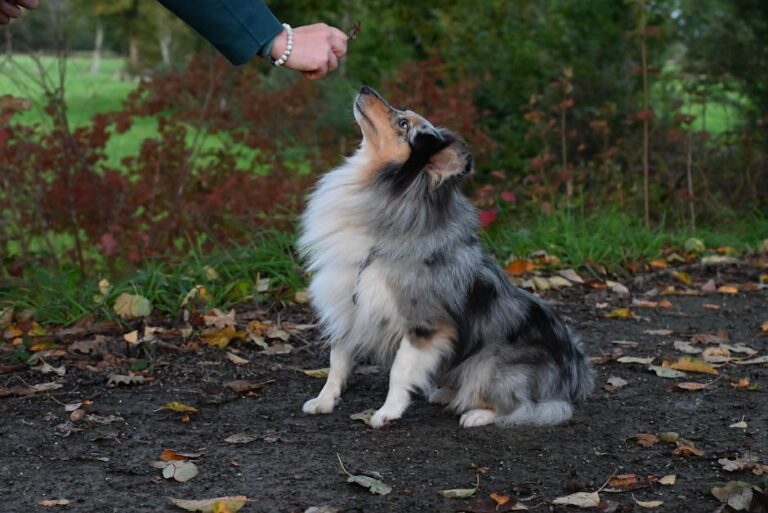
Food rewards remain powerful motivators, but you might need to experiment to find what truly excites your senior dog. Some older dogs lose interest in standard training treats but perk up for small pieces of cooked chicken or freeze-dried liver. Others respond better to praise and gentle petting, especially if they’re dealing with dietary restrictions.
Breaking Down Complex Behaviors
Complex behaviors that a young dog might learn in one session may need to be broken into smaller components for senior dogs. Teaching an 8-year-old arthritic dog to use a ramp instead of jumping on furniture, for instance, requires patience and step-by-step progression.
Start by making the ramp interesting—place treats along its surface and let your dog investigate at their own pace. Reward any interaction with the ramp, then gradually encourage paw placement, then one step, and so on. This process might take several weeks, but the end result—a dog who can safely access furniture without stressing their joints—is worth the investment.
High-Value Motivation and Mental Stimulation
Senior dogs benefit enormously from mental stimulation, which helps keep aging minds sharp while making training more engaging. Incorporate puzzle elements into training sessions—hide treats around the training area for your dog to find after completing a command, or use snuffle mats to make reward time more enriching.
The goal is creating positive associations with learning that tap into your senior dog’s natural curiosity and problem-solving abilities, which often remain strong well into their later years.
Addressing Common Behavioral Challenges in Senior Dogs
Senior dogs often develop specific behavioral issues that require targeted approaches, whether due to physical discomfort, cognitive changes, or simply years of reinforced habits.
House Training Regression
House training accidents in previously reliable senior dogs usually signal either medical issues or age-related changes. Once your veterinarian has ruled out urinary tract infections, kidney problems, or other health concerns, you can address the behavioral component.
Return to basics with frequent potty breaks, especially first thing in the morning and last thing at night. Senior dogs may need to go out more frequently due to reduced bladder control or medication side effects. Accidents should be cleaned thoroughly with enzymatic cleaners, and any successful outdoor elimination should be celebrated with treats and praise, just like you would with a puppy.
Managing Increased Anxiety and Stress
Many senior dogs develop anxiety they never experienced in their younger years. Changes in routine, loud noises, or even shifts in the household dynamic can trigger stress responses. A 12-year-old dog who developed severe separation anxiety after his owner returned to working outside the home following several years of remote work needed gradual retraining to feel secure alone.
The solution involved creating positive associations with alone time through special toys and treats that only appeared when the owner left, combined with very gradual increases in departure duration. Starting with just 30-second absences and building up over several weeks, the dog eventually learned to settle comfortably for several hours.
Resource Guarding in Senior Dogs
Senior dogs sometimes develop resource guarding behaviors they never displayed before, often due to increased anxiety about their resources or physical discomfort that makes them feel vulnerable. This requires careful, patient modification using positive reinforcement techniques.
Never attempt to forcibly remove items from a resource-guarding dog. Instead, teach a strong “drop it” command using high-value trade rewards, and work on building trust around food bowls and valued items through gradual desensitization exercises.
Creating Joy and Mental Enrichment for Senior Dogs
Training shouldn’t just address problems—it should actively contribute to your senior dog’s happiness and mental well-being. Knowing how to make dogs happy when they are sad becomes especially important as dogs age and may face various physical and emotional challenges.
Simple Tricks That Build Confidence
Teaching new tricks provides excellent mental stimulation while building confidence. Start with easy commands that play to your dog’s strengths. A dog with good mobility might enjoy learning to “spin” or “shake,” while a dog with limited movement might excel at “speak” on command or touching a target with their nose.
The key is choosing tricks that your individual dog can perform comfortably and successfully. Every successful repetition builds confidence and strengthens your bond.
Puzzle Toys and Brain Games
Mental exercise becomes increasingly important for senior dogs who may not be able to run and play as vigorously as before. Rotate puzzle toys weekly to maintain novelty, and choose difficulty levels that challenge without frustrating your dog.
Simple food puzzles, snuffle mats, and treat-dispensing toys can turn mealtime into engaging training opportunities. Some senior dogs particularly enjoy “find the treats” games where you hide small rewards around a room for them to discover.
Adapting Exercise and Building Routine
Senior dogs thrive on predictable routines that reduce anxiety while providing appropriate physical and mental stimulation. Create a daily schedule that includes short training sessions, gentle exercise, and plenty of rest time.
Many dog training tips Reddit communities emphasize the importance of consistency, and this advice proves especially valuable for senior dogs who find comfort in knowing what to expect each day.
When to Seek Professional Help and Additional Resources
Sometimes senior dog training challenges require professional expertise, particularly when dealing with complex behavioral issues or dogs with significant anxiety or aggression problems.
Recognizing When You Need Professional Support
Seek professional help if your senior dog shows signs of aggression, severe anxiety that doesn’t improve with basic techniques, or if you’re not seeing progress after several weeks of consistent training. A qualified positive reinforcement trainer can assess your specific situation and provide customized strategies.
Veterinary behaviorists become especially valuable for senior dogs whose behavioral changes might be linked to medical conditions or cognitive decline. These professionals can prescribe anti-anxiety medications or other treatments that make training more effective.
Finding Age-Appropriate Resources
Look for trainers who specifically mention experience with senior dogs or gentle training methods. Many areas now offer “senior dog” training classes that move at a more appropriate pace and focus on common issues facing older dogs, though you can also apply essential dog training tips adapted for senior dogs’ needs.
Online communities provide ongoing support and practical dog training tips for older dogs from owners facing similar challenges. These resources can be invaluable for troubleshooting specific issues and celebrating training victories with people who understand the unique joys and challenges of senior dog ownership.
The most important thing to remember is that your senior dog’s golden years can absolutely include learning, growth, and strengthened bonds through training. With patience, appropriate techniques, and realistic expectations, you can transform your dog into the perfect companion while enhancing their quality of life and your relationship together.