7 Essential Dog Training Tips That Transform Problem Pups Into Perfect Pets
Every dog owner faces the same challenge: how to transform an energetic, sometimes chaotic pup into a well-behaved family companion. Whether you’re dealing with a puppy who thinks your favorite shoes are chew toys, or an older dog who still hasn’t mastered basic commands, effective dog training isn’t about dominance or quick fixes—it’s about understanding your dog’s needs and building clear, consistent communication. The good news? With the right approach and proven techniques, any dog can learn to be their best self. Here are the essential dog training tips that will set you and your furry friend up for success, covering everything from fundamental commands to addressing common behavioral challenges.
Foundation Training: Master These Essential Commands First
Building a well-behaved dog starts with establishing five core commands that serve as the foundation for all future training. These aren’t just party tricks—they’re essential tools for safety, communication, and preventing behavioral problems before they start.
The Critical Importance of ‘Sit’ as Your Training Cornerstone
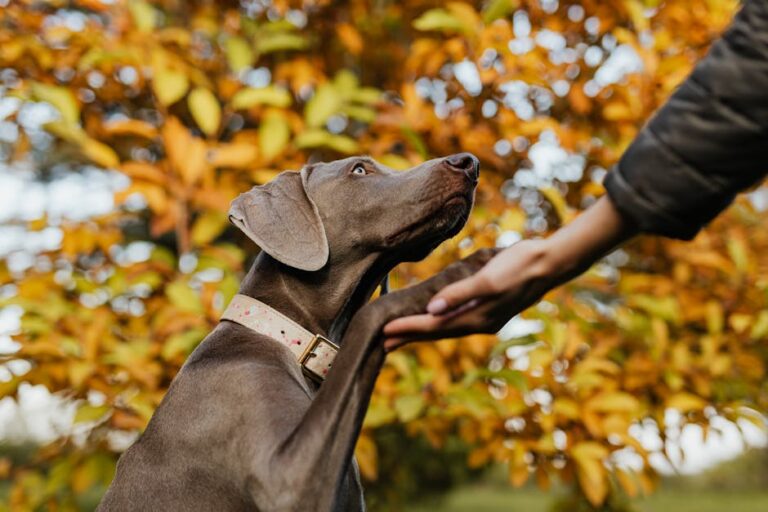
‘Sit’ is your gateway command because it’s naturally easy for dogs to perform and gives them a default behavior when they’re excited or uncertain. Start training ‘sit’ by holding a treat close to your dog’s nose, then slowly lifting it over their head. As their head follows the treat, their bottom naturally touches the ground. The moment they sit, say “sit,” give the treat, and offer enthusiastic praise.
Take Luna, an 8-week-old Golden Retriever puppy. Using this treat-timing method with three 5-minute sessions daily, she mastered the sit command in just three days. The key was consistency—every family member used the same word and hand motion, and they practiced before meals when Luna was naturally motivated by food.
Teaching ‘Stay’ and ‘Come’ for Safety and Control
‘Stay’ keeps your dog safe in doorways, around food, and in potentially dangerous situations. Start with your dog in the sit position, hold your palm up in a “stop” gesture, take one small step back, and immediately return to reward them. Gradually increase the distance and duration as they succeed.
‘Come’ is your emergency recall command. Practice in a secure area first, using an excited, happy voice and rewarding generously when your dog reaches you. Never call your dog to come for something they perceive as negative—this breaks down the trust that makes recall reliable.
Why ‘Down’ and ‘Leave It’ Prevent Most Problem Behaviors
‘Down’ is your calm-control command, perfect for teaching impulse control and creating relaxation on cue. From the sit position, bring a treat to the ground between their paws, and wait. Most dogs will naturally lie down to reach the treat. Mark the behavior with “down” and reward.
‘Leave it’ stops your dog from picking up dangerous items, stealing food, or fixating on distractions during walks. Hold a treat in your closed fist, let your dog sniff and paw at it, but only open your hand and give the treat when they stop trying and look away or sit back.
Timing and Consistency: When and How to Practice Commands Daily
Effective training happens in short, frequent sessions rather than long, exhausting ones. Aim for three 5-10 minute sessions daily, timing them before meals when your dog is naturally motivated. Practice commands during regular activities: have your dog sit before putting on their leash, stay before going through doorways, and come when it’s time for dinner.
Positive Reinforcement Techniques That Actually Work
The science is clear: dogs learn faster and retain behaviors longer when training focuses on rewarding good choices rather than punishing mistakes. But positive reinforcement only works when you understand what truly motivates your individual dog and deliver rewards with precise timing.
Understanding What Motivates Your Specific Dog
Not all dogs are food-motivated. While treats work for most puppies and many adult dogs, some prefer squeaky toys, tennis balls, or even just enthusiastic praise and petting. Watch your dog during play time—what makes them most excited? That’s your training jackpot.
Test different reward types during training sessions. High-value treats like small pieces of chicken or cheese often work better than regular kibble. For toy-motivated dogs, keep a special training toy that only comes out during practice sessions.
The 3-Second Rule: Timing Rewards for Maximum Impact
Your dog lives in the moment, so rewards must connect directly to the behavior you want to encourage. The critical window is three seconds—any longer, and your dog may not understand what they’re being rewarded for.
The sequence should be: dog performs behavior → you mark it with “yes” or a clicker → reward within three seconds. This clear communication helps your dog understand exactly which actions earn rewards.
How to Phase Out Treats Without Losing Obedience
Once your dog reliably performs a command, begin transitioning to intermittent reinforcement. Instead of treating every successful sit, reward randomly—sometimes the first attempt, sometimes the third. This actually strengthens the behavior because your dog never knows when the reward is coming.
Replace food treats gradually with life rewards: sitting earns the leash going on for a walk, staying earns their dinner bowl being placed down, coming when called earns the freedom to continue playing.
Common Mistakes That Accidentally Reward Bad Behavior
Many behavior problems persist because owners inadvertently reinforce them. Giving attention to a barking dog (even negative attention like “quiet!”) can reinforce the barking. Letting your dog pull you toward something interesting on a walk teaches them that pulling gets results.
Be mindful of what your responses teach. If your dog jumps on visitors and the visitors laugh or pet them, you’ve just reinforced jumping. Instead, teach an alternative behavior like sitting to greet people, and ensure everyone rewards only calm greetings.
Addressing the Most Common Training Challenges
Real-world training means dealing with problems that disrupt daily life. These four issues top every trainer’s list of owner concerns, but each has straightforward solutions when you understand the underlying causes.
Stopping Destructive Chewing and Redirecting Energy
Destructive chewing usually stems from boredom, anxiety, or natural puppy development. Provide appropriate chew outlets before problems start: puzzle toys, frozen Kong toys stuffed with treats, and rotating different textures weekly.
When you catch your dog chewing something inappropriate, don’t just say “no”—redirect them to an appropriate chew toy and praise them for making the right choice. Dog-proof your home by removing temptations and ensuring your dog has engaging alternatives readily available.
House Training Setbacks and How to Get Back on Track
Accidents happen, but frequent setbacks usually indicate a problem with timing, supervision, or health. Return to basics: take your dog outside every 2-3 hours, immediately after meals, and first thing in the morning and last thing at night.
Clean accidents thoroughly with enzyme cleaners that eliminate odors completely. Never punish accidents—simply clean up and increase supervision. If house training suddenly regresses in a previously trained dog, schedule a veterinary check-up to rule out medical issues.
Excessive Barking: Identifying Triggers and Solutions
Effective bark control starts with understanding why your dog is barking. Alert barking at the doorbell requires different solutions than attention-seeking barking or anxiety barking when left alone.
For alert barking, teach a “quiet” command by letting your dog bark once or twice, then showing them a treat near their nose while saying “quiet.” Most dogs stop barking to sniff the treat. Reward the silence immediately. For attention barking, the solution is often ignoring the behavior completely until your dog offers quiet behavior instead.
Leash Pulling and Loose-Leash Walking Techniques
Leash pulling is self-rewarding because it gets dogs where they want to go faster. Break this cycle by stopping or changing direction every time your dog pulls. When the leash is loose, move forward and offer praise.
Consider the case of Rex, a 2-year-old rescued pit bull mix who dragged his owner down the street. Through consistent redirection—stopping immediately when Rex pulled and only moving forward when the leash was slack—Rex learned that pulling slowed down the walk while loose-leash walking made it more enjoyable. Within two weeks of daily 15-minute training walks, Rex was walking politely on leash.
Meeting Your Dog’s 7 Basic Needs for Better Behavior
Many training problems disappear when dogs’ fundamental needs are met consistently. Understanding and addressing the 7 basic needs of a dog creates the foundation for good behavior and makes formal training much more effective.
Physical Exercise Requirements by Breed and Age
A tired dog is often a well-behaved dog, but exercise needs vary dramatically. High-energy breeds like Border Collies need 60-90 minutes of vigorous activity daily, while bulldogs may be satisfied with two 20-minute walks. Puppies need multiple short play sessions rather than long walks that could damage developing joints.
Match exercise intensity to your dog’s build and age. Swimming, hiking, and fetch provide high-intensity workouts, while gentle walks and sniffing expeditions offer mental stimulation with moderate physical activity.
Mental Stimulation: Puzzle Toys and Training Games
Mental exhaustion is just as important as physical exercise. A 15-minute training session can tire your dog as much as a 30-minute walk. Rotate puzzle toys weekly, hide treats around the house for scavenger hunts, and teach new tricks regularly to keep your dog’s mind engaged.
Transform Max, a destructive German Shepherd mix, by adding 20 minutes of mental stimulation to his daily routine through food puzzles and hide-and-seek games. Within a month, his destructive chewing decreased by 80% as his mind was properly challenged.
Social Needs and Proper Socialization Windows
Dogs are social animals who need positive interactions with people and other dogs. The critical socialization window for puppies closes around 16 weeks, making early exposure essential. For adult dogs, regular social interaction prevents anxiety and reactivity.
Arrange supervised playdates, visit dog-friendly stores, and practice greeting strangers calmly. Well-socialized dogs are more confident and easier to train because they’re not distracted by fear or overexcitement in new situations.
How Routine and Structure Reduce Anxiety-Driven Behaviors
Dogs thrive on predictable schedules that help them understand what to expect throughout the day. Feed meals at consistent times, establish regular walk schedules, and create bedtime routines that signal rest time.
Structure doesn’t mean rigidity—it means your dog can predict when good things happen, which reduces anxiety-driven behaviors like excessive barking, destructive chewing, or separation anxiety.
Troubleshooting: When Training Isn’t Working
Sometimes standard training techniques don’t produce expected results. Before assuming your dog is stubborn or difficult, consider these factors that can impact training success.
Signs Your Dog May Have Underlying Health Issues Affecting Behavior
Sudden behavior changes, difficulty learning previously mastered commands, or resistance to physical activities can indicate health problems. Pain from hip dysplasia might make a dog reluctant to sit, while hearing loss could explain poor recall response.
If training progress stalls or regresses unexpectedly, dog health questions should be your first consideration. Schedule a veterinary examination to rule out medical causes before intensifying training efforts, and familiarize yourself with science-backed dog health monitoring techniques to catch issues early.
Age-Appropriate Expectations for Puppies vs. Adult Dogs
Puppies under 16 weeks have limited attention spans and may need 20-30 repetitions to learn new commands. Adult dogs can focus longer but may take more time to unlearn established habits. Senior dogs might learn more slowly due to cognitive changes but can still master new behaviors with patience.
Adjust your timeline expectations based on your dog’s life stage. Puppies might achieve basic house training in 4-6 months, while adult rescue dogs with unknown histories might need 6-12 months to fully settle into new routines.
When to Seek Professional Help from Certified Trainers
Consider professional help if your dog shows aggression toward people or other animals, has severe separation anxiety, or if you’ve been working on basic commands consistently for several months without progress.
Look for trainers certified by organizations like the Certification Council for Professional Dog Trainers (CCPDT) who use positive reinforcement methods aligned with current animal behavior science.
Adjusting Techniques for Rescue Dogs with Unknown Histories
Rescue dogs may have learned coping mechanisms that don’t fit their new homes. A dog who resource guards food might have competed for meals in their previous situation. These behaviors require patience and specialized techniques rather than standard training approaches.
Give rescue dogs 3-6 months to decompress and show their true personalities, maintaining consistent grooming routines during this period to build trust through gentle, regular care. Focus on building trust through consistent routines and positive experiences before expecting perfect obedience. Many rescue dogs become exceptional pets once they understand they’re safe and loved.
The transformation from problem pup to perfect pet isn’t about achieving robot-like obedience—it’s about building a relationship based on clear communication, mutual respect, and understanding your dog’s individual needs. With consistent application of these dog training tips and tricks, you’ll develop the skills to guide your dog toward becoming their best, most confident self while strengthening the bond that makes dog ownership so rewarding.