7 Essential Dog Commands That Transform Chaotic Puppies Into Perfect Companions
Every dog owner has been there: your adorable puppy ignores your calls, jumps on guests, or pulls you down the street like they’re training for the Iditarod. While it might seem overwhelming at first, the truth is that mastering just seven essential commands can transform your chaotic pup into a well-behaved companion. These aren’t just tricks to impress your neighbors—they’re the foundation of effective communication between you and your dog, creating safety, structure, and a stronger bond. Whether you’re starting with an 8-week-old puppy or working with an older dog who missed out on early training, these seven commands will give you the tools to build confidence, prevent problem behaviors, and enjoy a calmer, happier life together.
Why These 7 Commands Form the Foundation of Good Behavior
Think of basic commands as your dog’s vocabulary for navigating the human world. Just as children learn foundational words before complex sentences, dogs need these core concepts to understand what you expect from them. Each command serves multiple purposes: Sit isn’t just about getting your dog’s bottom on the ground—it’s teaching impulse control, focus, and the concept that good things happen when they listen to you.
Dogs are hardwired to thrive within clear hierarchical structures. In the wild, pack dynamics provide predictable rules that reduce stress and conflict. When you establish consistent boundaries through commands, you’re not being mean—you’re giving your dog the mental framework they crave. A dog who understands what “Stay” means experiences less anxiety because they know exactly what’s expected.
These commands also serve as building blocks that prevent common behavioral issues before they develop. A solid “Leave It” command eliminates resource guarding problems, while reliable recall prevents the development of selective hearing that leads many dogs to a life on leash. When your dog masters these basics, you’re not just solving today’s problems—you’re preventing tomorrow’s headaches.
Different breeds and ages will progress at varying speeds, but every dog can learn these fundamentals. A Border Collie might master all seven commands in weeks, while a laid-back Basset Hound may need months to solidify each one. The key is consistency, not speed.
The Essential Seven: Commands Every Dog Must Know
Sit: The Gateway Command
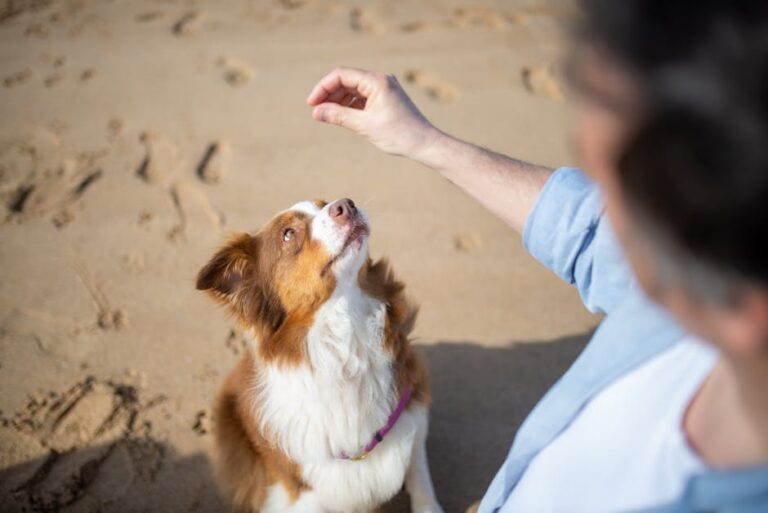
Sit is your dog’s introduction to the concept that following directions leads to rewards. Start by holding a treat close to your dog’s nose, then slowly lift it over their head. Their bottom naturally hits the ground as their head follows the treat upward. The moment they sit, say “Yes!” and reward immediately.
Practice Sit before meals, walks, and greetings. This simple command teaches impulse control—instead of jumping on visitors, your dog learns to earn attention through polite behavior.
Stay/Wait: Building Patience and Preventing Dangerous Situations
Stay could save your dog’s life. Whether it’s preventing them from bolting out an open car door or keeping them safe while you pick up broken glass, this command creates a safety net in countless situations.
Begin with your dog in a Sit, then hold your palm out in a “stop” gesture while taking one small step backward. Wait two seconds, return to your dog, and reward while they’re still sitting. Gradually increase distance and duration, but always return to your dog to release them—never call them to you from a Stay.
Come: The Life-Saving Recall Command
A reliable recall transforms your relationship with your dog, opening doors to off-leash adventures and providing crucial safety in emergencies. Start training Come in a boring, enclosed space where your dog has few distractions.
Take Sarah’s Beagle mix, Max, as an example. Week one involved calling Max from just three feet away in the living room, rewarding enthusiastically every time. Week two expanded to different rooms in the house. By week four, Max was practicing in the fenced backyard with increasing distractions. Week eight found them practicing at the dog park during quiet hours. This gradual progression built Max’s understanding that “Come” always means good things happen, regardless of what else might be interesting nearby.
Never call your dog to you for something they perceive as negative. If bath time is ending playtime, go collect your dog rather than poisoning your recall command.
Down: Teaching Calm Submission and Extended Control
Down is more than a physical position—it’s a mental state. A dog in a down position is automatically calmer and more focused. This command becomes invaluable when you need your dog to settle for extended periods.
From a Sit, lower a treat slowly toward the ground between your dog’s front paws. As their nose follows, their elbows should naturally touch the ground. Mark and reward the moment they achieve the position. Some dogs resist Down because it feels vulnerable, so be patient and make the experience positive.
Leave It/Drop It: Protecting Your Dog from Hazards
These twin commands are your dog’s safety net. Leave It prevents them from picking up dangerous items, while Drop It gets them to release something they’ve already grabbed.
Consider Jake’s chocolate Lab puppy, Luna, who had a habit of grabbing everything on walks. Teaching Leave It started with closing treats in Jake’s fist, waiting for Luna to stop pawing and nosing his hand, then rewarding her for backing away. This simple exercise saved Luna from a potential chocolate poisoning emergency when she later encountered dropped candy on a sidewalk—Jake’s “Leave It” stopped her before she could investigate.
For Drop It, never chase your dog or turn it into a game. Instead, offer a high-value treat near their nose while saying “Drop It.” Most dogs will release what they’re holding to get the better option.
Heel/Walk Nicely: Transforming Walks from Battles to Bonding Time
Leash pulling isn’t just annoying—it’s dangerous for both you and your dog. Heel or Walk Nicely turns walks into pleasant experiences where your dog stays roughly beside you rather than dragging you down the street.
Begin training in your hallway or another boring location. The moment your dog pulls ahead, stop moving completely. Wait for them to turn back toward you or slacken the leash, then immediately praise and continue walking. Your dog learns that pulling gets them nowhere, while staying near you keeps the walk interesting.
Place/Go to Bed: Creating Boundaries and Promoting Calm Behavior
Place teaches your dog to go to a specific spot and stay there until released. This command proves invaluable during dinner parties, when guests arrive, or any time you need your dog to settle in a designated area.
When Maria rescued her anxious German Shepherd mix, teaching Place transformed their dinner parties. Instead of Rex pacing anxiously around guests, begging for food, and generally creating chaos, he learned to settle on his designated bed in the corner of the dining room. The command gave Rex a job—staying in his spot—which reduced his anxiety while giving guests space to enjoy their meal.
Training Timeline: When to Teach Each Command
8-12 Weeks: Starting with the Basics
Young puppies have incredibly short attention spans but remarkable learning capacity. Focus on Sit and basic attention during this period. Keep training sessions to 2-3 minutes, multiple times per day. Your puppy is building foundational concepts about listening to you and earning rewards.
3-6 Months: Building Reliability and Adding Complexity
This period is prime time for puppy behavior training. Add Down, Stay (for short periods), and Leave It to your repertoire. Your puppy’s attention span is expanding, allowing for 5-10 minute training sessions. Begin practicing commands in different locations around your home.
Start introducing Come in safe, enclosed areas. Your puppy’s recall is naturally strong during this period, making it the perfect time to build positive associations with returning to you.
6+ Months: Perfecting Advanced Applications
Now you can work on duration, distance, and distraction for all commands. Heel becomes more relevant as your puppy grows stronger and more interested in their environment. Place helps establish household routines and boundaries.
Practice commands in increasingly challenging environments—your yard, quiet streets, and eventually busier areas as your dog demonstrates reliability.
Adult Dog Considerations
Older dogs learning these commands might take longer to break existing habits, but they often have better focus and attention spans than puppies. Don’t assume an adult dog “should know” these commands—many dogs reach adulthood without proper foundational training.
Adult dogs benefit from understanding the “why” behind commands. Take more time building positive associations, especially if your dog has had negative training experiences in the past.
Common Training Mistakes and How to Avoid Them
Inconsistent Timing and Mixed Signals
The biggest training killer is inconsistency among family members. If Dad allows the dog on the couch but Mom doesn’t, your dog receives mixed messages that slow learning and create confusion. Establish house rules that everyone follows consistently.
Timing matters enormously in dog training. The reward must come within two seconds of the desired behavior for your dog to make the connection. Late rewards confuse your dog about what exactly earned the treat.
Over-Relying on Treats Without Building Intrinsic Motivation
Treats are powerful motivators, but dogs who only perform for food become unreliable when you don’t have cookies in your pocket. Gradually replace some food rewards with praise, petting, or access to fun activities like walks or play.
Practice commands before activities your dog naturally enjoys. Ask for Sit before opening the door for walks, or Down before releasing your dog to greet a friendly visitor.
Practicing in Only One Environment
A dog who performs perfectly in your living room but ignores you at the park hasn’t truly learned the command—they’ve learned a location-specific trick. Once your dog understands a command at home, practice it in your yard, then on quiet streets, then in progressively more distracting environments.
This “proofing” process ensures your commands work when you actually need them, not just during formal training sessions.
Expecting Perfection Too Quickly
Dog training is a marathon, not a sprint. Expecting immediate perfection leads to frustration for both you and your dog. Celebrate small improvements and understand that reliability takes time to develop.
Some days your dog will seem to forget everything they’ve learned. This is normal—learning isn’t linear for dogs any more than it is for humans.
Making Training Stick: Building Habits That Last
Daily Integration: Turning Commands into Lifestyle Habits
The most successful training happens when commands become part of your daily routine rather than formal training sessions. Ask for Sit before meals, Stay before going through doorways, and Place during your morning coffee.
This integration reinforces commands constantly while making them relevant to your dog’s actual life. Your dog learns that listening to you isn’t something that happens during “training time”—it’s how they navigate their entire day.
Positive Reinforcement Strategies That Maintain Long-Term Motivation
Vary your rewards to keep your dog engaged. Sometimes it’s treats, sometimes praise, sometimes a favorite toy, and sometimes access to something they want (like going outside). This variability keeps your dog guessing and maintains their motivation to perform.
Jackpot exceptional performances with multiple treats or extended play sessions. If your dog performs a perfect recall in a challenging situation, celebrate enthusiastically so they remember how good it felt to make that choice.
Troubleshooting When Commands Start to Break Down
Even well-trained dogs occasionally test boundaries or seem to “forget” commands they once knew perfectly. Usually, this indicates you need to refresh their training or address changes in their environment or routine.
Go back to basics temporarily, practicing commands in easier environments with better rewards until reliability returns. Then gradually rebuild to the previous level of difficulty.
Creating a Training Schedule That Fits Busy Lifestyles
Free puppy behavior training doesn’t require hours of dedicated time—it requires consistency in small moments throughout your day. Five minutes of training before breakfast, a few commands during evening walks, and practicing Stay while you prepare dinner adds up to significant progress.
The key is making training feel effortless rather than burdensome. When commands become integrated into your routine, you’re training constantly without it feeling like work.
Remember that mastering these seven essential commands creates a foundation for everything else you might want to teach your dog. Whether you’re dreaming of advanced tricks, therapy work, or simply enjoying peaceful walks in your neighborhood, these basics make everything else possible. Your chaotic puppy has the potential to become your perfect companion—these seven commands are simply the roadmap to get there.