5 Professional Dog Grooming Techniques That Transform Stress Into Success
Whether you’re a seasoned groomer looking to refine your techniques or a professional just starting your career, mastering the art of dog grooming requires more than just basic scissor skills. In 2026, as pet ownership continues to surge and clients demand higher standards, professional groomers need a comprehensive toolkit of techniques that ensure both safety and stunning results. From understanding breed-specific coat requirements to managing anxious dogs during the grooming process, the difference between good and exceptional grooming lies in the details. This guide will walk you through proven, step-by-step techniques that will elevate your professional grooming game, reduce stress for both you and your canine clients, and help you build a reputation as a trusted expert in your field.
Essential Pre-Grooming Assessment and Preparation
The foundation of exceptional grooming begins before you even touch a pair of clippers. Every professional grooming session should start with a thorough assessment that sets the stage for success.
Conducting Health and Temperament Evaluations
Start each appointment with a systematic evaluation. Check for skin conditions, lumps, cuts, or areas of sensitivity that could affect your grooming approach. Look for signs of ear infections, dental issues, or mobility problems that might require special handling. Document any findings and communicate concerns to pet owners immediately.
Pay equal attention to the dog’s emotional state. Watch for stress signals like panting, trembling, or withdrawal. A dog showing early signs of anxiety will need a modified approach from the start. Take note of previous grooming experiences documented in your client files – this historical context helps you anticipate challenges and build on positive associations.
Workspace Setup for Maximum Efficiency
Your grooming table should be positioned at the correct height to prevent back strain during long sessions. Ensure all tools are within arm’s reach but organized to avoid overwhelming nervous dogs with too much visual stimulation. Use non-slip mats on both the table and floor to prevent accidents.
Temperature control is crucial – keep your workspace comfortably cool, as dogs can overheat quickly during grooming. Position lighting to eliminate shadows that might make precision work difficult while avoiding harsh overhead lights that can increase anxiety.
Tool and Product Selection Strategy
Match your tool selection to both coat type and individual dog needs. A Golden Retriever with a healthy double coat requires different brushes and shampoos than the same breed coming in with sun damage or seasonal allergies. Keep detailed notes about which products work best for each regular client.
For anxious dogs, consider tools that operate more quietly or allow for gentler handling. Sometimes the difference between a successful session and a stressful one comes down to choosing curved shears over straight ones for better maneuverability around a nervous dog.
Mastering the Foundation: Bathing and Drying Techniques
Professional-quality results start with exceptional bathing and drying – these steps directly impact the success of everything that follows.
Pre-Bath Preparation That Makes the Difference
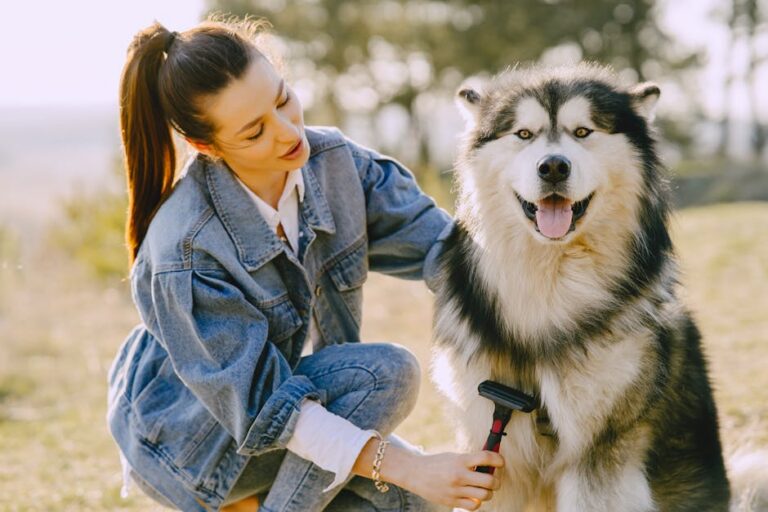
Never skip thorough pre-bath brushing. Wet mats become nearly impossible to remove and can cause painful pulling during the drying process. Use a systematic approach: start with a slicker brush for surface tangles, move to an undercoat rake for double-coated breeds, and finish with a metal comb to ensure you haven’t missed any problem areas.
For severely matted dogs, make humane decisions early. A Golden Retriever rescue recently arrived at our facility with mats so tight they were restricting circulation. Rather than putting the dog through hours of painful dematting, we discussed a shorter cut with the owner that prioritized the dog’s comfort while still maintaining dignity.
Advanced Bathing Techniques
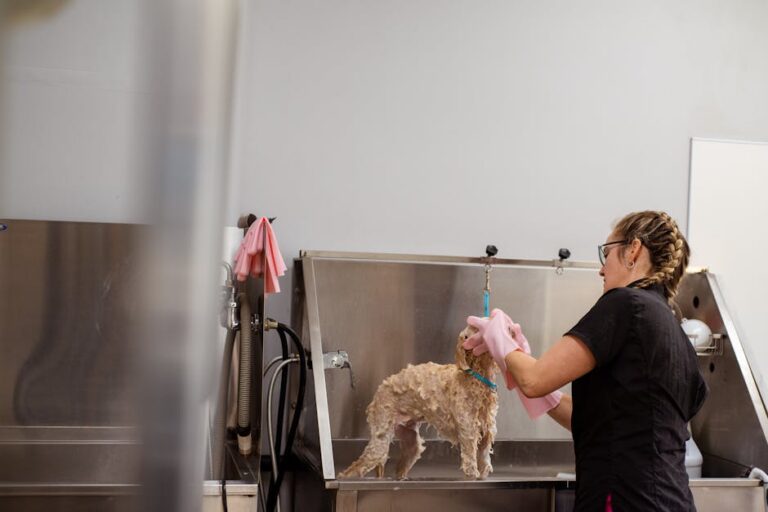
Water temperature should be lukewarm – hot enough to be effective but cool enough to prevent overheating. Start water flow away from the dog’s head to avoid startling them, and use a spray nozzle with adjustable pressure. High-anxiety dogs often respond better to lower pressure settings.
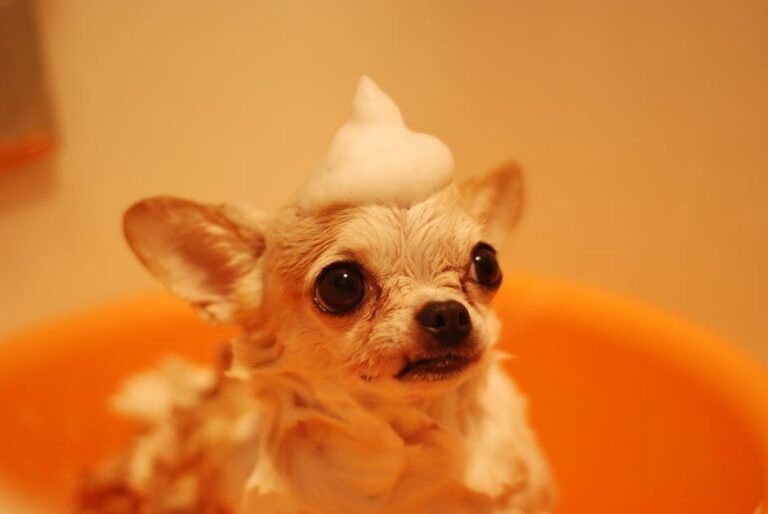
Apply shampoo in sections, working from neck to tail, and always dilute professional-grade shampoos according to manufacturer instructions. Undiluted products can cause skin irritation and are harder to rinse completely. For thick double coats, work shampoo through to the skin using circular motions with your fingertips – never your nails.
Professional Drying Methods
Proper drying technique can make or break your final result. For most breeds, start with a high-velocity dryer to remove excess water and begin separating the coat. Work systematically from front to back, keeping the dryer moving to prevent hot spots.
Follow up with a pin brush or slicker brush while using a conventional dryer to achieve the smooth, fluffy finish that marks professional work. This two-step process reduces overall drying time and creates better lift and separation in the coat.
Professional Cutting and Styling Techniques
Cutting and styling separate good groomers from exceptional ones, requiring comprehensive grooming skills that many pet owners also want to develop. These dog grooming techniques step by step require patience, precision, and an understanding of both breed standards and practical pet care needs.
Balancing Standards with Lifestyle Needs
While breed standards provide important guidelines, remember that most of your clients are pet owners, not show competitors. A busy family with a Poodle might benefit more from a shorter, low-maintenance cut than a traditional show clip. Have honest conversations about grooming frequency and home care capabilities.
Step-by-Step Scissoring for Critical Areas
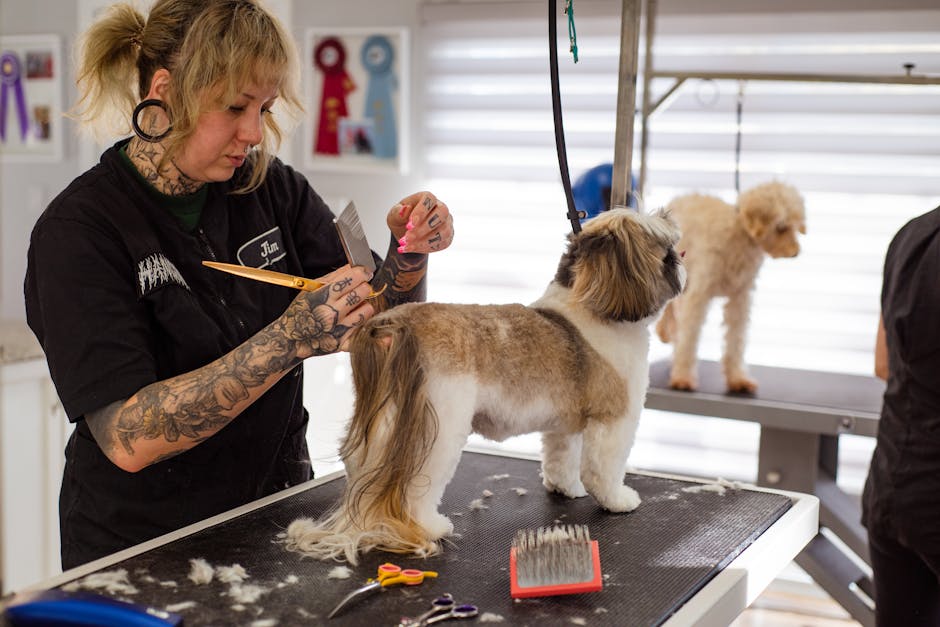
Face scissoring requires the highest level of precision and trust-building. Start with the dog in a comfortable position and work slowly. For the popular “teddy bear” look on breeds like Shih Tzus or Poodles:
- Begin by combing all facial hair forward
- Use thinning shears to remove bulk around the eyes, working from the inner corner outward
- Round the top of the head with straight shears, following the skull’s natural curve
- Blend the ear leather into the head shape using curved shears
- Finish by cleaning around the eyes with small, precise cuts
Foot trimming impacts both appearance and health. Remove hair between paw pads that can collect debris and cause discomfort. Trim around the foot to create a neat, circular shape that follows the natural pad outline.
Clipper Techniques for Professional Results
Blade selection depends on coat condition, breed requirements, and client preferences. Always start with a longer blade and work shorter if needed – you can always remove more hair, but you can’t put it back.
Move clippers with the grain of the hair growth for most body work, and against the grain only when creating specific effects or removing severely matted areas. Maintain consistent pressure and overlap your passes slightly to avoid creating lines or missed spots.
Handling Challenging Situations Like a Pro
Professional grooming inevitably involves challenging situations. Your ability to handle these scenarios safely and humanely defines your expertise.
Safe Restraint and Anxiety Management
Never use force as your primary restraint method. Instead, develop a toolkit of gentle control techniques. A nervous German Shepherd recently came to our salon after multiple bad experiences elsewhere. We spent the first visit simply letting him explore the space and associate it with treats and praise. By the third visit, he was allowing full grooming without any restraint beyond a standard grooming arm.
Use positive reinforcement throughout the process. Keep small, high-value treats readily available and reward calm behavior immediately. Sometimes a brief break to let an anxious dog decompress prevents the situation from escalating.
Working with Matted Coats
Severely matted coats present both technical and ethical challenges. Assess the extent of matting before beginning – mats that extend to the skin or restrict movement require immediate removal, even if it means a shorter cut than the owner prefers.
Work systematically with dematting tools, but set time limits. If you can’t make significant progress within 15-20 minutes on a specific area, consider clipper removal. Document your decision-making process and explain to owners why comfort trumps appearance.
Managing Special Needs Dogs
Elderly dogs may have mobility issues or increased sensitivity. Provide extra support during positioning and take frequent breaks. Dogs with previous injuries might need modified handling techniques – work with owners to understand specific limitations and pain points.
Building Your Professional Reputation and Efficiency
Long-term success in professional grooming requires business acumen alongside technical skills.
Time Management Without Compromising Quality
Develop standard time estimates for different breed/size combinations, but build in buffer time for challenging situations. A well-groomed Poodle takes consistent time regardless of the individual dog, but factor in extra time for first-time clients or dogs with behavioral challenges.
Prepare your workspace between appointments efficiently. Having tools cleaned and organized before the next dog arrives eliminates dead time and presents a professional image to clients.
Continuing Education and Trend Awareness
The grooming industry evolves constantly. Attend workshops, follow industry leaders on social media, and stay current with new tools and techniques. What worked well in previous years might not meet current client expectations or safety standards.
Client Communication Excellence
Document everything. Keep detailed records of cut preferences, behavioral notes, skin conditions, and any concerns. This information helps you provide consistent service and shows professionalism that builds trust.
Be proactive in educating clients about coat care between appointments. Provide specific recommendations for brush types, frequency, and techniques. Clients who maintain their dogs’ coats at home make your job easier and achieve better results.
Photography helps tremendously – take before and after photos (with permission) to show transformation and help clients remember their preferred cuts, which also supports professional service standards that enhance client relationships. This visual documentation also helps you track your own skill development over time.
The most successful professional groomers combine technical expertise with genuine care for animal welfare and clear communication with pet owners—skills that overlap significantly with essential pet care abilities needed in other animal service roles. Master these five core technique areas, and you’ll find that challenging sessions become manageable, stressed dogs learn to trust the process, and your reputation grows through consistent, high-quality results that keep both dogs and their families coming back.